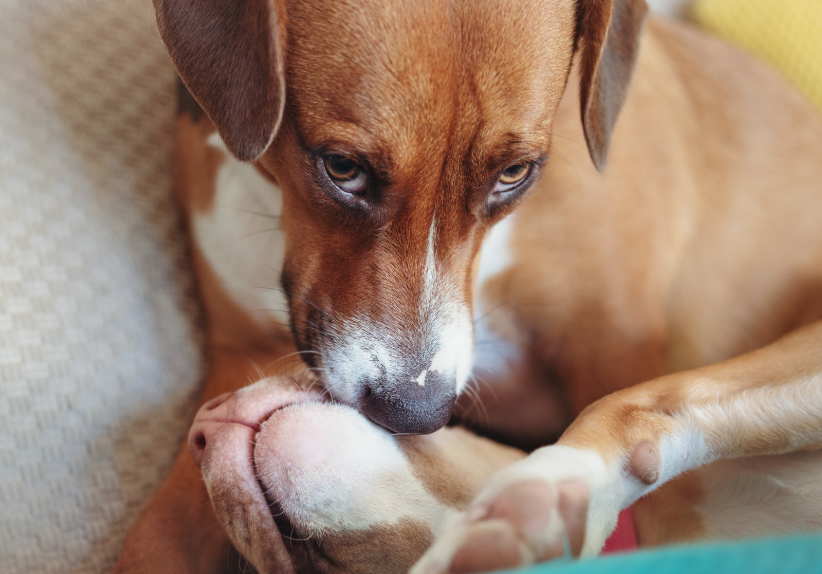

Louisiana ranks among the worst states in the country for seasonal allergies, and Bossier City sits squarely in the middle of that misery. The same oak, ash, and pecan pollen that makes humans miserable every February through May affects dogs too, just in completely different ways. If your dog has started scratching constantly, licking their paws raw, or shaking their head every few minutes, spring allergies are very likely the culprit.
This guide walks Bossier City dog owners through what to watch for, what triggers symptoms locally, and what you can actually do about it.
Why Spring Is Rough on Dogs in Northwest Louisiana
Northwest Louisiana’s combination of mild winters, humid air, and a long growing season makes it one of the most challenging allergy environments in the country. Pollen seasons here can stretch from February well into late May, and that’s just the spring round. Mold spore counts stay elevated for much of the year thanks to gulf humidity.
For dogs, that means a steady stream of allergens hitting their skin and coat every time they go outside. The Red River corridor, the wooded areas around Bossier Parish, and even your own backyard can all be sources of exposure during peak season.
Why Dog Allergies Look Different Than Yours
Here’s the part most owners miss: dogs and humans react to the same allergens in completely different ways.
When you have seasonal allergies, your symptoms are mostly respiratory: sneezing, watery eyes, congestion, sore throat. When your dog has the same allergies, the immune response shows up almost entirely on their skin, ears, and paws. The medical term for this is atopic dermatitis.
This matters because most owners are scanning for the wrong signs. Your dog probably will not sneeze constantly. They will, however, start chewing their feet, scratching their belly, or developing recurring ear infections. Recognizing those patterns is the first step toward helping them.
The Most Common Signs of Spring Allergies in Bossier City Dogs
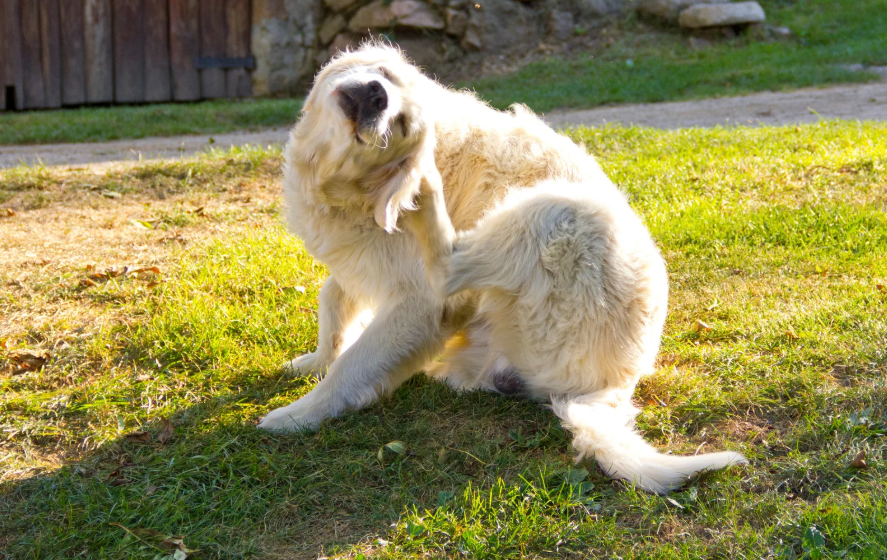
If your dog is dealing with spring allergies, you’ll usually see one or more of the following:
- Excessive scratching, especially on the belly, armpits, and groin
- Constant licking or chewing of paws (often turning the fur a reddish-brown from saliva staining)
- Recurring ear infections or frequent head shaking
- Red, inflamed skin or visible hot spots
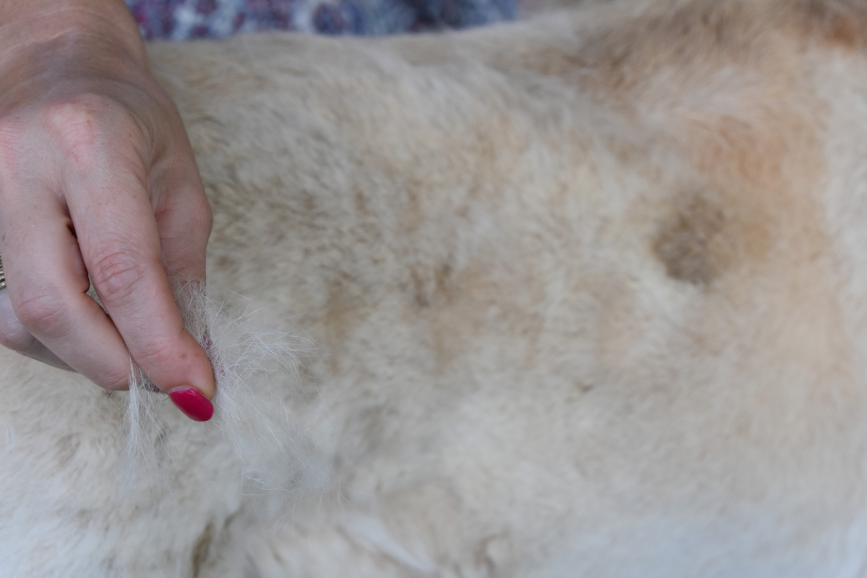
- Hair loss in patches, particularly where they’ve been scratching
- Face rubbing against carpet, furniture, or grass
- Watery eyes or mild discharge (less common but possible)
- Restlessness or trouble sleeping from constant itching
The symptoms tend to follow a seasonal pattern. If you notice the same flare-ups happening every spring, that’s a strong indicator allergies are at the root of it. For a deeper look at what your dog might be telling you through their behavior, our guide on reading your dog’s body language covers the subtler signs of physical discomfort.
What Triggers Spring Allergies in Dogs Around Bossier City
The Shreveport-Bossier area has a distinct allergen profile that shifts as spring progresses. Knowing what’s blooming when can help you anticipate flare-ups.
| Time of Year | Primary Allergen Type | Common Local Triggers |
|---|---|---|
| Late February to April | Tree pollen | Oak, ash, hickory, pecan, mulberry, maple, willow, walnut |
| April to early June | Grass pollen | Bermuda grass, ryegrass, bent grass |
| Year-round (peaks in spring) | Mold spores | Outdoor mold from humidity, indoor mold |
| Year-round | Dust mites | Indoor environments, bedding, carpets |
Oak pollen is the heavy hitter in our area. It blankets cars, decks, and outdoor surfaces with a yellowish dust from late February through April, and it sticks to fur extremely well. By the time tree pollen starts to ease, Bermuda grass and ryegrass take over for the rest of spring and into summer.
The Louisiana climate also keeps mold spore counts elevated almost year-round, which means many dogs in the Bossier City area struggle with allergies even outside of obvious pollen season.
What You Can Do at Home to Reduce Symptoms
You can’t eliminate allergens, but you can significantly reduce your dog’s exposure with consistent at-home management.
Daily and post-walk routines:
- Wipe down your dog after every outdoor outing. Use a damp cloth or pet wipes on paws, belly, legs, and face to remove pollen before they lick it off or track it indoors.
- Schedule walks for low-pollen windows. Pollen counts are typically highest in the early morning and on dry, windy days. Late evening walks after the air has settled are easier on allergic dogs.
- Keep paws clean between baths. Daily paw rinses during peak season can prevent the constant licking that leads to secondary infections.
Weekly maintenance:
- Bathe with a hypoallergenic or oatmeal-based shampoo. Weekly baths during allergy season wash off accumulated pollen and soothe inflamed skin. Avoid over-bathing, which can dry out the skin and make things worse.
- Wash bedding in hot water. Your dog’s bed traps pollen, dander, and dust mites. A weekly wash cuts down on cumulative exposure.
- Brush regularly. Brushing removes loose fur and pollen and distributes natural skin oils.
Around the house:
- Vacuum frequently, especially areas where your dog sleeps or rests.
- Run a HEPA air purifier in the rooms your dog spends the most time in.
- Keep windows closed on high-pollen days, particularly during the morning hours.
Professional grooming during peak allergy season can also make a meaningful difference. A thorough wash with the right products removes more allergens than a typical at-home bath. Our dog grooming services in Bossier City are designed to keep your dog clean and comfortable through the toughest months of the year. For dogs that also struggle with shedding during seasonal transitions, our guide on shedding season grooming tips covers complementary care.
When to Take Your Dog to the Vet
Home management goes a long way for mild cases, but allergies can escalate fast in Louisiana’s climate. See your vet if you notice any of the following:
- Symptoms that have not improved after a week of consistent home care
- Hot spots that are spreading or oozing
- Persistent ear infections or strong odor from the ears
- Skin that has thickened, darkened, or developed a rash
- Hair loss in noticeable patches
- Behavioral changes such as irritability, restlessness, or lethargy from constant discomfort
Vets in the Bossier City area have several treatment options for dogs with moderate to severe allergies. The most common include:
| Treatment Type | What It Does |
|---|---|
| Apoquel or Zenrelia | Daily oral medications that block itch signals quickly |
| Cytopoint | Long-acting injection that reduces itch for 4–8 weeks |
| Antihistamines (Benadryl, Zyrtec) | First-line option for mild cases (always check with your vet for dosing) |
| Omega-3 fatty acid supplements | Improve skin barrier function and reduce inflammation over time |
| Medicated shampoos | Soothe skin and address secondary bacterial or yeast infections |
| Allergen-specific immunotherapy | Long-term desensitization through allergy shots or oral drops |
Your vet may also recommend skin testing or a referral to a veterinary dermatologist if symptoms are severe or recurring. Never give your dog human medications without veterinary guidance. Some common ingredients (such as the pseudoephedrine in Claritin-D) are toxic to dogs.
How Allergies Affect Your Dog’s Behavior and Training
This is the part most owners overlook. A dog dealing with constant itching, sore paws, or recurring ear infections is not in a state to learn, focus, or behave normally. Chronic discomfort changes behavior in ways that can look like training regression or new problems entirely:
- Increased irritability or snappiness, especially when touched in inflamed areas
- Restlessness and trouble settling, leading to pacing or whining
- Reduced focus during training sessions
- Regression on previously solid behaviors like place commands, recall, or leash manners
- New reactivity toward other dogs, strangers, or even family members
If your normally well-behaved dog has gotten harder to manage during spring, allergies could be a contributing factor. Addressing the underlying physical cause is step one. Once your dog is more comfortable, our dog training programs can help reinforce or rebuild the behaviors that may have slipped during a tough allergy season.
For dogs that need a more intensive reset, our board and train program provides structured work in a controlled environment, while in-home dog training addresses behavior in the same setting where your dog spends most of their time.
Frequently Asked Questions
How can I tell if my dog has seasonal allergies versus food allergies?
Seasonal allergies follow a predictable pattern, with symptoms flaring during specific times of year (usually spring and fall in Louisiana). Food allergies cause symptoms year-round and often include digestive issues like vomiting or loose stools alongside the skin symptoms. Your vet can help confirm the difference through testing and elimination diets.
Can puppies develop seasonal allergies?
Yes, but it’s less common. Most dogs develop allergy symptoms between ages 1 and 3, with the immune response strengthening over repeated exposure. If your puppy is showing severe allergy symptoms, talk to your vet to rule out other causes like parasites or skin infections.
Can dogs grow out of allergies?
Unfortunately, no. Seasonal allergies in dogs are a lifelong condition once they develop. The good news is that they can be managed effectively with the right combination of home care, medication, and professional support.
Is Benadryl safe to give my dog for allergies?
Diphenhydramine (Benadryl) is generally considered safe for dogs in appropriate doses, but it’s only effective for mild cases and should never be given without checking with your vet first. Avoid any combination products containing decongestants like pseudoephedrine, which are toxic to dogs.
Do certain breeds get spring allergies more often?
Yes. Breeds with a higher predisposition to atopic dermatitis include Labrador Retrievers, Golden Retrievers, Bulldogs, French Bulldogs, Boxers, German Shepherds, West Highland White Terriers, and Cocker Spaniels. That said, any dog can develop seasonal allergies regardless of breed.
When does pollen season peak in Bossier City?
Tree pollen typically peaks from mid-March through April in the Shreveport-Bossier area, with oak being the worst offender. Grass pollen takes over in late April and runs through early summer. Mold spores stay elevated throughout the warm, humid months.
About All Dogs Unleashed
All Dogs Unleashed is a professional dog training and grooming facility serving Bossier City, Shreveport, and the surrounding communities. Located at 4500 Benton Rd, Suite 200, Bossier City, LA 71111, our team understands that a comfortable dog is a trainable dog. From professional grooming during allergy season to comprehensive training programs, All Dogs Unleashed helps Bossier City families keep their dogs healthy, happy, and well-behaved year-round.
Need Help Getting Your Dog Through Allergy Season?
Spring allergies can wear down even the most well-trained dog. Whether your dog needs a thorough professional groom, a behavior reset after a rough allergy season, or both, All Dogs Unleashed is here to help.
Call us at (318) 562-6536 or visit our contact page to schedule a consultation. Let’s get your dog back to feeling their best.