
For most of the year, the question of cold-weather safety doesn’t cross the average Bossier City dog owner’s mind. Our typical winters are mild, average lows in the low 40s, daytime highs in the mid-60s, and a generally short cold season that’s done by mid-March. But “mild” doesn’t mean “no risk.” Bossier City averages roughly 39 days of freezing temperatures per year, and arctic blasts every few winters can drive lows into the teens or single digits. The 2025 cold snap that pushed lows to the mid-20s and kept things below freezing for three days straight is a recent example.
The complication is that most dogs in our area aren’t acclimated to the cold. A 30-degree morning here affects local dogs more than the same temperature affects a dog raised in Minnesota. This guide covers exactly how cold is too cold for your specific dog, what warning signs to watch for, and what to do during the cold snaps that occasionally hit Bossier City.
A Quick Answer for Most Bossier City Dogs
The short answer most owners are looking for:
Above 45°F: Most dogs are comfortable with normal outdoor activity, regardless of breed.
32°F to 45°F: Most dogs are still fine for typical walks and outdoor time. Small breeds, short-haired dogs, puppies, seniors, and sick dogs may need a sweater or coat. Cold-averse dogs start showing discomfort.
20°F to 32°F: Risky for small breeds, short-coated dogs, puppies, seniors, and dogs with health issues. Most medium and large dogs with normal coats are still fine for short outings, but extended time outdoors becomes hazardous. Frostbite risk on exposed areas (paws, ears, nose) starts to climb.
Below 20°F: Dangerous for almost all dogs. Hypothermia and frostbite become serious risks. Even cold-hardy breeds shouldn’t stay out for extended periods.
Below 0°F: Life-threatening within minutes for many dogs, especially in wind or wet conditions. Bossier City rarely sees this range, but it’s not unheard of during severe arctic blasts.
These are starting points, not absolute rules. Your specific dog’s tolerance depends on multiple factors covered below.
The Temperature Risk Chart by Dog Size and Coat
A quick-reference guide for the conditions Bossier City typically sees in winter:
| Temperature | Small/Short-Coat Dogs | Medium Dogs | Large Dogs | Northern Breeds (Husky, Malamute, etc.) |
|---|---|---|---|---|
| 45°F+ | Safe | Safe | Safe | Safe |
| 32°F–45°F | Caution; coat recommended | Generally safe | Safe | Safe (often comfortable) |
| 20°F–32°F | Hazardous; limit time | Caution; limit time | Generally safe with limits | Safe (often comfortable) |
| 0°F–20°F | Dangerous; brief outings only | Dangerous; limit to potty only | Hazardous; limit time | Caution; limit extended time |
| Below 0°F | Life-threatening | Life-threatening | Dangerous | Hazardous |
A few important notes: these guidelines assume calm, dry conditions. Wind, rain, snow, or wet fur dramatically worsen the risk at any given temperature. Senior dogs, puppies, and dogs with health issues should be treated as one category more vulnerable than their size and coat suggest.
Why Bossier City Dogs Are More Vulnerable Than You’d Think
Here’s the part that surprises owners. Cold tolerance isn’t just about breed and coat type, it’s also about acclimatization. A dog who’s spent their entire life in mild Louisiana winters isn’t physiologically the same as a dog who’s lived through northern winters their whole life. Their coat hasn’t developed the same insulating density. Their metabolism hasn’t adjusted to generate extra heat. Their circulation hasn’t adapted to handle peripheral cooling.
What this means practically: a 32°F morning in Bossier City affects a local Lab more than the same temperature affects a Lab in Wisconsin. The Wisconsin Lab is acclimated. The Bossier City Lab isn’t. The temperature thresholds in the chart above tend to hit Louisiana dogs harder than the same thresholds would hit dogs in colder regions.
The breeds common in our area also skew toward less cold-tolerant. Pit bull mixes, Boxers, hound mixes, and various short-coated breeds dominate Louisiana adoption populations. Many family pets in Bossier City are either thin-coated breeds or are mixes whose cold tolerance is hard to predict. Heavy-coated northern breeds are relatively rare here, and even the ones that exist locally don’t have the same field conditioning their northern counterparts develop.
Senior dogs are particularly vulnerable. Older dogs lose body fat, have reduced muscle mass, and produce less metabolic heat. Many Bossier City senior dogs that handled 35°F mornings just fine at age 5 are genuinely struggling with the same conditions at age 12.
Factors That Change How Cold Is “Too Cold” for Your Specific Dog
Beyond breed and acclimatization, several factors shift the threshold:
Coat type and thickness. Double-coated dogs (Huskies, Goldens, German Shepherds) have an insulating undercoat that single-coated dogs lack. Hairless breeds (Chinese Crested, Xoloitzcuintli) and very thin-coated breeds (Greyhounds, Whippets, Italian Greyhounds) have minimal natural insulation.
Body size and fat composition. Larger dogs retain heat better than smaller dogs because of basic surface-to-mass ratio. A 5-pound Chihuahua loses heat exponentially faster than a 90-pound Lab. Body fat also provides insulation, which is why thin or working-fit dogs feel cold faster than heavier dogs.
Age. Puppies don’t have fully developed temperature regulation. Senior dogs lose the ability to regulate effectively. Both groups need extra protection at temperatures that a healthy adult would handle without issue.
Health status. Dogs with diabetes, kidney disease, hormonal disorders, heart conditions, or arthritis often have reduced cold tolerance. Joint pain in particular tends to spike in cold weather. Sick dogs of any age should be treated as cold-vulnerable.
Activity level. A dog actively running and playing generates significant body heat that helps them tolerate cold. The same dog standing still or walking slowly in the same temperature will get cold much faster. This is why dogs who tire quickly or are recovering from injury need extra cold protection.
Coat condition. A dirty, matted, or wet coat doesn’t insulate well. Regular grooming (especially during shedding season) actually helps cold tolerance because clean fur traps air better. For more on seasonal coat care, our piece on shedding season grooming tips is worth a read.
The Things That Make Cold Worse Than the Thermometer Says
The temperature on your weather app doesn’t tell the whole story. Several environmental factors amplify cold:
Wind chill. Wind strips heat from your dog’s body the same way it does from yours. A 35°F day with 20 mph winds feels closer to 25°F to your dog. Strong winds also penetrate fur in ways that still air doesn’t, reducing the effectiveness of even thick coats.
Dampness and wet fur. Wet fur loses almost all of its insulating ability. A 40°F rainy day is more dangerous for your dog than a 25°F clear, dry day. After rain or snow exposure, dogs cool down rapidly through evaporation. Always dry your dog thoroughly after wet outings, especially in winter.
Cloud cover. Cloudy days feel colder because dogs can’t absorb radiant heat from the sun. A 40°F sunny day feels noticeably warmer to a dog than a 40°F overcast day.
Inactivity. A dog standing still on a leash while you have a long conversation with a neighbor cools down faster than a dog in active motion. Brief, active outings are safer in cold weather than long, slow ones.
Wet ground or surfaces. Cold pavement, wet grass, and especially ice transfer heat away from your dog’s paws quickly. Standing still on cold ground is harder on your dog than walking briskly across it.
The combination matters most. A 30°F day in Bossier City can be perfectly manageable if it’s clear, calm, and dry, and downright dangerous if it’s wet and windy.
Signs Your Dog Is Too Cold
Watch for these signals during cold-weather outings:
- Shivering or trembling
- Whining or vocalizing
- Slowed movement or reluctance to walk
- Lifting paws off the ground (often switching which paw is up)
- Holding their body in a hunched posture
- Tucking the tail tightly
- Searching for warm spots or trying to head home
- Refusing to walk farther
- Anxious behavior or appearing distressed
- Slow, lethargic responses
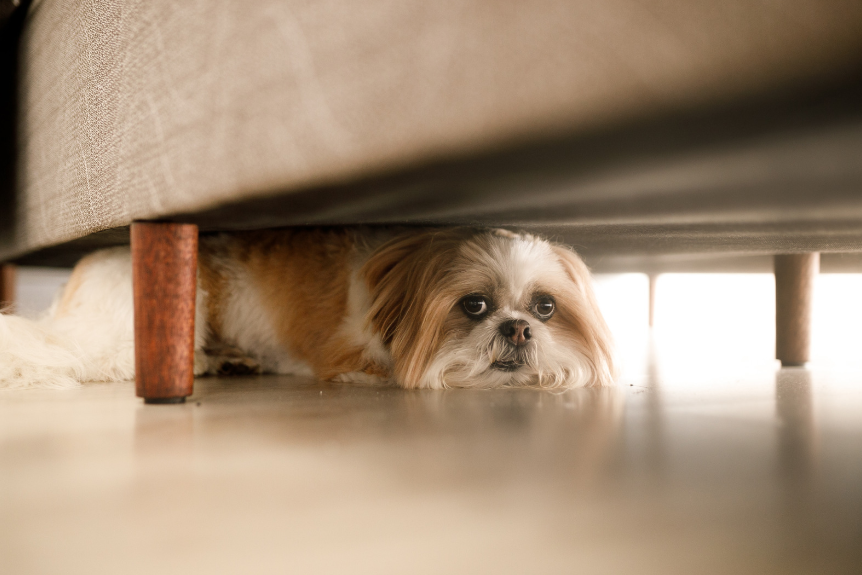
Different dogs show different early signs. Small dogs and short-coats often start shivering quickly. Some dogs will simply stop walking and look at you. Others tuck their tails and try to leave the situation. Pay attention to your specific dog’s signals. Once they start showing these behaviors, they’re already past comfortable. Time to head in.
For more on reading your dog’s stress signals broadly, our blog on reading your dog’s body language covers what to look for.
Signs of Hypothermia and Frostbite
These are veterinary emergencies. Don’t wait it out, get to a vet immediately if you see any of the following:
Hypothermia signs:
- Severe, prolonged shivering (or shivering that suddenly stops in cold conditions)
- Lethargy or weakness
- Stiffness or trouble walking
- Slow or shallow breathing
- Pale gums
- Body that feels cold to the touch
- Confusion or unresponsiveness
- Loss of consciousness
Frostbite signs:
- Pale, gray, or bluish skin patches (often on ears, tail, and paws)
- Skin that’s cold and hard to the touch
- Swelling
- Blisters or skin ulcers
- Pain when the affected area is touched
- Skin that turns black after rewarming (indicates tissue death)
If you suspect hypothermia, get your dog to a warm environment immediately. Wrap them in dry blankets. Apply warm (not hot) packs wrapped in towels to their armpits, chest, and abdomen. Do not use heating pads directly on their skin or hot water. Get to a vet as quickly as possible.
For frostbite, do not rub the affected areas (this can cause more damage). Get to a vet. They’ll handle warming the tissue properly and assess whether permanent damage has occurred.
What to Do During Bossier City Cold Snaps
When arctic air pushes our temps into the 20s or teens (which happens once or twice most winters), the standard guidelines tighten significantly:
Bring all outdoor dogs inside. This isn’t optional during severe cold. Even cold-tolerant breeds shouldn’t be left outside in temperatures Bossier City rarely sees. If you absolutely cannot bring an outdoor dog in, ensure they have proper shelter (covered in the next section), but indoors is always safer.
Limit outdoor time to brief potty breaks. A normal 30-minute walk becomes a 5-minute necessity-only outing. Carry small dogs out and back if needed to minimize cold exposure.
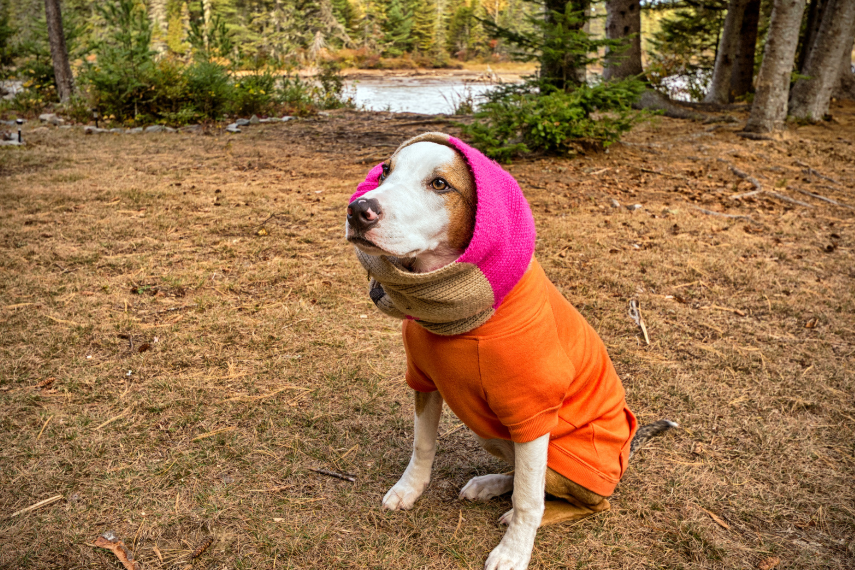
Use sweaters or coats for vulnerable dogs. Small breeds, short-coated dogs, seniors, and puppies should wear weather-appropriate clothing during outings. A waterproof coat is significantly better than a sweater alone if conditions are wet.
Protect paws. Cold pavement, ice, and de-icing salts can damage paw pads. Booties are the best protection if your dog will tolerate them. Paw balm (like Musher’s Secret) provides some barrier and helps prevent cracking. Wipe paws thoroughly when you come back inside to remove any salt or ice melt residue.
Never leave dogs in vehicles. Temperatures inside a car drop fast in cold weather, just as quickly as they rise in heat. A vehicle is not a safe place for a dog in freezing conditions.
Adjust feeding if needed. Active dogs may burn slightly more calories in cold weather to maintain body temperature. If your dog is spending more time indoors and being less active, the opposite may apply. Watch their weight and adjust portions if needed.
Be aware of antifreeze. Spilled antifreeze (ethylene glycol) tastes sweet to dogs and is extremely toxic. Even small amounts can be fatal. Clean up any spills immediately and keep dogs away from areas where it might pool.
Outdoor Dogs in Louisiana Winters
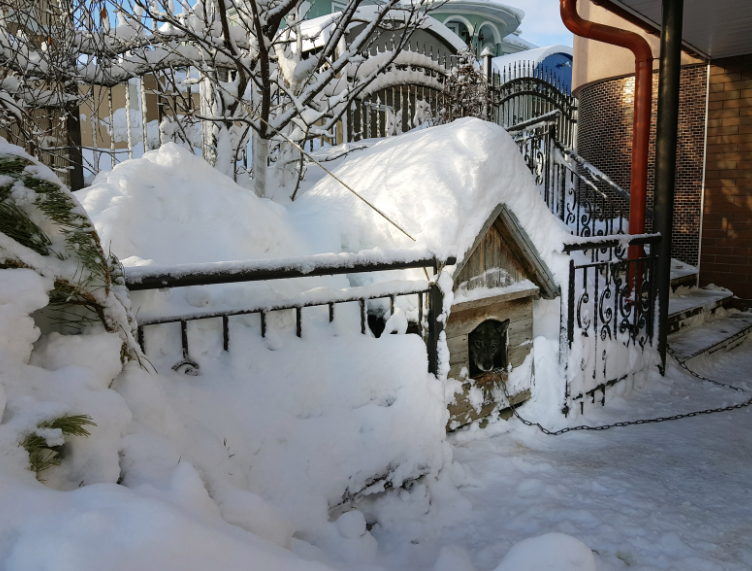
Louisiana has plenty of dogs who live primarily outdoors, working dogs on rural properties, hunting dogs, dogs whose families have always kept them outside. The honest conversation worth having: even outdoor-acclimated dogs need real protection during cold weather.
Adequate shelter for an outdoor dog in winter means:
- A solid structure that blocks wind and precipitation
- Enough room for the dog to stand, turn around, and lie down comfortably (not significantly bigger, since extra space is harder to heat with body warmth)
- A raised floor to prevent ground cold from transferring up
- Insulated walls or thick bedding (straw works well; blankets often don’t because they get wet and stay cold)
- A door covered with a flexible flap to keep cold air out
- A windbreak around the entrance
- Access to unfrozen water (heated water bowls help)
When temperatures drop below 32°F, even well-housed outdoor dogs benefit from being brought inside, especially overnight. When temperatures drop below 20°F, no dog should be living outside, regardless of how acclimated they seem to be. This is the threshold where arctic blasts in our area become genuinely life-threatening.
If bringing an outdoor dog into the main house isn’t an option, a heated garage, mudroom, enclosed porch, or workshop is far safer than outdoor shelter during severe cold.
Cold Weather Walks: Dos and Don’ts
For owners who still want to walk their dogs through Bossier City winters, a few practical guidelines:
Time your walks for the warmest part of the day. Late morning to mid-afternoon is typically when winter temperatures are most manageable. Pre-dawn and late evening walks during cold snaps can push temps significantly lower than the daily average.
Keep walks shorter when it’s cold. A 30-minute walk in 35°F weather is fine for most dogs. The same walk in 22°F weather is asking too much. Cut the length and pick up the pace. Brisk movement keeps your dog warmer than slow strolling.
Watch the surfaces. Cold concrete, frozen grass, ice, and de-icing chemicals all affect paw comfort and safety. If your dog is repeatedly lifting paws or hesitating to walk, the ground is too cold. Booties or shorter routes help.
Skip walks entirely when conditions are unsafe. During severe cold, freezing rain, ice storms, or wind chill warnings, indoor activities replace walks. A missed walk isn’t a problem. A frostbitten dog is.
Dry your dog thoroughly when you get back. Towel off any moisture from rain or snow. Pay attention to paws (wipe between toes), belly, and underarms. Wet fur will keep your dog cold long after they’re back inside.
Don’t shave heavy coats in winter. Many owners trim or shave dogs in summer for heat relief. Don’t do the same in winter. The full coat is providing insulation when your dog needs it most.
Indoor Activities for Cold Days
When it’s just too cold for proper outdoor exercise, indoor enrichment becomes essential. A few options that work well during Bossier City cold snaps:
Frozen Kongs and lick mats provide long-lasting engagement. Puzzle feeders turn meal time into mental work. Indoor scent games (hiding treats around the house) burn mental energy effectively. Stair climbs or hallway fetch can replace some physical exercise. Short training sessions provide both mental and physical engagement. A few minutes of trick training tires most dogs more than people expect.
For dogs who struggle to focus on indoor activities, our piece on 5 tips to build your dog’s attention span covers some useful foundations. The general rule: 15–20 minutes of focused mental work usually replaces 30–45 minutes of physical exercise.
If your dog’s behavior changes noticeably during extended cold periods (more anxious, more destructive, harder to settle), the issue is usually under-stimulation from missed walks, not the cold itself. Adjusting the indoor enrichment routine typically resolves it.
Frequently Asked Questions
Do dogs need coats in Bossier City winters?
Some do, some don’t. Small breeds, short-coated dogs, puppies, senior dogs, and sick dogs often benefit from a coat or sweater when temperatures drop below 45°F. Larger dogs with thick coats typically don’t need extra clothing until temperatures drop significantly lower. When in doubt, watch your dog’s behavior in different conditions and dress them accordingly.
Can dogs sleep outside in Louisiana winters?
It depends on the temperature, the dog, and the shelter. During mild winter nights (40°F+), a healthy adult dog with appropriate outdoor shelter is generally fine. During cold snaps (below 32°F), even outdoor-adapted dogs should be brought inside. Below 20°F, no dog should be sleeping outside regardless of breed or shelter quality.
My dog is shivering. Does that mean they’re hypothermic?
Not necessarily. Shivering is the first sign that your dog is cold and trying to generate heat. It’s a warning to bring them inside, not necessarily a medical emergency. Hypothermia involves shivering plus other signs: lethargy, weakness, slow breathing, and a body that feels cold to the touch. If you see those combinations, head to the vet immediately.
Are puppies more sensitive to cold?
Yes, significantly. Puppies under 8 weeks haven’t developed full temperature regulation. Even older puppies have less body fat and lower thermal mass than adult dogs. During cold weather, puppy outings should be brief, supervised closely, and ended at the first sign of discomfort. A coat or sweater is often appropriate even at temperatures that would be fine for an adult dog.
Can I leave my dog in the car briefly during cold weather?
No. Cars cool down quickly in cold weather, just as they heat up quickly in summer. Within 30 minutes in freezing temperatures, a parked car can become as cold as a refrigerator. If you can’t bring your dog inside with you, leave them home.
My dog refuses to go outside when it’s cold. What should I do?
Respect the signal. Their refusal is information about their cold tolerance. For dogs that genuinely can’t tolerate the cold for normal walks, focus on quick potty breaks and replace exercise with indoor enrichment. Some dogs do better with a coat that gives them confidence to handle the cold. Others simply prefer to wait out the cold snap indoors, which is fine for the few days each year that Bossier City sees genuinely cold weather.
About All Dogs Unleashed
All Dogs Unleashed is a professional dog training facility serving Bossier City, Shreveport, and the surrounding communities. Located at 4500 Benton Rd, Suite 200, Bossier City, LA 71111, our team helps families build dogs who handle every season, Louisiana summers, brief winter cold snaps, and everything in between, with the structure, training, and routines that produce calm, well-adjusted behavior year-round. All Dogs Unleashed understands that good dog ownership means adapting to conditions instead of forcing the same routine year-round.
Need a Dog Who Adapts Well to Any Season?
Cold-weather days mean less outdoor time, more indoor structure, and more reliance on the foundation training that keeps dogs settled when their normal routine is disrupted. If your dog struggles to handle changes to the routine, whether from cold snaps, summer heat, holiday disruptions, or anything else, the right training makes all the difference.
Our dog training programs build the kind of foundation that holds up regardless of weather. In-home dog training works the training into your actual environment and routine, while board and train provides intensive structured time for dogs that need a more thorough reset.
Call us at (318) 562-6536 or visit our contact page to schedule a consultation. Let’s get your dog ready for every season Bossier City throws at them.