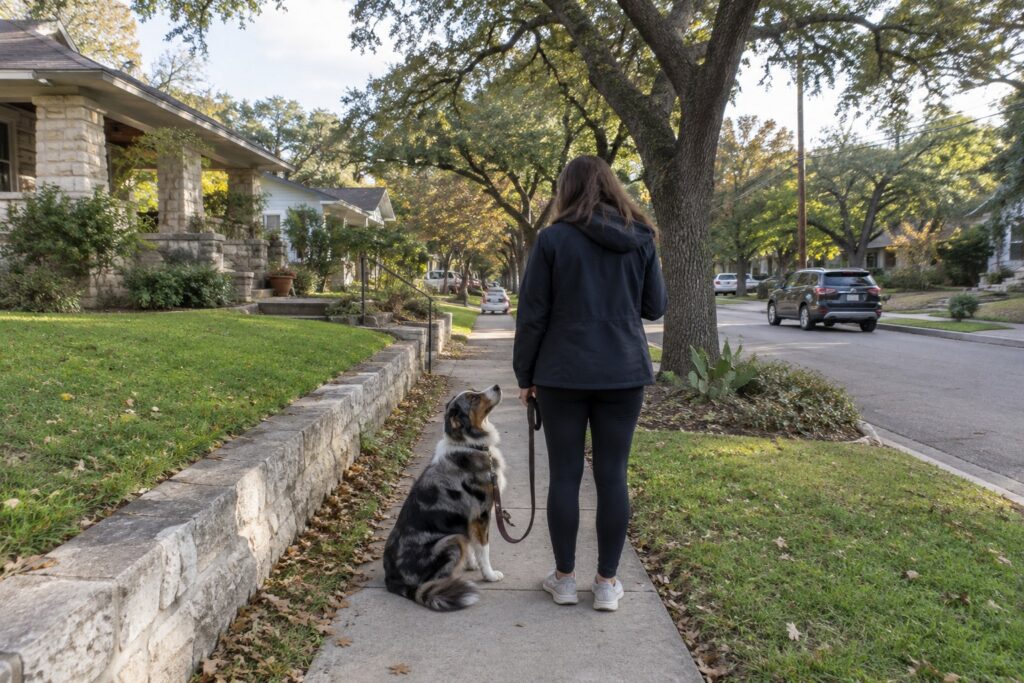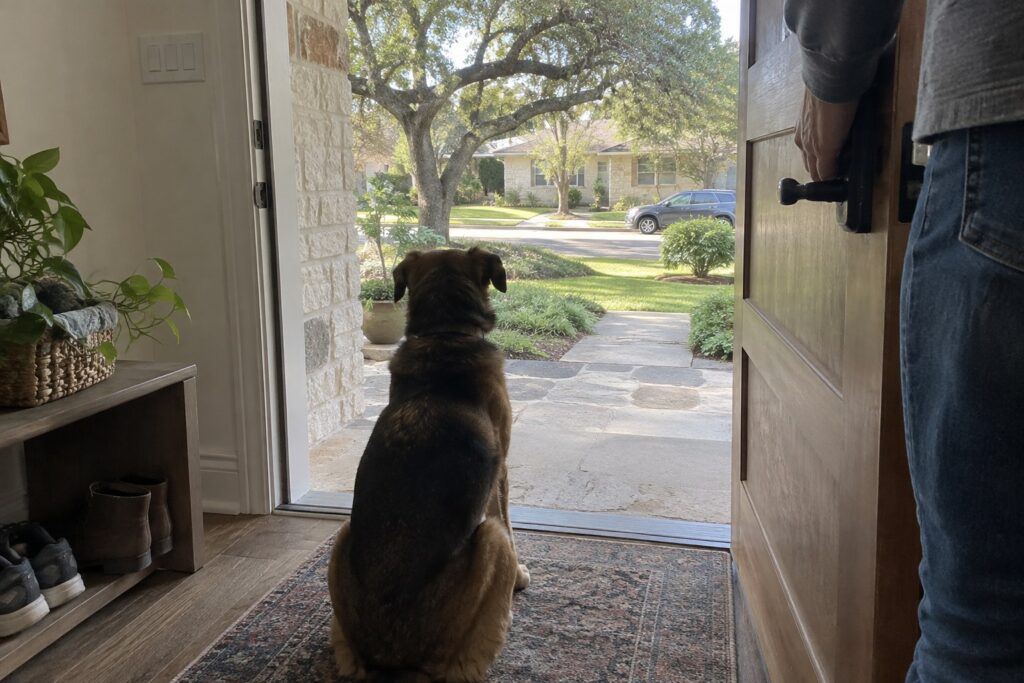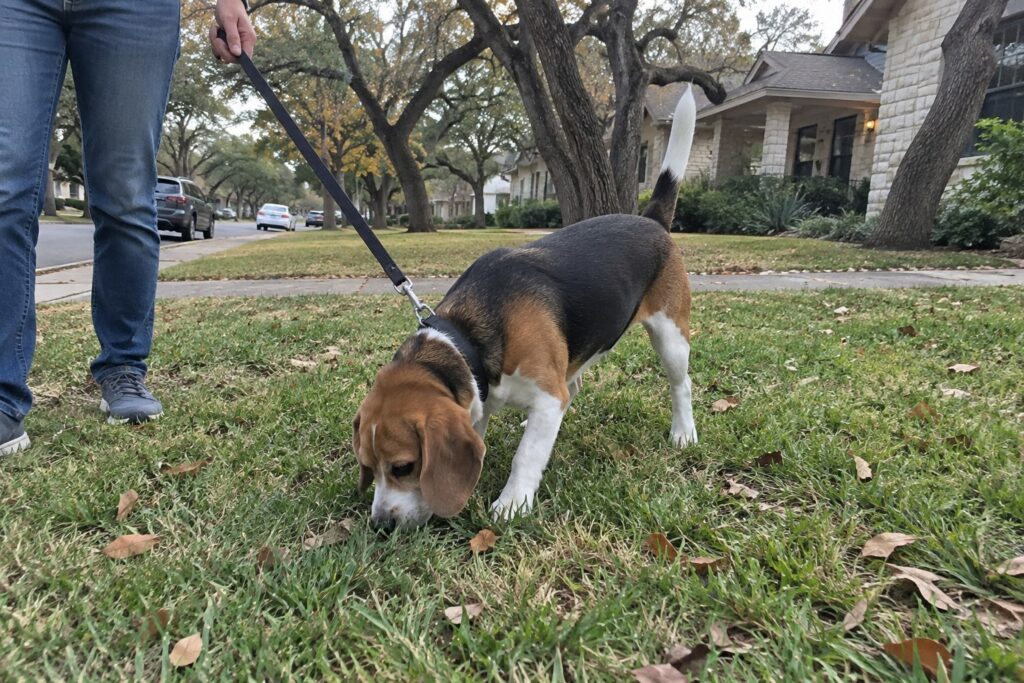

The “you can’t teach an old dog new tricks” saying has been so widely repeated for so long that many Austin dog owners take it as fact. They assume that training is for puppies and young dogs, and that older dogs are set in their ways beyond meaningful change. This assumption leads many senior dog owners to simply manage behavioral challenges they live with rather than address them.
The science and the practical experience of professional trainers tell a different story. Dogs can learn, adapt, and modify their behavior at every age. Senior dogs bring some genuine advantages to the training process that their younger counterparts lack, including better focus, lower overall reactivity in many cases, and a more settled temperament that makes structured learning genuinely productive.
At All Dogs Unleashed, we work with Austin dogs across the full age spectrum, including older dogs whose owners are discovering for the first time what structured training can accomplish. Here is what Austin dog owners should know about senior dog training.
What Age Counts as Senior for Dogs?
The definition of “senior” varies significantly by breed and size. Larger breeds tend to age faster and are often considered senior by age 7. Smaller breeds may not reach senior status until 10-12 years of age. As a general guideline:
- Small dogs (under 20 lbs): Senior from approximately 10-12 years
- Medium dogs (20-50 lbs): Senior from approximately 8-10 years
- Large dogs (50-90 lbs): Senior from approximately 7-8 years
- Giant breeds (over 90 lbs): Senior from approximately 5-6 years
Many of the dogs Austin owners refer to as “old” when they call us are actually in the 7-9 year range, well within a window where training is highly effective and the dog has many healthy years ahead to benefit from behavioral improvements.
The Neuroscience of Senior Dog Learning
The concern that old dogs cannot learn is understandable but neurologically unsupported. Research in canine cognition consistently demonstrates that adult and senior dogs retain significant neuroplasticity, the brain’s ability to form new neural connections, throughout their lives. Cognitive decline in dogs, when it occurs, primarily affects memory retrieval and processing speed, not the fundamental capacity to learn through repetition and reinforcement.
What changes with age is not the dog’s ability to learn but the conditions under which learning is most effective:
- Shorter sessions work better: Senior dogs tire more quickly during training and benefit from shorter, more frequent sessions of 5-10 minutes rather than the longer sessions young dogs can sustain.
- High-value reinforcement matters more: Older dogs may be less food-motivated if their appetite has declined. Identifying what specifically motivates a senior dog and using that as the primary training reward is important.
- Health must be assessed first: Some behavioral changes in senior dogs are symptoms of underlying health conditions rather than behavioral problems. Pain, vision or hearing loss, and early cognitive dysfunction syndrome can all manifest as behavioral changes. Veterinary clearance before beginning a training program ensures the right problem is being addressed.
- Patience is required: Older dogs may need more repetitions to establish new patterns than younger dogs, but they are fully capable of doing so with a skilled, patient trainer.
Why Senior Dogs Come to Training
The reasons Austin owners bring senior dogs to All Dogs Unleashed fall into several consistent categories:
- Newly developed behavioral problems: Dogs that were well-behaved for years may develop new behavioral challenges as they age. Increased anxiety, nighttime restlessness, housesoiling in previously trained dogs, and aggression are all potential symptoms of cognitive dysfunction syndrome or pain-related behavioral changes. Professional assessment determines whether the cause is medical, behavioral, or both.
- Adoption of a senior dog: Austin has a strong senior dog adoption community supported by organizations like Old Dog Haven and senior-dog programs at the Austin Animal Center. Families that adopt older dogs often need training guidance just as much as families adopting puppies, and the senior dog may bring behavioral patterns from an unknown or difficult prior history.
- Life changes that affect the dog: A move to a new home, the addition of a new family member or pet, a change in the owner’s schedule, or the loss of a companion animal can all trigger behavioral changes in senior dogs that training can address.
- Management of age-related anxiety: Cognitive dysfunction syndrome in dogs, often called “doggie dementia,” is estimated to affect a significant percentage of dogs over age 11. Symptoms include disorientation, sleep disruption, anxiety, and house soiling. While the cognitive decline itself is not reversible with training, structured routines and environmental management strategies taught through professional training meaningfully improve quality of life for affected dogs and their families.
- Strengthening the bond during senior years: Many Austin dog owners choose to invest in training with their older dog simply to deepen the communication and connection during the dog’s final years. This is a valid and meaningful reason that we are glad to support.
How Training Improves Quality of Life for Senior Dogs
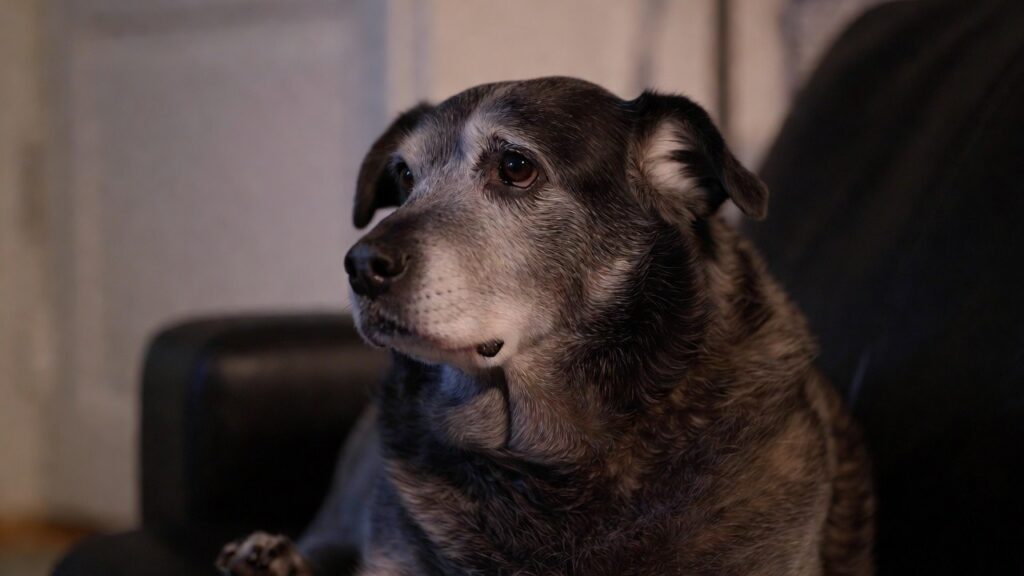
Professional training provides benefits to senior dogs that go beyond behavioral modification:
- Mental stimulation: The cognitive engagement of learning, even simple new commands or problem-solving exercises, provides genuine mental enrichment that combats cognitive decline. Mental stimulation is increasingly recognized as a factor in cognitive longevity in both humans and dogs.
- Physical activity calibrated to the dog: Senior dogs often need modified exercise routines that account for joint pain, reduced endurance, or health limitations. A professional trainer works within the dog’s physical capacity rather than pushing past it, providing appropriate activity without risk.
- Improved communication: An older dog that understands clear, consistent commands experiences less confusion and anxiety in its daily life. Clear communication reduces stress for dogs of all ages, but it is particularly valuable for senior dogs navigating a world that is becoming cognitively less predictable.
- Safer management in challenging situations: Senior dogs that lack reliable obedience are at genuine safety risk in environments like busy parks, veterinary offices, and homes with young children. A solid “stay” or “come” command can be lifesaving for a dog whose physical reflexes have slowed.
Program Options for Senior Dogs in Austin
All Dogs Unleashed tailors training approaches to the individual dog’s age, health, temperament, and behavioral goals. Options that work particularly well for senior dogs include:
- In-home dog training in Austin: Working in the dog’s own environment is especially valuable for senior dogs, many of whom are most comfortable and most capable of learning in familiar surroundings. In-home sessions allow the trainer to observe the dog’s actual behavioral patterns in context and address the specific challenges that occur in that environment.
- Board and train in Austin: For senior dogs adopting into a new home, or for dogs with more significant behavioral challenges, a board and train stay provides intensive, professional training in a shorter timeframe. Sessions are shorter and more frequent to accommodate the senior dog’s pace, and the transition plan returned to owners is designed for sustainable long-term maintenance.
- Dog daycare in Austin: For senior dogs that experience anxiety, cognitive disorientation, or distress when left alone, daycare provides supervised companionship and gentle social engagement during the day. Many senior dogs thrive in daycare environments and show measurably reduced nighttime anxiety when they receive structured daytime activity and social stimulation.
What Austin Senior Dog Owners Should Know Before Starting Training
A few practical considerations help ensure training is as effective and safe as possible for senior dogs:
- Veterinary assessment first: Before beginning any new training program with a senior dog, a current veterinary examination is strongly recommended. Confirming that the dog is not experiencing undiagnosed pain, vision or hearing loss, or early cognitive dysfunction syndrome ensures the training approach is calibrated correctly.
- Communicate the dog’s history to the trainer: The more context a trainer has about a senior dog’s history, including its prior training, any known behavioral challenges, its daily routine, and any recent behavioral changes, the better positioned they are to design an effective program.
- Adjust expectations for timeline: Senior dogs are fully capable of learning, but the timeline may be longer than it would be for a young adult dog. Progress should be measured against the individual dog’s baseline rather than against a generalized standard.
- Celebrate smaller wins: Senior dog training often produces meaningful improvements in specific, targeted behaviors rather than wholesale transformations. A senior dog with age-related anxiety that learns to settle calmly during evening hours has made a significant quality-of-life improvement even if it is not performing advanced obedience.
Invest in Your Austin Senior Dog in 2026
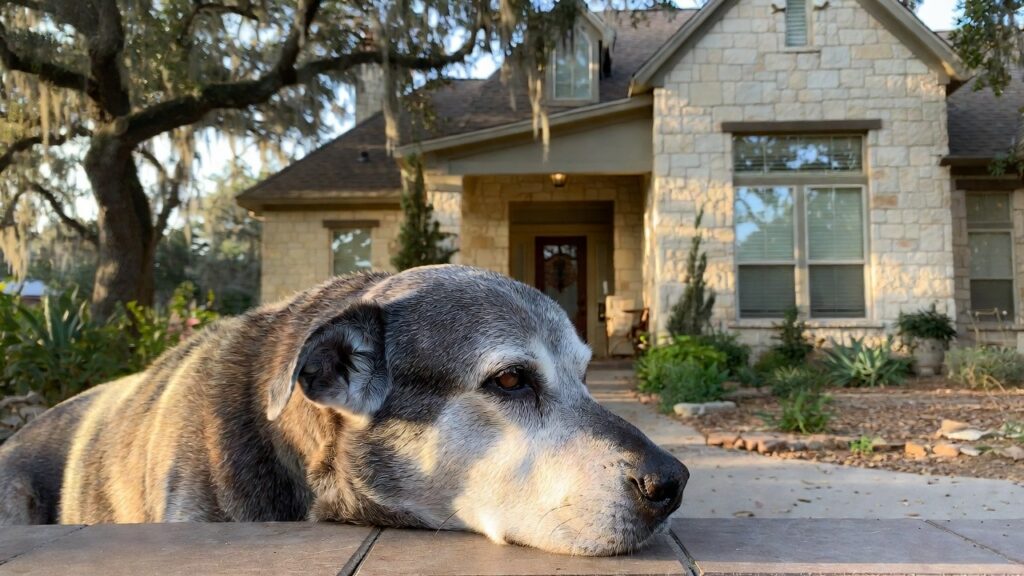
Senior dogs have earned the loyalty and investment of the Austin families that love them. Professional training is not just for puppies. It is a meaningful contribution to your older dog’s safety, quality of life, and the relationship you share during its golden years.
All Dogs Unleashed is ready to help. Whether your senior dog needs behavioral guidance, enrichment strategies, or simply a professional assessment to understand what is driving recent changes, our Austin team is here. Call (512) 963-6017 to schedule a consultation and find the right approach for your older dog.
Frequently Asked Questions
Is my 9-year-old dog too old to start training?
No. Nine years old is well within the window where training is effective for most breeds. Many medium and small breed dogs at nine years old are in the early senior phase with many years of healthy life ahead. The investment in training pays real dividends in safety, communication, and quality of life.
My senior dog has started having accidents in the house. Is this a training problem?
New housetraining accidents in a previously trained senior dog are more often a medical or cognitive issue than a training one. Common causes include urinary tract infections, kidney disease, hormonal changes, and cognitive dysfunction syndrome. A veterinary evaluation is the correct first step. If medical causes are ruled out, a trainer can help re-establish appropriate bathroom routines.
Can training help with anxiety in senior dogs?
Yes, particularly when combined with veterinary support for dogs with significant anxiety. Structured routine, predictability, and clear communication reduce anxiety in dogs of all ages. For senior dogs experiencing age-related anxiety or early cognitive dysfunction, the calming effect of a consistent daily routine, reinforced through professional training guidance, can be significant.
How long are training sessions for senior dogs?
We recommend short, positive sessions of 5-10 minutes for senior dogs, several times daily if possible, rather than longer sessions. This matches the senior dog’s attention capacity and energy level while maintaining consistent reinforcement frequency.
Does All Dogs Unleashed have experience working with senior dogs in Austin?
Yes. Our Austin trainers have experience working with dogs across the full age spectrum, including senior dogs with age-related behavioral changes, senior rescues adjusting to new homes, and older dogs whose owners want to strengthen their relationship during the dog’s final years. We approach each senior dog as an individual with unique needs and capabilities.
About All Dogs Unleashed
All Dogs Unleashed is a professional dog training company located at 111 Congress Ave. #201, Austin, TX 78701 serving the Austin, TX area. We offer a full range of services including dog boarding, daycare, grooming, in-home training, and structured board and train programs.
Business Name: All Dogs Unleashed
Address: 111 Congress Ave. #201, Austin, TX 78701
Phone: (512) 963-6017
Website: https://www.alldogsunleashed.com/austin/