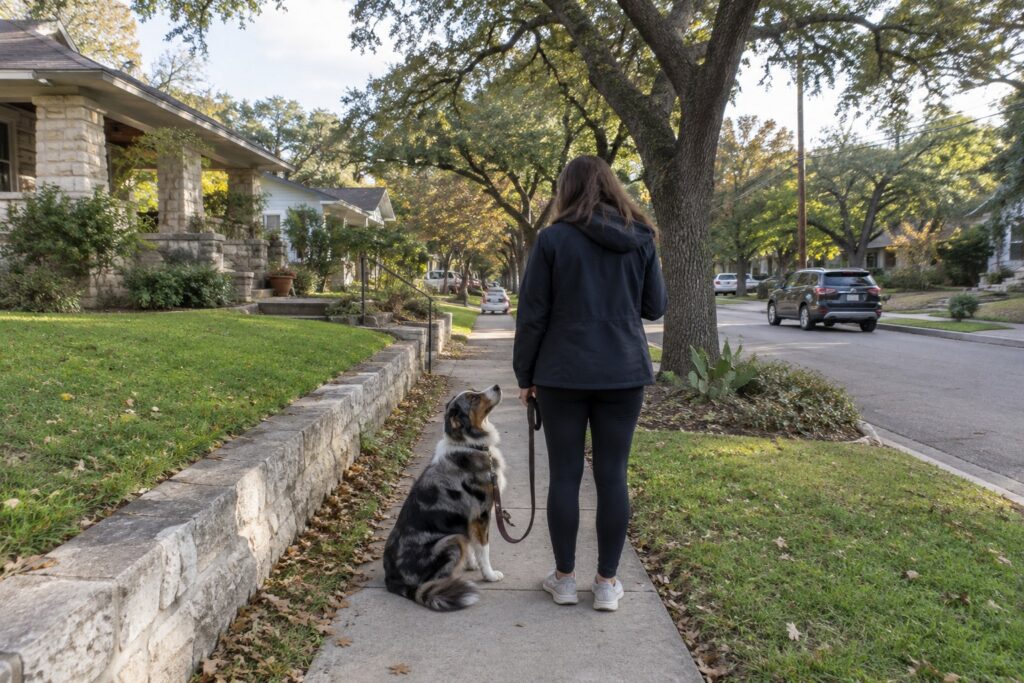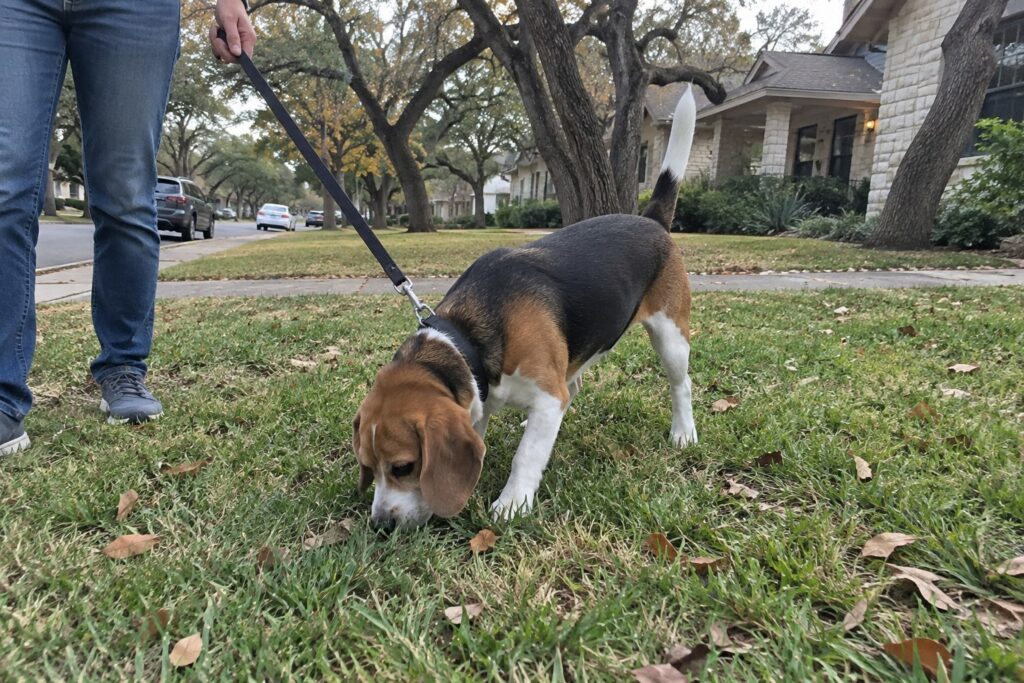

Dog aggression is one of the most stressful challenges a pet owner can face. Whether your dog growls at strangers, snaps during meals, or lunges at other dogs on the leash, aggressive behavior can feel alarming and overwhelming. The good news is that most cases of dog aggression are manageable with the right information and professional support.
At All Dogs Unleashed in Austin, TX, our behavior specialists work with dogs of all breeds and temperaments. Understanding what drives aggression is the first step toward helping your dog live a calmer, more balanced life.
Types of Dog Aggression
Dog aggression is not a single behavior. It comes in several distinct forms, each rooted in different motivations. Identifying the type is critical to addressing it effectively.
- Fear Aggression: The most common type. A dog that feels cornered, threatened, or unable to escape may react by growling, snapping, or biting. This often develops in dogs that have not been adequately socialized or have experienced trauma.
- Territorial Aggression: Some dogs become aggressive when they perceive a threat to their home, yard, or owner. This can involve barking, charging, or biting anyone who enters what the dog considers its space.
- Resource Guarding: A dog that aggressively protects food, toys, furniture, or a particular person is resource guarding. This behavior can escalate if not addressed early.
- Redirected Aggression: When a dog is overstimulated or frustrated and cannot reach the source of that frustration, it may redirect that energy toward a nearby person or animal.
- Pain-Induced Aggression: A dog in physical discomfort may bite or snap when touched, even by someone it trusts. This type is often overlooked until a medical issue is identified.
- Leash Aggression: Many dogs that are calm off-leash display aggressive behavior when on a leash. The restriction creates frustration and heightens reactivity toward other dogs or people.
- Dominance or Status Aggression: Some dogs challenge authority as a way to establish control over their environment or the people in it. This can manifest as growling when asked to move, stiffening during eye contact, or snapping at family members.
Common Triggers for Aggressive Behavior

Even when the type of aggression is known, pinpointing the triggers is essential for creating a behavior plan.
- New people or unfamiliar environments: Dogs that lack broad socialization may react defensively to strangers, new locations, or sudden changes.
- Other animals: Dogs with a history of negative interactions with other pets may become reactive on walks or during introductions.
- Loud or sudden noises: Fireworks, construction sounds, and thunderstorms are common triggers for fear-based reactivity in Austin dogs.
- Physical discomfort or illness: A dog in pain behaves differently. Rule out medical causes with a veterinary exam before pursuing behavioral intervention.
- Being startled while sleeping or eating: Interrupting a dog during rest or feeding can provoke a defensive response, particularly in dogs prone to resource guarding.
- High-energy or chaotic environments: Some dogs become overstimulated in crowded spaces or loud households, which raises their threshold for reactive behavior.
- Inconsistent handling: Dogs thrive with clear, consistent expectations. Inconsistency in training or household rules can create confusion and anxiety, which fuels reactivity.
What Owners Can Do
If your dog is showing signs of aggression, there are practical steps you can take before and alongside professional training.
- Stay calm and consistent. Dogs are highly attuned to their owner’s emotional state. Reacting with panic or frustration during an aggressive episode can escalate the behavior. Practice calm, steady leadership.
- Avoid punishment-based responses. Physically punishing an aggressive dog rarely resolves the underlying issue and often worsens it by increasing fear or resentment.
- Manage the environment. Until your dog has received professional guidance, reduce exposure to known triggers. Use leashes, muzzles, or barriers when necessary to keep everyone safe.
- Rule out medical issues. Schedule a vet visit to confirm your dog is not reacting to pain or an undiagnosed condition.
- Seek professional evaluation. Aggression is a complex behavioral issue that benefits from the assessment of a qualified trainer or behavior specialist. A professional can identify root causes, assess risk, and design a structured behavior modification plan.
For dogs with significant aggression concerns, board and training programs provide an immersive environment where behavior specialists work directly with your dog in a structured setting. Owners who prefer to work with their dog at home may benefit from in-home dog training, where a trainer addresses problems in the real-world context where they occur.
When Is Aggression a Serious Risk?
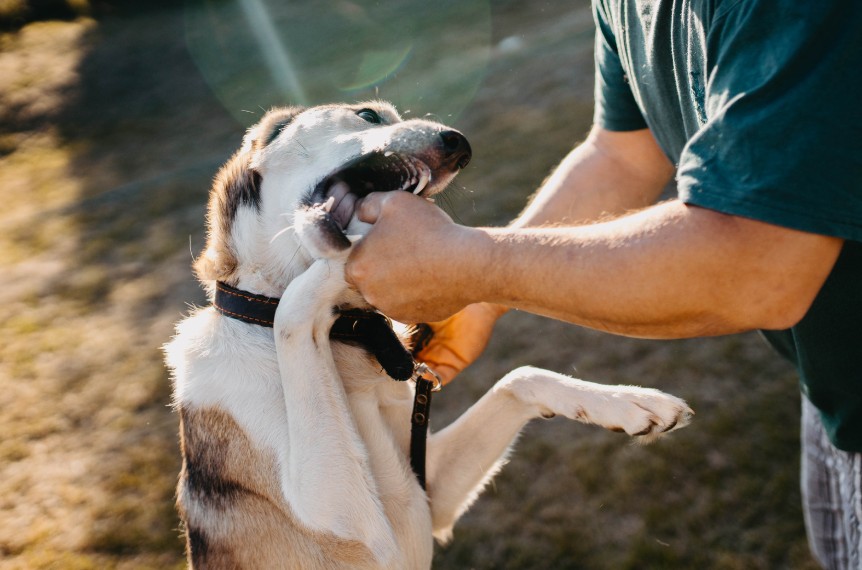
Not all aggression carries the same level of danger, but certain signs should prompt immediate professional involvement:
- Your dog has bitten a person or another animal and broken skin
- Biting or snapping is increasing in frequency or intensity
- Aggression is occurring in unpredictable situations with no clear trigger
- Children or vulnerable individuals are in the home
These situations call for professional guidance sooner rather than later. A behavior assessment can help clarify the level of risk and set a safe, realistic training path forward.
Austin Dog Owners: You Are Not Alone
Aggressive dog behavior is more common than many owners realize, and it is rarely the result of a “bad dog.” Most dogs that display aggression are responding to fear, pain, confusion, or unmet needs. With the right intervention, many dogs make meaningful progress.
The team at All Dogs Unleashed has extensive experience helping Austin dog owners navigate aggression issues across breeds and age groups. Whether your dog is reactive on leash, shows tension around food, or is struggling with fear-based responses, professional support can make a real difference.
Frequently Asked Questions
What is the most common type of dog aggression in Austin?
Fear aggression is the most commonly seen form. Many Austin dogs have not had adequate socialization, making them prone to defensive reactions when faced with unfamiliar people, animals, or situations.
Can an aggressive dog be trained?
Yes, in most cases. The success of behavior modification depends on the type of aggression, the dog’s history, the consistency of training, and the owner’s involvement. Many dogs with aggression issues make significant progress with professional guidance and structured training.
Should I try to handle my dog’s aggression on my own?
While there are steps owners can take to manage situations, aggression is a complex behavioral issue that benefits from professional evaluation. A qualified trainer can accurately assess the root cause and create a safe, effective plan.
What is the difference between board and training and in-home training for aggressive dogs?
Board and training means your dog stays with the trainers and receives intensive, consistent work throughout the day. In-home dog training brings the trainer to your home to address behavior in the actual environment where issues occur. Both are effective; the right choice depends on the dog’s needs and the owner’s goals.
How long does it take to see improvement in aggressive behavior?
Every dog is different. Some owners notice meaningful changes within weeks of starting a structured program. More deeply rooted behaviors may require several months of consistent work. A professional assessment can give you a realistic timeline based on your dog’s specific situation.
Is dog aggression more common in certain breeds?
Any dog of any breed can develop aggressive behavior, and it is rarely breed-specific. Aggression is far more closely tied to socialization history, past experiences, training consistency, and individual temperament than to breed alone.
When should I contact a professional about my dog’s aggression?
You should reach out to a professional as soon as aggression becomes a recurring issue or whenever safety is a concern. Early intervention generally leads to better outcomes. Contact All Dogs Unleashed in Austin at (512) 253-8819 to discuss your dog’s behavior and learn what options are available.
Ready to Get Help for Your Dog’s Aggression?
If you are in Austin and your dog is showing aggressive or reactive behavior, All Dogs Unleashed is here to help. Our behavior specialists work with dogs of all breeds and temperaments to identify root causes and create a structured path forward. Whether you are considering board and training or prefer in-home dog training sessions, reach out to the team at (512) 253-8819 or visit us at 3704 Mountain View Ave, Austin, TX 78734 to learn more about what is possible for your dog.