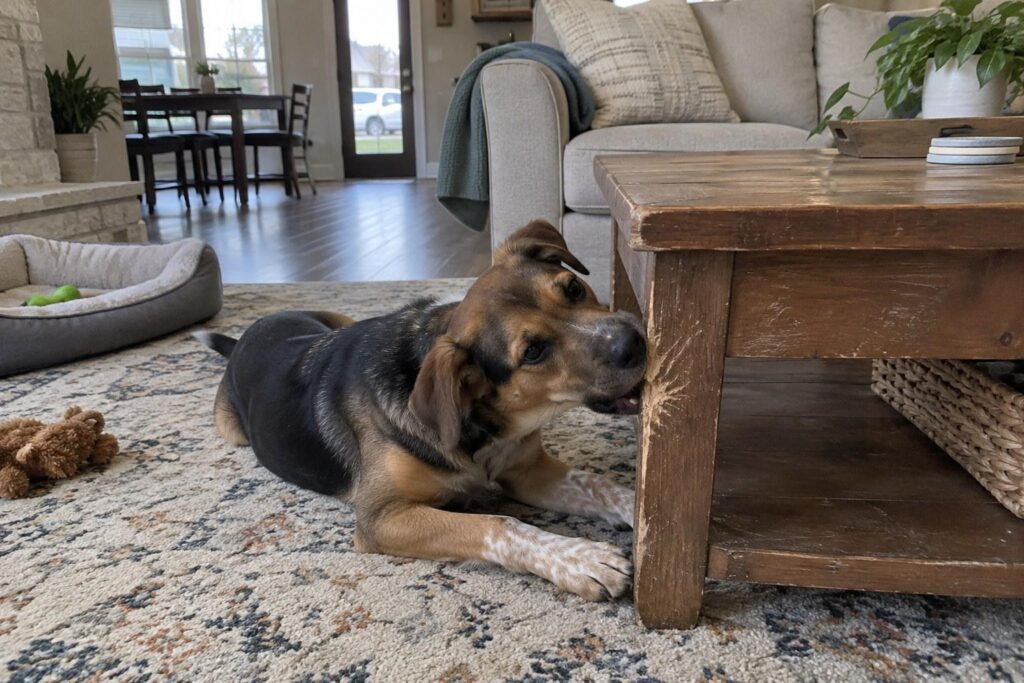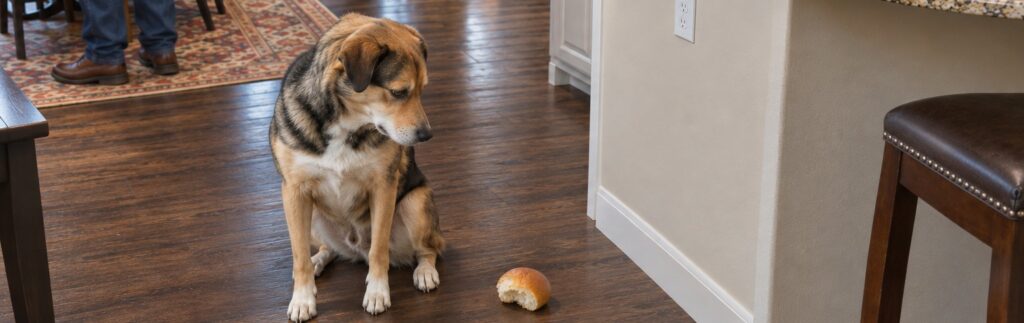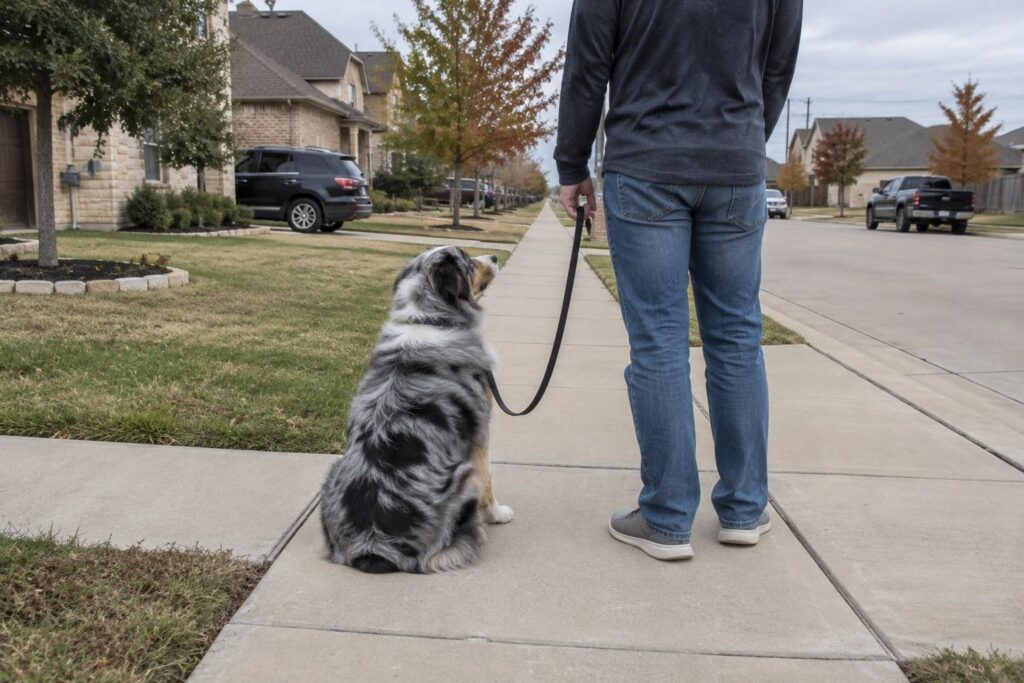

Good border collie training starts with the dog in front of you, not with a breed stereotype. Border collies were developed as herding dogs, and many of them notice movement, sound, and small changes in routine very quickly. That attentiveness can make them a joy to teach, and it can also make an untrained dog feel like a lot to live with.
At All Dogs Unleashed Dog Training Shreveport, we help owners build everyday manners with clear cues, fair structure, and plenty of practice. Below you will find the foundation skills that matter most, how to give your dog useful outlets, and how to teach a busy dog to settle at home.
Want a plan built around your own dog? Our team is happy to talk through your goals.
Key Takeaways
- Every border collie is an individual, so training should be based on your dog’s temperament, age, and habits rather than on breed generalizations.
- Clear, consistent cues and short, focused practice sessions help an attentive dog understand exactly what you are asking.
- Appropriate outlets such as structured walks, training games, and problem-solving activities give a busy mind something productive to do.
- Teaching your dog to settle calmly on a mat or in a crate is just as important as teaching active skills like recall.
- Our two-week Board and Train program and our private lessons both offer structured ways to build these skills with professional help.
Understanding Your Border Collie as an Individual
The American Kennel Club breed profile describes the border collie as a herding breed known for intelligence and a strong desire to work, and notes that these dogs do best with physical and mental engagement. That history is a useful context. It does not tell you exactly how your own dog will behave on a Tuesday afternoon in your living room.
Some border collies are intense and quick to react, while others are relatively mellow. Many fall somewhere in between, and their needs can change with age, health, and life at home. The best starting point is to watch your dog honestly and write down what you actually see.
Traits Owners Commonly Notice
Owners often describe their border collie as watchful, sensitive to body language, and eager to stay busy. Some dogs fixate on moving things like bikes, cars, or children running in the yard. Others may try to circle or nip at heels, which can be a form of herding behavior that needs gentle, clear redirection.
None of these traits are guaranteed. If your dog shows a few of them, that is simply information you can use to shape your training plan.
Why Breed Labels Only Go So Far
A breed description is a general summary, not a promise. Mixed-breed dogs with border collie ancestry may look the part and behave very differently. Shelter dogs may also carry habits from earlier homes that matter more than genetics.
If you recently brought home a rescue, our post on common training mistakes after adopting a dog in Shreveport covers patterns that apply to every breed. Focusing on the dog you have, rather than the dog you expected, keeps your expectations fair for both of you.
Health Comes First
Sudden changes in energy, sleep, appetite, or irritability can have medical causes. If something seems off, check in with your veterinarian before assuming it is a training problem. A comfortable dog is always easier to teach.
Foundation Skills for Border Collie Training
Strong foundations make every later skill easier. For most households, the essentials are attention, sit, down, place, loose-leash walking, a reliable recall, and a release cue that tells your dog when an exercise is over.
Attentive dogs often learn the pattern of a game faster than owners expect. That is a great reason to be precise, because they can also learn your mistakes quickly.
Building Clear, Consistent Cues
Pick one word for each behavior and have everyone in the house use the same one. If one person says “down” for lying down and another uses it for getting off the couch, your dog has to guess. Guessing creates frustration on both ends of the leash.
Say the cue once, help your dog succeed, and reward the right choice. Then practice in short sessions of a few minutes, ending while your dog still wants to keep going.
Teaching a Reliable Release
A release word such as “okay” or “free” tells your dog the job is done. Without one, many dogs make up their own rules about when a sit or place is finished. A clear release helps your dog relax into holding a position because the ending is predictable.
Practicing in Different Settings
A dog that sits perfectly in the kitchen may not sit at all in the front yard. Dogs do not automatically generalize skills, so practice in several rooms, then on your driveway, then on quieter walks. Add distractions slowly so your dog keeps winning.
| Skill | Why It Helps | Simple Starting Point |
|---|---|---|
| Attention or name response | Gives you a way to interrupt focus on moving objects | Say your dog’s name once and reward eye contact indoors |
| Place | Teaches a calm, defined spot to relax | Lure onto a mat or bed, reward, then release |
| Loose-leash walking | Makes daily walks more pleasant and safer | Reward your dog for staying near your side in a quiet area |
| Recall | Supports safety around yards and open spaces | Call from a short distance on a long line and reward generously |
| Leave it | Helps with chasing, scavenging, and fixation | Cover a treat in your hand and reward when your dog backs off |
Giving Your Dog Appropriate Outlets
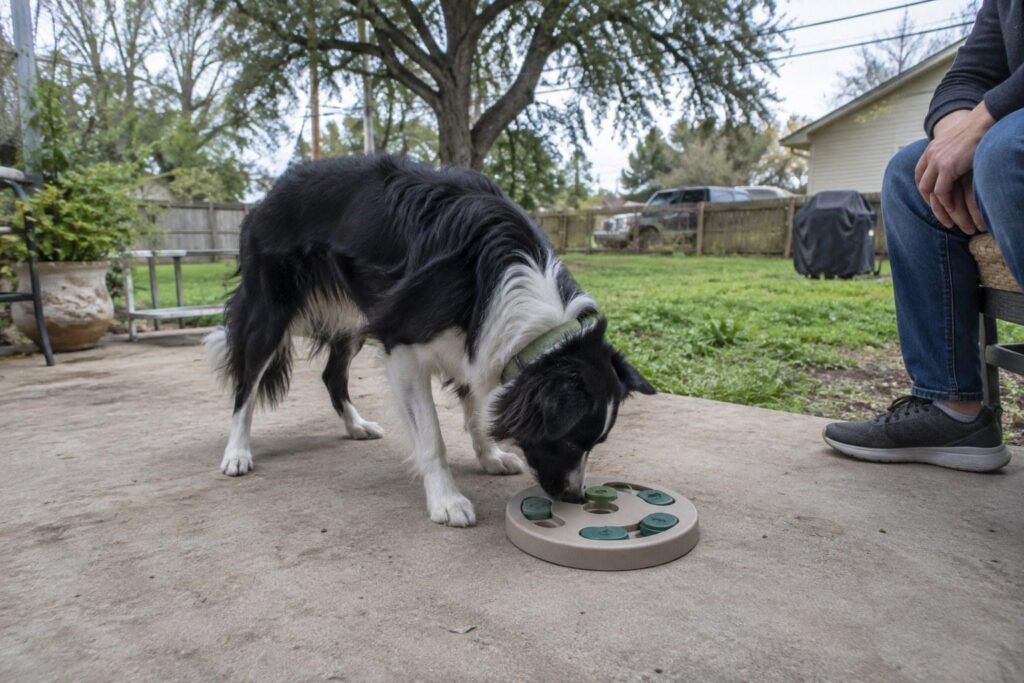
A dog with nothing to do will often find something to do, and you may not like the choice. Outlets give that drive somewhere useful to go. The right amount and type depend on your dog’s age, health, and personality, so talk with your veterinarian if you are unsure how much activity is appropriate.
More exercise is not always the answer. Some dogs simply get fitter and more wound up when every day is built around running. A balance of physical activity, thinking work, and real rest tends to work better.
Mental Work That Builds Good Habits
Short training sessions count as enrichment. So do food puzzles, scent games where your dog searches for hidden treats, and learning new tricks. These activities ask your dog to think and make choices, which can be tiring in a healthy way.
Try weaving training into everyday moments. Ask for a sit before meals, a down before you open the back door, and a short place before guests come in.
Structured Play Instead of Free-for-All Chasing
Fetch and tug can be great, but rules matter. Teach your dog to drop the toy, wait, and start again on your cue. Structured play builds impulse control rather than practicing endless arousal.
Indoor Practice for a Busy Day
Not every lesson needs to happen in the yard. A hallway or living room can work well for name response, place, and loose-leash foundations, while food puzzles and scent games add variety. Keep practice comfortable for your dog, offer water and rest, and choose a quieter setting when the yard is too distracting.
If you are considering structured, professional help to build these habits, our two-week Board and Train program gives your dog daily practice with clear guidance.
Teaching a Busy Dog to Settle Calmly
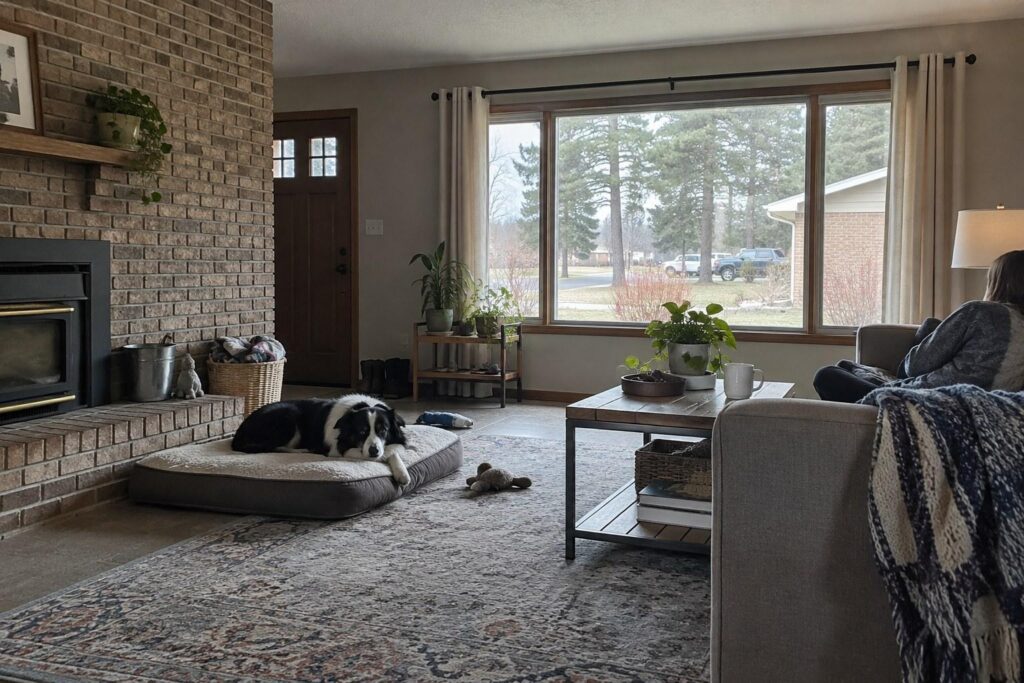
Many owners focus on the active skills and forget that calm is a skill too. A dog that can lie down and relax while you cook, work, or watch TV is much easier to live with. For attentive dogs, settling often needs to be taught on purpose.
Using Place and Crate Time
A place mat or bed gives your dog a clear job: stay here and relax. Start with a few seconds, reward calm body language, and release before your dog gets up on its own. Slowly build duration over days and weeks.
A crate can serve a similar purpose when introduced gradually and kindly. Our step-by-step post on crate training a dog into a calm routine walks through how to make the crate a comfortable spot rather than a punishment.
Reading Signs of Overstimulation
Watch for pacing, whining, staring at windows, or a dog that cannot stop moving. These can be signs your dog needs a break from stimulation, not more of it. A quiet room, a chew item, or a short sniff walk often helps reset the mood.
Creating a Predictable Daily Rhythm
Many dogs relax better when they know what comes next. Try to keep meals, walks, training, and rest at roughly similar times each day. Predictability helps an alert dog stop scanning for the next event.
| Time of Day | Activity Idea | Goal |
|---|---|---|
| Morning | Walk with loose-leash practice and a few minutes of sniffing | Physical activity and focus |
| Midday | Food puzzle followed by crate or place time | Mental work, then rest |
| Afternoon | Short training session on one skill | Build clarity and confidence |
| Evening | Structured play, then a calm settle on place | Release energy, then wind down |
Managing Common Challenges at Home
Even well-loved dogs develop frustrating habits. The good news is that most everyday problems improve with a clear plan, consistent management, and enough practice of the behavior you want instead.
Chasing and Fixation
Some border collies fixate on cars, bikes, cats, or kids. Prevent rehearsal first by using a leash, a fenced yard, and supervision. Then practice attention and leave it at a distance where your dog can still respond, rewarding every good choice.
Nipping at Heels
Heel nipping, especially around running children, is a behavior to address early and calmly. Teach kids to stop and stand still rather than run, and give your dog a different job such as going to place. Supervise closely, and ask a professional for help if nipping continues.
Reactivity or Sound Sensitivity
Some dogs bark, lunge, or panic at certain triggers. If this sounds familiar, our post on reactive dog training in Shreveport explains how structured work can help. If fear seems to drive the reaction, a professional trainer can help you build a gradual plan.
Puppies Versus Adult Dogs
Puppies need short sessions, lots of rest, and gentle exposure to new sights and sounds. Adult dogs may need more time to unlearn habits they have practiced for years. Our puppy training tips for new Shreveport owners cover the early months in more detail.
How Professional Training Can Help in Shreveport
Some owners are ready to keep working on their own. Others want structured help to get a clear start. Both are reasonable choices, and the right one depends on your dog, your schedule, and your goals.
Our Two-Week Board and Train Program
With our two-week Board and Train program, your dog stays at our facility and works through multiple structured training sessions each day. Trainers practice exercises in varied contexts so skills carry over, and supervised socialization is based on each dog’s temperament. In the final days, we focus on handler transition training so you learn to use the same cues at home.
Board and Train graduates receive guaranteed results and lifetime support at no additional cost. You can read about how to prepare your dog for Board and Train before the stay begins.
Private Lessons and In-Home Training
If you prefer to learn alongside your dog, private lessons and in-home training let you work on specific goals in a one-on-one setting. This can be a good fit for owners who want to focus on household manners or particular routines.
Refresh Training and Boarding
We also offer refresh training to brush up on skills over time, along with boarding when you travel. You can compare options on our Shreveport dog training programs page.
| Option | Format | Good Fit For |
|---|---|---|
| Board and Train | Fixed two-week stay with daily structured sessions | Owners who want a strong, guided start |
| Private Lessons | One-on-one sessions with you and your dog | Owners who want to learn hands-on |
| Refresh Training | Follow-up practice on existing skills | Dogs who need a tune-up |
Have questions about which path suits your dog? Call us at (318) 593-7321 and we will help you sort through the options.
About All Dogs Unleashed Dog Training Shreveport
All Dogs Unleashed Dog Training Shreveport helps local dog owners build practical, everyday obedience through clear communication and structured practice. Our services include a fixed two-week Board and Train program, private lessons and in-home training, refresh training, and boarding. We work with each dog as an individual, which matters for attentive, busy dogs like many border collies. Our goal is a dog that listens, settles, and fits comfortably into your family’s routine at home and around town.
Frequently Asked Questions
Are border collies easy to train?
Many border collies learn quickly because they are attentive and enjoy having a job, but that does not mean every dog is easy. Quick learners can pick up bad habits just as fast as good ones. Consistent cues, short sessions, and good timing usually matter more than breed when it comes to steady progress.
How much exercise does a border collie need?
It depends on the individual dog’s age, health, and temperament. The AKC notes the breed generally does best with physical and mental engagement, but more running is not always better. Combine walks, training games, and real rest, and ask your veterinarian what level of activity is appropriate for your particular dog.
How do I stop my border collie from nipping at heels?
Start by preventing the situations that trigger it, such as kids running in the yard without supervision. Teach children to stand still, and give your dog an alternative job like going to its place. Reward calm choices. If nipping continues or seems to escalate, working with a professional trainer is a sensible next step.
When should I start training my border collie puppy?
You can start gentle training as soon as your puppy comes home. Focus on name response, short sits, crate comfort, and calm handling. Keep sessions brief and positive, and allow plenty of sleep. Ask your veterinarian about vaccination timing before visiting public places where many unknown dogs spend time.
Can Board and Train help an adult border collie?
Yes, adult dogs can benefit from structured training. Our two-week Board and Train program includes multiple daily sessions, practice in varied contexts, and handler transition training in the final days. Results depend on each dog, and consistent follow-through at home helps the new habits last. Board and Train graduates also receive lifetime support.
How do I help my border collie calm down at home?
Teach settling as a skill. Practice a place cue with short, rewarded periods of calm, build crate comfort gradually, and keep a predictable daily routine. Offer mental work like food puzzles before rest time. If restlessness seems sudden or extreme, check with your veterinarian to rule out a medical cause.
Thoughtful border collie training comes down to knowing your individual dog, using clear cues, providing healthy outlets, and teaching calm on purpose. If you would like help, call (318) 593-7321 or reach out online to talk with our team about our location at 1220 Shreveport Barksdale Hwy, Shreveport, LA 71105.
Ready to Get Started with All Dogs Unleashed Dog Training Shreveport?
Your dog’s best habits start with a clear plan. Visit All Dogs Unleashed Dog Training Shreveport at 1220 Shreveport Barksdale Hwy, Shreveport, LA 71105, (318) 593-7321, or our Bossier City location at 4500 Benton Rd, Suite 200, Bossier City, LA 71111, (318) 562-6536, to discuss Board and Train, private lessons, or refresh training.