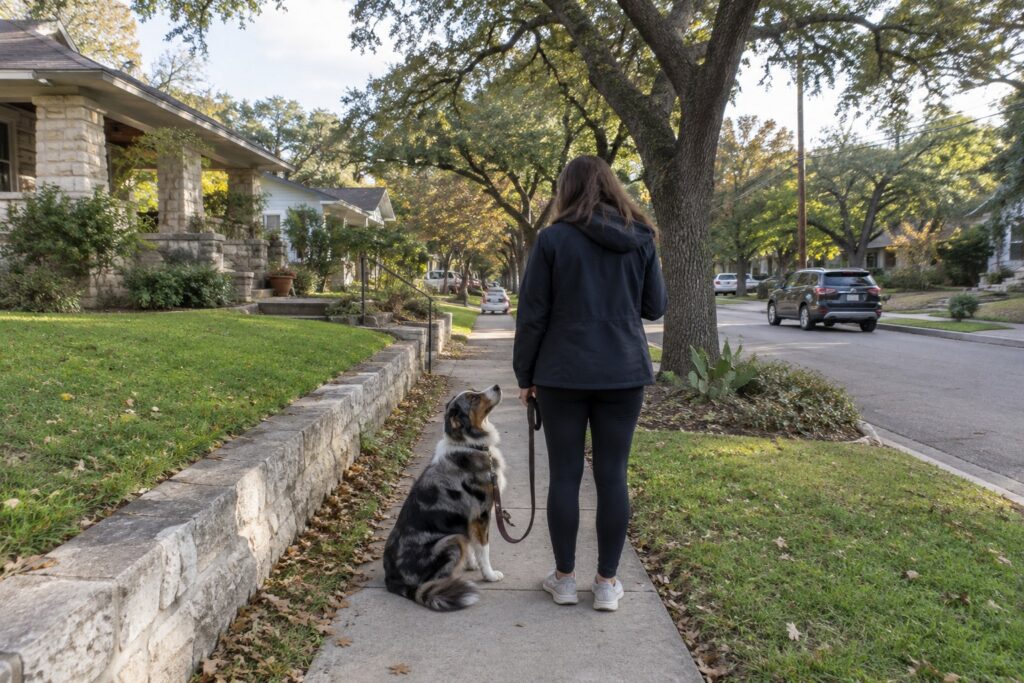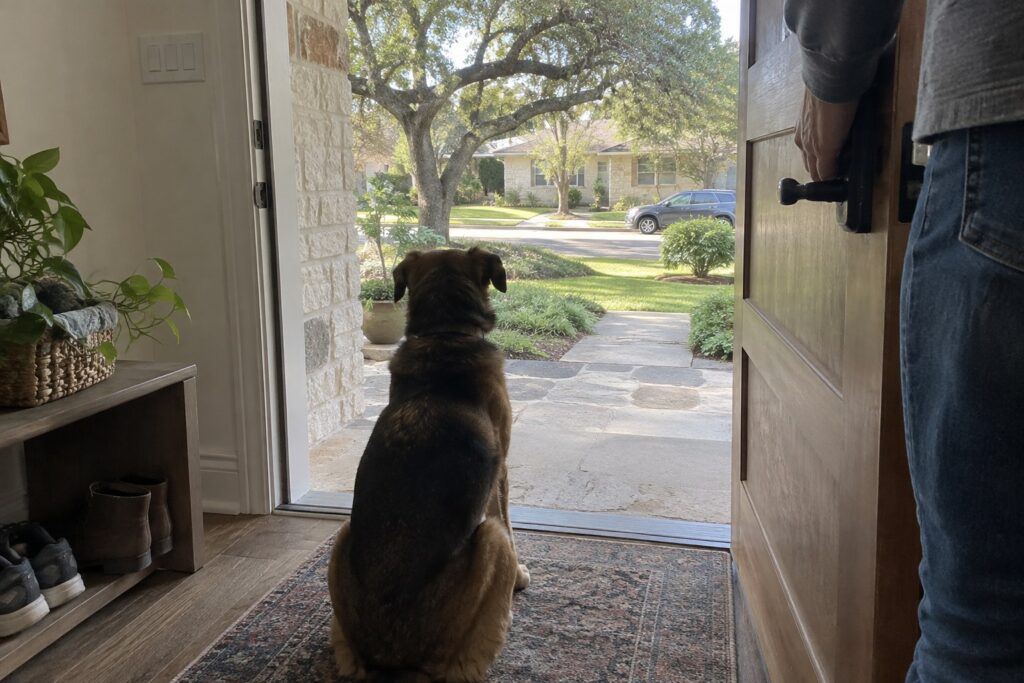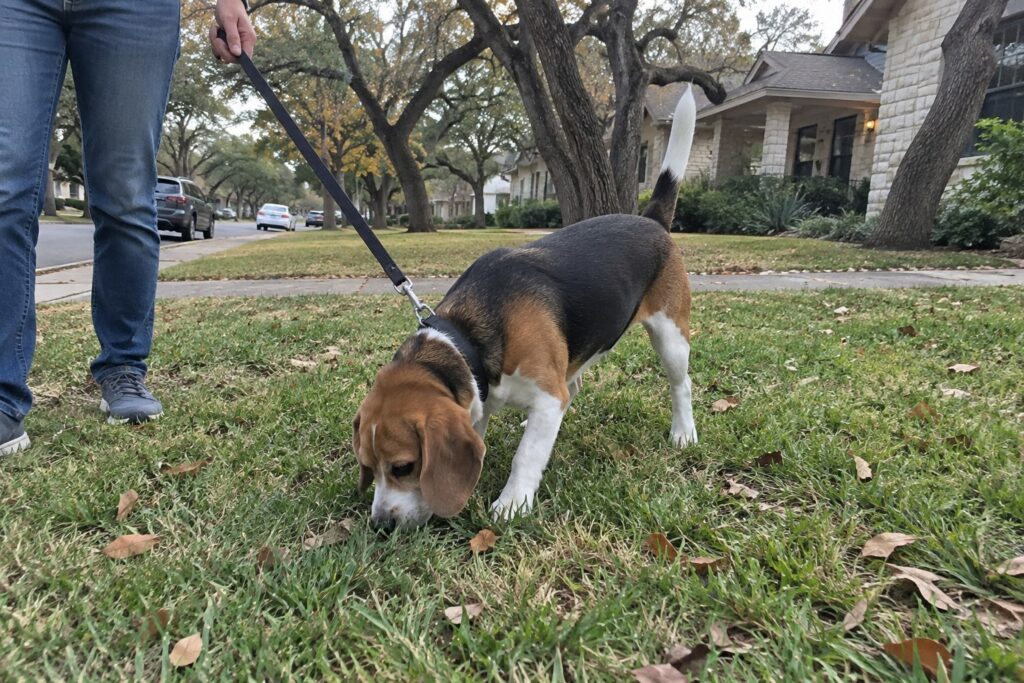

Bringing a dog into your home is one of the most rewarding experiences you can have. It is also one that comes with real responsibilities, especially when it comes to behavior. Whether you have a brand-new puppy or an adult dog with some ingrained habits, starting a training program is one of the best investments you can make in your relationship with your dog.
Austin is a fantastic city for dogs. The parks, trails, patios, and social culture here mean your dog will regularly encounter new people, other animals, and unpredictable environments. That is exactly why training matters so much in a city like this. A dog who is not prepared for these situations can become stressed, reactive, or simply difficult to manage in daily life.
Before you start searching for training programs, it helps to go in with realistic expectations and a solid understanding of how the process works. All Dogs Unleashed has worked with Austin dog owners across every experience level, and the following seven insights come directly from that experience. Knowing these things before you begin will make your training journey significantly more effective.
1. Training Is About Communication, Not Compliance
One of the most common misconceptions about dog training is that it is purely about getting a dog to obey commands. In reality, training is about building a shared language between you and your dog. When your dog understands what you are asking, and when they trust that cooperating leads to good things, reliable behavior follows naturally.
This framing matters because it affects how you approach training sessions. Instead of trying to dominate or punish your dog into compliance, the most effective methods focus on clear communication, consistent expectations, and motivating your dog to want to engage with you.
2. Every Dog Learns at a Different Pace
Some dogs pick up new skills quickly. Others need more time and repetition. Age, breed, temperament, and previous experiences all influence how a dog responds to training. An eight-week-old puppy and a five-year-old rescue dog are working from completely different starting points.
Understanding this from the beginning helps prevent frustration. Progress may look different from one dog to the next, and that is completely normal. What matters most is consistency and patience over time, not how quickly your dog masters a particular skill.
3. Your Behavior Matters as Much as Your Dog’s
Dogs are exceptionally perceptive. They pick up on your emotional state, your body language, and the consistency of your responses. If you are anxious, inconsistent, or inadvertently rewarding unwanted behaviors, those patterns will show up in your dog’s behavior.
Training sessions with a professional will often include coaching for the owner as much as the dog. Be prepared to examine your own habits and communication style. Many behavior issues that seem like the dog’s problem turn out to have a strong human component.
4. Consistency at Home Is Non-Negotiable
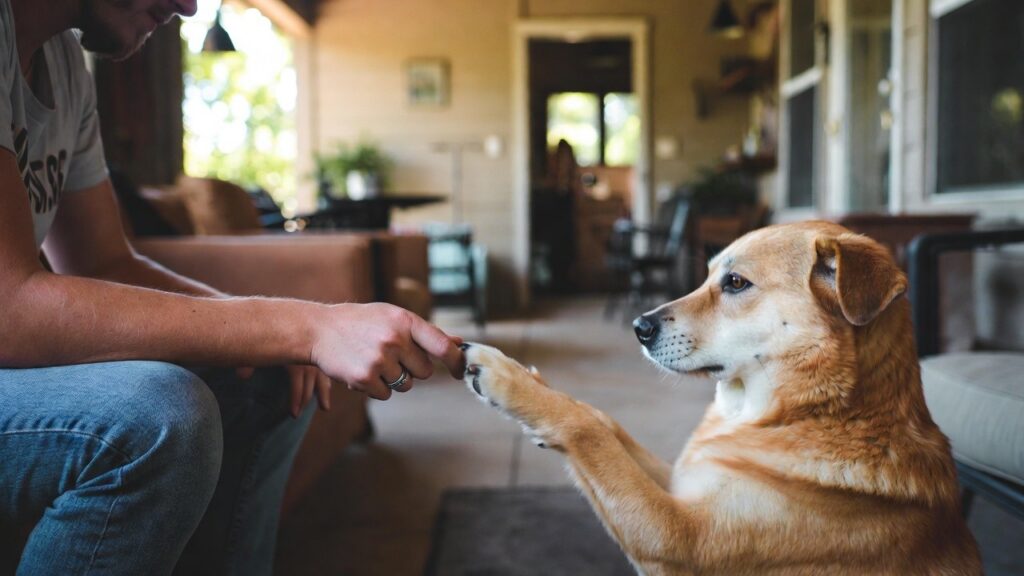
Even the most effective training program will not produce lasting results if the lessons are not reinforced at home. Dogs generalize skills through repetition across different contexts, people, and environments. If your trainer teaches your dog to sit and stay, but no one at home enforces that expectation, the behavior will not hold.
Before starting a training program, have a conversation with everyone in your household about the rules and expectations. Agreeing on consistent language, boundaries, and responses to behavior ensures that your dog is getting the same message from everyone.
5. The Training Format Should Match Your Goals
Dog training is not one-size-fits-all. Group classes, one-on-one sessions, board and train programs, and in-home training each serve different purposes and suit different situations.
If you have a busy schedule and need fast results, a board and train program may be the most efficient path. If your dog has specific behavior issues that occur at home, in-home training can address them in the environment where they actually happen. Group classes are great for socialization and foundational skills, but they may not address more complex individual needs.
Take time to identify your specific goals before selecting a program. A good trainer will help you choose the right format based on your dog, your lifestyle, and what you are trying to achieve.
6. Early Training Prevents Bigger Problems Later
Many dog owners wait until a behavior problem becomes serious before seeking help. By that point, the behavior has often been reinforced for months or years and is significantly harder to change.
Starting training early, whether with a puppy or a newly adopted adult dog, prevents problem behaviors from becoming established in the first place. Even dogs with no obvious issues benefit from foundational training. The investment made early pays dividends for the entire life of the dog.
7. Professional Guidance Accelerates Results
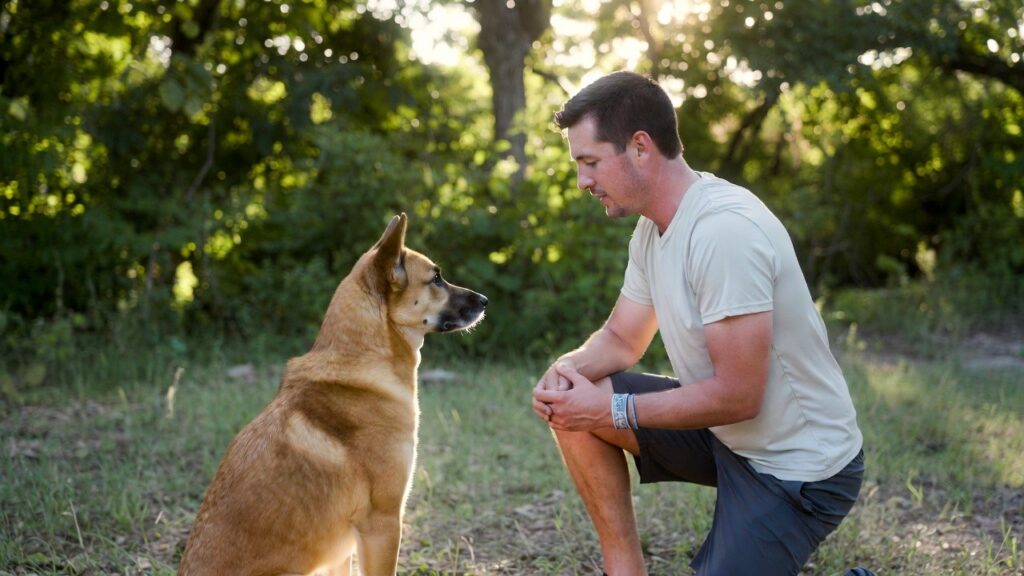
There is a lot of training advice available online, and some of it is genuinely useful. But there is no substitute for working with a professional who can assess your specific dog, identify the root causes of behavior issues, and build a training plan around your dog’s individual needs.
Professional trainers also catch errors in technique that are almost impossible to identify on your own. Small inconsistencies in timing, rewards, or cues can significantly slow progress. A good trainer corrects these in real time, preventing bad habits from forming in the training process itself.
Start Your Dog’s Training Journey in Austin
Whether you are just getting started or working through a specific challenge, professional training makes all the difference. Reach out to All Dogs Unleashed today and speak with a trainer about the right program for your dog. Call us at (512) 963-6017 to schedule an evaluation.
Frequently Asked Questions
How old does a dog need to be to start training?
Training can begin as early as eight weeks of age. Puppies are highly receptive to learning and this is the ideal time to establish good habits. Adult dogs can absolutely be trained as well, but earlier intervention generally produces faster results.
How long does it take to see results from dog training?
This depends heavily on the behavior being addressed, the dog’s age and temperament, and how consistently the training is reinforced at home. Many owners notice improvement within the first few sessions. More complex behavior issues may take several weeks or months to fully resolve.
What is the difference between board and train and weekly lessons?
Board and train involves your dog staying at the facility while they work with trainers daily. This format produces faster initial results because training happens in a concentrated, distraction-controlled environment. Weekly lessons keep your dog at home and rely more heavily on owner follow-through between sessions.
Is dog training worth the cost?
For most dog owners, professional training is one of the most cost-effective investments they make. The alternative, living with a dog whose behavior is unmanageable or deteriorating, affects quality of life significantly. Training also prevents damage to property, reduces stress, and strengthens the bond between owner and dog.
What should I do to prepare for my first training session?
Bring your dog on a regular schedule for a few days before your appointment to reduce anxiety from unfamiliar environments. Avoid feeding your dog a large meal immediately before the session, as a slightly hungry dog is often more motivated by food rewards. Bring a list of specific behaviors you want to address.
Can older dogs be trained effectively?
Yes. While it may take more patience and consistency, adult and senior dogs can absolutely learn new behaviors and unlearn problematic ones. The idea that old dogs cannot learn new tricks is not accurate. Age should not deter anyone from seeking training for their dog.
About All Dogs Unleashed
All Dogs Unleashed is a professional dog training company located at 111 Congress Ave. #201, Austin, TX 78701 serving the Austin, TX area. We offer a full range of services including dog boarding, daycare, grooming, in-home training, and structured board and train programs.
Business Name: All Dogs Unleashed
Address: 111 Congress Ave. #201, Austin, TX 78701
Phone: (512) 963-6017
Website: https://www.alldogsunleashed.com/austin/