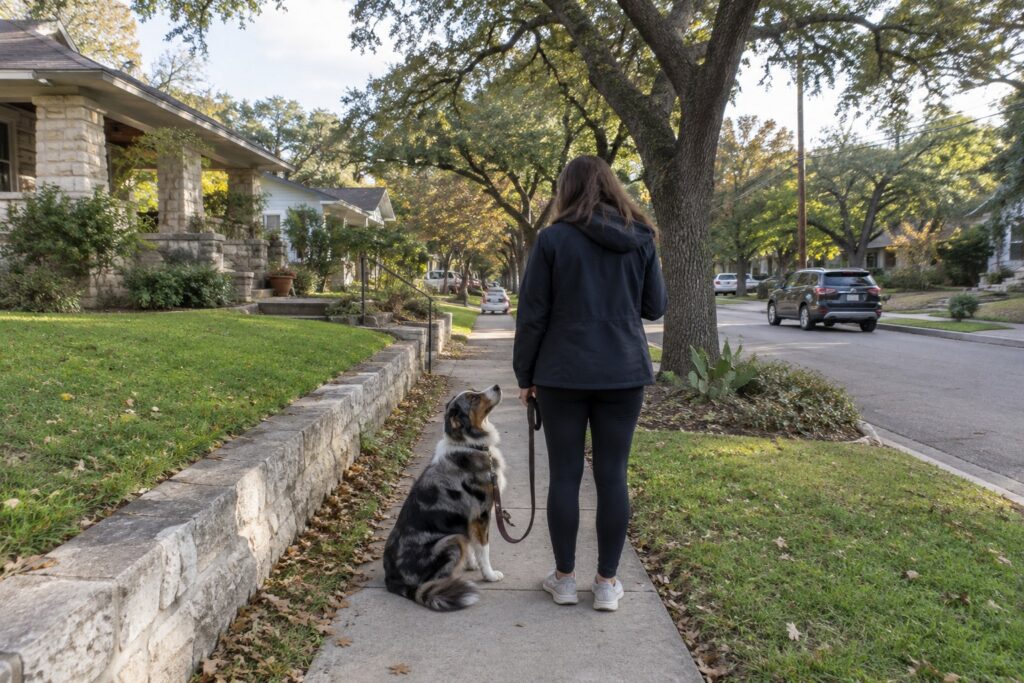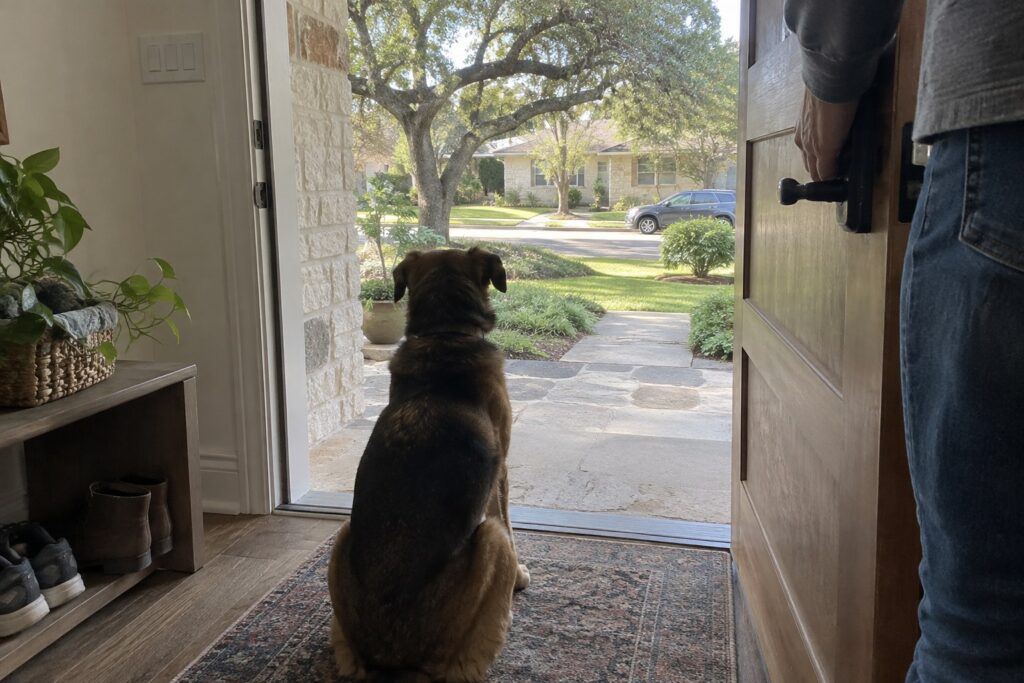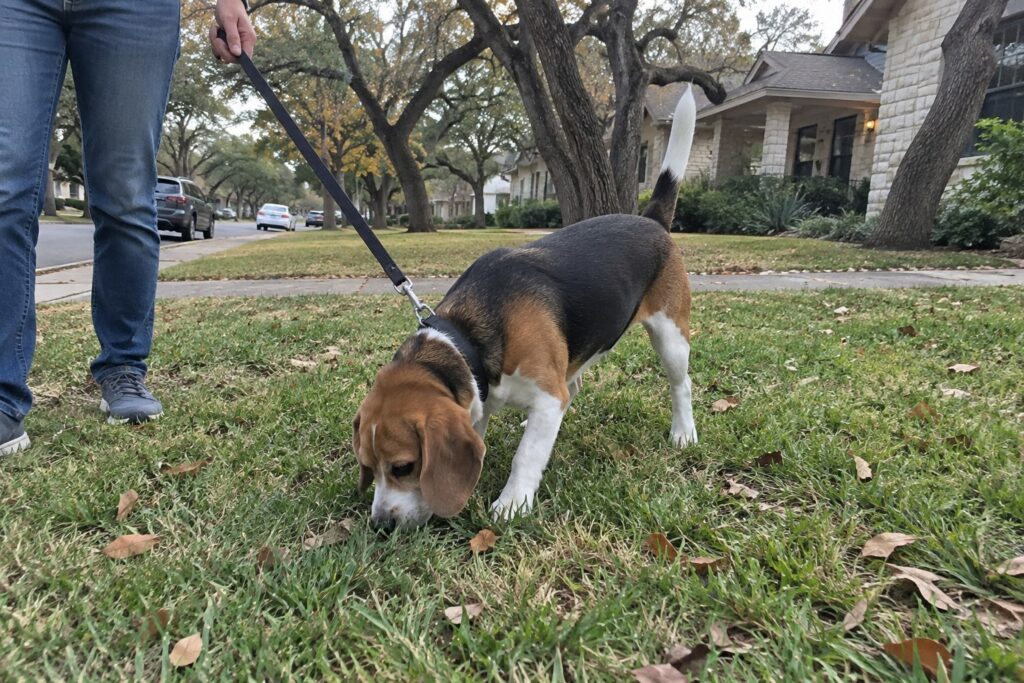

Austin is a city that embraces dogs. From Barton Springs to the walking trails around Lake Travis, dogs are a visible part of daily life here. But an enjoyable experience in public starts at home, with a solid foundation in basic obedience. When a dog understands a handful of core commands, life gets easier for everyone involved.
This guide covers the most important commands to teach your dog, why each one matters, and how consistent training programs can reinforce them over time.
Why Basic Obedience Matters in Austin
Austin’s active outdoor culture means dogs frequently encounter distractions: other dogs, joggers, cyclists, wildlife, and crowds. A dog with no obedience foundation can quickly become difficult to manage in these environments.
Beyond public settings, basic commands create structure at home. They reduce jumping, bolting through doors, pulling on leash, and other behaviors that wear owners down. Obedience training is not about control for its own sake. It builds communication between dog and owner, and that communication makes the relationship better.
The Core Commands Every Dog Needs
Sit
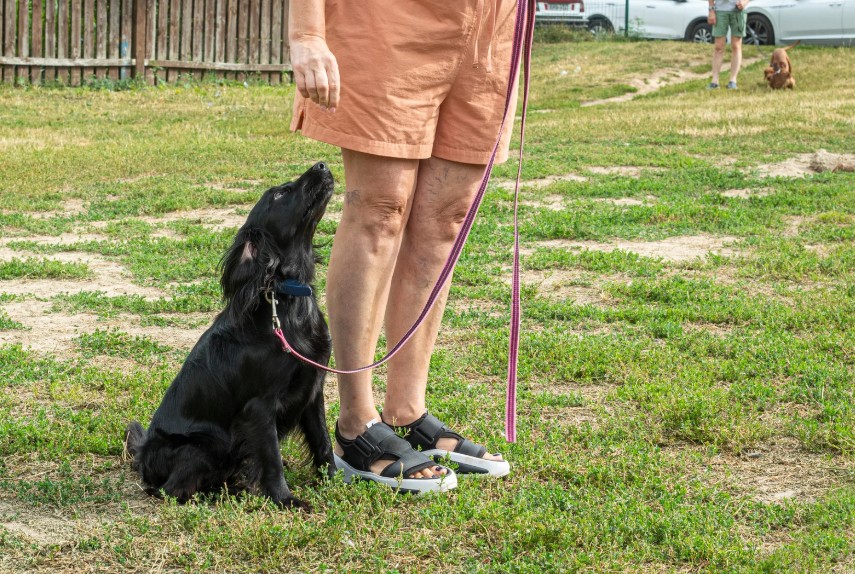
Sit is usually the first command taught because it is simple to shape and immediately useful. Asking a dog to sit before crossing the street, before receiving food, or before greeting a visitor establishes calm and deference. It interrupts momentum and gives the dog something constructive to do.
Stay
Stay teaches impulse control. A dog that will hold a sit or down while the owner steps away is a dog that is not bolting out the front door or charging at approaching strangers. Duration, distance, and distraction are all built gradually.
Down
Down is a more submissive position than sit, making it useful for longer stays or calming an excited dog. Many trainers use down as a default behavior during meals, when guests arrive, or whenever a dog needs to settle.
Come (Recall)
Recall may be the most important safety command a dog can learn. A reliable recall means that when a dog slips a leash or wanders off on a trail, the owner can get them back quickly. Building a strong recall requires positive reinforcement and consistent practice across different environments.
Leave It
Austin neighborhoods have plenty of hazards: food scraps near restaurant patios, wildlife, and trash. Leave it teaches a dog to disengage from something in the environment on cue. A well-trained leave it can prevent ingestion of dangerous items.
Heel / Loose Leash Walking
Leash manners are among the most common complaints from dog owners. A dog that pulls constantly makes walks unpleasant and can cause injury over time. Teaching heel or loose leash walking means the dog checks in with the handler rather than forging ahead.
Place / Go to Your Spot
Place teaches a dog to go to a designated location and stay there. It is especially useful when guests arrive, during meals, or when the owner needs the dog settled while doing something else. It gives the dog a clear expectation rather than leaving them to figure out what is wanted.
Tips for Teaching Commands at Home
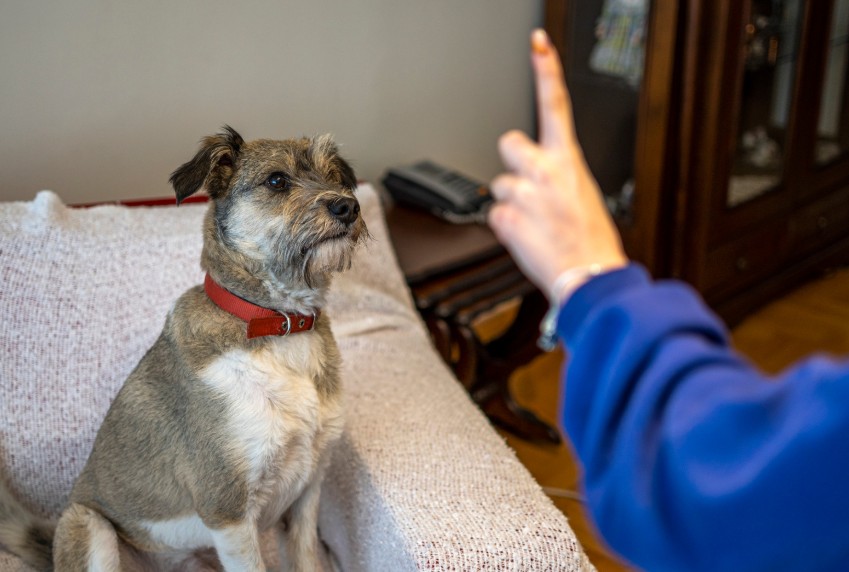
Consistency matters more than session length. Short, frequent sessions (5 to 10 minutes) are more productive than occasional long ones. A few principles worth following:
- Use the same cue word every time: Switching between “down,” “lay down,” and “lie down” confuses the dog.
- Mark the correct behavior quickly: Whether using a clicker or a verbal marker like “yes,” the timing of the mark communicates exactly what the dog did right.
- Reward generously in early stages: As the dog learns, rewards can become less frequent, but early training should be heavily reinforced.
- Proof behaviors in different environments: A dog that sits reliably in the kitchen may not sit in a busy park. Practice in varied settings builds a durable command.
- Keep frustration out of training: If a session is not going well, end on something the dog knows well and try again later.
When to Seek Professional Help
Some dogs progress quickly with owner-led training. Others have specific challenges, such as reactivity, fear, resource guarding, or a history of inconsistent handling, that make professional support worthwhile.
Professional trainers can evaluate the dog’s behavior in context, identify the root of a problem, and build a training plan that matches the dog’s learning style and the owner’s lifestyle. Board and train programs offer intensive support where the dog receives structured training every day, with skills transferred back to the owner at the end.
Setting Realistic Expectations
Basic obedience does not happen overnight. A puppy or newly adopted dog may need weeks of consistent work before commands become reliable. Adult dogs with no prior training history may take longer. Dogs with prior trauma or behavioral history may have specific needs that require more targeted approaches.
What matters most is consistency over time. Dogs learn through repetition and clear communication. When an owner puts in steady work and sets clear expectations, most dogs respond.
Frequently Asked Questions
How long does it take a dog to learn basic obedience commands?
Most dogs can learn the basics of sit, down, and stay within a few weeks of consistent daily training. Reliability in distracting environments takes longer, often several months of ongoing practice.
What is the best age to start obedience training in Austin?
Puppies can begin learning simple commands as early as 8 weeks. Early socialization and training set the foundation for adult behavior. Adult dogs are also fully capable of learning, though habits may take longer to change.
Should I use treats for obedience training?
Food rewards are one of the most effective tools for teaching new behaviors, especially in early training. Over time, rewards can be varied to include praise, play, and real-life rewards such as being allowed to greet another dog.
What is the difference between obedience training and behavior modification?
Obedience training teaches a dog what to do on cue. Behavior modification addresses why a dog behaves a certain way and works to change the underlying emotional response. Many dogs benefit from both, especially those with reactivity or anxiety.
Can I train my dog at home without a professional trainer?
Many owners successfully teach basic commands at home. Professional help is most valuable for dogs with behavioral challenges, for owners who are struggling with consistency, or when the dog’s behavior creates safety concerns.
What makes basic obedience training in Austin different?
Austin’s environment, outdoor lifestyle, and dense social activity mean dogs face constant distractions. Training that accounts for these real-world conditions, including busy streets, dog-friendly patios, and crowded parks, prepares dogs for the actual situations they encounter here.
Ready to Get Started?
All Dogs Unleashed offers structured obedience training for Austin dogs at every stage. Whether you are starting with a new puppy or working with an adult dog that needs a stronger foundation, the team can build a plan that fits your goals.
Reach out at (512) 253-8819 or stop by at 3704 Mountain View Ave, Austin, TX 78734.