
Good dachshund training rarely comes down to one big breakthrough. It usually comes from small, steady habits that make the right choice easy for your dog to repeat. A Dachshund can be bright, affectionate, and eager to engage, and like any dog, each one brings its own personality, energy level, and history to the work.
At All Dogs Unleashed Dog Training Shreveport, we help local owners build calm, reliable manners through clear structure and positive practice. Below you will find the everyday routines that tend to help most, from short reward-based sessions to house rules, leash skills, and a recall you can count on more often.
Want a plan built around your own dog? Our team is happy to talk through your goals and the training options that fit your household.
Key Takeaways
- Every Dachshund is an individual, so it helps to train the dog in front of you rather than a breed stereotype.
- Short, upbeat sessions with clear rewards tend to keep a small hound focused and willing to try again.
- Consistent house rules shared by everyone in the home make good manners easier to learn and keep.
- Recall and loose-leash walking deserve daily practice because a scent or a squirrel can pull attention quickly.
- Professional help, such as our two-week Board and Train program or private lessons, can give owners a structured head start.
Start With the Dog in Front of You
It is easy to read a few breed descriptions and decide your Dachshund will be stubborn, vocal, or hard to housetrain. Those labels can become self-fulfilling. A better starting point is to watch your own dog for a week and take honest notes about what motivates them, what distracts them, and when they seem most ready to learn.
What Breed History Can and Cannot Tell You
The American Kennel Club describes Dachshunds as determined, highly intelligent hounds that were bred to hunt underground, and notes that positive lessons can speed learning (AKC guidance on training a Dachshund puppy). That background may explain why some Doxies love to dig, sniff, or follow a moving critter.
Breed history is a general tendency, not a promise. Some Dachshunds are laid back and people-focused, while others are busy and curious. Your training plan should respond to what your dog actually does, not to what you expected them to do.
Find What Your Dachshund Will Work For
Motivation is the fuel for every lesson. Many dogs work happily for small, soft treats, but some prefer a quick game, a favorite toy, or a chance to sniff a patch of grass. Try a few options and rank them from “nice” to “can’t resist.”
Save the highest-value rewards for the hardest jobs, like coming away from a squirrel in the yard. Use everyday rewards, such as praise or a piece of kibble, for easy behaviors your dog already knows well.
Notice Your Dog’s Best Learning Times
Most dogs learn better when they are neither overtired nor bursting with energy. A short walk or sniff session before practice can take the edge off. Right after a big meal or a long nap may not be ideal. Pay attention to when your dog seems alert and relaxed, and plan your sessions around those windows.
Reward-Based Dachshund Training That Keeps Sessions Short
Positive, reward-based practice helps your dog understand exactly what earns good things. When your Dachshund sits, settles, or comes when called, a well-timed reward tells them to repeat it. Over time, you can fade food rewards into praise and real-life privileges.
Keep Repetitions Brief and Clear
The AKC notes that Dachshund puppies have short attention spans and suggests keeping sessions to about five minutes. Even adult dogs often do better with several short sessions spread through the day than with one long one. Aim for a handful of clean repetitions, then stop while your dog is still interested.
Use one cue per behavior and say it once. If you repeat “sit, sit, sit,” your dog may learn that the real cue is the third “sit.” If they do not respond, make the task easier and try again.
Mark the Moment
Timing matters more than treat size. A quick marker word like “yes” at the exact moment your dog does the right thing bridges the gap until the reward arrives. This helps your dog connect the behavior with the payoff, especially for small actions like eye contact or a paw on the floor instead of on your leg.
A Simple Session Plan
Structure keeps practice from turning into a guessing game. The table below shows one way to split a short session.
| Session Step | About How Long | What You Do |
|---|---|---|
| Warm-up | 30 seconds | Ask for an easy behavior your dog knows and reward it. |
| Main skill | 2 to 3 minutes | Practice one new or harder skill in a few short sets. |
| Easy win | 30 seconds | Return to something simple so the session ends on success. |
| Break | A few minutes or longer | Let your dog sniff, rest, or play before any further practice. |
For more ideas on early routines, our puppy training tips for new Shreveport dog owners cover schedules, socialization, and first commands.
Household Manners That Make Daily Life Easier
Most of what you want from your Dachshund happens at home. Good manners at the door, on the couch, and at the dinner table make life calmer for everyone. These habits are built through the same short, positive repetitions, practiced in the rooms where problems actually show up.
Set House Rules Everyone Follows
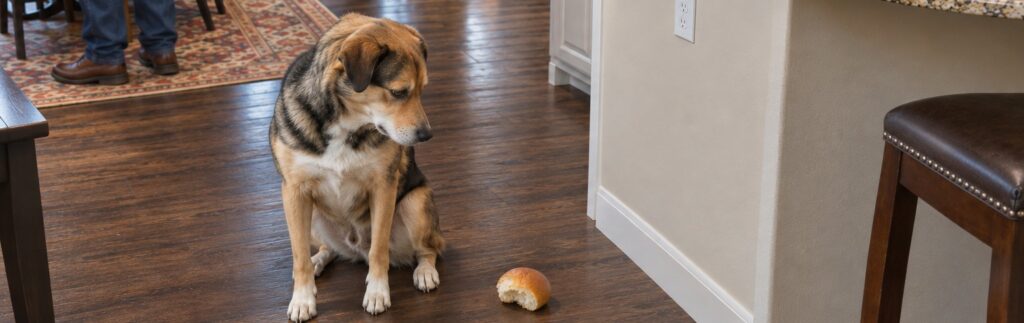
Decide as a household what is allowed. Is your dog welcome on the sofa? Do they get table scraps? Where do they wait when someone knocks? If one person allows something and another forbids it, your dog receives mixed messages and progress slows.
Write the rules down and post them where the family can see them. Agree on the same cue words, too, so “off” and “down” do not mean different things to different people.
Housetraining and the Crate
The AKC recommends starting housetraining on the first day with a regular schedule and plenty of praise, and taking your pup to the same potty spot each time. A crate can support that routine by giving your dog a calm, safe place to rest.
If you are starting from scratch, our post on crate training a dog into a calm routine walks through the process step by step. Keep the crate pleasant and never use it as punishment.
Barking, Jumping, and Door Manners
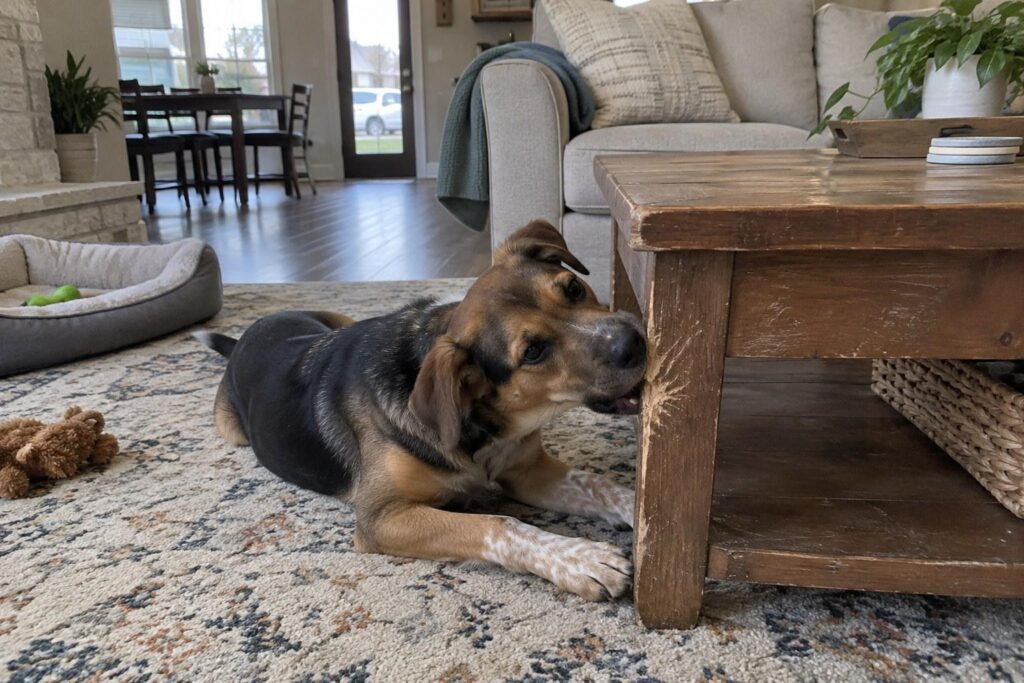
Some Dachshunds are alert watchdogs, and some are not. If your dog barks or rushes the door, practice a “go to your spot” behavior when no one is actually visiting. Reward calm waiting, then add a gentle knock, then a family member stepping inside. Build difficulty slowly.
For jumping, reward four paws on the floor and keep greetings low-key. New adopters may also find it helpful to review these common training mistakes to avoid after adopting a dog, since many of them affect household manners.
Give Natural Behaviors an Outlet
The AKC points out that searching underground comes naturally to many Doxies and suggests designating a separate digging area if you care about your lawn. Offering a sandbox or a designated corner of the yard, plus sniffing games indoors, can redirect energy toward choices you are happy with.
When home routines feel stuck despite your best effort, a structured reset can help. Our two-week Board and Train program gives your dog multiple structured sessions every day, with trainers varying exercise contexts so new skills carry over to different settings.
Recall Foundations for a Scent-Driven Hound
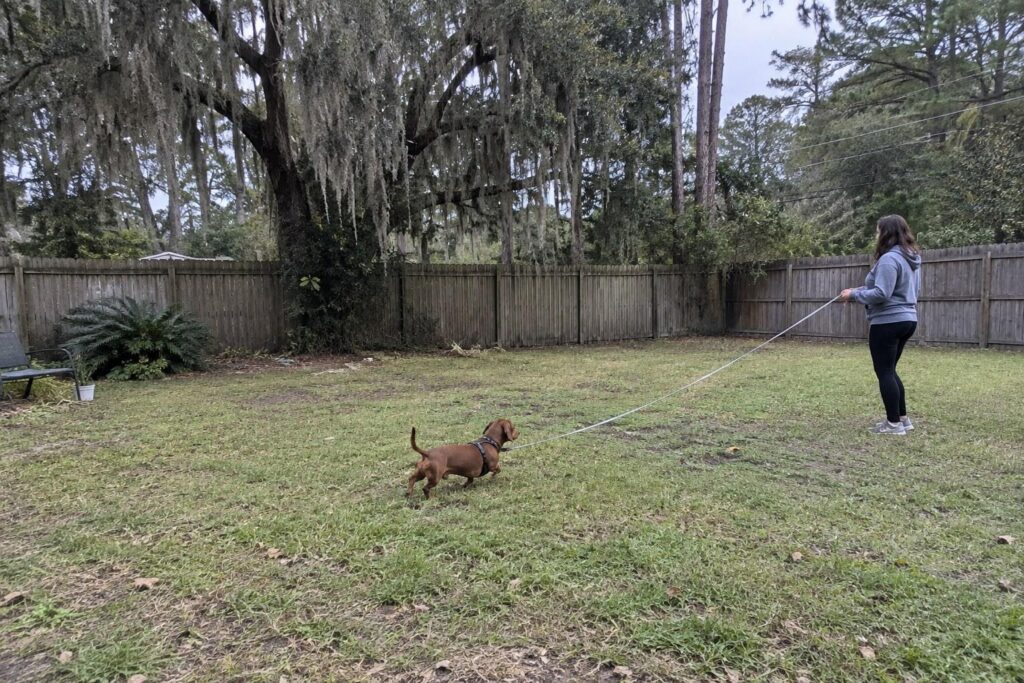
Coming when called is one of the most important skills any dog can learn. The AKC quotes a Dachshund Club of America board member who calls prompt recall a top priority, since a hunting dog that spots a squirrel or rabbit may seem to forget you exist. That makes recall worth practicing in small, deliberate steps.
Build a Recall Word Worth Coming For
Pick a fresh word or sound you have not used casually, such as “here” or a whistle. Say it once, then reward generously when your dog arrives. Early on, practice in a quiet room where success is almost certain.
Avoid calling your dog for things they dislike, like ending play or a bath. If something unpleasant has to happen, go get your dog instead. That keeps your recall word linked only with good outcomes.
Add Distractions Gradually
Move from the living room to the hallway, then to a fenced backyard, then to a long line in a quiet open area. Increase only one challenge at a time: distance, distraction, or duration. If your dog fails twice in a row, step back to an easier level.
| Recall Stage | Setting | Goal Before Moving On |
|---|---|---|
| Stage 1 | Quiet indoor room | Your dog turns and comes quickly almost every time. |
| Stage 2 | Fenced yard with mild distractions | Your dog leaves a toy or a sniff to come to you. |
| Stage 3 | Long line in a quiet open area | Your dog responds at a distance with you still holding the line. |
| Stage 4 | Busier settings on a long line | Your dog responds around people, dogs, or wildlife at a comfortable distance. |
Safety Comes First
Even a strong recall is not a guarantee. Keep your Dachshund on a leash or long line in unfenced areas and follow local leash rules. A long line lets you practice real-world recall while still keeping your dog safe.
Leash Skills That Make Walks Enjoyable
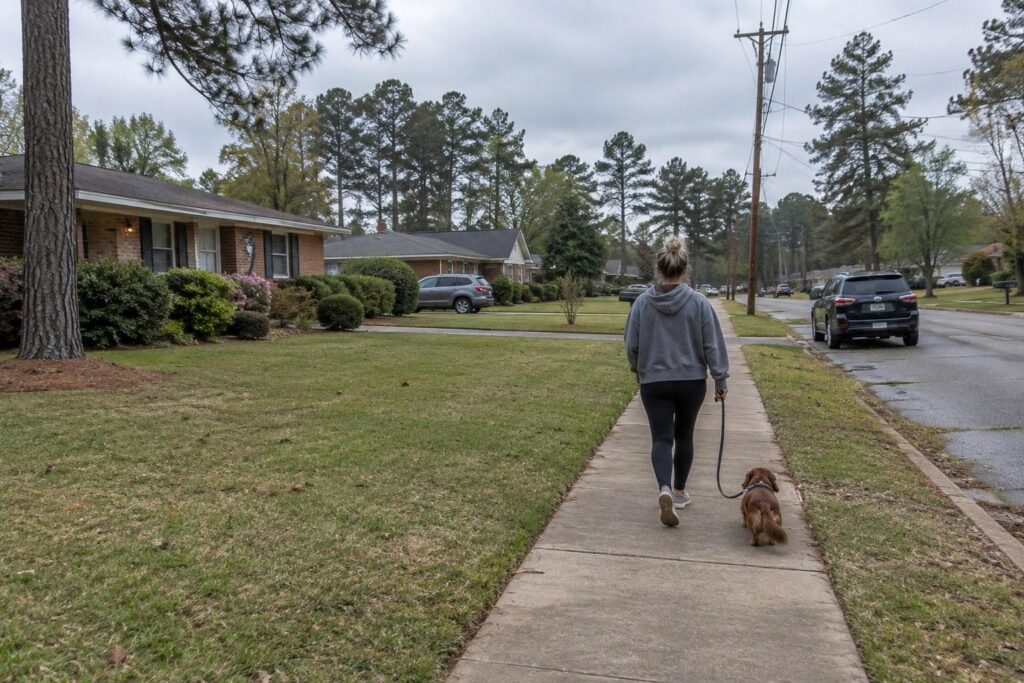
Walks give your dog exercise, mental stimulation, and a chance to explore. A dog that pulls toward every interesting smell can make walks tiring, though. Loose-leash walking is a skill like any other, and it improves with patient, regular practice.
Choose Comfortable, Simple Equipment
Many owners of small dogs use a well-fitted harness or flat collar with a standard leash. Ask your veterinarian if you have questions about which option suits your dog’s body and health. Whatever you use, make sure it fits properly and does not rub.
Reward the Spot Beside You
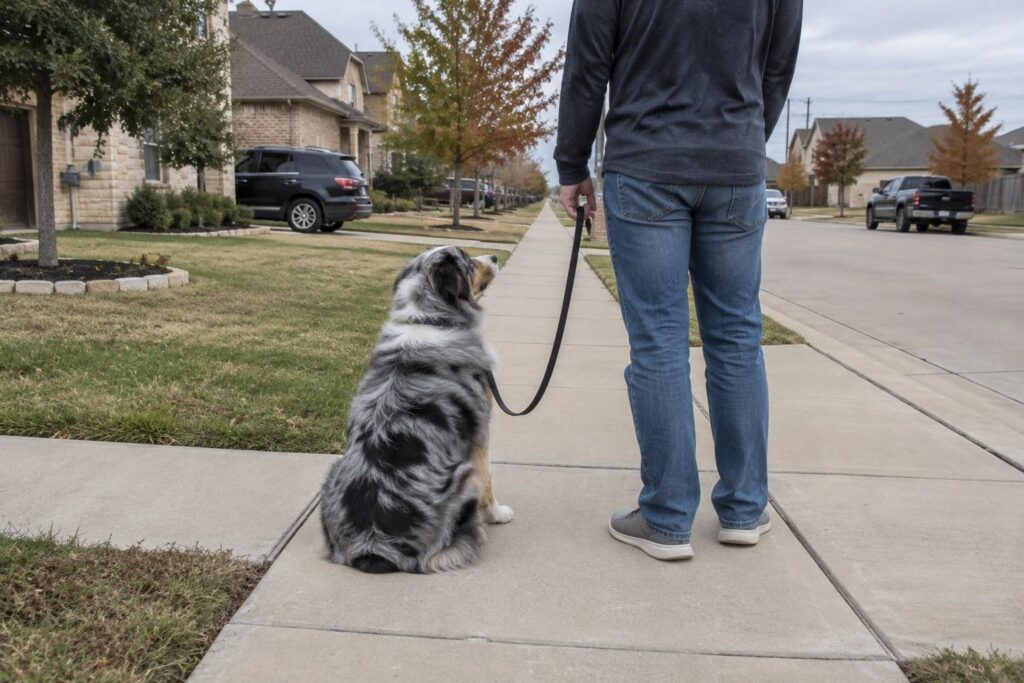
Start indoors or in the yard. Each time your dog is next to your leg with a slack leash, mark and reward right at your side. When the leash tightens, stop moving and wait for your dog to come back toward you, then continue.
Build in “sniff breaks” on a cue, so your dog learns that walking nicely leads to chances to explore. This works with a scent-loving hound instead of against them.
Practice in Short Doses
A few minutes of focused leash practice at the start of a walk can be more useful than a long walk full of pulling. As your dog improves, stretch the focused portion and practice in slightly busier spots. Keep sessions easy enough that your dog succeeds often.
When to Bring in Professional Help
Many owners make real progress on their own, and some reach a point where outside support saves time and frustration. Persistent pulling, barking, housetraining setbacks, or trouble with recall are all common reasons people reach out. If you have concerns about fear, anxiety, or reactivity, a trainer can help you sort out next steps, and your veterinarian should rule out any medical cause.
Board and Train for a Structured Reset
Our Board and Train program in Shreveport is a fixed two-week stay where your dog lives at our facility and works through multiple structured sessions every day. Trainers vary exercise contexts to promote generalization, and supervised socialization is included based on each dog’s temperament and comfort level.
In the final days, we spend substantial time on handler transition training, teaching you the timing, technique, and communication needed to keep progress going. Board and Train graduates receive guaranteed results and lifetime support at no additional cost. Our post on how to prepare your dog for Board and Train explains what to bring and expect.
Private Lessons and Refresh Training
If you prefer to train alongside your dog, private and in-home dog training lessons let you work on manners in your own home. Learn more about the benefits of one-on-one private dog training before you decide. We also offer refresher training to sharpen skills over time.
Comparing Your Options
| Option | Where Training Happens | Good Fit For |
|---|---|---|
| Board and Train | At our facility during a fixed two-week stay | Owners who want an intensive, structured start with handler transition training at the end. |
| Private in-home lessons | In your home | Owners who want to learn hands-on and address behaviors where they happen. |
| Refresh training | Arranged with our team | Dogs who learned skills before and need them sharpened. |
Still comparing trainers? Our article on how to choose a dog trainer in Shreveport lists helpful questions to ask. When you are ready, call (318) 593-7321 and we will help you pick the right fit.
About All Dogs Unleashed Dog Training Shreveport
All Dogs Unleashed Dog Training Shreveport helps local dog owners build calmer homes and more enjoyable walks through clear, structured training. Our two-week Board and Train program gives dogs multiple structured sessions daily, supervised socialization based on temperament, and handler transition training so owners can keep results going. We also offer private and in-home lessons, refresher training, and boarding. Whether your Dachshund needs better recall, house manners, or leash skills, our team is ready to help you set realistic goals and practice them well.
Frequently Asked Questions
Are Dachshunds hard to train?
Not necessarily. The AKC describes Dachshund puppies as fast learners who respond well to positive lessons. Some can be independent or easily distracted by scents, while others are very people-focused. Most dogs make steady progress with short sessions, rewards they truly value, and consistent rules. If you feel stuck, a trainer can help you adjust your approach.
How long should a training session last for my Dachshund?
Short is usually better. The AKC suggests keeping puppy sessions to about five minutes because of short attention spans. Adult dogs may handle a bit longer, but several brief sessions spread across the day often work better than one long one. End each session on a success so your dog stays eager to train next time.
When should I start training my Dachshund puppy?
You can begin simple lessons the day your puppy comes home. The AKC recommends starting housetraining right away with a regular schedule and plenty of praise. Early sessions can cover name recognition, sitting, and coming when called. Ask your veterinarian about vaccinations before visiting public places or meeting unfamiliar dogs.
How do I teach my Dachshund to come when called?
Choose a fresh recall word, say it once, and reward generously every time your dog arrives. Start in a quiet room, then add distance and distractions gradually. Use a long line outdoors in unfenced areas for safety. Never call your dog for something unpleasant, so the recall word always predicts something good.
Can an adult Dachshund still learn new habits?
Yes. Dogs can keep learning throughout their lives, though older habits may take more repetition to change. Focus on one skill at a time, reward the behavior you want, and manage the environment so old mistakes happen less often. Patience and consistency matter more than age. Private lessons or Board and Train can add structure if progress stalls.
Is Board and Train a good option for a Dachshund?
It can be, depending on your goals and your dog. Our Board and Train program is a fixed two-week stay with multiple structured sessions each day and handler transition training in the final days. Graduates receive guaranteed results and lifetime support at no additional cost. Call us to talk through whether it fits your dog.
Consistent, reward-based dachshund training can turn everyday frustrations into calm, reliable habits, one short session at a time. If you would like guidance, call (318) 593-7321 or reach out online to talk with our team at our location at 1220 Shreveport Barksdale Hwy, Shreveport, LA 71105.
Ready to Get Started with All Dogs Unleashed Dog Training Shreveport?
Your Dachshund can learn better manners with the right structure and support. Visit All Dogs Unleashed Dog Training Shreveport at 1220 Shreveport Barksdale Hwy, Shreveport, LA 71105, (318) 593-7321, or our Bossier City location at 4500 Benton Rd, Suite 200, Bossier City, LA 71111, (318) 562-6536, today to discuss Board and Train, private lessons, and the option that suits your dog.