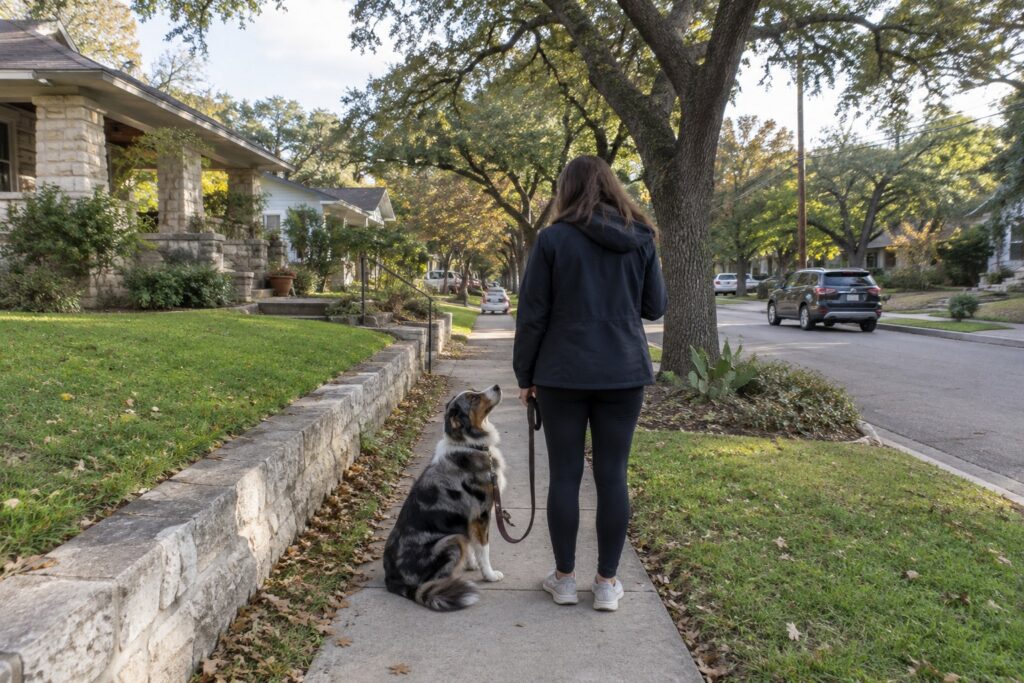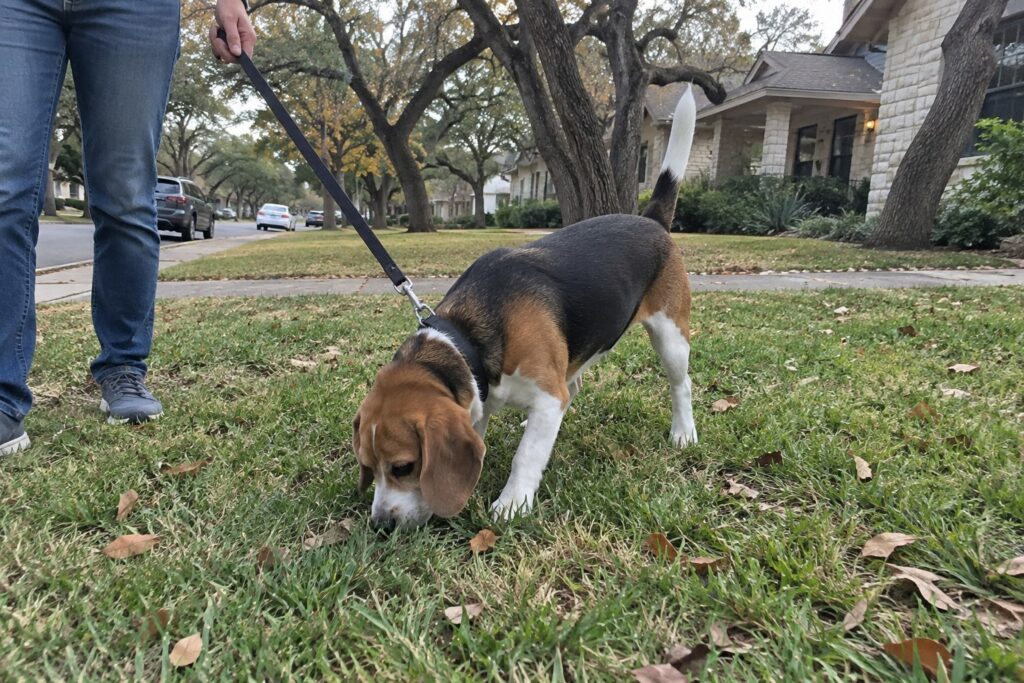

Bringing home a new puppy in Frisco is exciting. It can also feel overwhelming fast. This new puppy checklist covers everything you need in the first week, from the right gear and feeding supplies to safe spaces, potty training basics, and when to start real training. We work with Frisco families every day at All Dogs Unleashed Dog Training Frisco, and we know the first seven days set the tone for everything that follows. Get this week right, and the rest gets a whole lot easier. When you are ready for structured lessons, explore dog training in Frisco.
Ready to set your puppy up for success from day one? Our Frisco training team is here to help. Call (972) 573-1715 today.
Key Takeaways
- A complete new puppy checklist covers supplies, safe spaces, feeding, potty training, and early socialization in week one.
- Frisco summers top 100 degrees, so plan puppy walks before 8 AM or after 7 PM from May through September.
- Training should start in week one, not after bad habits form. Simple commands begin at 8 weeks.
- Puppy-proofing with baby gates matters most in open-plan homes common in Frisco’s newer neighborhoods.
- Socialization windows close fast. Knowing when to enroll in puppy classes can make a lasting difference.
Why the First Seven Days Matter Most
All Dogs Unleashed Dog Training Frisco, located at 811 W St Johns Ave, has helped hundreds of local families start things right when a puppy joins the household. Our trainers work with dogs of every stage and size, from 8-week-old Dachshunds to adolescent Great Danes, and we know one thing for certain: the first seven days shape your dog’s behavior patterns for life.
Most new puppy checklists stop at supplies. This one goes further. We cover a room-by-room supply list, a day-by-day routine framework, and the training moves that matter most before day eight.
Busy families working in the Frisco and McKinney tech corridor or managing packed schedules need practical guidance, not fluff. Everything here is built around that reality. Check out our puppy training programs when you’re ready to take the next step.
How Do I Set Up a Safe Space Before My Puppy Arrives?
Prepare the house before your puppy walks through the door, and those first days go far smoother. A few hours of prep work prevents a lot of chaos. Get the space right and your puppy settles in faster.
What Size Crate Does a New Puppy Need?
A new puppy needs just enough crate room to stand up, turn around, and lie down. That is it. A crate that is too large lets them use one end as a bathroom, which works against housetraining from day one. If you bought a larger wire crate, use the divider panel to shrink the interior now and expand it as your puppy grows.
Place the crate in a low-traffic spot your family can still see. Keep it away from exterior doors, HVAC vents, and south-facing windows. In neighborhoods like Starwood and Phillips Creek Ranch, afternoon sun through a south window can overheat a small puppy fast. Tuck a worn t-shirt from your laundry basket inside the crate on night one. The familiar scent helps reduce anxiety without any extra effort.
How Do I Puppy-Proof My Home?
Puppy-proof your home by limiting access and removing hazards before day one. Large open-plan homes are beautiful and terrible for puppies because there are no natural barriers. Baby gates are not optional in week one. Block off rooms you are not actively using and limit your puppy’s world to one or two areas while they learn the rules.
Work through this quick puppy-proofing checklist before your puppy arrives:
- Electrical cords: tuck them behind furniture or use cord covers, because chewing them is a real danger
- Cleaning products under sinks: move them to a high cabinet your puppy cannot reach
- Trash cans: switch to lidded models in every room
- Small objects at floor level: coins, hair ties, and kids’ toys can all become choking hazards
- Baby gates: block stairways and open doorways from day one
Food, Water, and Sleep Setup
Skip plastic bowls. Stainless steel is easier to sanitize and holds up better over time. Set both bowls on a waterproof mat to catch spills and keep the floor dry. Place them near the crate but not inside it.
Getting these basics right from the start makes house training your dog fast much more realistic. A consistent sleep and feeding spot gives your puppy a clear routine to follow, which is exactly what our puppy socialization classes build on from the very first session.
What Should I Buy Before Bringing a Puppy Home?

Buy the core supplies before your dog comes home so day one is calm instead of chaotic. Running out for gear on day two is stressful. Having everything ready means you can focus on your puppy, not your shopping list.
Feeding and Hydration Gear
- Two sets of stainless steel bowls. Rotate them so one is always clean. Plastic harbors bacteria in scratches.
- Breed-appropriate puppy food. Large breeds like Labs, Goldens, and Great Pyrenees need formulas with correct calcium-to-phosphorus ratios to protect developing joints. Do not feed adult food.
- A measuring cup. Eyeballing portions leads to overfeeding fast.
- A slow-feeder bowl. If your puppy gulps food, this reduces bloat risk and slows meals down to a safer pace.
Leashes, Collars, and ID Tags
- Flat buckle collar, sized for now. Fit it to your puppy’s current neck. A loose collar is a choking hazard. Skip slip collars entirely.
- A 4-6 foot nylon or leather leash. This is your everyday walk leash. Harnesses are fine for walks but do not replace proper leash training classes at our Frisco location.
- A 15-20 foot long line. Use this in the yard for recall practice. It gives your puppy space without losing control.
- An engraved metal ID tag. Include your phone number. Slide-on tags fall off. Pair the tag with a microchip from your vet.
Toys and Chews
- A stuffable rubber toy. Fill it with kibble or plain pumpkin puree and freeze it. It keeps a puppy busy for 20-30 minutes and redirects chewing to the right target.
- Rope toys and soft plush toys. Good for interactive play. Supervise use and replace when shredded.
- Skip rawhide. Puppies under 6 months face a real choking risk. Stick to rubber and nylon chews rated for puppies.
This puppy supplies checklist covers the basics. What to buy for a new puppy goes beyond gear, though. Week one is also when training habits start forming, and that matters just as much as the right bowl.
Not sure which program fits your puppy’s age and breed? Our Frisco trainers can help you choose. Schedule a free call to talk it through.
Health, Vet Care, and Important Documents in Week One
Welcoming a puppy is exciting, but the first thing on your to-do list should be a vet visit, not a trip to the pet store. Schedule that appointment before your puppy even arrives if you can.
Your Puppy’s First Vet Visit
Yes, you still need a vet visit even if the breeder gave you a health certificate. Get your puppy seen within 48 to 72 hours of coming home. The vet will check weight, listen to heart and lung sounds, screen for parasites, and set a vaccination schedule specific to your puppy’s age.
This visit also sets the baseline. If anything was missed at the breeder or shelter, you want to catch it early, not two weeks into puppyhood.
Vaccinations and Parasite Prevention
Texas law requires a Rabies vaccine between 12 and 16 weeks. Your puppy also needs the DA2PP series starting at 6 to 8 weeks. If your pup will attend group classes or board and train programs, ask your vet about Bordetella too.
Heartworm prevention is not optional in Collin County. Mosquito season runs roughly March through November in this area, but many vets here recommend year-round prevention. Start it at the first visit. Flea and tick prevention follows the same rule.
Documents to Keep on File
Get organized now. Keep digital copies in your phone’s photo album so they are always accessible.
- Vaccination records
- Breeder or AKC registration papers
- Microchip registration confirmation
- Pet insurance policy
- Spay/neuter certificate when applicable
Microchip your puppy at the first visit. Frisco Animal Services on Rolater Road requires annual dog licensing with proof of current rabies vaccination. A microchip paired with a collar ID tag gives your puppy the best chance of coming home if they ever get lost.
Once your puppy is vaccinated and cleared for socialization, explore our 8-week puppy program to get started on the right foot.
How Do I Potty Train a Puppy in the First Seven Days?
Consistency is what wins potty training in week one. An 8-week-old puppy can hold its bladder roughly 2 to 3 hours maximum. That means during your puppy’s first week at home, you are going outside a lot. Build the habit now and you will save your floors and your sanity.
Bathroom Schedule and Outdoor Cues
Take your puppy out every 1 to 2 hours during the day. Always go out immediately after waking, after eating, and after play. Use the same patch of grass every single time. The scent cues the behavior. Say a short phrase like “go potty” each time, then reward with a treat and calm praise within 3 seconds of finishing.
If your neighborhood has large open yards, like those in Starwood or Phillips Creek Ranch, you have plenty of room for a dedicated potty spot. One tip specific to North Texas: during May through September, get that first morning potty break done before 8 AM. Pavement heats up fast and puppy paws feel it.
Here is a sample daily schedule to anchor your routine:
- 6:00 AM – Outside immediately after waking
- 6:15 AM – Breakfast in the crate or designated feeding spot
- 6:30 AM – Outside again after eating
- 8:00 AM – Short play session, then outside
- 9:30 AM – Nap in crate
- 11:00 AM – Outside after nap, then play
- 12:30 PM – Lunch, then outside
- 2:00 PM – Nap in crate
- 3:30 PM – Outside after nap
- 5:30 PM – Dinner, then outside
- 7:00 PM – Play, then outside
- 9:00 PM – Final potty break before bed
Handling Accidents the Right Way
No scolding. No nose-rubbing. It does not work and it damages trust. If you catch your puppy mid-accident, calmly say “outside” and carry them to the designated spot. Clean the area with an enzymatic cleaner, not ammonia-based products. Ammonia smells like urine to a dog and invites repeat accidents in the same spot.
For a deeper look at building this habit fast, read our guide on house training your dog fast. It covers the exact steps we teach in our puppy socialization classes.
Introducing the Crate as a Safe Space
Start with the crate door open. Toss treats inside and let your puppy explore on their own terms. Build up to 30-minute sessions before expecting overnight sleep. The crate prevents your puppy from practicing bad habits when you cannot supervise, which is one of the most important tools in your new puppy checklist.
A puppy that is comfortable in a crate sleeps better, stresses less, and is easier to train. That is a win for everyone in the house.
Potty training going slower than expected? Our team can help. Call us at (972) 573-1715 and ask about our well-balanced, customizable training programs built for puppies at any stage.
Training and Socialization: What to Start in Week One

During the first week, your puppy will soak up everything around it. That makes this the best time to build good habits. Start simple, stay positive, and keep sessions short. Check out these puppy training tips every Frisco dog owner should know before you begin.
The Four Commands to Teach First
You do not need a long list of commands. You need four solid ones, repeated consistently.
- Name recognition: Say your puppy’s name once. The moment it looks at you, say “yes” and give a treat within 2 seconds.
- Sit: Hold a treat above your puppy’s nose and move it back slowly. When the rear hits the floor, mark and reward.
- Down: From a sit, lure the treat toward the ground. Mark and reward the moment elbows touch the floor.
- Stay: Ask for a sit, pause one second, then reward. Build duration slowly over several days.
Keep sessions to 3 to 5 minutes, three or four times a day. Skip punishment-based corrections entirely this week. The goal is to make learning feel good, not stressful.
Socialization: Why the Window Closes Fast
The critical socialization window runs roughly from 3 to 14 weeks. An 8-week-old puppy brought home this week has about six weeks left. Every positive experience with new people, sounds, surfaces, and environments now reduces fear-based problems later.
After your puppy’s second round of vaccines around 10 to 12 weeks, local spots like Frisco Commons Park trails and the off-leash areas at Frisco Dog Park on Eldorado Parkway are great options. Read up on the best dog parks and trails for active dogs so you know where to go when your pup is ready.
When to Enroll in Puppy Classes
Most trainers recommend starting classes at 7 to 8 weeks, right after the first vaccine round. Do not wait until problems show up. Our team has worked with puppies from Staffy mixes to Great Pyrenees, and early enrollment makes every stage of training easier.
Our puppy program in Frisco is built for puppies at every starting point. With consistent local reviews from families who say their dogs came out with all expectations met, you can trust the process from day one.
Grooming Basics Your Puppy Needs From Day One
Grooming is not just about keeping your puppy clean. It is a behavior investment. A puppy handled regularly from day one is far less likely to resist nail trims, ear checks, or vet exams later on. Start early and make it positive.
Brushing, Bathing, and Nail Care
Brush frequency depends on coat type. Short-coated breeds like Beagles and Labs need a quick weekly once-over with a rubber curry brush. Double-coated breeds like Golden Retrievers, Huskies, and Great Pyrenees need daily brushing to prevent matting and manage heavy shedding cycles.
Hold off on the first bath until day three to five. Use tearless puppy shampoo and lukewarm water. Dry your puppy thoroughly. A damp puppy in air conditioning can chill quickly, even during a warm Texas summer.
New puppy essentials for grooming week one:
- Rubber curry brush or slicker brush (match to coat type)
- Tearless puppy shampoo
- Small guillotine-style nail clipper or rotary grinder
- Styptic powder (in case you nick the quick)
- Soft towel or low-heat dryer
If you want expert help with coat care, our professional dog grooming services are available for puppies of all breeds and sizes.
Daily Handling Exercises for a Cooperative Puppy
Spend two minutes each day touching your puppy’s mouth, ears, paws, and spine. Pair every touch with a small treat. This cooperative care conditioning makes future grooming appointments and vet visits dramatically easier. It is one of the best new puppy essentials that costs nothing but a little time.
Before you ever pick up a nail clipper, spend several days just touching and holding each paw. Then introduce the clipper. Trim only the tip to avoid the quick. Keep styptic powder nearby just in case.
Frisco-Specific Tips for New Puppy Owners
Living in North Texas means the first week at home comes with some local realities that generic checklists skip entirely. Here is what actually matters for raising a puppy in this area.
Heat Safety and Seasonal Walk Schedules
Summers here are brutal. Temperatures regularly top 100 degrees Fahrenheit, and asphalt can hit 160 degrees on a hot afternoon. That will burn your puppy’s paws in under a minute. Walk on grass whenever possible, or use booties.
From late spring through early fall, stick to walks before 8 AM or after 7 PM. Collin County winters are mild, but ice storms do roll through in January and February. On those days, skip the outdoor walk entirely. Use puzzle feeders, a short indoor fetch session down a hallway, or a five-minute training session to burn energy safely.
Licensing and Local Leash Rules
Your puppy needs an annual license through Frisco Animal Services, located on Rolater Road. You will need proof of a current rabies vaccination to register. Get this done in week one while you are already scheduling vet visits.
In public spaces outside designated off-leash areas, dogs must be on a leash no longer than six feet. The Frisco Dog Park on Eldorado Parkway is a great off-leash option once your puppy is fully vaccinated and socialized. Frisco Commons Park also has dog-friendly trails that are perfect for early leash-training walks during those early days at home.
Board and Train: An Option for Busy Families
If you are commuting to Plano’s Legacy corridor or working long hours in tech or finance, keeping up with daily puppy training is genuinely hard. Our board and train program in Frisco is built for exactly that situation. Your puppy lives with our trainers full-time and gets structured training throughout every day.
Most families see dramatic improvement after a two-week stay. Their puppy comes home knowing commands and showing real self-control. It is one of the fastest ways to get your new dog on the right track.
Frequently Asked Questions
What Should I Buy Before Bringing My Puppy Home?
Start with the essentials from your new puppy checklist: a crate with a divider, a flat buckle collar, a 4-to-6 foot leash, stainless steel food and water bowls, an ID tag, enzymatic cleaner, and two or three chew toys. You do not need to buy everything at once. Learn your puppy’s preferences in the first week, then add supplies as needed.
How Often Should a New Puppy Eat?
Puppies between 8 and 12 weeks old need three to four small meals per day on a consistent schedule. Avoid free-feeding. A set schedule lets you predict when your puppy needs to go outside, which makes housetraining much faster.
When Can My Puppy Go to Public Spaces in Frisco?
Potty breaks in your own yard are fine from day one. For public areas like the dog park on Eldorado Parkway or the trails at Commons Park, wait until two weeks after your puppy’s second vaccine round, typically around 10 to 12 weeks. Also register your dog with Frisco Animal Services on Rolater Road once your rabies vaccination is current.
How Do I Stop My Puppy From Biting and Nipping?
Redirect to a chew toy every time your puppy mouths your hand. If the bite is hard, yelp and withdraw attention for 10 to 15 seconds. Every person in the household must respond the same way. Inconsistency is the main reason this takes longer than it should.
What Is the Best Age to Start Puppy Training Classes?
Most puppies are ready to start structured training between 8 and 12 weeks old. The socialization window closes around 14 to 16 weeks, so earlier is better. Check out our puppy training programs at All Dogs Unleashed to find the right fit for your dog’s age and temperament.
Should I Use a Crate for My New Puppy?
Yes. A crate is one of the most effective housetraining and safety tools available. Most puppies adjust within three to five days when introduced gradually with positive reinforcement. It gives your puppy a calm, secure space and keeps them safe when you cannot supervise directly.
Your puppy’s first week is happening right now, and every day counts. Call our team at (972) 573-1715 to schedule a consultation, ask about puppy classes, or find out whether our board and train program fits your family’s schedule. We are at 811 W St Johns Ave and we are ready to help you start this the right way.
Ready to Get Started with All Dogs Unleashed Dog Training Frisco?
Call (972) 573-1715 to speak with our team directly. We’re ready to answer your questions, walk you through your options, and help you find the right solution for your needs. Whether you’re just starting to plan or ready to move forward, we’ll make the process simple and stress-free.
Reach out today and let’s talk about how we can help.