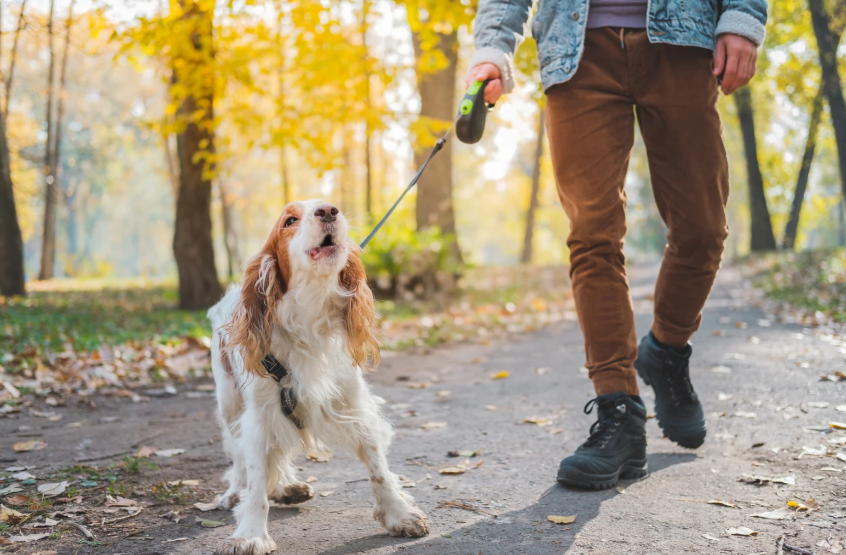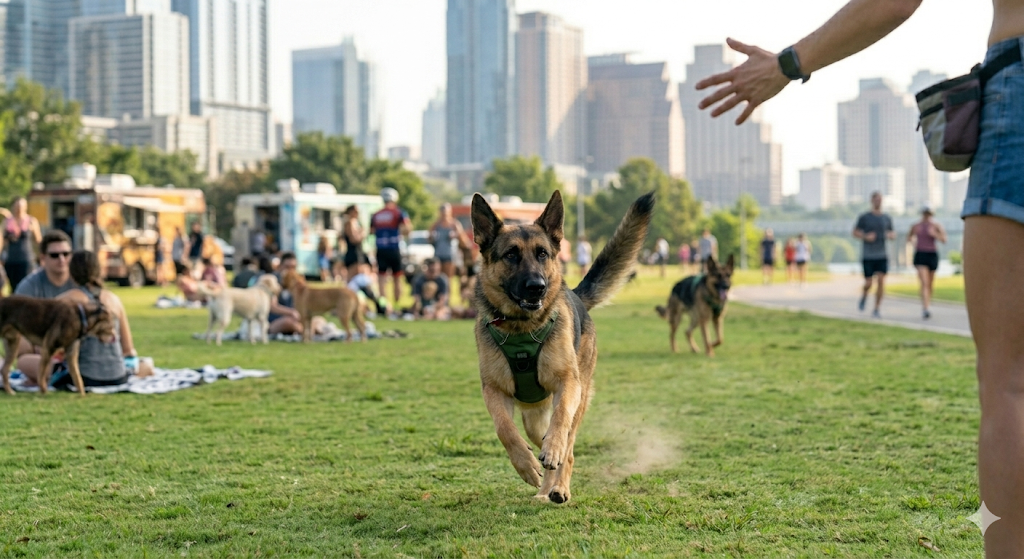

Loose leash walking is one of the most common problems Fort Worth dog owners ask us about, and one of the most fixable. Whether your dog drags you down the sidewalk in Westover Hills or turns every Trinity Trails outing into a tug-of-war, the problem is a behavior challenge, not a character flaw. At All Dogs Unleashed Dog Training Fort Worth, we use a structured, individualized approach to teach dogs of every breed, age, and temperament to walk calmly at your side, backed by guaranteed results and lifetime support for the life of your dog.
Key Takeaways
- Loose leash walking is a trainable skill, not a personality trait, and most dogs improve quickly with the right method.
- Leash pulling and leash reactivity are related problems that often need to be addressed together for lasting results.
- Fort Worth dogs benefit from training that prepares them for real-world distractions like trails, parks, and busy sidewalks.
- Our Board and Train and in-home programs come with owner education, so every family member handles the leash the same way from day one.
You lace up your shoes, grab the leash, and before you even reach the sidewalk your dog is already pulling toward the river trail like a freight train. Sound familiar? Leash pulling is the number-one complaint we hear from dog owners across Tarrant County, and it makes every walk feel like a battle you can’t win.
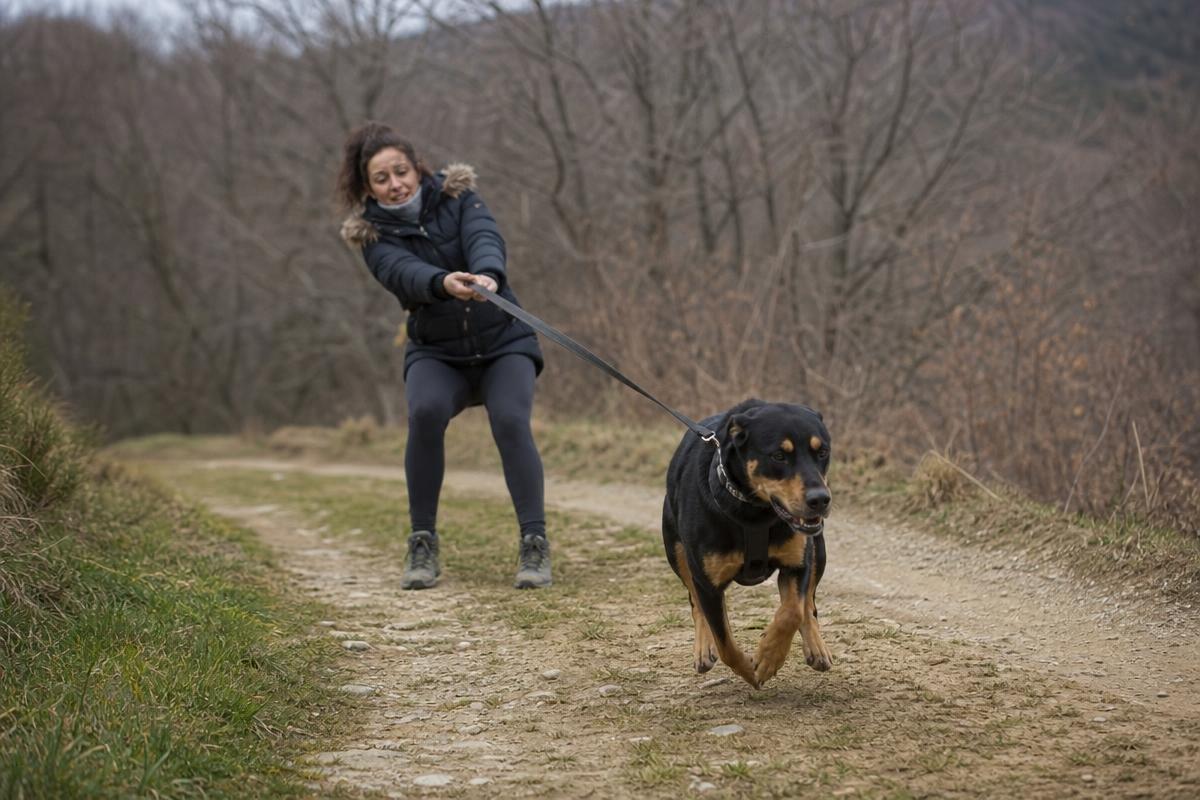
This guide covers everything you need to fix it. We’ll explain why dogs pull, which equipment actually helps, and a step-by-step loose leash walking protocol you can start using today. We’ll also cover when it makes sense to call in a professional for dog training in Fort Worth. If you’re ready to skip ahead, you can schedule a session with our team right now.
Why Does Your Dog Pull on the Leash in the First Place?
Your dog pulls because pulling has worked. Every time you followed a tight leash forward, your dog learned one simple lesson: pull to get where I want to go. That’s it. No dominance. No bad attitude. Just a behavior that got rewarded.
The Simple Reason Pulling Works for Your Dog
Dogs repeat what works. The moment your dog hits the end of the leash and you keep walking, the pulling gets reinforced. Over hundreds of walks, that pattern gets locked in. This is exactly how to stop dog pulling on the leash before it becomes a habit: interrupt the reward cycle early.
The leash itself can also become a trigger. Some dogs get amped up the second they see it. If most of your walks happen near high-stimulation spots like the Trinity River trails, that excitement builds before you even leave the driveway. The environment is doing half the work against you.
How Breed, Age, and Energy Level Play a Role
Some dogs have a harder starting point. That doesn’t mean loose leash walking is out of reach. It just means the work matters more.
- High-drive breeds like Labs, huskies, and German shepherds were bred to move. Pulling feels natural to them.
- Adolescent dogs aged 6 to 18 months are in peak arousal phases. Impulse control is genuinely harder at this age.
- Under-exercised dogs carry pent-up energy onto every walk. That energy has to go somewhere.
None of these factors make the problem permanent. They make starting sooner more important. If you have a young, high-energy dog, professional dog training in Fort Worth can get ahead of these habits before they fully set in.
The Right Equipment for Loose Leash Walking
Good equipment makes training easier. Bad equipment can actively teach your dog to pull harder. Before you hit the sidewalks in Westover Hills or head out along the River District, make sure you have the right gear in your hands.
Leash Length and Material
Start with a standard 4 to 6 foot nylon or leather leash. That length keeps your dog close enough for you to communicate clearly and correct quickly. Leather softens over time and is easy on your hands during long sessions.
Retractable leashes are the biggest mistake we see. They reward your dog for pulling by giving more line every time he lunges forward. Bungee-style leashes have the same problem. They absorb the physical feedback your dog needs to feel. Both tools work against you during training.
Collars, Harnesses, and Head Halters
The right tool depends on how hard your dog pulls right now.
- Flat collar: Fine for mild pullers with decent dog leash manners already developing.
- Front-clip harness: Our first recommendation for moderate to heavy pullers. When your dog lunges, the clip redirects him back toward you instead of letting him drive forward. No pain, just physics.
- Head halter (Gentle Leader style): Very effective for strong pullers. The catch is that most dogs fight it at first. You need a proper desensitization period or your dog will spend the whole walk trying to rub it off.
- Martingale collar: A solid choice for sighthounds or any dog that backs out of a standard collar.
Dogs in Tarrant County are outside year-round, and our summers push well past 100 degrees. Choose gear that holds up in the heat and on varied terrain, and remember that asphalt and paved trails can burn paw pads on hot afternoons, so early morning or evening walks are safer during summer.
What to Avoid
Skip the back-clip harness during leash training. It puts your dog in a sled-dog position and actively encourages pulling. It is the wrong tool for this job.
One more thing. A front-clip harness on an untrained dog is still an untrained dog. Equipment manages the problem. It does not solve it. Real improvement comes from consistent training. If you are ready to go beyond gear, schedule a leash training session with our team and we will build the skills that make the equipment almost unnecessary.
A Step-by-Step Loose Leash Walking Protocol That Actually Works
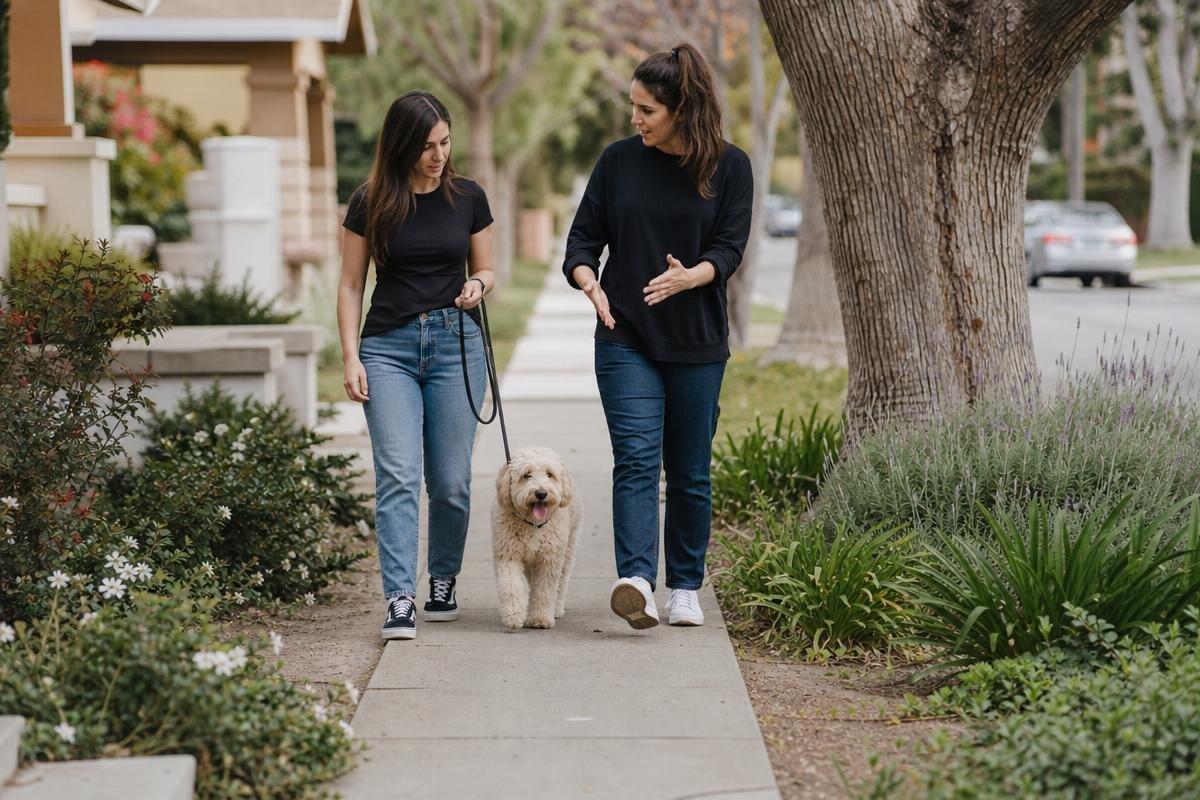
You can teach your dog to walk on a loose leash without fancy gear or a professional background. You need a clear system and the patience to repeat it. These four steps give you exactly that. Start in a quiet spot like a low-traffic street in Westover Hills or Bluebonnet Hills. Save high-distraction areas like the Fort Worth Botanic Garden for later.
Step 1: Start Before You Leave the House
Threshold manners set the tone for the entire walk. Ask your dog to sit before you open the front door. If your dog bolts through, close the door and reset. No scolding needed. Calm behavior opens the door. Chaos closes it. Your dog figures this out fast.
This step matters more than most owners realize. A dog that explodes out the door is already in an aroused state before the walk starts. Getting a calm sit at the threshold lowers that energy and tells your dog that you are leading this walk. At All Dogs Unleashed, this threshold work is the very first thing our trainers build in every leash program, because a calm start makes everything after it easier.
Step 2: The Stop-and-Wait Method
The moment your dog pulls the leash tight, stop walking. Do not yank back. Do not say anything. Just stop completely. Wait for your dog to release the tension by stepping back or pausing. The instant the leash goes slack, mark it with a clear verbal “yes” and start moving again.
The rule is simple. Tight leash equals walk stops. Slack leash equals walk continues. Your dog is motivated by forward movement. You are controlling access to it. Most dogs connect the dots within a few sessions.
Step 3: The Direction Change Technique
When your dog pulls forward, turn and walk the opposite direction without warning and without a verbal correction. Your dog loses ground instead of gaining it. This works especially well for dogs that are more excited about moving forward than they are about treats.
Practice this on a quiet block before you try it somewhere busier. The Trinity Trails system is a great long-term goal, but 40-plus miles of trail with cyclists and other dogs is not where you start. Build the behavior first. Add real-world distractions later.
Step 4: Rewarding the Right Position
Define exactly where you want your dog to walk. Your dog’s shoulder should sit roughly even with your knee, with the leash hanging slack. Every time your dog holds that position, mark it with “yes” and reward it with a high-value treat like a small piece of chicken or cheese. This position is the foundation of the formal heel command.
Start by rewarding frequently, every few steps. Gradually increase the distance and duration before each reward. Your dog learns that staying in position pays off. Over time, you phase out the constant treats and the behavior holds on its own. If you want to schedule a session with our team, we can show you exactly how to apply this marker system to heel work and beyond.
Common Mistakes That Make Leash Pulling Worse
Most owners are already doing a lot of things right. But a few common habits quietly undo the progress you make on every walk. Here are the three we see most often, and how to fix them fast.
Repeating Commands Your Dog Has Already Learned to Ignore
If you say “heel, heel, heel” while your dog drags you down the sidewalk, your dog is learning one thing: “heel” means nothing. A cue repeated without follow-through becomes background noise. Say it once. Then stop walking, change direction, or redirect. One clear cue with a consistent result teaches dog leash manners. Ten cues with no result teaches your dog to tune you out.
This is one of the biggest reasons owners feel stuck when trying to figure out how to stop dogs pulling on leashes. The word is not the problem. The follow-through is.
Inconsistency Between Family Members
Your dog walks nicely with you but drags your spouse to the mailbox. That is not stubbornness. That is your dog reading the situation accurately. If pulling works with one person, your dog will keep trying it with everyone. Partial reinforcement, where a behavior works sometimes, actually makes that behavior harder to extinguish, not easier.
Every person who walks your dog needs to follow the same rules. Our dog training programs in Fort Worth include owner education so every family member handles the leash the same way from day one.
Skipping the Boring Environments First
Trying to train loose leash while walking on a busy trail is like learning to drive on a highway. Start in low-distraction spots first. The quiet residential streets around Westover Hills and Bluebonnet Hills are ideal. Low traffic. Minimal distractions. Your dog can actually focus. Once the behavior is solid there, graduate to bigger challenges like the Trinity Trails or the Fort Worth Botanic Garden area.
Here is a quick summary of all three mistakes to watch for:
- Repeating “heel” without follow-through trains your dog to ignore the cue
- One family member allowing pulling cancels out everyone else’s work
- Starting in busy, high-distraction areas before the behavior is built sets your dog up to fail
Struggling with these habits and not sure where to start? Our team can help you build a plan that works for your whole household. Call us at (817) 393-6224 to talk through your options.
When DIY Training Is Not Enough: Getting Professional Help in Fort Worth
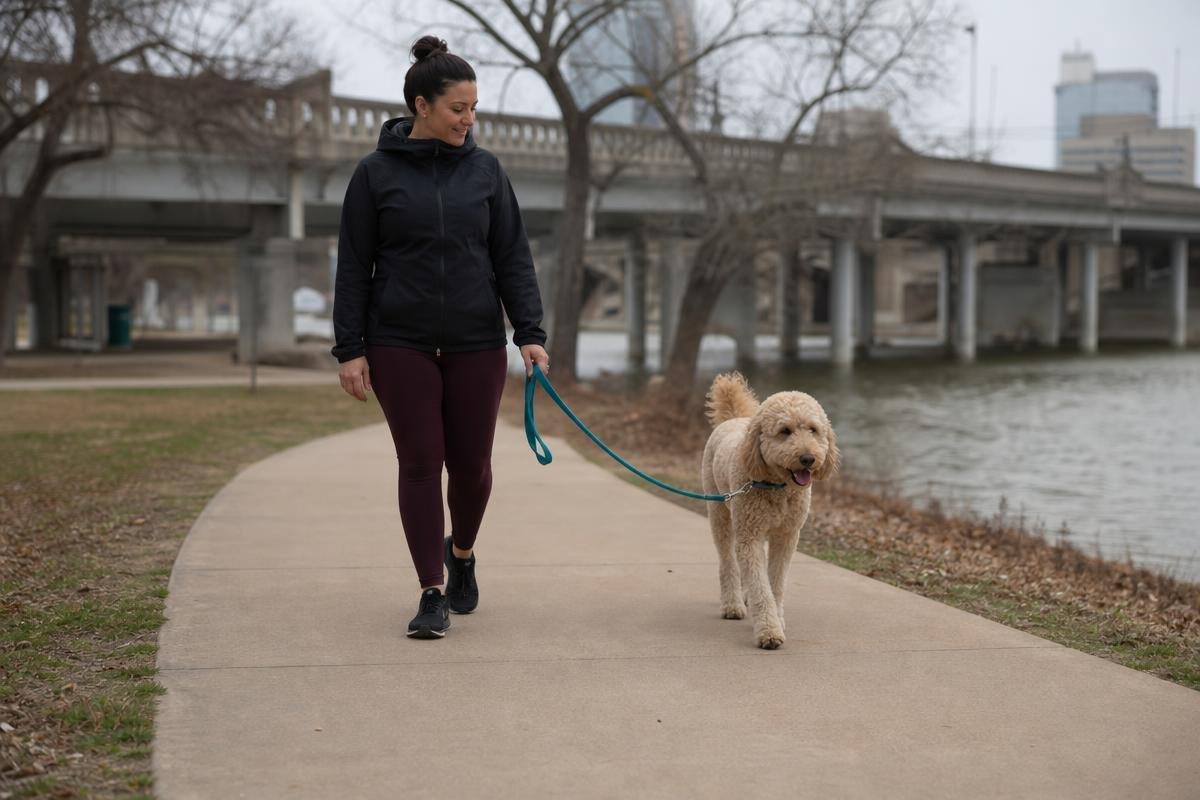
Most dog owners try to fix leash pulling on their own first. That makes sense. But some dogs need more than a YouTube video and a bag of treats. If you have been working on this for months without real progress, it may be time to call in a professional.
Our team provides professional dog training in Fort Worth for dogs of every breed, age, and temperament. We work with owners from Benbrook, Keller, and North Richland Hills who bring their dogs to us after trying everything else.
Signs Your Dog Needs More Than YouTube Videos
Not every leash problem requires professional help. But these signs usually do:
- Pulling has been going on for over a year with no real improvement
- Your dog lunges or reacts toward other dogs or people on leash
- Your dog is strong enough to knock you or a family member down
- You have tried multiple methods and nothing has lasted
- Walks are causing physical strain or you have stopped walking your dog altogether
Leash reactivity and on-leash aggression are companion problems to pulling. They often need structured, daily repetition to correct, not just a weekly session.
How We Approach Leash Manners at All Dogs Unleashed
Our Board and Train program is especially effective for leash pulling. Your dog practices the heel command and loose leash walking with a trainer every single day. One of our customers brought in a four-year-old dog with a serious pulling problem. After two weeks of Board and Train, the difference was dramatic.
Trainers Dana and Chloe are recognized by name in multiple customer reviews for their communication and follow-through. Our guaranteed results means we stand behind the results, and our lifetime support covers you for the full life of your dog, so progress does not stop when the program ends.
We have 112 five-star Google reviews from owners across the Tarrant County area. Call us at (817) 393-6224 to schedule your first session and see what structured leash training actually looks like.
Taking Loose Leash Walking to Fort Worth’s Best Dog-Friendly Spots
All that training work pays off the moment you step onto a real trail with a dog who actually walks beside you. Once your dog walks nicely on a loose leash, the whole city opens up in a way that used to feel impossible.
The Trinity Trails system is the flagship reward. 40-plus miles of paved and natural surface trails run along the Trinity River, making it one of the most-used dog-walking destinations in North Texas. Cyclists, joggers, and other dogs are everywhere out there. That high foot traffic is exactly why solid leash manners matter before you arrive. A dog who pulls and lunges makes those trails stressful. A dog who walks nicely makes them genuinely fun.
The Clearfork area near the river is another great option once your dog is ready for busier surroundings. Quanah Parker Park on the southwest side of the city offers open green space and off-leash areas for dogs who have earned that freedom.
Check out our dog-friendly local destinations guide for more ideas around the area.
Check out our dog-friendly local destinations guide for more ideas around the area.
Loose leash walking also builds the foundation for reliable off-leash control. The skills your dog learns on leash carry over. The best adventures start here.
Frequently Asked Questions
How long does it take to teach a dog to walk on a loose leash?
Most dogs show noticeable improvement within 2 to 4 weeks of consistent daily practice. Puppies can pick it up in just a few days. A dog with years of pulling history may need 6 to 8 weeks. Consistency from every family member matters more than session length.
What is the best method for loose leash walking?
Stop-and-wait combined with direction changes and positive reinforcement for a correct heel position. The rule is simple: the leash goes slack, the walk continues. Methods that rely only on corrections suppress the pulling temporarily but never teach your dog what to do instead.
Should I use a harness or a collar for loose leash walking training?
A front-clip harness is a strong choice for hard pullers. A flat collar works fine for mild pullers. Avoid back-clip harnesses during active training since they make pulling easier for the dog. Equipment manages the problem. Training solves it.
My dog only pulls when they see other dogs. What should I do?
That is leash reactivity, a separate behavior issue layered on top of pulling. Start by increasing the distance between your dog and other dogs until your dog can notice them without reacting. Then gradually close the gap over multiple sessions. Intense reactivity responds well to professional help. Our professional dog training team in Fort Worth works with reactive dogs regularly and can build a plan specific to your dog’s triggers.
Can an older dog learn loose leash walking, or is it too late?
It is never too late. Older dogs absolutely learn new leash manners. In some ways they are easier than adolescent dogs because their arousal levels are lower. Dogs of every breed, age, and history can make real progress with the right approach.
When should I consider professional dog training for leash pulling in Fort Worth?
If you have put in 4 to 6 weeks of consistent work and seen little improvement, call us. If pulling comes with lunging, barking, or reactivity toward other dogs or people, that combination warrants professional help sooner. Our team offers Board and Train programs, in-home training, and puppy programs for dogs across the Keller, Benbrook, and North Richland Hills areas.
Your dog can walk nicely on a loose leash. It takes consistency, the right technique, and sometimes a professional in your corner. If you are ready to stop white-knuckling every walk, call All Dogs Unleashed Dog Training Fort Worth at (817) 393-6224 or get a training quote online. We work with dogs of every breed, age, and temperament across the Tarrant County area, and every program is backed by guaranteed results and lifetime support. Those trails are waiting.
Ready to Get Started with All Dogs Unleashed Dog Training Fort Worth?
Call (817) 393-6224 to speak with our team directly. We’re ready to answer your questions, walk you through your options, and help you find the right solution for your needs. Whether you’re just starting to plan or ready to move forward, we’ll make the process simple and stress-free.
Reach out today and let’s talk about how we can help.