
Most Fort Worth dog owners want a well-behaved, confident dog. But a few common dog socialization mistakes can set your dog back months, sometimes permanently. Working with dogs here in Fort Worth for years, we see the same five errors over and over. Our team at All Dogs Unleashed Dog Training Fort Worth uses a structured, individualized approach to help your dog become calm, social, and reliable, with a money-back guarantee and lifetime support for the full life of your dog. Ready to stop the guesswork and start seeing real results with your dog?
Key Takeaways
- Dog socialization mistakes made early can cause reactive, fearful, or aggressive behavior that gets harder to correct over time.
- Fort Worth’s extreme summer heat can shrink your dog’s socialization window, making intentional year-round exposure even more important.
- Flooding a dog with too much too fast is one of the most common and damaging socialization errors local owners make.
- Proper socialization goes well beyond the puppy stage and applies to adult dogs of any age or temperament.
- A structured training program with lifetime support gives your dog the best chance at lasting social confidence.
Why Socialization Goes Wrong for So Many Dogs
Dog socialization is one of the most misunderstood parts of raising a dog in this area. Get it wrong, and you end up with a dog that lunges at strangers, barks at every passing car, hides from visitors, or shuts down completely at the vet. Those behaviors are not personality quirks. They are the direct result of gaps in socialization.
We have worked with hundreds of dogs of every breed, age, and temperament across this region, and we see the same five mistakes repeated constantly. The good news is that every single one is fixable. Whether your dog is a puppy just starting out or an adult already showing fearful or reactive behavior, the right structured approach makes a real difference. Our trainers, Dana and Chloe, have helped owners turn things around through structured dog training in Fort Worth and beyond.
What Dog Socialization Actually Means (And Why Most Owners Get It Wrong From the Start)
Most owners think socialization means letting their dog be around other dogs or people. That’s not quite right, and that misunderstanding causes real problems down the road.
Socialization Is Exposure Plus Positive Association, Not Just Proximity
Socialization is the deliberate process of helping your dog form calm, positive associations with new stimuli. Proximity alone does nothing. A puppy sitting next to a skateboard while trembling is not being socialized. That’s stress exposure, and it can make fear worse, not better.
The American Veterinary Society of Animal Behavior (AVSAB) is clear on this: undersocialized dogs are significantly more likely to develop fear-based reactivity and aggression as adults. The goal is not just exposure. It’s exposure paired with something good, so your dog’s brain learns that new things predict good outcomes.
During the socialization window, your puppy needs calm, positive introductions to:
- Strangers of different ages, sizes, and appearances
- Other vaccinated dogs
- Bicycles, skateboards, and moving vehicles
- Thunder and storm sounds (especially relevant here in Tarrant County’s spring storm season)
- Veterinary handling and grooming touch
- Varied surfaces like grass, gravel, and tile
The Critical Window: Why Timing Matters for Fort Worth Puppies
The primary socialization window runs from about 3 to 14 weeks. A secondary window extends to roughly 16 weeks. If your puppy came home at 8 weeks, you have 6 to 8 weeks of prime time left. That window closes whether you use it or not.
For puppies out in Benbrook and the western reaches of the county, that list should also include livestock and rural sounds. Our puppy training program in Fort Worth is built around this window so you don’t waste a single week of it. Getting this right during the socialization window makes everything easier later. Want a socialization plan tailored to your puppy’s age and temperament?
Mistake 1: Waiting Too Long to Start Socialization
This is the most common mistake we see, and it comes from good intentions. A vet tells a new puppy owner to keep the dog home until all vaccines are complete. That sounds responsible. The problem is that the critical socialization window closes right around 12 to 16 weeks, which is exactly when many puppies are finishing their vaccine series.
The ‘Wait Until All Vaccines Are Done’ Myth
The AVSAB has a clear position on this: the behavioral risks of undersocialization outweigh the disease risks in controlled, low-risk settings. Dogs that miss the socialization window are significantly more likely to develop fear aggression, leash reactivity, and separation anxiety. Missing those early weeks does not keep your dog safe. It sets them up for a harder life.
Your vet is not wrong to flag disease risk. But waiting too long has its own serious cost, and most owners are never told that part.
How to Socialize Safely Before the Full Vaccine Series Is Complete
There are real ways to expose your puppy early without putting them at risk. Here is what the AVSAB recommends and what we tell owners:
- Attend puppy classes that require proof of at least one vaccine round and use clean indoor surfaces
- Carry your puppy in new environments so they absorb sights, sounds, and smells without ground contact
- Invite vaccinated, healthy adult dogs into your home for controlled exposure
- Avoid dog parks, pet store floors, and any area with unknown dog traffic until fully vaccinated
Enrolling in a structured puppy training program is one of the safest ways to start early socialization in a controlled setting. If you want to know how to socialize a dog from the very beginning, starting before 16 weeks in a safe environment is the answer. Out toward Crowley and Weatherford, early socialization also means thinking ahead about livestock exposure, storm sounds, and varied surfaces. We help you plan for all of it.
Mistake 2: Using the Dog Park as a Socialization Tool
Dog parks feel like the obvious answer. Your dog gets to run, meet other dogs, burn energy. But for a dog still learning social skills, the dog park is one of the worst places you can take them. It is an uncontrolled environment full of dogs with unknown temperaments, unknown vaccination histories, and zero training. That is a recipe for a bad experience, not a good one.
Why Dog Parks Often Make Reactivity Worse
Here is what actually happens at a busy dog park. Multiple stressors hit your dog at once: strange dogs rushing the gate, loud barking, unpredictable movement, no escape route. This is called trigger stacking. A dog that is only mildly anxious can tip into a full reactive episode when those stressors pile up fast. One bad experience at a dog park can set back months of progress in socializing your dog in Fort Worth.
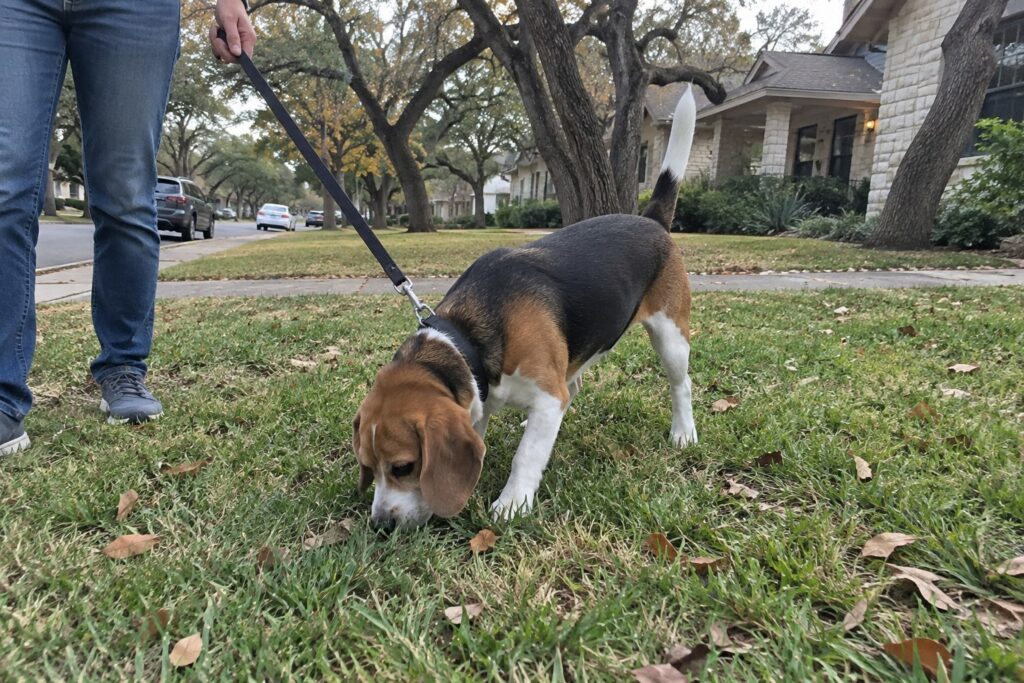
A quiet stretch of the Trinity Trails corridor, where you control the distance to other dogs and can leash-walk past them, is a far better training environment than an off-leash dog park. On the trail you decide how close is close enough. In the park, you decide nothing.
Better Alternatives for Controlled Dog-to-Dog Exposure
Controlled exposure is what actually builds social confidence. Try these instead:
- Structured play dates with one calm, known adult dog
- Parallel walking, two dogs side by side at a distance, with the gap closing gradually over time
- Supervised group training classes where a trainer manages every interaction
Your dog also needs a solid reliable recall before visiting Fort Worth parks. Without it, off-leash areas add risk, not benefit.
Mistake 3: Confusing Flooding With Socialization
Most owners who make this mistake had good intentions. They wanted their dog to get over a fear, so they brought the dog straight into the scary situation and waited for the dog to calm down. That approach has a name: flooding. And it is not socialization.
What Flooding Is and Why It Backfires
Flooding means forcing a dog to stay in a fear-inducing situation at full intensity until the dog stops reacting. The dog does not learn that the situation is safe. The dog learns it cannot escape. That is a very different outcome, and it can lead to learned helplessness or sudden aggression that seems to come out of nowhere.
The right approach is systematic desensitization. Start at a distance or intensity where your dog is calm and curious, then increase exposure only when your dog shows genuine comfort. Socializing a dog correctly means controlling the intensity of every experience, not throwing your dog into the deep end. Our puppy training in Fort Worth is built around this gradual, structured method from day one.
Reading Your Dog’s Body Language During Socialization
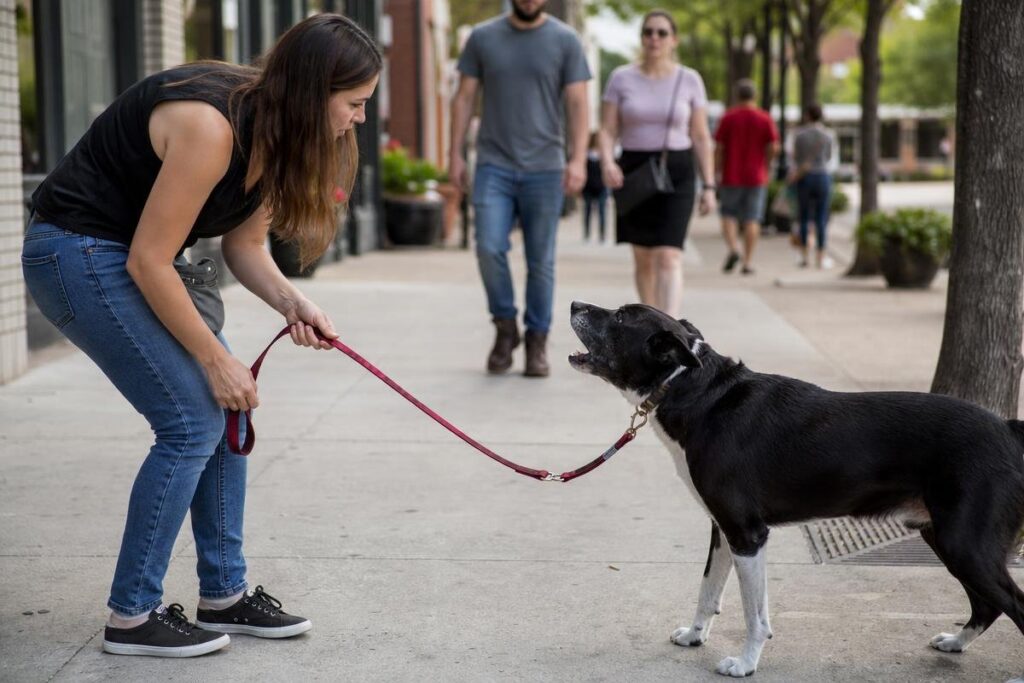
Socializing a reactive dog requires you to catch stress signals before they escalate. Many owners miss them entirely. Watch for:
- Lip licking or yawning outside of mealtime or sleep
- Whale eye, where the whites of the eyes are visible
- Tucked tail or lowered body posture
- Turning away or freezing in place
Bully breeds and working breeds we see often across the area tend to suppress these signals more than other breeds. If you are unsure what your dog is telling you, working with a trainer who reads and responds to your dog’s signals makes a real difference.
Mistake 4: Stopping Socialization After Puppyhood
Socialization is not a one-time task you check off during the puppy stage and forget. Dogs that were well-socialized early can still develop reactivity or fear if they go long periods without varied, positive experiences. This pattern is called social regression, and it is more common in Keller and Southlake than most owners realize.
Why Adult Dogs Still Need Regular New Experiences
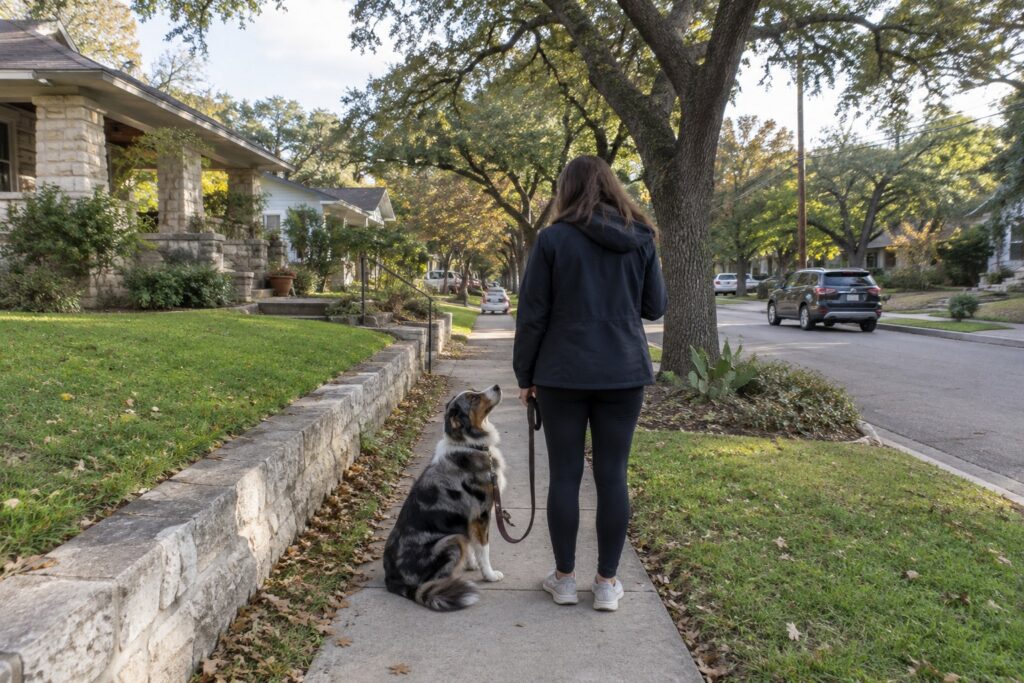
Fort Worth’s extreme summer heat, with heat index values regularly exceeding 110 degrees from June through September, keeps many dogs indoors for months at a stretch. That break in exposure narrows your dog’s world fast. By the time fall arrives, some dogs treat a simple neighborhood walk like a threat.
Watch for these signs that your adult dog needs more socialization work:
- Reacting to strangers on walks
- Lunging or barking at other dogs
- Fear of specific sounds or environments
- Hiding or shutting down in new places
If you are seeing these behaviors, it is not too late. Adult dogs can absolutely make progress with the right approach. Our dog training program in Fort Worth works with dogs of every age, breed, and temperament.
Socialization for Rescue Dogs and Dogs With a History of Fear
Rescue dogs often arrive with unknown histories and may have missed critical socialization windows entirely. Socializing a reactive dog with a fear history requires a slower, more systematic approach than standard puppy work. Flooding or forcing exposure makes things worse. If you are training a rescue dog in Fort Worth, structured professional guidance makes a real difference in how fast your dog builds confidence.
Mistake 5: Socializing Without Structure or a Clear Plan
Taking your dog to a busy parking lot and hoping for the best is not a socialization plan. It is random exposure, and it often does more harm than good. Real dog socialization means choosing the right distance and intensity for your dog’s current comfort level, pairing every new experience with something your dog values, and knowing exactly when to stop.
The Difference Between Structured Socialization and Random Exposure
Structured socialization means you are tracking progress, not just logging outings. You choose the environment deliberately. You watch for stress signals. You have an exit strategy before you arrive. If your dog is showing whale eye, tucked tail, or freezing up, that is your cue to create distance, not push through. A structured training program in Fort Worth gives you a clear framework so you stop guessing and start making real progress.
A Simple Fort Worth Dog Socialization Checklist
Use this checklist to track what your dog has experienced calmly and confidently. If any category triggers stress or reactivity, slow down and get professional help before continuing.
- People: strangers of different ages, children, people wearing hats or uniforms, people with strollers or umbrellas
- Environments: busy sidewalks, parking lots, veterinary offices, dog-friendly patios around Clearfork and the Stockyards
- Sounds: traffic, construction equipment, thunder, fireworks (spring storm season in Tarrant County makes thunder desensitization urgent)
- Other Animals: calm adult dogs, cats, livestock (especially relevant in the rural western areas of the county)
- Handling: ears, paws, mouth, grooming tools, nail clippers
If your dog cannot move through this list calmly, that tells you exactly where to focus next. Need help building a real socialization plan for your dog? Call us at (817) 393-6224 and we will show you where to start.
How All Dogs Unleashed Helps Fort Worth Dogs Build Real Social Confidence
Guaranteed results, lifetime support. Those are not marketing phrases here. They are the actual terms of our programs, backed by a money-back guarantee and support for the full life of your dog. We work with dogs of every breed, age, and temperament, including reactive and fearful dogs who have struggled for years. Our 121 five-star Google reviews tell the story better than we can: dogs coming home calm, confident, and responsive.
We serve dog owners across Keller, Southlake, Mansfield, and Arlington from our office at 4011 Benbrook State Route, Fort Worth, TX 76116. If you need help with puppy training in Fort Worth or with an adult dog whose social confidence has slipped, we have a program that fits.
Board and Train: Socialization in a Controlled, Supervised Environment
Our board and train program places your dog with our trainers full time. Trainers Dana and Chloe introduce new people, environments, and stimuli daily in a graduated, structured way. No random exposure. No flooding. Owners regularly tell us their dog “came home a whole new dog” with off-leash control and a noticeable difference in confidence around distractions.
In-Home Training: Fixing Reactivity Where It Actually Happens
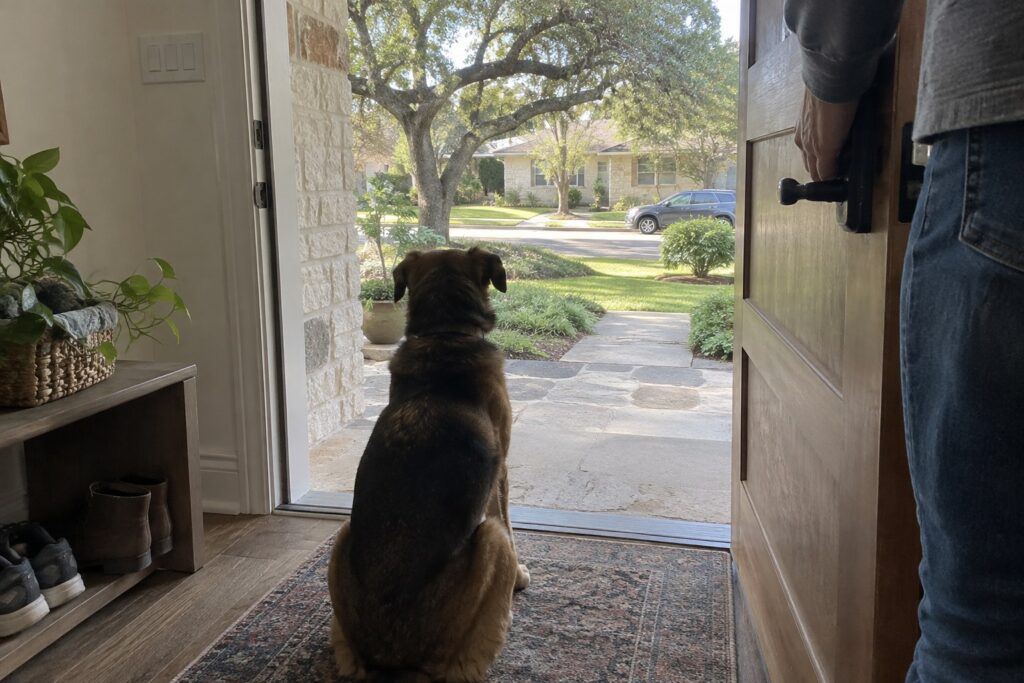
Some dogs are fine at the park but fall apart at the front door. Fear of visitors, jumping on guests, and leash reactivity and pulling on walks through busy suburban neighborhoods all show up differently at home. In-home training addresses those problems in the exact environment where they occur, which is where the real change sticks.
Start Socializing Your Dog the Right Way in Fort Worth
Guaranteed results, lifetime support, and a money-back guarantee. That is what you get when you work with us. Every mistake covered above is fixable, and we have helped dogs of every breed, age, and temperament work through every one of them.
Our team, including trainers Dana and Chloe, has earned 121 five-star Google reviews from dog owners across the area. That track record does not happen by accident. It happens because our structured, individualized approach gets real results and supports you well beyond the training program.
Ready to get started? Explore our dog training programs in Fort Worth or call us now at (817) 393-6224. Your dog deserves to feel confident, calm, and in control.
Frequently Asked Questions
What is the best age to start socializing a dog?
The primary window is 3 to 14 weeks. Starting at 8 weeks gives your puppy the strongest foundation. Our puppy training program in Fort Worth is built around this window so you do not miss it.
Can you socialize an older or adult dog?
Yes. It takes more time and consistency, but adult dogs can absolutely learn to stay calm around new people, animals, and environments. If you are training an adult rescue dog, systematic desensitization and positive reinforcement are the tools that work best.
How long does it take to socialize a reactive dog?
It depends on the dog’s history, breed, and how severe the reactivity is. Some dogs show real improvement in 2 to 4 weeks of consistent work. Others with deep-seated fear may need several months. A free consultation gives you a realistic timeline before you commit to anything.
Is a dog park a good place to socialize my dog?
Generally, no. One bad interaction can set back weeks of progress. Controlled play dates and structured group settings are far safer, especially for dogs still building social skills.
What does a professional socialization program include?
Socialization is built into every program we offer, including board and train and in-home training. Dogs are exposed to new stimuli gradually, under trainer supervision. Every program includes a money-back guarantee and lifetime support for the full life of your dog.
How much does dog training cost?
Pricing depends on the program and your dog’s specific needs. A free consultation gives you a clear quote before you commit. No surprise fees. Call us at (817) 393-6224 and we will walk you through your options.
Guaranteed results, lifetime support, and a money-back promise. That is what you get when you work with our team. Whether your dog is 8 weeks old or 8 years old, reactive or just rough around the edges, our trainers, including Dana and Chloe, have seen it before and know how to help.
Our 121 five-star Google reviews back that up. Call (817) 393-6224 to schedule your free consultation and get a clear, no-surprise quote.
Ready to Get Started with All Dogs Unleashed Dog Training Fort Worth?
Call (817) 393-6224 to speak with our team directly. We’re ready to answer your questions, walk you through your options, and help you find the right solution for your needs. Whether you’re just starting to plan or ready to move forward, we’ll make the process simple and stress-free. Reach out today and letxE2x80x99s talk about how we can help.