
If you have a new puppy or a recently adopted adult dog, learning how to teach a dog its name is one of the most useful first steps you can take. A name that reliably earns a quick glance gives you a way to get your dog’s attention before you ask for anything else, whether that is a sit, a leash walk, or a calm moment at the door.
At All Dogs Unleashed Dog Training Shreveport, we treat name recognition as a foundation skill. Below we walk through a simple routine Shreveport owners can practice at home, starting in a quiet room and building toward everyday distractions. We also cover the common mistakes that slow progress, and how our two-week Board and Train program can help when you want structured support.
Want help building attention skills with your dog? Reach out and tell us about your goals.
Key Takeaways
- When you learn how to teach a dog its name, treat it as an attention cue that means “look at me,” not as a command to come to you.
- Short sessions of a few repetitions, practiced in a quiet room first, help your dog connect the sound of the name with something good.
- Add distractions gradually, moving from indoors to the backyard and then to busier places only when your dog responds easily.
- Avoid using the name to scold or repeating it over and over, because both habits can teach your dog to tune it out.
- Keep the name separate from your recall cue so each signal has one clear meaning for your dog, and consider our two-week Board and Train program if you want hands-on help building focus.
Why Name Recognition Matters More Than You Might Think
Most owners say their dog’s name dozens of times a day. The question is what the dog learns from all that repetition. If the name is followed by fun, food, or attention, it becomes a sound worth responding to. If it is followed by nothing, or by frustration, it fades into background noise.
The Name Is an Attention Cue
Think of the name as a way to say “check in with me.” When your dog hears it, the ideal response is a quick turn of the head toward you and eye contact. That is all. The name does not need to mean sit, come, or stop. It simply opens the door so the next cue you give actually gets heard.
The American Kennel Club’s advice on teaching a dog its name frames it the same way: reward your dog for looking at you when you say the name, and build from there.
How It Supports Everything Else You Teach
Nearly every other skill starts with your dog paying attention. A dog that orients toward you on the first call of its name is easier to guide through leash walking, door manners, and household routines. If you are working on basics with a young dog, our puppy training tips for new dog owners in Shreveport pair well with the routine below.
How to Teach a Dog Its Name Step by Step
The routine itself is simple. What makes it work is consistency, short sessions, and patience as you add difficulty. Plan on a few minutes at a time, a couple of times a day, rather than one long session.
Step 1: Start in a Quiet Room
Pick a calm spot inside your home with few distractions, such as a living room or kitchen with the TV off. Have small, soft treats ready. Say your dog’s name once in a cheerful, normal tone. The moment your dog looks at you, mark it with a word like “yes” and give a treat.
Repeat this five to ten times, then stop while your dog is still interested. If your dog does not look, avoid saying the name again. Instead, wait a moment, make a small sound to get attention, and try again a little later.
Step 2: Practice From Different Positions
Once your dog looks at you quickly in one spot, change things up. Say the name when your dog is beside you, a few feet away, or facing a different direction. Practice in different rooms. This helps your dog understand that the name means the same thing everywhere in the house.
Step 3: Add Mild Distractions
Next, practice when something mildly interesting is happening. A family member might walk through the room, or a toy might sit on the floor nearby. Keep the challenge small enough that your dog can still succeed most of the time. If your dog misses several in a row, make the next step easier.
Step 4: Move Outdoors Gradually
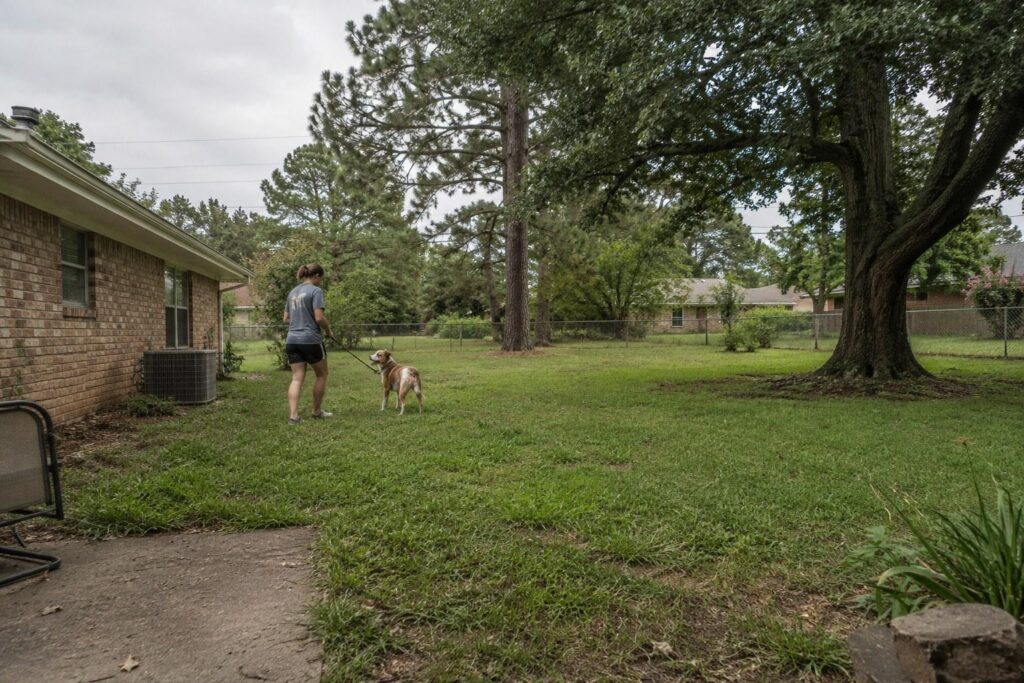
Your backyard is the natural next step. Smells, birds, moving objects, and neighborhood sounds all compete for attention. Keep your dog on a leash or in a secure area, use higher-value treats, and expect the response to slow down at first. That is normal and simply means you are adding difficulty.
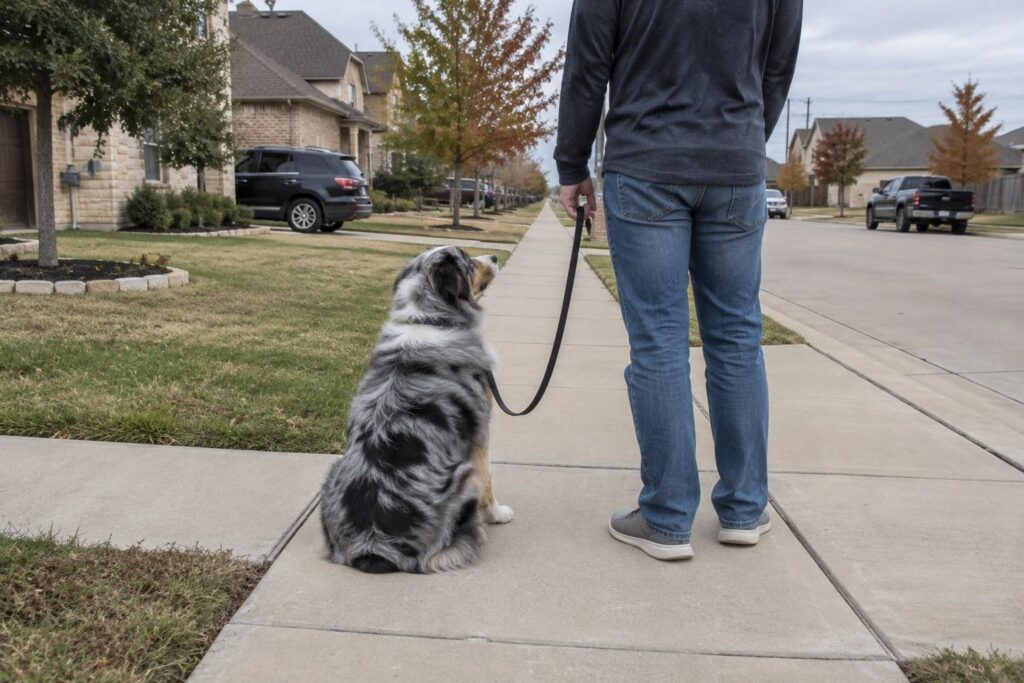
After the yard, try the front walk or a quiet stretch of your neighborhood. Busier places should come last, and only once your dog responds easily at each earlier stage.
Step 5: Fade the Treats Over Time
When your dog responds reliably in a setting, start rewarding some responses with praise, a quick play session, or access to something your dog wants, like going outside. Keep giving treats now and then so the name stays valuable. Moving to a new, harder setting is a good time to bring food rewards back.
A Sample Practice Schedule for Your First Few Weeks
Every dog learns at its own pace, so treat the schedule below as a loose outline rather than a deadline. Move to the next stage when your dog is responding quickly and happily, and step back if things fall apart.
| Stage | Where to Practice | What Success Looks Like | Reward Style |
|---|---|---|---|
| Stage 1 | Quiet room indoors | Quick head turn and eye contact on the first call | Treat every time |
| Stage 2 | Different rooms and positions | Same quick response from beside you or across the room | Treat every time |
| Stage 3 | Indoors with mild distractions | Looks away from a toy or person to check in with you | Treat most times |
| Stage 4 | Backyard on leash or in a secure area | Responds despite smells and outdoor sounds | Higher-value treats |
| Stage 5 | Front walk and quiet neighborhood streets | Checks in reliably most of the time | Mix of treats, praise, and play |
Keeping Sessions Short and Positive
Short sessions keep your dog engaged and help you end on a success. Five to ten repetitions is plenty for one round. You can also weave practice into your day, such as saying the name before meals, before opening the back door, or before tossing a toy.
Practicing With the Whole Household
If several people live with your dog, everyone should say the name the same way and reward the same response. Children can help too, with an adult nearby. Consistency across the household keeps the message clear for your dog.
Some owners prefer to have a professional build these attention skills alongside other obedience work. Our two-week Board and Train program gives dogs multiple structured sessions each day, and trainers practice exercises in varied contexts so skills carry over outside the training setting.
Common Mistakes That Slow Name Training
Most name training problems come from everyday habits rather than a stubborn dog. The good news is that each one is easy to fix once you notice it.
Using the Name as a Scold
Saying your dog’s name sharply when it chews a shoe or gets into the trash teaches the dog that the name sometimes predicts trouble. Over time, your dog may hesitate or avoid looking at you when it hears it. If you need to interrupt a behavior, use a separate interrupter sound or word, then redirect your dog to something appropriate.
Repeating the Name Over and Over
“Buddy, Buddy, Buddy, BUDDY” teaches a dog that the first three calls do not matter. Say the name once. If your dog does not respond, make the situation easier next time by reducing distractions or moving closer. Repetition without a response quietly trains your dog to ignore you.
Asking Too Much Too Soon
Calling your dog’s name for the first time in a busy park or next to another dog sets everyone up for failure. Build the skill step by step. A response that works in your kitchen is the foundation for one that works on a walk, not a replacement for practicing on walks.
Forgetting to Reward
It is easy to stop rewarding once your dog seems to “know” its name. But a response that never pays off tends to weaken. Keep reinforcing the head turn, even with simple praise, so the name stays meaningful.
| Habit | What Your Dog Learns | Better Approach |
|---|---|---|
| Saying the name in anger | The name can mean trouble | Use a separate interrupter, then redirect |
| Repeating the name several times | Only the last call counts | Say it once and make the next try easier |
| Testing in busy places too early | The name is easy to ignore outside | Add distractions gradually |
| Never rewarding once it “works” | Looking at you is not worth it | Keep reinforcing with treats, praise, or play |
Keeping Your Dog’s Name Separate From Recall
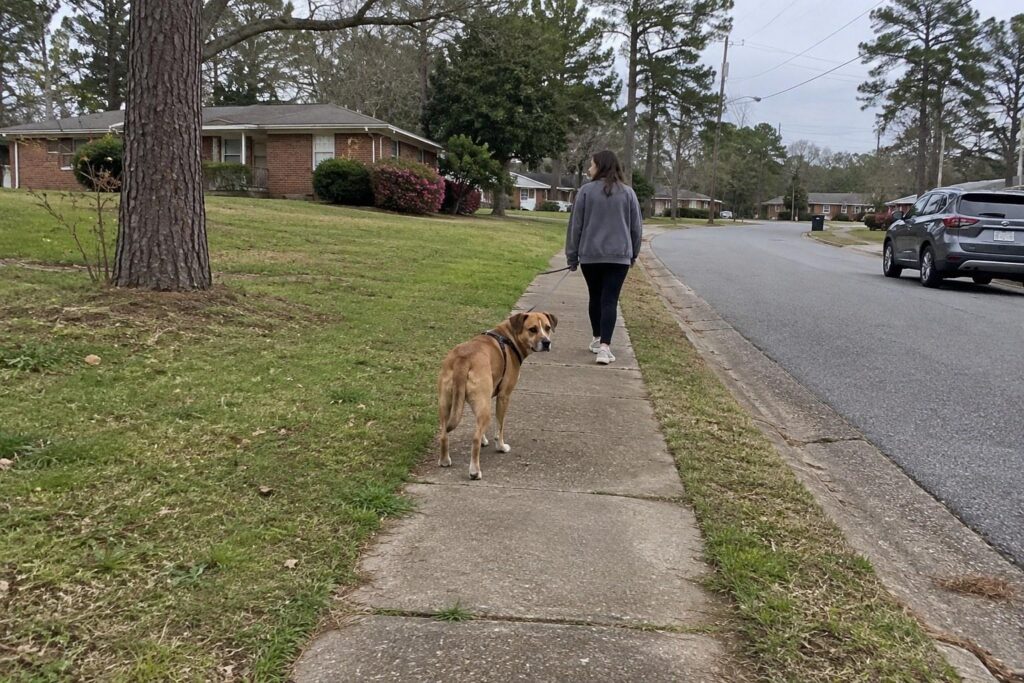
One of the most helpful things you can do is keep name recognition and recall as two distinct skills. They often get blended together, which can make both less reliable.
Why Two Different Cues Help
Your dog’s name asks for attention. A recall cue such as “come” asks your dog to stop what it is doing and move all the way to you. If the name sometimes means “look” and sometimes means “run to me,” your dog has to guess. Clear, separate cues remove that guesswork.
In practice, you might say your dog’s name, wait for eye contact, and then give the next cue, such as “come” or “sit.” The name gets attention, and the following word tells your dog what to do with it.
When You Are Ready for More
Once your dog checks in reliably, you have a strong starting point for bigger skills like recall, loose-leash walking, and calm behavior around distractions. If you want to keep progressing, read about building advanced dog training skills in Shreveport for ideas on what comes next.
Special Situations for Shreveport Dog Owners
Not every dog comes to you as a blank slate. Here is how to adjust the routine for a few common situations.
Newly Adopted Dogs and Name Changes
Many adopted dogs arrive with a name they do not respond to, or with a name you would like to change. The good news is that the same routine works for a brand new name. Start in a quiet room, pair the new name with rewards, and build from there. Our post on training mistakes to avoid after adopting a dog in Shreveport covers other early habits worth getting right.
Puppies With Short Attention Spans
Young puppies tire quickly, so keep sessions very short and practice when they are awake and alert rather than right after hard play. A few successful repetitions are worth more than a long session that ends with a distracted pup.
Easily Distracted or Anxious Dogs
Some dogs find it hard to focus on you in new places, and others become worried by sounds or people. For these dogs, stay longer at the easier stages and keep distance from triggers. If your dog shows fear or reactivity, our article on how behavior modification training addresses fear, anxiety, and reactivity explains how trainers approach those challenges. If something seems off with your dog’s health, such as sudden changes in hearing, check with your veterinarian.
When to Bring in Professional Help
Name training is a skill most owners can start on their own. Still, some dogs and households benefit from guidance, especially when attention problems are tied to bigger obedience goals.
Private and In-Home Lessons
With private and in-home dog training in Shreveport, a trainer works with you and your dog directly, in your own home. That makes it easier to fine-tune your timing, rewards, and practice plan. You can also learn more about the benefits of one-on-one private dog training.
Two-Week Board and Train
Our Board and Train program in Shreveport is a fixed two-week stay. Dogs get multiple structured training sessions daily, supervised socialization based on temperament, and handler transition training in the final days so you learn how to keep the skills going at home. Board and Train graduates receive guaranteed results and lifetime support at no additional cost.
Refresh Training
If your dog has already been through training and attention has slipped, refresh training can help tighten skills back up. You can compare options on our Shreveport dog training programs page.
Have questions about which option fits your dog? Call us at (318) 593-7321 to talk it through.
About All Dogs Unleashed Dog Training Shreveport
All Dogs Unleashed Dog Training Shreveport helps dog owners across Northwest Louisiana build practical, everyday obedience, starting with foundation skills like attention and name recognition. Our main offering is a fixed two-week Board and Train program with multiple structured sessions daily and handler transition training before your dog comes home. We also offer private and in-home lessons, boarding, and refresh training. Board and Train graduates receive guaranteed results and lifetime support at no additional cost.
Frequently Asked Questions
How long does it take a dog to learn its name?
It varies by dog. Many dogs start turning toward the name within a few short sessions in a quiet room, but a reliable response around distractions takes longer. Progress depends on age, temperament, and how consistently you practice. Focus on steady improvement at each stage rather than a set timeline, and step back when your dog struggles.
Can you change an adopted dog’s name?
Yes. Dogs learn a new name the same way they learn any cue, by pairing the sound with good things. Start in a quiet room, say the new name once, and reward a look. Use the new name consistently across the household and avoid mixing it with the old one so your dog is not confused.
Should I use my dog’s name to call it to me?
It is better to keep them separate. Use the name to get your dog’s attention, then give a distinct recall cue such as “come.” When the name only means “look at me,” your dog does not have to guess what you want. Separate cues tend to make both attention and recall more reliable over time.
Why does my dog ignore its name outside?
Outdoor settings are full of smells, sounds, and movement that compete for your dog’s attention. A response that is solid indoors often weakens outside at first. Go back to easier settings, like the backyard on leash, use higher-value treats, and add distractions gradually. Avoid repeating the name, which can teach your dog that ignoring it is fine.
What treats work best for name training?
Small, soft treats your dog can eat quickly work well, since you want to reward many times in a short session. Save extra-tasty options for harder settings like the yard or a walk. Account for treats in your dog’s daily food, and ask your veterinarian if your dog has dietary restrictions or health concerns.
Is it okay to say my dog’s name when it misbehaves?
Try not to. If the name often comes before a scolding, your dog may start to avoid looking at you when it hears it. Use a separate interrupter word or sound to stop the behavior, then redirect your dog to something appropriate. Keep the name connected to good outcomes so it stays a sound your dog wants to answer.
Knowing how to teach a dog its name gives you a simple, positive way to build attention that supports every other skill your dog learns. If you would like guidance, call us at (318) 593-7321 or reach out online. You can also visit our location at 1220 Shreveport Barksdale Hwy, Shreveport, LA 71105 to talk about training options for your dog.
Ready to Get Started with All Dogs Unleashed Dog Training Shreveport?
Give your dog a strong foundation for everyday obedience. Visit All Dogs Unleashed Dog Training Shreveport at 1220 Shreveport Barksdale Hwy, Shreveport, LA 71105, (318) 593-7321, or our Bossier City location at 4500 Benton Rd, Suite 200, Bossier City, LA 71111, (318) 562-6536, to talk with our team about Board and Train, private lessons, and more.