
Crate training a dog sounds simple until your dog is barking at 2 a.m. and you're not sure what went wrong. Most Fort Worth owners make the same handful of mistakes, and those mistakes turn a useful tool into a daily battle. At All Dogs Unleashed Dog Training Fort Worth, located at 4011 Benbrook State Rte in Fort Worth, our trainers work with dogs of all breeds, ages, and temperaments, and we see these patterns every week. Get ahead of them now and crate training becomes one of the fastest wins you can give your dog.
Struggling with crate training? Our Fort Worth trainers can assess your dog's behavior in the first session and build a plan that actually works.
Key Takeaways
- Crate training a dog fails most often because of sizing errors, rushed timelines, and inconsistent routines.
- A crate that is too large allows accidents inside and slows down the entire housetraining process.
- Dogs should be tired before crate time, especially during Fort Worth's hot summers when exercise windows are limited.
- Never use the crate as punishment, or your dog will resist it every single time you need it.
- Whining does not always mean distress, and responding too quickly teaches dogs that noise gets them out.
Why the Crate Is One of the Best Tools You Can Use
A crate is not a punishment. Used correctly, it is one of the most effective tools in dog training, and Fort Worth owners who skip it often deal with chewed furniture, house-training setbacks, and anxious dogs for months longer than necessary. Our trainers at 4011 Benbrook State Rte have worked with hundreds of dogs across Tarrant County, and the crate comes up in nearly every successful behavior plan we build.
What the Crate Actually Does for Your Dog
Many dogs become comfortable with a properly introduced crate because it offers a predictable, enclosed resting space. This is true for puppies learning the world and adult dogs who need a reliable place to decompress.
The three core benefits our team sees again and again:
- Reduces anxiety when left alone. A crate gives your dog a defined, predictable space instead of the stress of roaming an empty house.
- Prevents destructive behavior. Unsupervised dogs chew, dig, and get into trouble. A crate removes that opportunity during the hours you cannot watch them.
- Speeds up house-training. Many dogs prefer not to soil their sleeping area, which can make the crate a helpful part of house-training.
This section covers the why, not the how. The step-by-step mechanics come later. For now, understand that the crate works because it aligns with how your dog already thinks.
Why Fort Worth Dogs Especially Benefit from Crate Training
Giving a dog access to an entire house before it is ready can create avoidable opportunities for trouble. The crate sets a clear boundary while trust is still being built.
Our summers regularly push past 100°F, which means most dogs spend long hours indoors while owners are at work. That unsupervised indoor time is where bad habits form fast. Dogs that exercise at Trinity Trails or near the Benbrook Lake area before being crated settle far more quickly because they have already burned off the energy that leads to restless behavior. Build a safe exercise routine before crate time so your dog has an opportunity to settle.
Severe weather can keep dogs indoors for extended periods. A dog that is comfortable in its crate handles those stretches without stress. One that has never been properly introduced to a crate turns those days into a struggle for everyone in the house.
Mistake 1: Choosing the Wrong Crate Size or Type
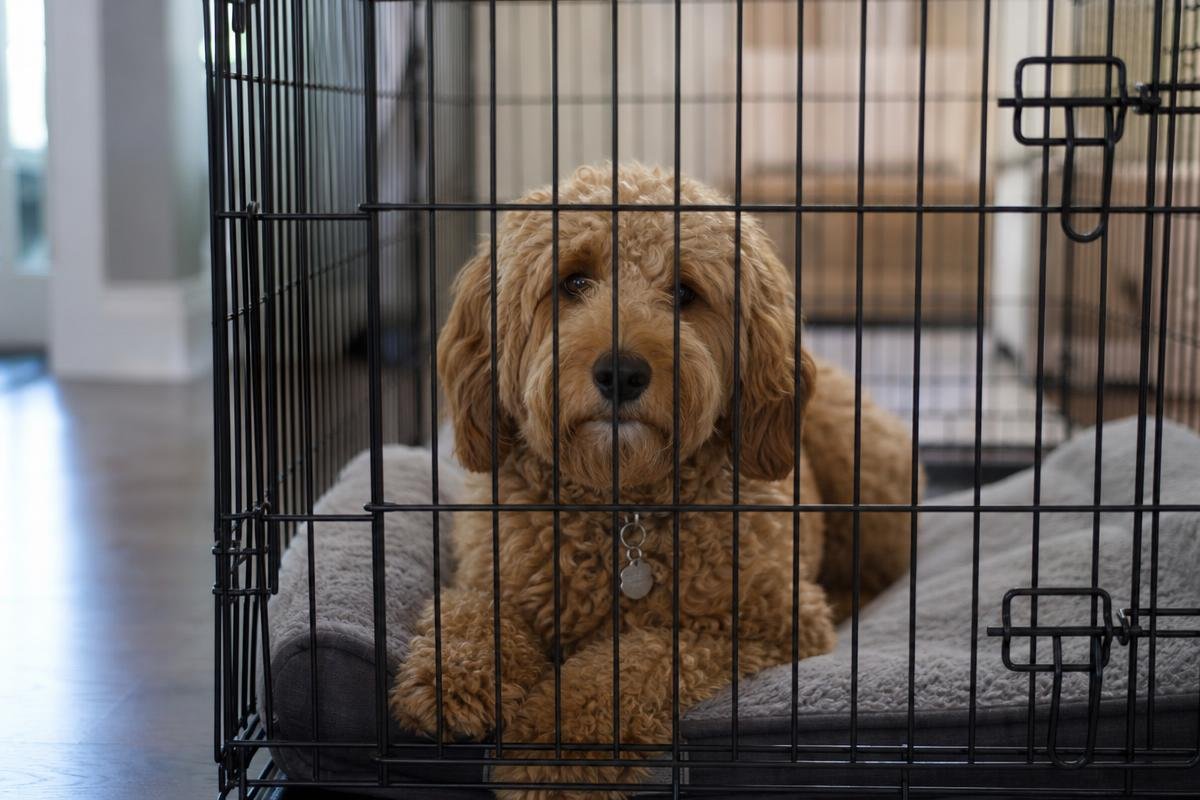
The most common dog crate training mistake we see from owners in Tarrant County is buying a crate that's too large. A crate with too much open space lets your dog sleep on one side and eliminate on the other. That defeats house-training completely. Getting the size and type right from the start prevents the most common setup errors before training even begins.
How to Size the Crate Correctly
Your dog should be able to stand up, turn around, and lie down without hitting the walls. That's it. No extra room needed. If you have a puppy that will grow into a medium or large dog, buy the adult-size crate now and use a divider panel. A medium-breed puppy with an expected adult weight of 20 to 40 pounds does well starting in a 30-inch crate with the divider set at 18 to 20 inches. Move the divider back as your puppy grows. Our team works through this sizing process with owners as part of our puppy training fort worth program.
Wire vs. Plastic vs. Soft-Sided: Which One Works Best
Crate type matters, especially here in Tarrant County where summer temperatures regularly push past 100°F. Wire crates offer the best airflow and visibility, making them a strong default for most dogs in this climate. Plastic airline-style crates create a darker, den-like feel that works well for anxious dogs. Soft-sided crates are not recommended for any dog new to crate training.
| Type | Best For | Avoid If |
|---|---|---|
| Wire | Most dogs, warm climates | Dog is highly anxious or escape-prone |
| Plastic (airline) | Anxious or den-seeking dogs | Dog runs hot or needs more airflow |
| Soft-sided | Travel with trained dogs only | Dog is new to crate training |
Mistake 2: Skipping the Introduction Phase
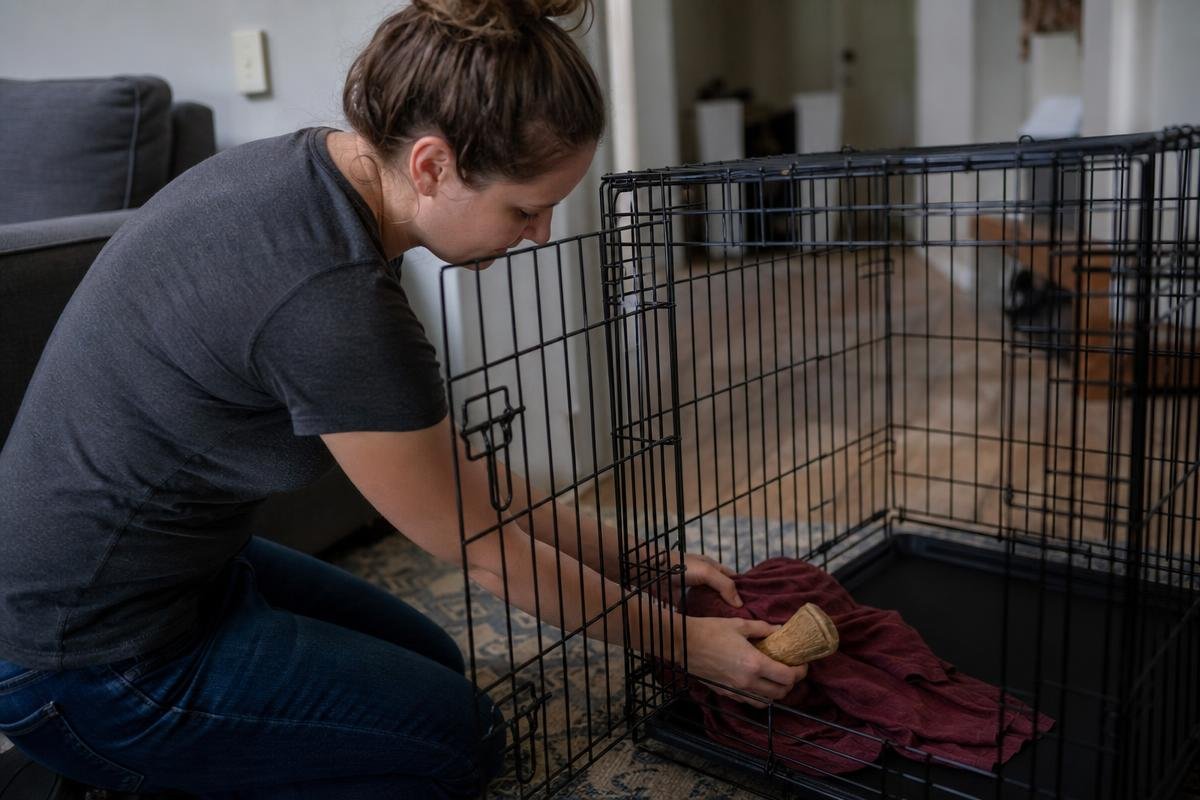
One of the most common dog crate training mistakes we see is owners putting their dog in the crate on day one, closing the door, and walking away. The dog panics. The owner either gives in immediately or pushes through without a plan. Either way, the crate becomes something the dog fears, and undoing that takes real time and patience.
The fix is simple: introduce the crate before your dog ever has to stay in it. Two to three days of proper prep makes everything that follows easier.
Step 1: Prep the Crate Before Your Dog Goes In
Before your dog takes a single step toward the crate, set it up correctly. These four steps make a real difference:
- Add a scent anchor. Place a worn t-shirt or blanket with your scent inside. Familiar smells reduce stress from the first moment.
- Add something to chew. A stuffed Kong or durable chew toy gives your dog something to do and builds a positive first memory.
- Position the crate in the right spot. Put it where your family spends time, like the living room or bedroom. A crate tucked in the laundry room or garage feels like isolation, not rest.
- Leave the door open for 24 to 48 hours. Let your dog explore on their own terms. No pressure, no coaxing. Just let curiosity do the work.
Dogs in Tarrant County neighborhoods like Benbrook and North Richland Hills often have access to large open-plan homes. That much unsupervised space too soon creates anxiety and bad habits. The crate, set up right, gives your dog a calm anchor point in a big environment.
Step 2: Build Positive Associations First
Once the crate is prepped, start connecting it to good things. Toss high-value treats near the entrance first, then just inside, then toward the back. Let your dog move at their own pace. Feed meals near the crate with the door open so the space becomes part of their routine, not a surprise.
Only close the door once your dog enters voluntarily and shows no stress signals, no panting, pawing, or whining. Rushing this step is where most owners go wrong when learning how to crate train a dog. If your dog is a puppy, these same principles apply early. Our puppy training fort worth program covers this introduction process in detail alongside foundational obedience skills.
Mistake 3: Moving Too Fast and Leaving Too Long
This is the mistake that derails more crate training progress than anything else. A dog does well for the first couple of days, the owner feels confident, and suddenly the dog is left alone for four hours. The dog panics. Trust breaks down. You're back to square one.
Slow, steady progression is what makes a crate feel safe. Rushing it teaches your dog that the crate is unpredictable, and that's the opposite of what you want.
Step 3: Build Up Time in the Crate Gradually
Follow a structured crate training schedule that adds time in small steps. Here's the progression that works:
| Day Range | Duration | Owner Location |
|---|---|---|
| Days 1 to 2 | 1 to 5 minutes | In the room, door closed |
| Days 3 to 4 | 10 to 20 minutes | In the room or nearby |
| Days 5 to 7 | 30 to 60 minutes | Out of the room |
| Week 2+ | 2 to 4 hours | Out of the home |
Your dog tells you when they're ready for the next step. Calm, quiet behavior at the current duration means you can move forward. Whining or distress means you stay where you are for a few more days.
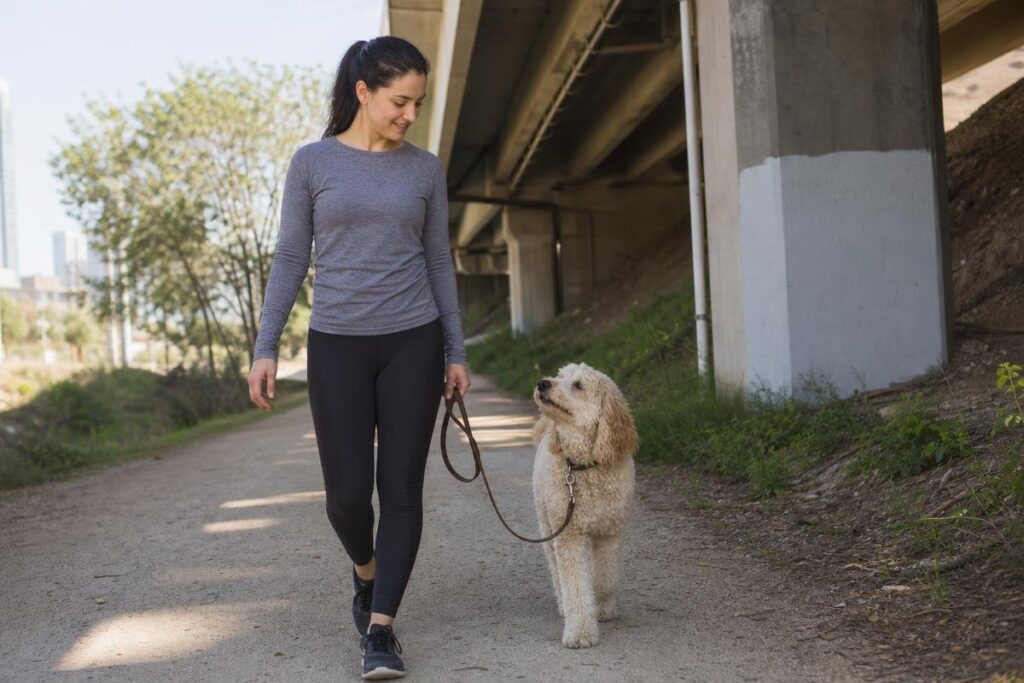
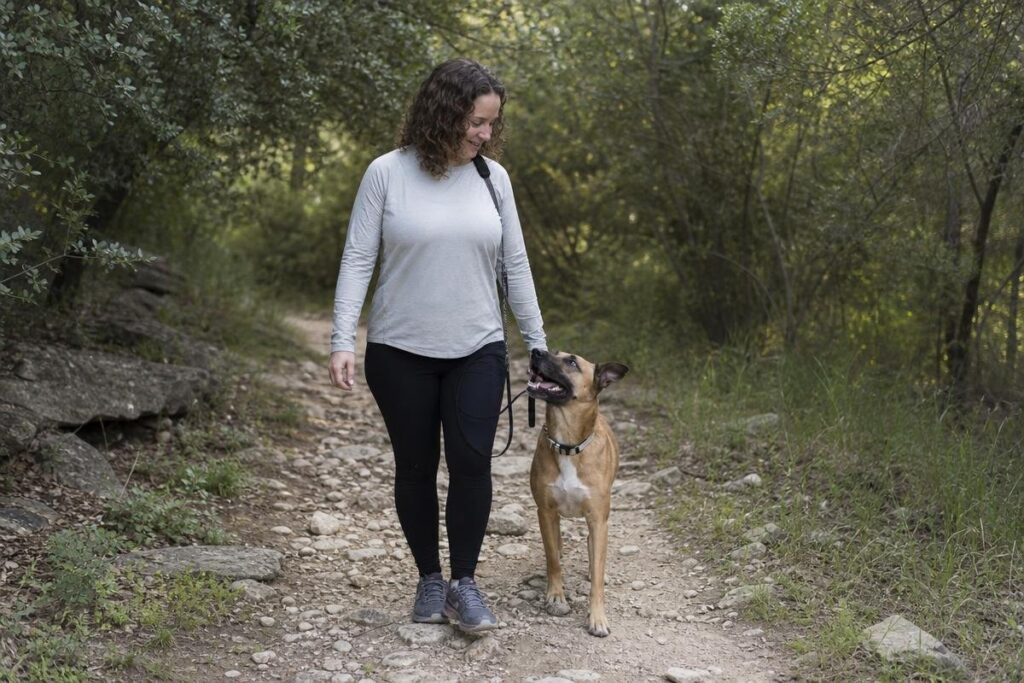
Before crating for the day, give your dog real exercise. Trinity Trails and the Benbrook Lake area are great options for a solid morning walk. During summer months in Tarrant County, get that walk done before 8 a.m. Heat-tired dogs do not settle well in a crate.
How Long Is Too Long? Real Time Guidelines by Age
Knowing how to crate train a dog means knowing their physical limits. These are general daytime guidelines, but your dog's needs may vary:
- Under 3 months: 1 hour maximum
- 3 to 6 months: 2 to 3 hours maximum
- 6 to 12 months: up to 4 hours maximum
- Adult dogs: Create a routine tailored to their individual needs, with exercise and breaks.
Overnight crating follows different rules. Dogs naturally sleep longer stretches, so nighttime limits are more forgiving than daytime ones.
Avoid leaving a dog crated for an entire workday without an appropriate break. If your schedule requires long days away, arrange a midday visit or dog walker and tailor the routine to your dog's needs. Our puppy training fort worth helps owners build realistic schedules that work for both the dog and the household.
Not sure if your dog's crate stress is a timing problem or something deeper? Our trainers assess behavior in the first session and build a plan around your schedule. Call us at (817) 393-6224 to get started.
What to Do When Your Dog Whines or Barks in the Crate
Dog whining in the crate is one of the most common reasons owners abandon crate training altogether. Before you respond, you need to know why your dog is vocalizing. The right response depends entirely on the cause.
Why Dogs Vocalize in the Crate
There are three distinct reasons a dog barks or whines when crated:
- They need to eliminate. Dogs signal urgency. If your dog hasn't gone out recently, this is a legitimate need that requires an immediate, calm response.
- They were never properly introduced to the crate. Skipping the introduction phase puts a dog in genuine distress. The crate feels like a trap, not a resting place.
- They've learned that vocalizing gets results. If the door opened every time your dog cried, your dog now knows the exit code. This is a learned behavior, not a panic response.
Distinguishing between these three is the most important skill in crate training. Getting this wrong is one of the most common dog crate training mistakes owners make.
The Right Response (and the Mistake Most Owners Make)
The most common mistake is opening the crate the moment your dog whines. That single action teaches your dog that whining works. Every time you repeat it, the behavior gets stronger. If your dog has been crated for less than its expected hold time and eliminated recently, wait. Hold out for even a 5 to 10 second pause in the barking, then open the door calmly. You are rewarding quiet, not noise.
If your dog shows signs of genuine distress such as vomiting, extreme panting, or attempts to injure itself, the introduction phase moved too fast. Step back to the beginning. Owners who have adopted from shelters should be especially patient here. Rescue dogs often carry unknown histories that make crate adjustment slower. Give them additional time to adjust.
One rule that never changes: never use the crate as punishment. A dog that connects the crate with being scolded will resist it every single time. If you need structured help building this foundation, our puppy training fort worth addresses crate behavior as part of a complete, individualized approach.
Additional Tips for Crate Training Success in Fort Worth
Timing, Routine, and Exercise Make the Difference
A tired dog settles into a crate far more easily than a restless one. A 20 to 30 minute walk or play session before crating makes a real difference in how quickly your dog relaxes. Summers here push well past 100°F, so plan exercise before 8 a.m. or after 7 p.m. to keep your dog safe. Look for dog-friendly trails and green spaces with posted rules that work year-round.
A consistent crate schedule tied to meals and sleep is one of the best puppy crate training tips we give new owners. Dogs thrive on predictability. When crating happens at the same times each day, your dog stops fighting it and starts expecting it.
A few more practical tips that make a real difference with your crate training schedule:
- Use the same verbal cue every time, such as "crate up" or "place"
- Cover the crate with a blanket to reduce visual stimulation
- Use white noise or a low-volume radio to mask startling sounds
- Never leave a collar or harness on a dog in the crate unsupervised
When to Ask a Professional Trainer for Help
If your dog still shows extreme distress after two to three weeks of consistent work, that is a signal to bring in help. Crate resistance paired with separation anxiety, resource guarding, or aggression goes beyond what most owners can address alone.
Our team at 4011 Benbrook State Rte, Fort Worth, TX 76116 works with dogs of all breeds, ages, and temperaments. A structured training plan can help dogs build calmer, more manageable routines. Guaranteed results and lifetime support mean you are never on your own after training ends.
How Crate Training Fits Into the Bigger Picture of Dog Training in Fort Worth
Crate training is a foundation behavior, not a standalone goal. A dog that is comfortable in a crate is easier to house-train, calmer during vet visits, and safer during boarding stays or severe weather. When Keller or Southlake winters bring unexpected ice storms that keep dogs indoors for days, a crate-comfortable dog handles that confinement without panic. That practical payoff extends well beyond keeping your dog out of trouble on a Tuesday afternoon.
Crate training also connects directly to other behaviors you probably want to fix. Dogs that struggle in the crate often have the same underlying issues driving leash pulling, resource guarding, or early dog aggression signs Fort Worth owners often overlook. Addressing those issues together in a structured training plan produces faster, more lasting results than working on each problem in isolation. If loose-leash manners are also on your list, practice those skills during calm neighborhood walks.
All Dogs Unleashed Dog Training Fort Worth works with dogs of all breeds, ages, and temperaments, from young puppies to adult dogs with established habits. Our team is based at 4011 Benbrook State Rte, Fort Worth, TX 76116, and we serve owners across the city and surrounding communities including Keller, Southlake, and North Richland Hills. Every plan comes with guaranteed results and lifetime support for the full life of your dog, so you are never left figuring it out alone. If you are ready to build on crate training with a full structured plan, our puppy training fort worth is a strong starting point.
Frequently Asked Questions
How long does it take to crate train a dog?
Most dogs accept the crate within one to three weeks of consistent daily practice. Dogs with anxiety or a prior negative experience may need four to six weeks. Consistency matters more than speed. Rushing the process is one of the most common reasons crate training stalls.
Should I put my dog in the crate at night right away?
Nighttime crating is often easier than daytime because dogs naturally sleep longer. Place the crate near your bedroom so your dog feels close to you. Puppies may need a bathroom break around 1 or 2 a.m. during the first few weeks, so plan for that before bed.
Is it okay to crate a dog while I'm at work?
Adult dogs need an individualized routine with appropriate exercise and breaks. A full eight or nine hour workday without a break is too long. Many of our clients who commute across the Metroplex arrange a midday dog walker or doggy daycare to cover that gap. Giving your dog a good walk before you leave, ideally in the cooler morning hours during summer, also helps settle them before crate time.
What should I put in the crate to make my dog comfortable?
Start with a soft crate mat or blanket and a stuffed Kong or chew toy. Skip food and water bowls that can tip and create a mess. Remove any collar or harness before closing the door, since those can catch on crate hardware when no one is watching.
My dog was crate trained before but now refuses the crate. What happened?
Sudden refusal usually traces back to a change in routine, a stressful experience inside the crate, or an underlying health issue. Rebuild positive associations from the beginning, the same way you started. If the refusal comes with other signs of anxiety, such as panting, pacing, or destructive behavior, reach out to a professional trainer rather than pushing through on your own.
When should I stop crate training my dog?
Keep the crate available indefinitely as a safe, familiar space. Once your dog has at least six months of reliable house-training and shows no destructive behavior when left unsupervised, you can retire the door. Many dogs continue choosing the crate on their own long after formal training ends. Our puppy training fort worth covers crate skills alongside obedience so your dog builds both at the same time.
Still struggling with a dog that refuses the crate, whines through the night, or has regressed after a promising start? Our team works with dogs of all breeds, ages, and temperaments across the city and surrounding communities. Ask about our board and train program if you want faster, lasting results without the daily guesswork. Call All Dogs Unleashed Dog Training Fort Worth at (817) 393-6224 or visit us at 4011 Benbrook State Rte, Fort Worth, TX 76116. We are here for the full life of your dog.
Ready to Get Started with All Dogs Unleashed Dog Training Fort Worth?
Call (817) 393-6224 to speak with our team directly. We're ready to answer your questions, walk you through your options, and help you find the right solution for your needs. Whether you're just starting to plan or ready to move forward, we'll make the process simple and stress-free. Reach out today and let's talk about how we can help.