
How Dallas Dog Owners Can Tell If Skills Are Fading or Just Being Ignored
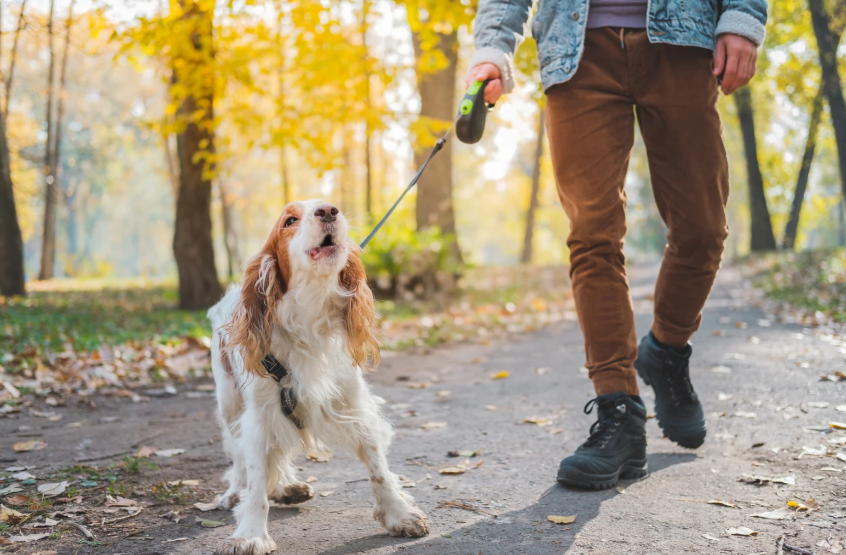
Your dog knew “sit” last week. Now they’re staring at a squirrel like you don’t exist. It happens to a lot of Dallas dog owners, especially on busy spots like the Katy Trail where distractions are everywhere. But there’s a real difference between a dog ignoring commands on purpose and a dog whose training has actually faded.
Knowing which one you’re dealing with changes everything about how you fix it. Our trainers at All Dogs Unleashed DFW help you figure that out fast and get your dog back on track with proven results. Not sure if your dog needs a refresher or a full reset? Let’s talk.
Key Takeaways
- A dog ignoring commands is not always being stubborn. Faded training and defiance look similar but need different fixes.
- High-distraction environments like busy trails and parks are where under-proofed skills break down first.
- Repeating a command your dog no longer responds to can actually make the problem worse over time.
- Board and Train programs give dogs the structured repetition needed to rebuild reliable, real-world obedience.
Your dog sits perfectly on command in your living room. You get to White Rock Lake or the Katy Trail, give the same command, and they look right through you. It feels personal. It is not. This is one of the most common complaints we hear from Dallas dog owners, and it has a specific cause with a specific fix.
Here is the key question most owners skip: is your dog forgetting the skill, or are they choosing not to respond? Those are two different problems. A dog whose training has faded needs a different approach than a dog who knows exactly what you want but has learned they can ignore you. Getting that diagnosis right is the first step to fixing it.
A dog ignoring commands is not a personality flaw. It is not stubbornness. It is a reliability gap, and every skill breakdown has a reason. All Dogs Unleashed DFW put this guide together to help Dallas owners figure out which problem they are actually dealing with, and what to do about it. If you want to understand the behavior problems Dallas trainers fix most often, this one is near the top of the list.
Fading vs. Refusal: Why the Difference Matters
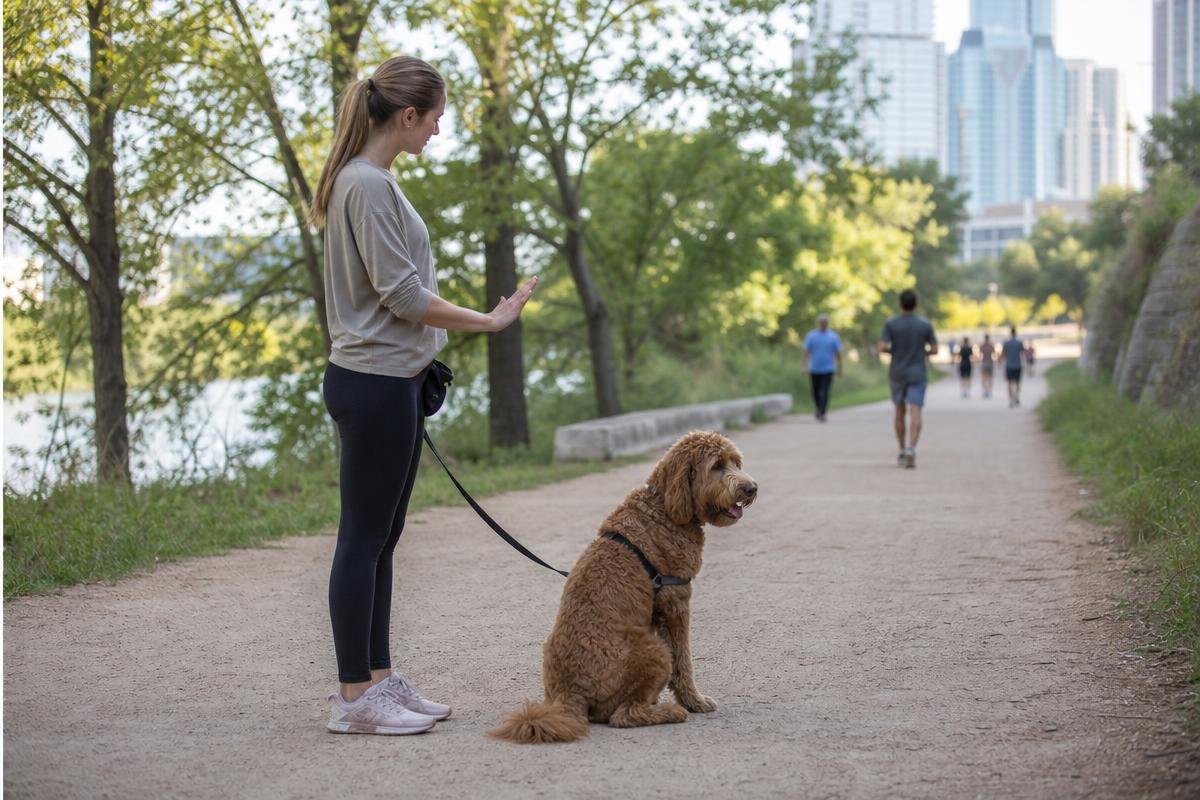
Faded training means the skill was never practiced enough to hold under pressure; refusal means the dog knows the command but has learned the environment outranks you. A dog not responding to commands is not always the same problem. Sometimes the skill has genuinely faded. Sometimes your dog knows exactly what you’re asking and is choosing to opt out. These two situations need completely different fixes.
Signs Your Dog’s Skill Is Fading
Fading happens when a behavior is no longer practiced enough to stay reliable. The dog is not being defiant. They just do not have the behavior locked in. Watch for these signs:
- Slow or sloppy response even in your living room with zero distractions
- Inconsistent performance across every environment, not just busy ones
- Regression after a week or two without practice
- Blank-stare response, like the word does not register at all
If your dog is struggling at home, the skill has faded. That is a foundation issue, not an attitude problem.
Signs Your Dog Is Refusing
Refusal looks different. The dog performs perfectly in your kitchen, then completely shuts down along the sidewalks of Bishop Arts District with foot traffic and other dogs everywhere. Or they respond for a piece of chicken but ignore you when you offer praise. That is not forgetting. That is a dog who knows the command but has decided the environment is more interesting than you are. Common signs of refusal:
- Flawless at home, unreliable in new or busy places like Reverchon Park
- Responds only after you repeat the command three or four times
- Works for high-value food rewards but ignores verbal cues alone
- Performs in low-distraction spots but shuts down at dog-friendly spots like Mutts Canine Cantina or a packed Wagging Tail Dog Park
That last point about repetition is important. When you repeat a command multiple times, your dog learns that the third or fourth cue is the real signal. You are accidentally training your dog to ignore the first ask. This is sometimes called “repetition without meaning,” and it is one of the most common patterns we see.
Why Getting This Wrong Wastes Time
If your dog’s skill has faded and you drill them harder, you reinforce confusion. If your dog is refusing and you go back to basics without addressing the distraction gap, nothing changes either. Matching the fix to the actual problem is everything. Our post on 8 dog obedience commands every Dallas owner should teach first is a good place to check whether the foundation is solid before you move forward.
The Real Reasons Dogs Ignore Commands (It Is Not Stubbornness)
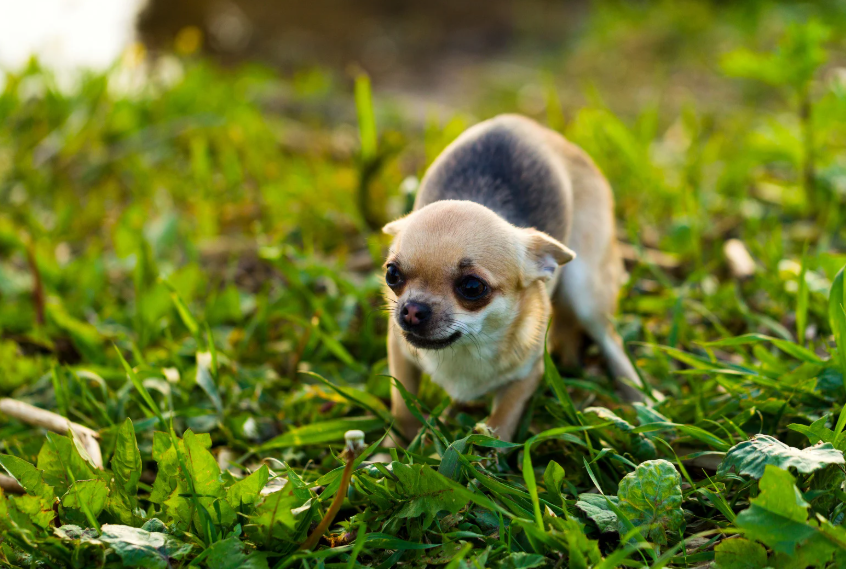
Your dog is not trying to embarrass you in Deep Ellum foot traffic. When your dog ignores commands outside, it is almost always a skill that has not caught up to the environment, not a personality flaw. Understanding why this happens makes it a lot easier to fix.
Distraction Overload and Threshold
Every dog has a distraction threshold. Below that threshold, your dog can hear you, process the cue, and respond. Above it, your voice simply cannot compete with what is happening around them.
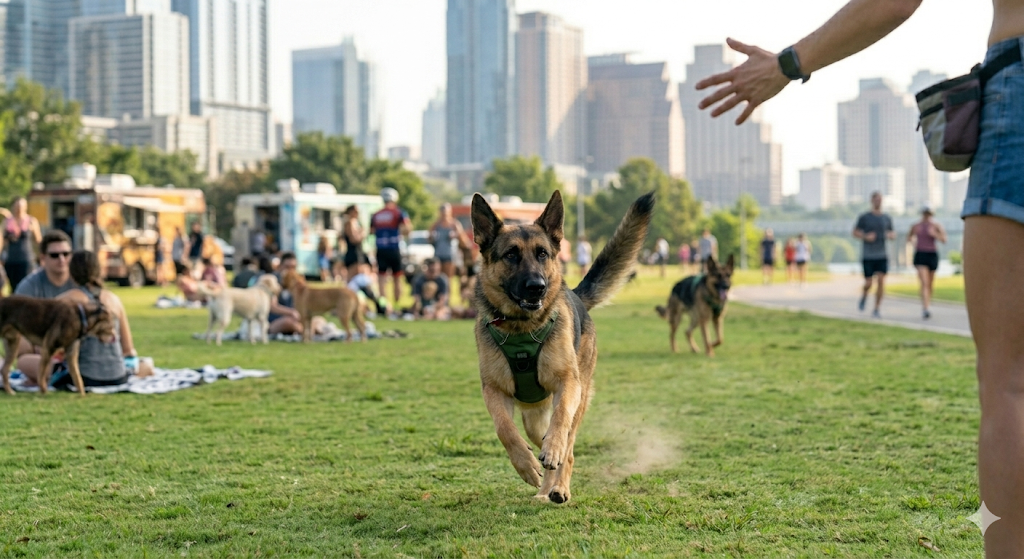
Think about White Rock Lake on a Saturday morning. Cyclists, joggers, other dogs, geese, and the smell of everything. That environment is a completely different world from your living room. If your dog only practiced dog obedience commands at home, the threshold at a high-traffic spot like Mutts Canine Cantina on Henderson Ave will blow right past what they can handle. Dallas summers make this worse. Above 100°F from June through September, heat-stressed dogs lose focus faster and hit their threshold sooner.
- Your dog responds perfectly at home but shuts down outside
- They lock onto another dog or a squirrel and stop responding entirely
- Sessions fall apart within the first few minutes outdoors
Repetition Without Meaning
This one is common, and it is not your fault. If you say “sit, sit, SIT” before your dog actually sits, you are teaching them that the third cue is the real signal. The first two become background noise. Over time, your dog learns to wait you out.
It happens fast. A few weeks of repeated cues and your dog has quietly learned a different version of the command than the one you intended to teach.
- You find yourself repeating commands more than once before your dog responds
- Your dog pauses and watches you instead of responding immediately
- Response times keep getting slower, not faster
Want a faster route to real-world reliability? See how our Board and Train program rebuilds obedience under real distractions.
Reward Value Is Too Low
Why does your dog ignore you for kibble but snap to attention for chicken? Because the reward has to match the distraction level. Trainers call this matching reinforcement to the environment. A piece of dry kibble that works fine in the kitchen is worthless on a busy stretch of the Katy Trail with other dogs passing every thirty seconds.
- Your dog responds well at home but ignores you the moment you step outside
- They take the treat but still do not follow through on the command
- High-value rewards suddenly get their attention when nothing else did
If you are asking “why does my dog ignore me outside,” the answer is usually one of these three things working together. None of them mean your dog is defiant. They mean the training needs to catch up to the environment.
The Dallas Owner’s Self-Assessment Checklist
Before you book anything or change your whole routine, run this four-step test. It takes about ten minutes. It will tell you exactly what you are dealing with: a skill that has faded, a command that was never fully proofed, or a reward problem. Each step builds on the last, so do them in order.
Step 1: Test at Home With Zero Distractions
Go to a quiet room. No TV, no kids, no other dogs. Give the command once, in a calm, normal voice. Watch what happens.
- Dog responds on the first cue: The skill is intact. Move to Step 2.
- Dog does not respond at all: The skill has faded. You need to go back to basics before anything else.
What this tells you: If your dog cannot perform a command in total silence, the problem is not distraction. It is the foundation.
Step 2: Move to a Low-Distraction Outdoor Space
Take your dog to your backyard or a quiet street in your neighborhood. If you are in Lakewood (75214) or Highland Park (75205), a calm residential block works perfectly. Give the command once. Do not repeat it.
- Dog responds: The skill holds outdoors at low distraction. Move to Step 3.
- Dog ignores you: The command is under-proofed for outdoor environments. Proofing dog commands across different locations is the fix, not more repetition indoors.
The takeaway: Reverchon Park and White Rock Lake are not where you run this test. Those are high-distraction environments. Save them for after the skill is solid.
Step 3: Count How Many Times You Say the Command
This one surprises most people. Over the next few days, count how many times you say the command before your dog actually moves. Be honest.
- One time and they respond: Good. Keep going.
- Two or more times: Your dog has learned that the first cue does not count. They are waiting for the repeat. That is a training pattern issue, not a dog obedience training problem in the traditional sense.
What this reveals: Dogs do not ignore the first command by accident. They learn it is optional because we teach them it is.
Step 4: Swap Your Treat for Something High-Value
Try the command again, but this time swap your usual kibble for a small piece of chicken or cheese. Give the command once.
- Dog responds immediately: They knew the command the whole time. The reward was the gap, not the skill.
- Dog still does not respond: The issue runs deeper than motivation. This is when board and train programs become worth a real look.
Bottom line: A dog that suddenly listens for chicken has been communicating clearly. The deal just was not good enough before. Not sure what your results mean? Our trainers in Dallas can read the pattern and tell you exactly what to fix next.
How to Fix a Dog That Is Ignoring Commands: The Proofing Process
Once you have figured out whether your dog’s skills are fading or being refused (covered in section two), the fix is the same starting point: go back to basics and rebuild with structure. That process is called proofing, and it is the most skipped step in dog training.
Go Back to the Last Place It Worked
Proofing dog commands means teaching your dog that a command carries the same meaning everywhere, not just in your kitchen. Start at the environment where your dog last responded reliably. Then add one variable at a time. The three variables are distance, duration, and distraction. Never add all three at once.
This is not punishment. It is a reset. You are closing the gap between what your dog knows and what they can actually do under pressure.
Proof Commands Across Dallas Environments
Here is a practical proofing ladder built around real Dallas locations. Work each level until your dog responds reliably before moving up.
- Kitchen or living room with no distractions
- Backyard with mild outdoor smells and sounds
- Quiet neighborhood sidewalk in your zip code
- Bishop Arts District sidewalks on a weekday morning (lower foot traffic, fewer dogs than weekends)
- White Rock Lake on a weekend afternoon (high foot traffic, bikes, other dogs)
The Katy Trail and White Rock Lake are where a dog not responding to commands becomes obvious fast. Both are busy, leashed-dog corridors where distractions stack up quickly. If your dog ignores commands outside in those environments, they have not been proofed there yet. That is a reliability gap, not a behavior problem.
One Dallas-specific note: if you are training outdoors from June through September, keep sessions short. Heat above 100°F drains your dog’s focus faster than any distraction will.
When Co-Occurring Problems Signal a Bigger Gap
If your dog is ignoring commands AND pulling on the leash AND jumping on guests, those are not three separate issues. They point to one root cause: a foundational obedience gap. These are some of the most common dog behavior problems Dallas trainers fix every week, and they almost always share the same starting point.
A reactive dog who also ignores commands in public needs the foundation rebuilt, not just individual behaviors patched. Proofing addresses all of it at the root level.
When DIY Is Not Enough: What Dallas Trainers Do Differently
Sometimes the checklist and the proofing drills are not enough. If your dog’s command reliability has completely broken down, or you’re dealing with a dog that tunes you out in nearly every situation, professional help is the faster, more reliable path. Our trainers work with dogs across the DFW area every day, and the results speak for themselves: thousands of five-star reviews and a Wall of Fame full of dogs that came in struggling and left reliable.
Why Dogs Pay Attention to Trainers Right Away
Trainers are not magic. They simply have no history with your dog. Your dog has never ignored them, never learned that “sit” sometimes means nothing, and never figured out that waiting long enough makes the command disappear. The slate is completely clean.
That fresh start matters more than most owners realize. Our trainers, including Jake and Randall, also control the environment from the very first session. Reward timing is precise. Distractions are introduced on a schedule. There is no guessing. That level of consistency is genuinely hard to replicate at home, especially during DFW summers when outdoor sessions need to stay short to keep a heat-stressed dog focused and responsive.
How Our Team Rebuilds Command Reliability
Our Board and Train program is the fastest option for dogs with significant gaps. Your dog lives and works with our trainers daily in controlled environments. A typical day mixes short, focused obedience reps with structured rest, then layers in real distractions like passing dogs, foot traffic, and noise as the skill holds. Commands get rebuilt from the ground up, then proofed against those distractions. When your dog comes home, you will see a night and day difference from drop-off to pick-up.
We do not just hand the dog back and wish you luck. Owners receive a structured handoff session and lifetime support. Guaranteed results are not a slogan here. It is how we operate.
- Daily one-on-one work with our trainers
- Controlled distraction proofing built into every stage
- Structured owner handoff so the skills transfer to you
- Lifetime support after the program ends
If you want to understand what dog behavior problems our trainers fix most often, that page is a good place to start. Or contact us directly. Our team is based in the DFW area and ready to help you get real, lasting results with your dog.
Frequently Asked Questions
Why does my dog listen at home but ignore me outside?
The environment is outcompeting you. Outside, there are smells, sounds, other dogs, and foot traffic all competing for your dog’s attention. Your cue has not been practiced enough in those conditions to win. Repeating the command louder does not fix this. Proofing the command in new environments does.
Is my dog being stubborn or does it actually not know the command?
Try offering a high-value treat right after you give the cue. If your dog responds, they know the command. The reward just was not worth it. Go back to the self-assessment checklist earlier in this article to identify exactly where the gap is.
How many times should I repeat a command before giving up?
Once. Give the cue one time. If your dog does not respond, reset the environment and try again. Every repeated cue teaches your dog to wait for the second or third ask before responding.
Can an older dog relearn commands it used to know?
Yes. Age is not the barrier most owners think it is. Senior dogs can absolutely learn new skills with the right approach and consistent practice. It may take a little more patience, but the results are real.
What is the fastest way to fix a dog that ignores commands in Dallas?
Our Board and Train program. Your dog works with our trainers every day in structured sessions. Owners in a city with long work hours and summers that push past 100 degrees often find daily DIY sessions hard to sustain. Board and Train removes that barrier. You get a handoff session at the end and lifetime support after.
Should I use treats every time my dog responds to a command?
Not forever. Once a command is solid, switch to a variable reward schedule. Intermittent rewards actually strengthen the behavior over time. During proofing in new environments like Mutts or a busy neighborhood park, go back to high-value treats consistently until the command holds reliably.
If your dog is ignoring commands and the self-assessment checklist pointed to a real gap, the next step is talking to a trainer who can see what is actually happening. Our team works with dogs every day across the exact environments you are dealing with. We also offer in-home dog training, boarding, and grooming for Dallas dogs. Reach out to our team and let’s build a plan that gets your dog responding reliably, whether you are in your kitchen or on the Katy Trail on a Saturday morning.
Ready to Get Started with All Dogs Unleashed DFW?
Get in touch to speak with our team directly. We’re ready to answer your questions, walk you through your options, and help you find the right solution for your needs. Whether you’re just starting to plan or ready to move forward, we’ll make the process simple and stress-free.
Reach out today and let’s talk about how we can help.