
If your dog trembles at the sound of thunder, bolts during fireworks, or panics whenever loud noises occur, they may be experiencing noise phobia, one of the most common anxiety-related conditions in dogs. At All Dogs Unleashed in Carrollton, TX, our trainers help fearful dogs build confidence and learn to cope. Here is what you need to know about recognizing the signs and taking action.
What Causes Noise Phobia in Dogs?
Noise phobia is more than just a startle response. It is a persistent, excessive fear reaction triggered by specific sounds such as thunder, fireworks, construction noise, or even loud traffic. Several factors can contribute to a dog developing noise phobia:
- Genetics: Some breeds, including herding dogs and working breeds, are more predisposed to sound sensitivity due to their heightened alertness.
- Lack of early exposure: Dogs that were not exposed to a wide range of sounds during the critical socialization window (typically 3 to 14 weeks of age) may be more likely to develop fear responses later.
- Traumatic experiences: A single frightening event involving a loud sound can create lasting anxiety.
- Age: Older dogs sometimes develop noise phobia as their sensory processing changes.
- Health factors: Pain or cognitive decline can amplify anxiety responses in senior dogs.
Understanding the root cause helps determine the best approach to management and training.
Signs Your Dog Has Noise Phobia
Not all dogs express fear the same way. Some dogs are obvious about their distress, while others may show subtler signs that owners sometimes miss. Common indicators include:
- Trembling or shaking
- Excessive panting or drooling
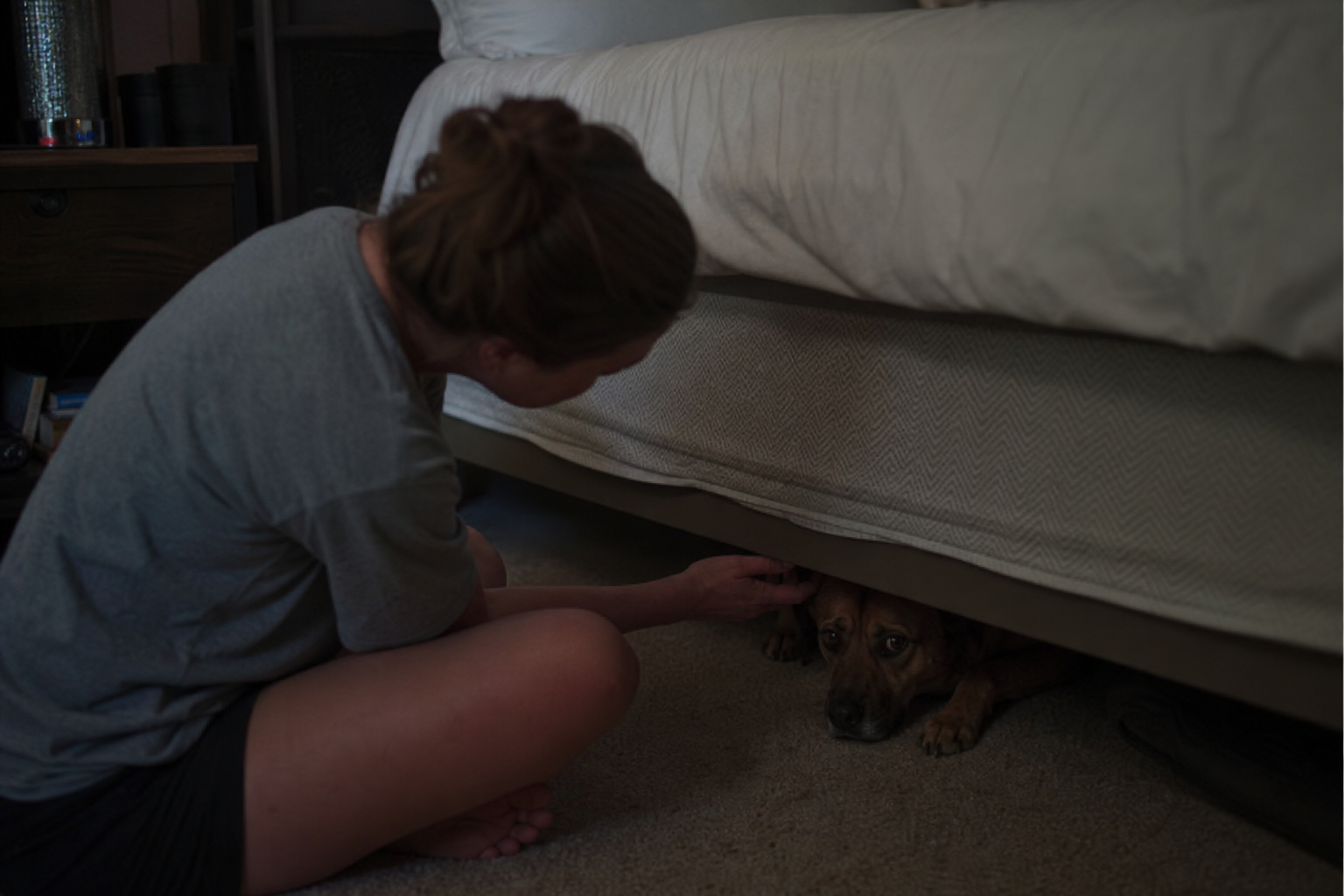
- Hiding under furniture or in closets
- Destructive behavior during storms
- Trying to escape the yard or home
- Barking or whining continuously
- Refusing to eat or drink
- Pacing and inability to settle
If your dog shows any of these behaviors during or before loud noise events, they likely have some degree of noise sensitivity that deserves attention. You can learn more about professional support through training programs designed to address behavioral concerns like fear and anxiety.
Desensitization and Counter-Conditioning
Two of the most effective evidence-based techniques for addressing noise phobia are desensitization and counter-conditioning. These approaches are often used together.
- Desensitization involves gradually exposing your dog to the feared sound at a very low volume over an extended period. The idea is to decrease the emotional response by making the stimulus feel less threatening. You start with a recording of the sound played so quietly that your dog shows no reaction, then very slowly increase the volume across many sessions spanning weeks or months.
- Counter-conditioning pairs the feared stimulus with something your dog finds positive, typically high-value treats or play. Over time, the dog begins to associate the sound of thunder or fireworks with something good rather than something scary.
For best results, these techniques should be implemented consistently and patiently. Rushing the process or exposing your dog to sounds at a volume that triggers a fear response will set back progress. Many owners find it helpful to work with a certified trainer who has experience in behavior modification.
Management Strategies for Immediate Relief
While behavior modification takes time, there are steps you can take right now to help your dog feel safer during loud noise events:
- Create a safe space: Give your dog access to a quiet interior room, a covered crate, or a closet where the noise is muffled. Let them choose the spot they feel safest in.
- Use white noise or calming music: Playing background noise can help drown out sudden sound spikes.
- Try a pressure wrap: Products like anxiety wraps or snug-fitting garments apply gentle, constant pressure that some dogs find calming.
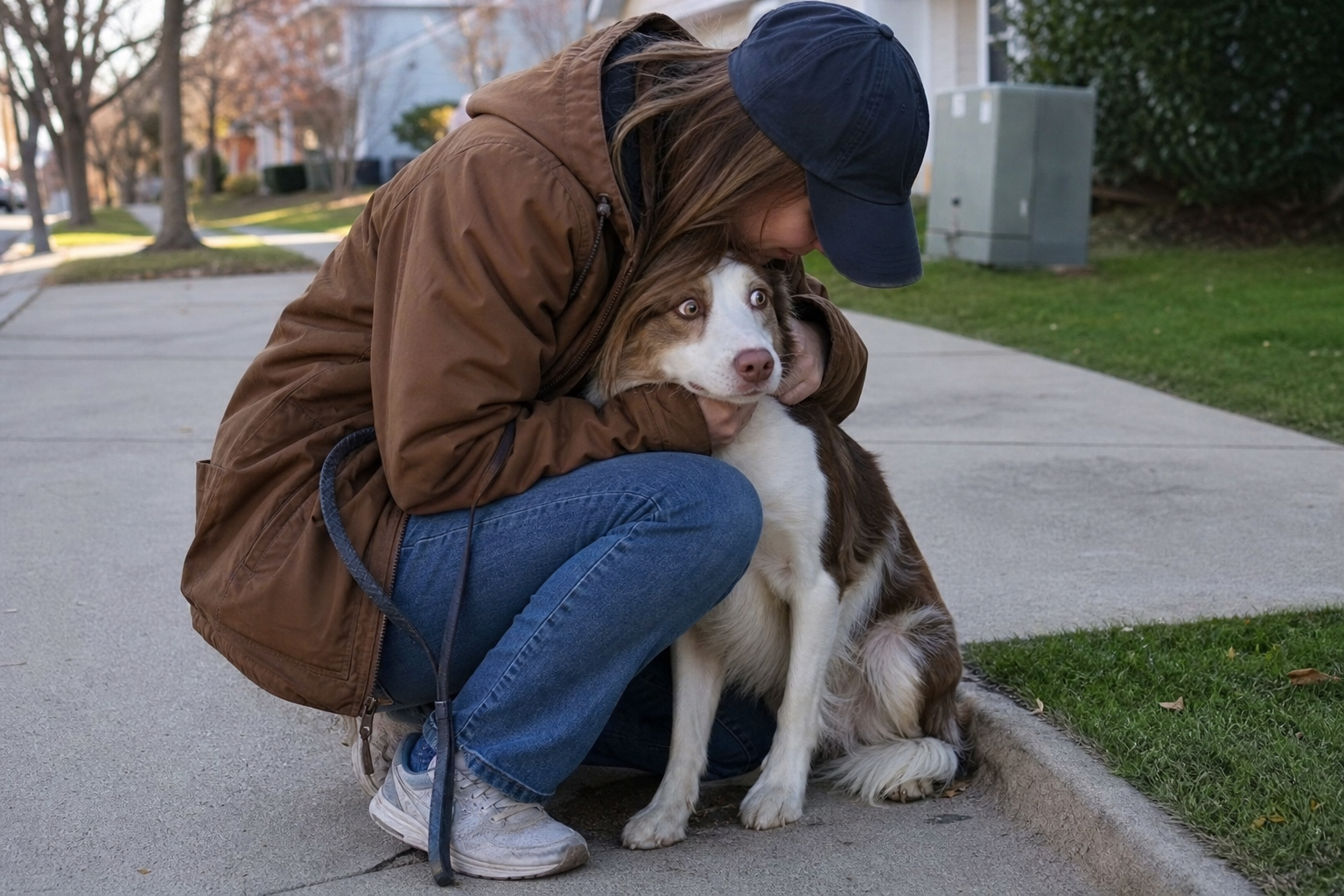
- Avoid reinforcing panic behavior inadvertently: Comforting your dog during fear is fine, but avoid overly dramatic reassurances that may signal to your dog that the situation is indeed dangerous.
- Stay calm yourself: Dogs are highly attuned to human emotions. Remaining calm and going about your normal routine during a storm can help reassure your dog.
- Consult your veterinarian: In severe cases, your vet may recommend anti-anxiety medications or supplements used in combination with behavior modification.
The Role of Training in Long-Term Improvement
Noise phobia does not typically resolve on its own. A structured training approach that includes both desensitization and positive reinforcement techniques can make a significant long-term difference. Many Carrollton dog owners find that working with professional trainers provides the accountability and expertise needed to see real progress.
At All Dogs Unleashed, our in-home dog training option allows trainers to work with your dog in the actual environment where the fear occurs, which can be especially effective. Our trainers can assess your dog’s specific triggers and anxiety level, then create a customized plan that fits your schedule.
Frequently Asked Questions
Can noise phobia in dogs be cured?
While “cured” may not be the right word, noise phobia can be significantly reduced with consistent training and the right management strategies. Many dogs go from complete panic to mild discomfort with proper behavior modification over time.
Is it safe to use calming supplements for dogs with noise phobia?
Many dogs do well with veterinarian-approved calming supplements such as those containing melatonin, L-theanine, or casein. Always consult your vet before introducing any supplement, especially if your dog takes other medications.
Does punishing a fearful dog help?
No. Punishment during a fear episode increases anxiety and can worsen noise phobia significantly. Positive, calm responses are always more effective.
At what age can I start desensitization training for noise phobia?
The earlier the better. Puppies can begin gentle sound exposure as part of socialization. For adult dogs, desensitization is still very effective when done properly and at the right pace.
How long does desensitization take?
It varies by dog and the severity of the phobia. Some dogs show improvement within weeks, while others may take several months of consistent work. Patience and consistency are key.
Start Helping Your Dog Feel Safer Today
Noise phobia in dogs is common in Carrollton and across the DFW area, especially during storm season and around major holidays. With the right approach, combining management tools and structured training, most dogs can learn to feel significantly calmer in the face of loud sounds. At All Dogs Unleashed, we are here to help. Call us at (972) 484-3647 or stop by 2401 Luna Rd, Carrollton, TX 75006 to talk with our team about the best options for your dog.