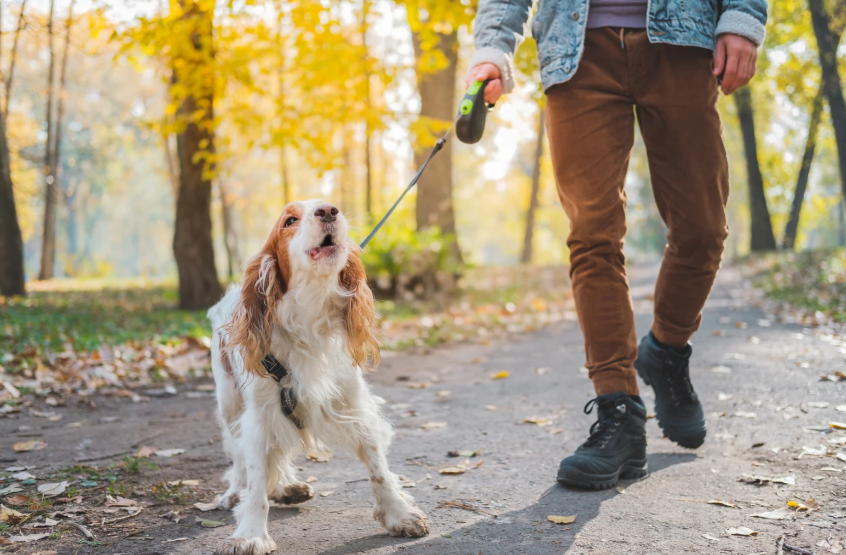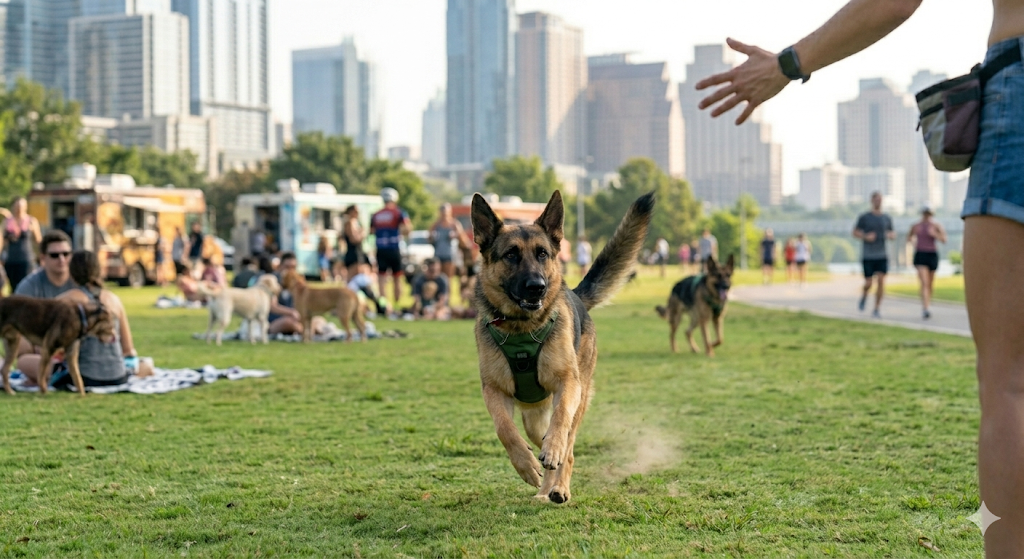

Coming home to a destroyed couch, complaints from neighbors about barking, or a dog that is visibly trembling before you even reach the front door are signs no pet owner wants to face. Separation anxiety is one of the most emotionally difficult behavioral issues in dogs, both for the dog experiencing it and for the owner trying to help.
In Carrollton, TX, as in communities throughout the Dallas-Fort Worth area, separation anxiety became more prevalent in recent years as remote work arrangements changed the amount of time dogs spent with their owners at home. Dogs that adapted to near-constant human company during that period often struggled significantly when routines shifted again and owners returned to offices or longer commutes.
Understanding what separation anxiety actually is, versus what it is sometimes mistaken for, is the first step toward addressing it effectively. The team at All Dogs Unleashed works with dog owners throughout Carrollton and the DFW region to build training plans tailored to dogs struggling with independence and solitude.
What Is Separation Anxiety?
True separation anxiety is a panic response triggered by the absence or anticipated absence of an owner or attachment figure. It is not misbehavior, spite, or a dog “acting out.” It is a genuine anxiety disorder that causes real distress.
Dogs with separation anxiety experience a stress response as soon as they detect departure cues, such as keys jingling, shoes going on, or a bag being picked up. That stress escalates into panic once the owner actually leaves, and the behaviors that follow are coping mechanisms for an overwhelmed nervous system.
Common signs of separation anxiety include:
- Destructive behavior targeting exits like doors, windows, or door frames
- Excessive vocalization including barking, whining, or howling that begins shortly after departure
- House accidents in dogs that are otherwise reliably trained
- Pacing, drooling, or excessive panting
- Attempts to escape the home or yard
- Refusing to eat while the owner is away
- Shadowing the owner constantly before a departure
What Causes Separation Anxiety?
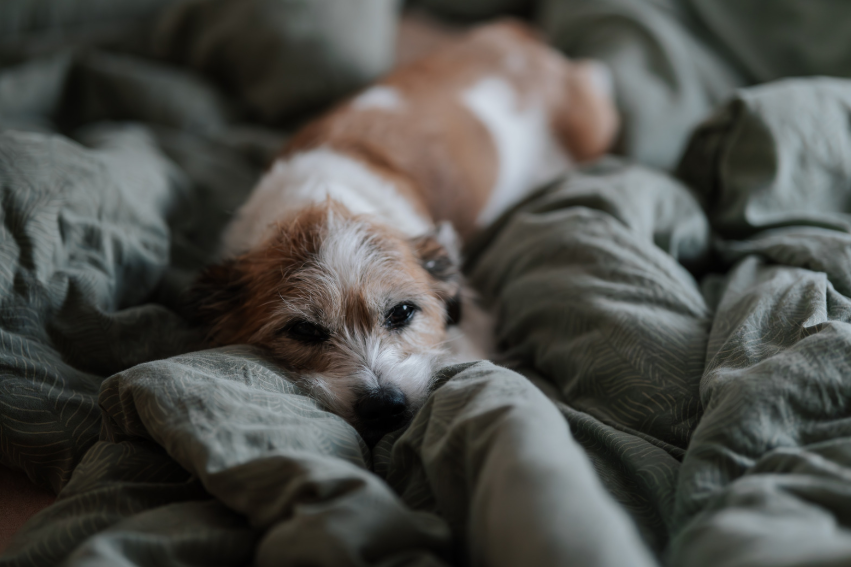
Separation anxiety can develop from a variety of factors, and in most cases it is a combination of temperament, history, and experience rather than a single cause.
Contributing factors include:
- Sudden changes in schedule or routine
- A traumatic event like a move, the loss of a household member, or a prolonged illness
- Over-attachment developed during extended periods of constant company
- Lack of early independence training and gradual alone-time exposure
- Genetic predisposition in certain breeds that are highly bonded to their owners
Understanding the origin of your dog’s anxiety helps shape the treatment approach. A dog whose anxiety developed after a specific trauma may respond differently than one whose anxiety appears to be temperament-based.
Training Approaches That Work
Separation anxiety responds well to a combination of desensitization, counter-conditioning, and independence-building exercises. This is not a quick fix. Real progress typically requires weeks to months of consistent, gradual work.
Key training strategies include:
- Departure desensitization: Practice departure cues, like picking up your keys, without actually leaving. Over time, this removes the predictive power those cues have
- Graduated absences: Start with extremely short departures of just seconds, and only increase duration when your dog remains calm throughout
- Build independence at home: Practice having your dog settle in a separate room or on their bed while you are still present, to reduce hyper-attachment
- Avoid dramatic departures and arrivals: Calm, matter-of-fact comings and goings communicate that absence is normal and not a cause for alarm
- Provide mental enrichment before departures: A frozen Kong, puzzle feeder, or long-lasting chew can create a positive association with your leaving
For dogs with moderate to severe separation anxiety, working with a professional trainer is strongly recommended. Self-guided programs often move too quickly, which can reset progress. A structured training program with experienced oversight makes a measurable difference.
The Role of Management and Environment
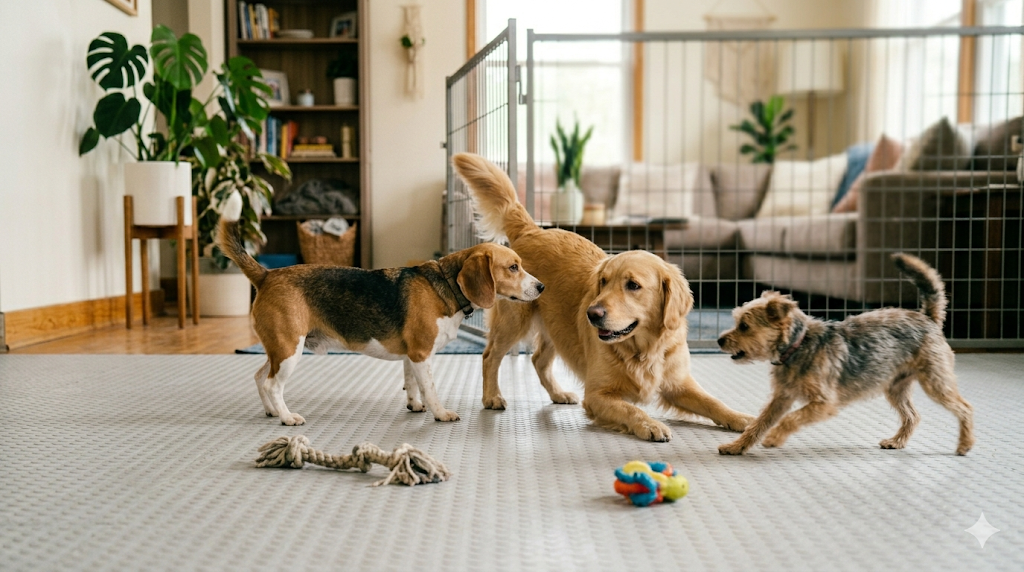
While training is the long-term solution, smart management reduces stress during the training process. Consider whether dog daycare might provide a positive environment on days when your dog would otherwise be alone for extended periods. Many dogs with mild to moderate separation anxiety do much better in a social, supervised setting than in an empty home.
Some dogs respond well to calming tools like white noise machines, pheromone diffusers, or calming wraps. These are supplements to training, not replacements for it, but they can take the edge off during the early phases of behavior modification.
If your dog’s anxiety is severe, your veterinarian may recommend medication in conjunction with a training plan. Medication is most effective when used as a bridge to help the dog reach a baseline calm enough to absorb training rather than as a standalone solution.
Frequently Asked Questions
Is separation anxiety the same as boredom?
Not exactly. A bored dog may chew or get into mischief, but they are typically calm and content once they find something to do. A dog with separation anxiety is in genuine distress and cannot self-soothe the way a bored dog can. The behaviors often look similar, but the underlying state is very different.
Can separation anxiety go away on its own?
Without intervention, separation anxiety rarely resolves and often worsens over time. Dogs that are not given tools to cope tend to experience escalating distress with each departure.
Should I get a second dog to help my anxious dog?
Sometimes a companion animal helps, but it is not a reliable solution. If your dog’s anxiety is specifically attached to you rather than to being alone in general, another dog will not address the root issue. It is worth discussing with a trainer before making that decision.
How long does it take to see improvement?
With consistent training, most owners notice meaningful improvement within four to twelve weeks. Dogs with more severe anxiety may take longer. Progress is rarely linear, and setbacks are a normal part of the process.
Help Your Dog Find Calm
Separation anxiety is treatable, and your dog does not have to live in a state of distress every time you leave the house. With the right approach and professional support, real improvement is possible. Reach out to the team at (972) 484-3647 and let All Dogs Unleashed help your dog build the confidence and independence they need to thrive.