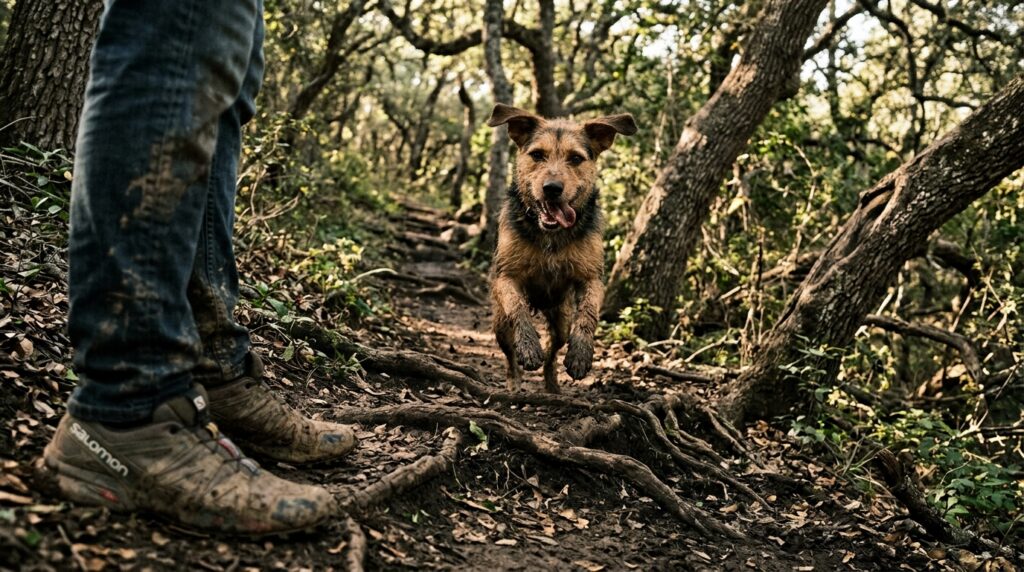

Austin has a strong rescue culture. Organizations like Austin Pets Alive!, the Austin Animal Center, and dozens of smaller nonprofits work tirelessly to give dogs second chances. Every year, thousands of Austin families open their homes to rescue dogs, and many of those dogs arrive with behavioral histories that require more than love and patience.
This is not a criticism of rescue dogs. It is simply an honest acknowledgment that dogs with unknown histories, shelter stress, or difficult pasts often benefit from structured support as they settle into a new home. Understanding why rescue dogs sometimes struggle and what professional rescue dog training in Austin TX looks like can help new owners prepare and respond effectively.
What Rescue Dogs Experience Before Adoption
Most rescue dogs have been through some form of disruption before arriving at their new home. Even dogs surrendered by loving owners have experienced a significant change: the loss of familiar people, smells, routines, and environments. Dogs coming from neglect, abuse, or multiple shelter stays carry those experiences with them.
Common backgrounds among rescue dogs in Austin include:
- Time spent in a shelter or foster environment with inconsistent routines
- Unknown history prior to rescue, making it difficult to predict triggers or fear responses
- A history of neglect or lack of early socialization
- Prior abuse, which can create hypervigilance, mistrust, or unpredictable fear-based reactions
- Multiple placements in different homes, leading to confusion and attachment difficulties
Each of these histories creates different challenges once a dog enters a new home. What looks like stubbornness or bad behavior is often a dog communicating stress in the only language available.
The Adjustment Period: Why the First Weeks Matter
Many rescue advocates refer to the “3-3-3 rule” as a rough guide: three days for a rescue dog to feel overwhelmed, three weeks to begin learning a new routine, and three months to feel at home. While every dog is different, the framework reflects a real pattern.
In the first few weeks, a rescue dog is absorbing an enormous amount of new information. New smells, new sounds, new people, new expectations. Some dogs respond by shutting down, hiding, or refusing to eat. Others come out of their shell quickly but then become more reactive or challenging as they grow more comfortable and start testing boundaries.
New owners in Austin frequently make the well-meaning mistake of giving a rescue dog total freedom before the dog has learned the rules of the household. Without structure, many rescue dogs become anxious or develop problem behaviors that could have been prevented with early, consistent guidance.
Common Behavioral Challenges in Rescue Dogs

The behaviors rescue dog owners commonly encounter include:
- Separation anxiety: Dogs with abandonment histories may become intensely distressed when left alone, leading to destructive behavior, barking, or house soiling.
- Reactivity on leash: Many rescue dogs are reactive toward other dogs, strangers, or vehicles, particularly if they were not socialized during critical developmental windows.
- Resource guarding: Dogs that competed for resources in a shelter or previous home may guard food, toys, or resting spaces from humans or other pets.
- Fear responses: Unfamiliar sounds, environments, or people can trigger fear-based behaviors, including freezing, fleeing, or snapping.
- Jumping and nipping: Rescue dogs that never learned polite greeting behavior may be overly physical with guests or family members.
- Housetraining issues: Dogs that were kept outdoors, in kennels, or in neglect situations may not be housetrained or may regress when stressed.
None of these behaviors mean the dog is a bad fit. They mean the dog needs guidance and, in many cases, professional support.
How Professional Training Helps Rescue Dogs
Professional training provides something that even the most dedicated owner often cannot: structured expertise, consistent repetition, and an environment designed for learning.
For rescue dogs in Austin with complex needs, board and train programs can be especially effective. During a board and train stay, the dog works with qualified trainers every day in a structured setting. Skills are built gradually, at the dog’s pace, and the owner receives thorough coaching on how to maintain those skills at home once the dog returns.
For owners who want to work alongside a professional in the context of their own home and neighborhood, in-home dog training in Austin is often the right fit. In-home training allows the trainer to observe the dog’s real environment, including the specific triggers, routines, and spaces that affect behavior, and build a plan that addresses what is actually happening in that household.
Both approaches share a common goal: helping a rescue dog develop confidence, learn expectations, and build a bond with their new family based on clear communication rather than confusion.
What New Owners Can Do Right Away
Professional training is most effective when the owner also makes consistent choices at home. Before training begins or alongside it, new rescue dog owners can:
- Establish a predictable daily routine for feeding, walks, and rest
- Limit overwhelming situations in the first few weeks, such as large gatherings or crowded environments
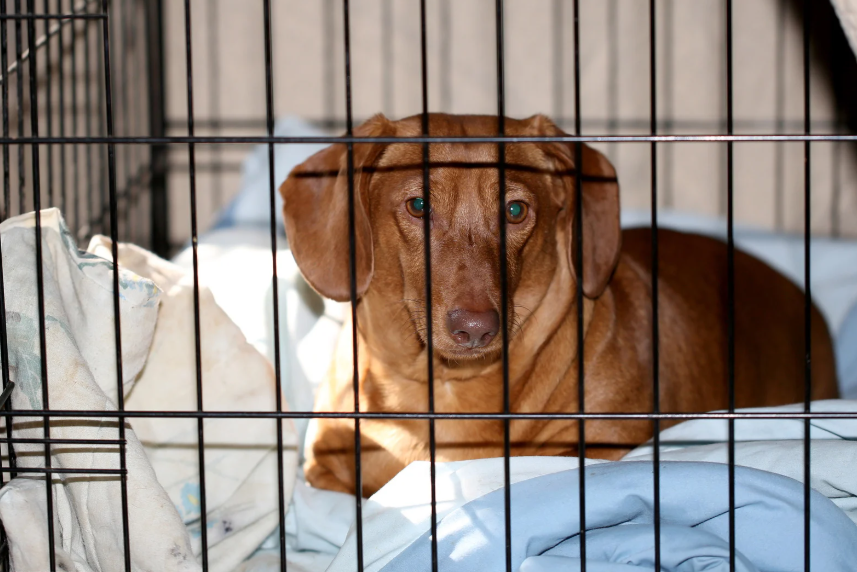
- Use a crate or safe space that the dog can retreat to without pressure
- Avoid forcing interaction with people or animals the dog seems uncertain about
- Reward calm, confident behavior whenever it appears
- Set clear, consistent household rules from day one
Austin’s outdoor lifestyle can be a wonderful part of a rescue dog’s new life, but introducing trails, patios, and dog parks too soon can overwhelm a dog that is still adjusting. Starting slow and building positive experiences gradually produces more durable results.
When to Seek Help Sooner Rather Than Later
Some rescue dog owners hesitate to seek professional training, hoping the dog will simply adjust over time. In some cases, that happens. In others, delaying support allows problem behaviors to become more deeply ingrained and harder to address.
Consider reaching out for professional help sooner if your rescue dog:
- Shows signs of fear or aggression that concern you
- Is unable to be left alone without significant distress
- Has had an incident involving snapping, growling at family members, or biting
- Has been in the home for several months and behaviors are not improving
- Is struggling with another pet in the household
Early intervention is almost always easier and faster than working with a dog that has been practicing problem behaviors for months or years.
Frequently Asked Questions
How long does it take a rescue dog to adjust to a new home?
Adjustment timelines vary significantly based on the dog’s history, age, temperament, and the stability of the new environment. Many rescue advocates use the 3-3-3 guideline as a starting point: three days to feel overwhelmed, three weeks to learn a routine, and three months to feel fully at home. Some dogs settle in faster; others with more difficult histories may take longer.
Is it normal for a rescue dog to regress after seeming to settle in?
Yes. This is sometimes called “honeymoon period” behavior, where a dog initially seems calm or compliant and then becomes more challenging once they feel secure enough to test boundaries. This is actually a healthy sign that the dog is bonding, but it does mean structure and consistent rules become even more important during that phase.
Can all rescue dogs eventually be trained?
The vast majority of rescue dogs respond positively to structured, patient training. Some dogs with significant trauma histories or behavioral issues require more time and specialized approaches, but improvement is realistic in almost all cases with qualified professional support and a committed owner.
What is the difference between board and train and in-home training for rescue dogs?
Board and train sends the dog to a facility to work with trainers intensively over a set period, which can accelerate progress and address foundational skills quickly. In-home training brings a trainer to your home and works within your specific environment and routines. The best fit depends on the dog’s specific needs, the owner’s schedule and goals, and the nature of the behavioral challenges being addressed.
Should I avoid discipline when training a rescue dog?
Using harsh punishment on a dog with an unknown or difficult history can damage trust and intensify fear-based behaviors. Evidence-based trainers recommend reward-based methods that build confidence and teach dogs what to do rather than simply correcting unwanted behavior. Setting clear boundaries does not require force; it requires consistency and clear communication.
What signs suggest a rescue dog needs professional training soon?
Warning signs include: persistent anxiety that does not improve after the initial adjustment period, resource guarding toward family members, aggression or snapping toward people or other animals, inability to tolerate being alone, and behaviors that are worsening rather than stabilizing over time. When any of these are present, professional support sooner is better than waiting.
Get Support for Your Rescue Dog in Austin
Bringing home a rescue dog is a meaningful commitment. When that dog needs extra support to thrive, professional training makes a real difference. All Dogs Unleashed in Austin works with rescue dogs and their owners to build the skills and confidence that lead to lasting, positive change.
Call (512) 253-8819 or stop by at 3704 Mountain View Ave, Austin, TX 78734 to learn more about training options for your rescue dog.