
Few topics in dog training generate as much emotion as crate training. To people unfamiliar with the method, a crate can seem like a punishment or a form of confinement that a well-loved pet should not have to endure. The reality is quite different. When introduced correctly, a crate becomes a place of genuine comfort and security for a dog.
Crate training is one of the most practical and widely recommended tools in modern dog training. It supports housebreaking, prevents destructive behavior during unsupervised time, gives dogs a safe retreat when they are stressed, and makes travel, veterinary visits, and boarding far less stressful for both dogs and their owners.
For Austin families bringing home a new puppy, starting crate training early is one of the highest-return investments you can make. The habits built in those first weeks and months shape a dog’s relationship with confinement and solitude for the rest of their life. All Dogs Unleashed helps Austin puppy owners establish this foundation correctly from the start, setting dogs up for a lifetime of confident, adaptable behavior.
Why Crate Training Matters
The value of crate training extends far beyond keeping your furniture intact. Here is why trainers and veterinarians consistently recommend it.
It supports housebreaking. Dogs are naturally inclined to avoid soiling the area where they sleep. A properly sized crate leverages this instinct to accelerate housetraining. When your puppy is in the crate, the likelihood of an accident drops significantly, giving you controlled opportunities to teach appropriate elimination habits.
It prevents unsupervised destructive behavior. Puppies explore the world with their mouths. Left unsupervised in an open home, a puppy is at risk of chewing electrical cords, ingesting dangerous objects, or destroying furniture. Crating during unsupervised periods protects your puppy and your home.
It creates a reliable retreat. Dogs who are crate-trained have a defined space where they know they are safe and undisturbed. This matters during events like thunderstorms, fireworks, houseguests, and other situations that can cause stress. Austin’s famous July 4th festivities and the city’s frequent outdoor concerts create regular noise events that crate-trained dogs handle far more calmly.
It makes essential life events easier. Veterinary overnight stays, boarding facilities, and air travel all require dogs to be comfortable in confined spaces. A dog who has been crate-trained from puppyhood accepts these situations without the severe anxiety that many untrained dogs experience.
Choosing the Right Crate
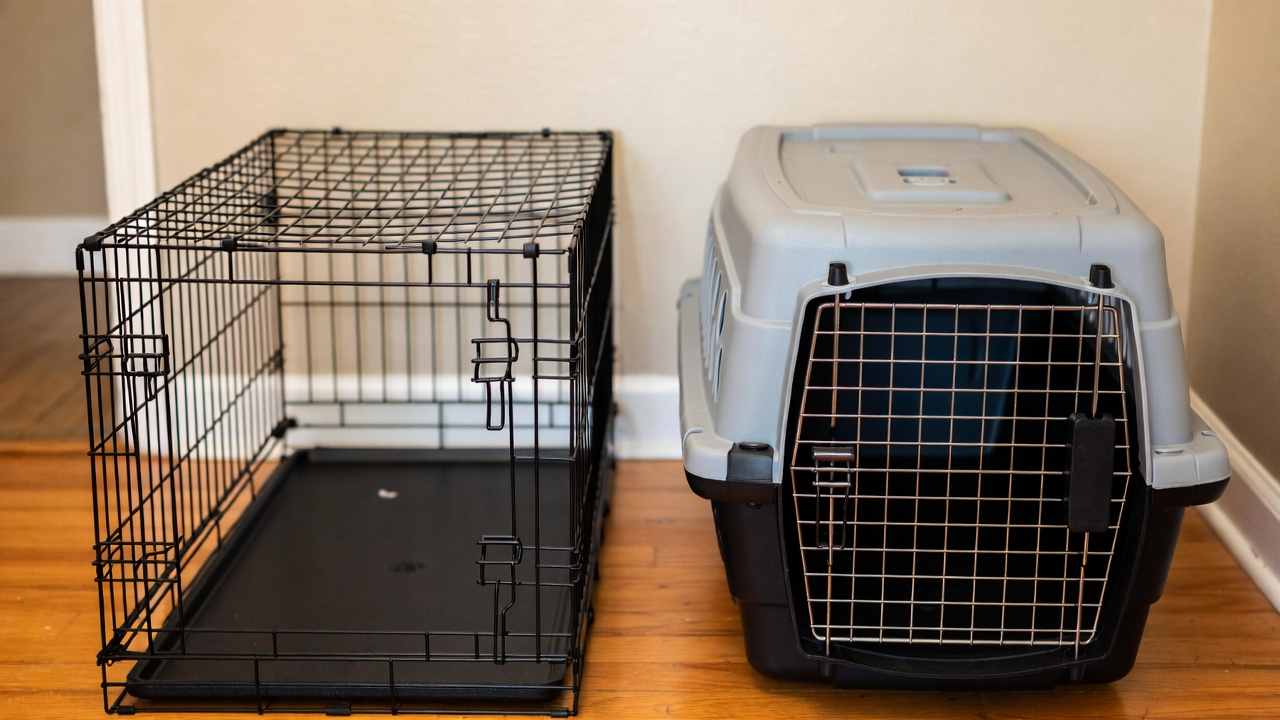
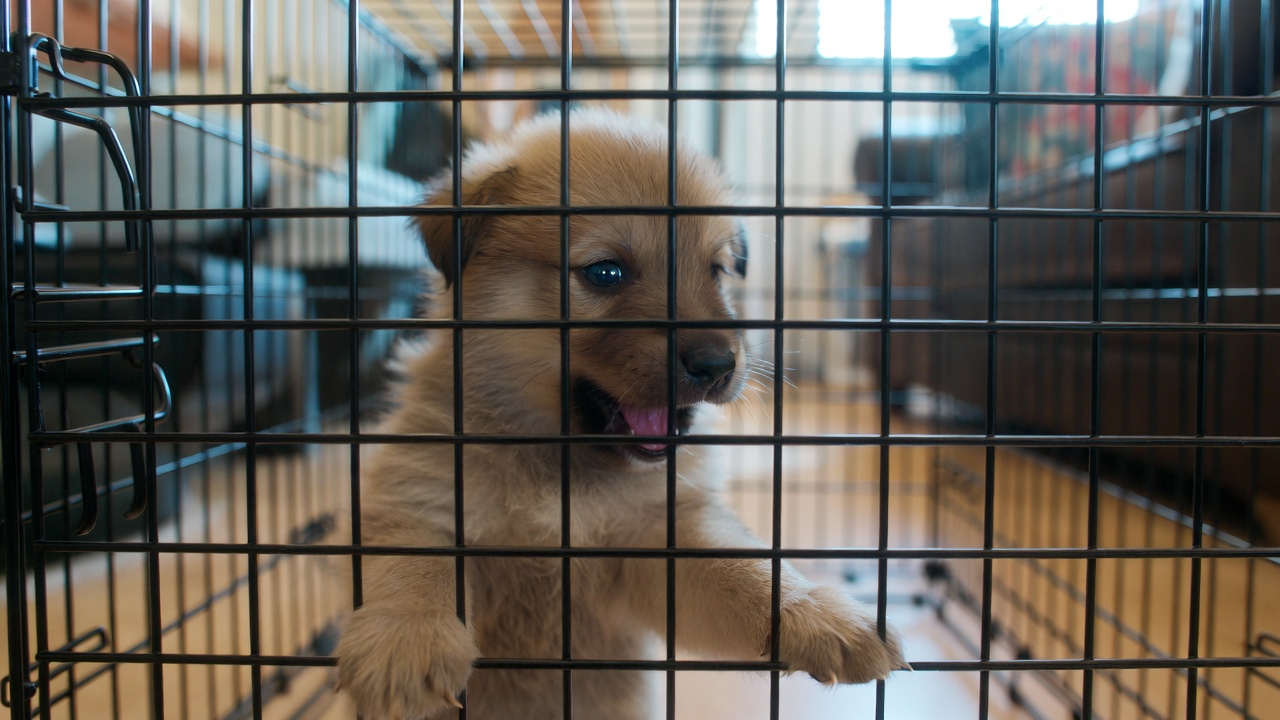
Crate selection matters more than most new puppy owners realize. A crate that is too large defeats the purpose for housetraining because the puppy can sleep on one end and soil the other. A crate that is too small is uncomfortable and stressful.
The correct size allows your puppy to stand up, turn around, and lie down comfortably, and nothing more. As your puppy grows, you will need to resize the crate or use a divider panel to reduce the usable space inside a larger crate.
Wire crates offer ventilation and visibility, which many dogs prefer. Plastic travel crates provide more of a den-like enclosed feeling, which suits dogs who prefer a cozier, more private space. Some dogs take strongly to one type over the other, so observing how your individual dog responds is worthwhile.
How to Introduce the Crate
The most common mistake in crate training is rushing the process. Owners who simply put their puppy in the crate and close the door immediately are setting the stage for a dog who associates the crate with distress. The goal is to build a genuine positive association before any extended confinement happens.
Start by placing the crate in an area where your family spends time, not in an isolated room. Put comfortable bedding inside along with a few toys or a chew item. Leave the door open and let your puppy investigate freely. Toss treats near and then inside the crate without any pressure to enter. The puppy should approach on their own terms.
Once your puppy is comfortable entering the crate voluntarily, begin feeding meals inside with the door open. After a few successful meals, close the door briefly while they eat, then open it before they finish. Gradually extend the time the door stays closed as your puppy continues to eat calmly.
The next phase involves building duration with the puppy fully inside and the door closed but you present. Sit near the crate, work on your laptop, or watch television. The puppy should be able to settle for short periods. Reward calm, quiet behavior. Avoid opening the crate in response to whining, as this rewards the behavior you want to extinguish.
Common Crate Training Mistakes
Making departures and arrivals a big deal. Lengthy, emotional goodbyes and over-excited greetings when returning home create arousal spikes that make crate time harder. Keep comings and goings calm and matter-of-fact.
Using the crate as punishment. Sending a dog to the crate after a mistake or in anger poisons the association. The crate should always be a neutral or positive place.
Leaving a puppy in the crate for too long. Young puppies have limited bladder capacity and cannot hold it for extended periods. A general rule of thumb is one hour per month of age plus one, up to a maximum of four to five hours during the day. Overnight confinement can be longer, as puppies often sleep through the night once settled.
Giving up too quickly. Whining and protest in the first few days of crate training is normal and expected. Many owners interpret initial resistance as a sign that crate training is not right for their dog, when in reality the dog just needs more time and consistency to adjust.
Transitioning Out of the Crate
Many dog owners wonder when or whether to phase out crate use entirely. There is no single right answer. Some dogs use their crates voluntarily well into adulthood as a resting spot. Others can be given more freedom once they have demonstrated reliable house manners and the ability to settle without destructive behavior.
The key is earning expanded freedom gradually. Moving from crate confinement to a single room, then to multiple rooms, and eventually to full house access as the dog demonstrates trustworthy behavior is a more successful approach than jumping to full freedom too quickly.
Start Crate Training on the Right Foot
A well-executed crate training program sets your puppy up for a lifetime of confident, relaxed behavior. If you want professional guidance on getting started, or if you are struggling with a puppy who is resistant to the crate, All Dogs Unleashed is here to help. Our in-home dog training in Austin lets a certified trainer work with you and your puppy in your own home. For puppies and families who want a more intensive head start, our board and train program builds a strong behavioral foundation fast. Explore all of our dog training programs in Austin to find the right fit.
Call (512) 963-6017 to speak with one of our Austin trainers.
Frequently Asked Questions
Is crate training cruel?
When done correctly, crate training is not cruel. Dogs are den animals by nature and many actively seek out enclosed, private spaces for rest. The goal is to build a genuine positive association with the crate so that it becomes a place the dog chooses, not one they dread.
How long will it take to crate train my puppy?
The timeline varies by puppy and how consistently the process is followed. Most puppies begin showing calm crate behavior within a week or two of a systematic introduction. Full comfort with extended confinement typically takes two to four weeks of consistent practice.
My puppy cries every time I put them in the crate. What should I do?
First, evaluate whether you moved too quickly in the introduction process. If the association with the crate is not yet positive, go back to the beginning and rebuild it more slowly. Second, make sure the puppy is getting adequate physical and mental exercise before crate sessions. A tired puppy settles more easily. If crying is intense and persistent, consulting a trainer to assess the situation is a worthwhile step.
Should I put food and water in the crate?
For overnight crating or extended periods, a water source attached to the crate door is reasonable. Avoid putting a full water bowl inside, as it will likely spill. Food does not need to be left inside for most crate sessions, but feeding meals in the crate during the introduction phase helps build positive associations.
What if my puppy goes to the bathroom in the crate?
Check that the crate is properly sized. If the crate is too large, the puppy may be able to soil one end and sleep comfortably on the other. Also evaluate the length of time the puppy is being crated. Young puppies simply cannot hold their bladder for long periods and need regular opportunities to go outside.
When can I trust my dog loose in the house?
This varies widely by dog. Most dogs earn full house access between twelve and twenty-four months of age, once they have consistently demonstrated house training and the ability to relax without destructive behavior. Progress gradually and watch closely during initial periods of expanded freedom.
About All Dogs Unleashed
All Dogs Unleashed is a professional dog training company located at 111 Congress Ave. #201, Austin, TX 78701 serving the Austin, TX area. We offer a full range of services including dog boarding, daycare, grooming, in-home training, and structured board and train programs.
Business Name: All Dogs Unleashed
Address: 111 Congress Ave. #201, Austin, TX 78701
Phone: (512) 963-6017