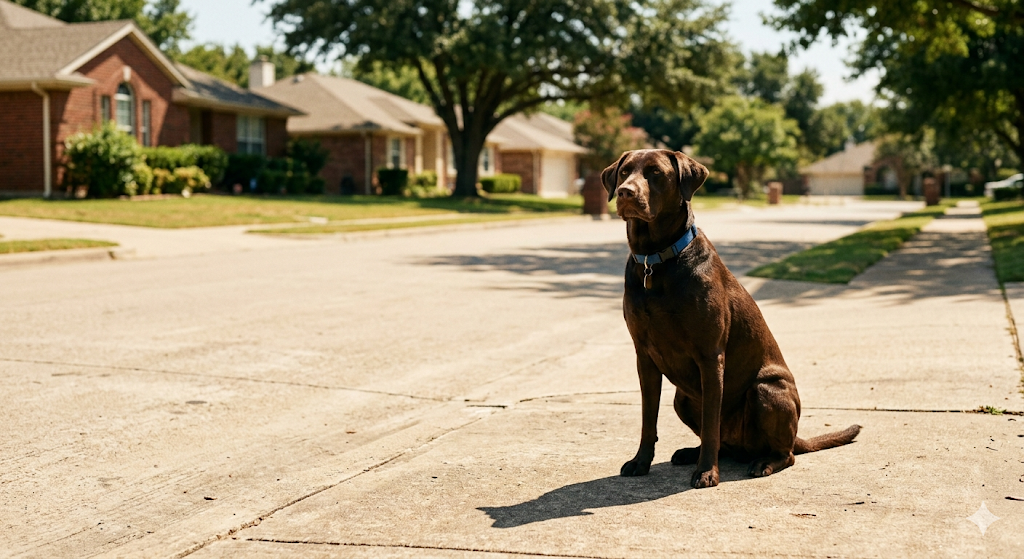

If your dog lunges, barks, or strains at the end of the leash when they see another dog or a person on a walk, you are dealing with one of the most common and frustrating behavior challenges in the dog world. Leash reactivity affects dogs of every breed, age, and size, and it is one of the primary reasons Austin dog owners seek professional training.
What makes leash reactivity particularly difficult is that it tends to escalate over time. Each reactive episode reinforces the behavior, and dogs who are repeatedly exposed to their triggers without any intervention often become more intense and harder to manage as months go by. What starts as a manageable bark can eventually become a full-blown lunge that is difficult to control on a walk.
The good news is that leash reactivity is a well-understood behavior problem with effective solutions. With the right approach, most reactive dogs can learn to walk calmly past their triggers and even enjoy their walks again. All Dogs Unleashed works with leash-reactive dogs in Austin every day, using structured training methods that address the root causes of the behavior rather than just managing the symptoms.
What Is Leash Reactivity?
Leash reactivity refers to exaggerated, over-the-top responses to stimuli while on a leash. The most common triggers include other dogs, unfamiliar people, cyclists, skateboards, cars, and other fast-moving objects. Reactive behaviors typically include barking, lunging, growling, spinning, or attempts to escape.
It is important to distinguish reactivity from aggression. Many leash-reactive dogs are actually frustrated and over-aroused rather than genuinely aggressive. They may be perfectly social off-leash but become unmanageable when constrained by a leash. This distinction matters because it affects how the behavior should be addressed.
True aggression, where the dog is displaying predatory or defensive behaviors with intent to harm, requires a different approach than frustration-based reactivity. A professional trainer can assess which pattern your dog is showing and design an appropriate program.
What Causes Leash Reactivity?
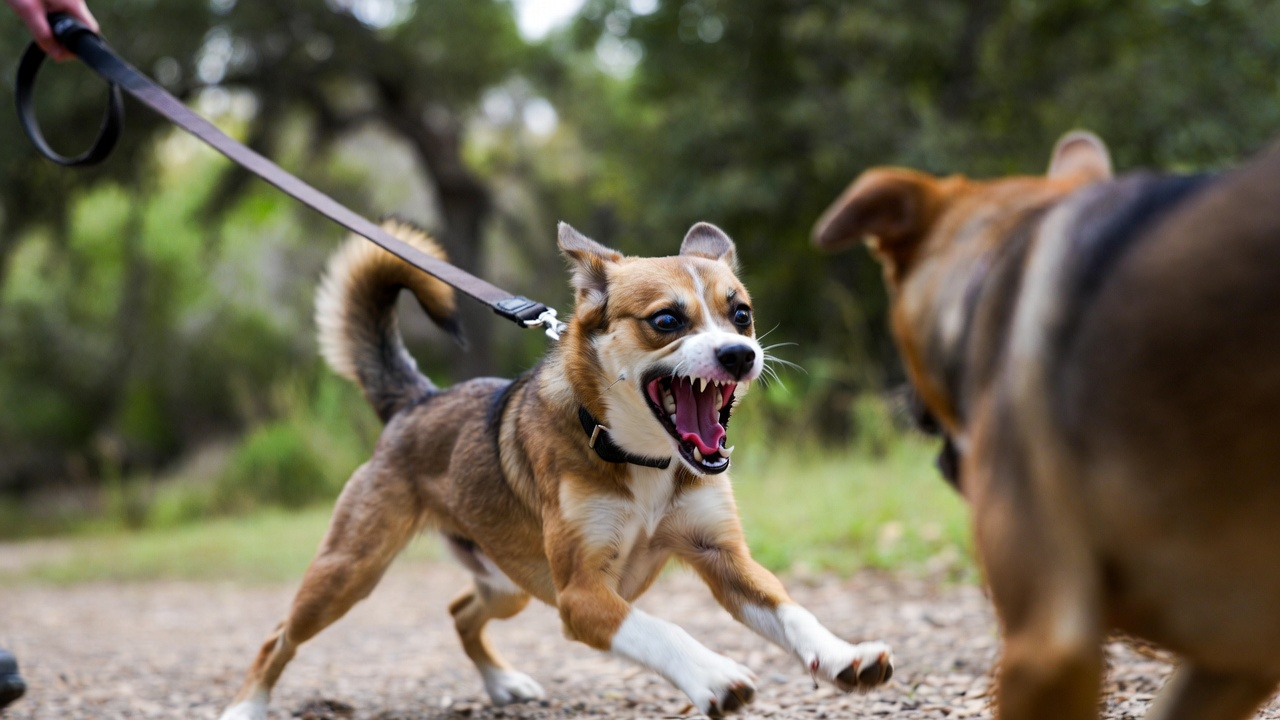
Understanding the root cause of your dog’s reactivity is essential for choosing the right training approach. Several different factors can contribute to leash-reactive behavior.
Barrier frustration is one of the most common causes. Dogs who are highly social and want to greet other dogs may become frantic when the leash prevents them from doing so. The frustration of not being able to reach the thing they want builds into an outburst. Ironically, this is often mistaken for aggression when the dog’s actual motivation is excitement.
Undersocialization during the critical developmental window can leave dogs poorly equipped to handle encounters with unfamiliar people or animals. A dog who did not have enough positive exposure to other dogs as a puppy may find adult dogs genuinely threatening, triggering defensive reactions on the leash.
A negative experience can also trigger reactivity. A dog who was attacked by another dog, startled by a cyclist, or frightened by a group of people may develop a strong reactive response to those stimuli as a result. This is a fear-based form of reactivity and often requires desensitization and counter-conditioning to resolve.
Handler behavior can unintentionally reinforce or worsen reactivity. Tightening the leash when a trigger appears, for example, communicates tension to the dog and can escalate arousal. Pulling the dog away or scolding them after a reactive episode may also reinforce the behavior in unintended ways.
Why Austin’s Environment Makes This Challenging
Austin’s density and active outdoor culture means reactive dogs are constantly exposed to their triggers. The busy sidewalks near Congress Ave, the trail systems at Lady Bird Lake, and the social dog culture throughout the city create frequent encounters that a reactive dog cannot easily avoid.
For many Austin dog owners, walks have become stressful or even dangerous. Crossing to the other side of the street, avoiding peak hours, and constantly scanning for triggers becomes exhausting. The dog’s world shrinks because so many activities feel unmanageable.
This is why early intervention matters. The longer reactive behavior goes unaddressed in a stimulating urban environment like Austin, the more entrenched it tends to become.
How Leash Reactivity Is Addressed Through Training
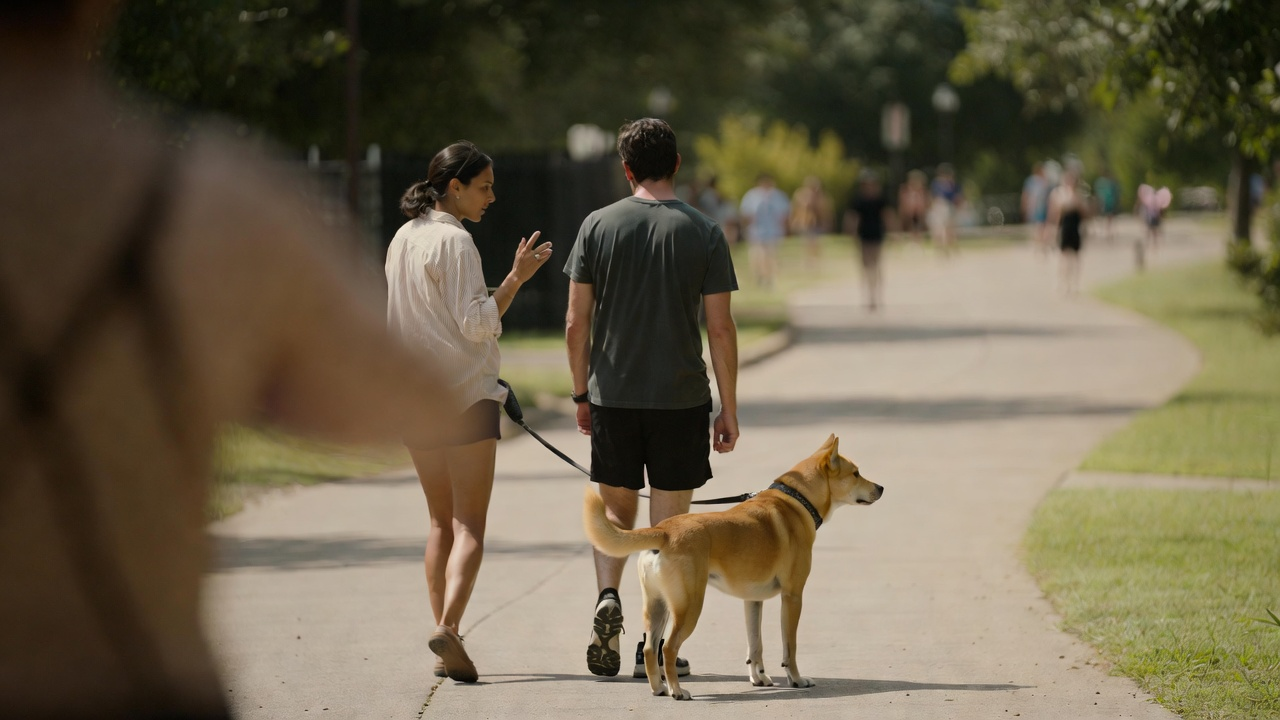
Effective treatment for leash reactivity involves several components that work together to change the dog’s emotional response to their triggers, not just suppress the visible behavior.
Threshold management is foundational. Every reactive dog has a threshold distance at which they can notice a trigger without reacting. Training begins below this threshold, gradually working closer as the dog demonstrates calm behavior. Trying to work above threshold, where the dog is already reacting, is ineffective and counterproductive.
Desensitization and counter-conditioning involve pairing the trigger at a manageable distance with something highly positive, typically food. Over time, the dog begins to associate the trigger with good things rather than stress or frustration. This changes the emotional response at a neurological level, which is why it produces durable results.
Obedience and focus work gives the dog an alternative behavior to offer when they notice a trigger. A dog who has been trained to look at their handler on cue has something to do other than bark and lunge. This redirection skill is one of the most practical tools in managing reactivity during real-world walks.
Consistency is what ties all of these pieces together. Training sessions with a professional are valuable, but the work needs to be replicated on every walk for results to hold. This is where owner coaching becomes essential.
Take the Stress Out of Your Walks
Leash reactivity does not have to define your daily walks. With the right guidance and consistent work, most reactive dogs can learn to move through the world with far more calm and control. Reach out to All Dogs Unleashed to discuss your dog’s specific challenges and find the right training path forward. Call (512) 963-6017 to schedule an evaluation.
Frequently Asked Questions
Can leash reactivity be completely cured?
The goal of training is not always a complete cure but rather a reliable reduction in the intensity and frequency of reactive episodes. Many dogs become calm enough to walk comfortably past their triggers after training, while some continue to need management in particularly high-stimulus situations. Most reactive dogs can reach a quality of life that is dramatically better than before training.
Should I use a muzzle on my reactive dog?
A muzzle can be a useful safety tool for dogs whose reactivity poses a genuine bite risk. It does not, however, address the underlying cause of reactivity. Muzzle use should be combined with a comprehensive training program rather than used as a standalone solution.
Is punishment effective for leash reactivity?
Punishing a dog for reactive behavior typically makes reactivity worse over time. The dog’s emotional state, whether frustration or fear, is the driver of the behavior. Punishment increases stress and anxiety, which intensifies the emotional state that is causing the problem. Modern training approaches focus on changing the emotional response rather than punishing the expression of it.
How long does it take to see improvement in a reactive dog?
This varies significantly based on the severity of the reactivity, the dog’s history, and how consistently the training is applied. Some dogs show noticeable improvement within a few weeks of consistent work. Others with deeply established reactive patterns may need several months of training before significant change occurs.
My dog is only reactive on leash but fine off leash. Why?
This is a classic sign of barrier frustration or leash-related anxiety. The leash changes the dynamic by preventing the dog from using their normal approach and greeting behaviors. Some dogs also pick up tension from owners who grip the leash tightly when they anticipate an encounter. Off-leash social behavior and on-leash behavior can be very different for the same dog.
Can older dogs with long-standing reactivity be helped?
Yes. While it may take longer than working with a younger dog, adult and senior dogs with established reactive patterns can absolutely improve with the right training approach. The key is consistency, patience, and working with a trainer experienced in reactivity cases.
About All Dogs Unleashed
All Dogs Unleashed is a professional dog training company located at 111 Congress Ave. #201, Austin, TX 78701 serving the Austin, TX area. We offer a full range of services including dog boarding, daycare, grooming, in-home training, and structured board and train programs.
Business Name: All Dogs Unleashed
Address: 111 Congress Ave. #201, Austin, TX 78701
Phone: (512) 963-6017