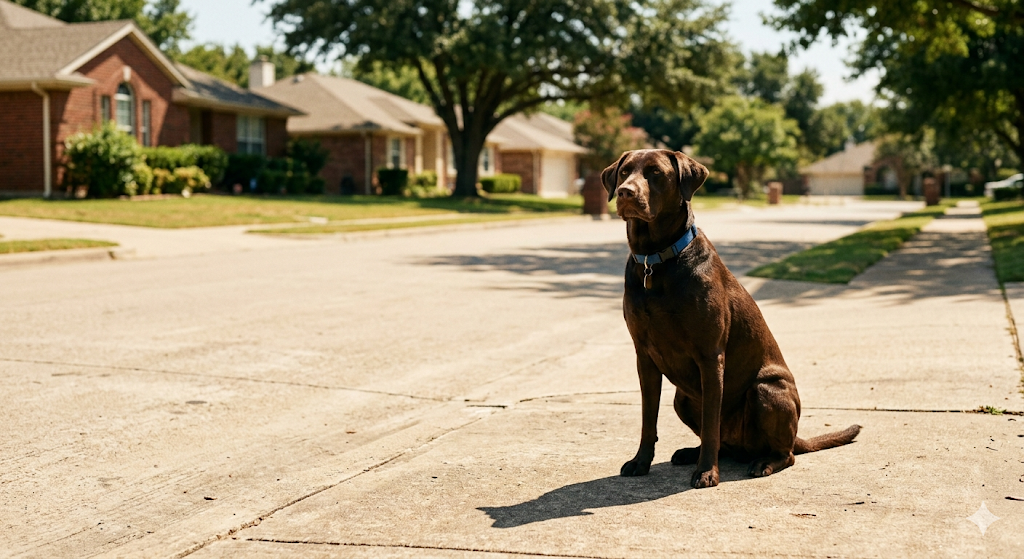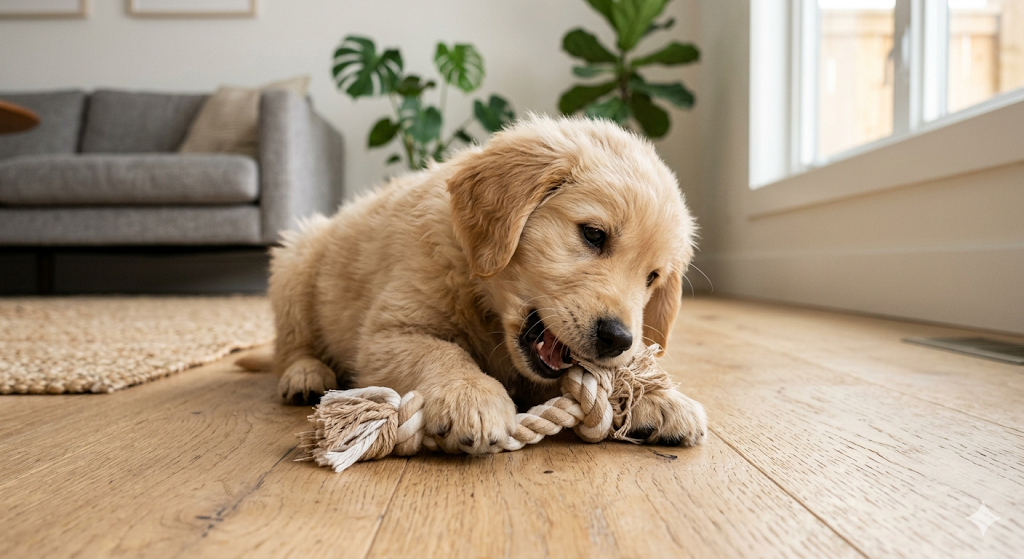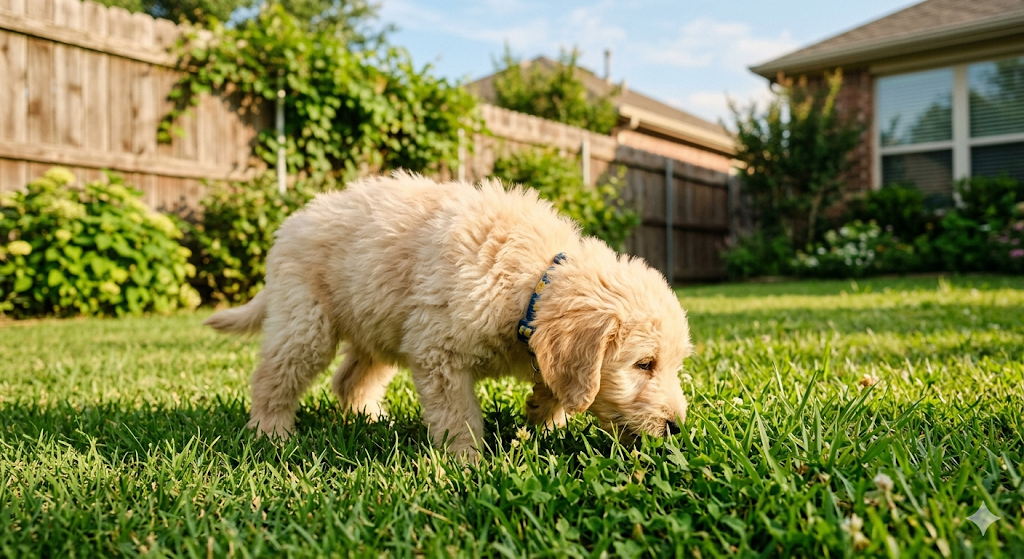

Bringing home a new puppy is an exciting milestone. Those early weeks are filled with firsts, including first walks, first visitors, first trips to the vet, and first encounters with the noisy, unpredictable world outside your front door. What happens during this period shapes your dog in ways that extend far beyond puppyhood.
Socialization is the process of introducing your puppy to a wide range of people, animals, environments, sounds, and experiences in a way that builds positive associations and confidence. It is not simply about exposure. It is about making sure that exposure goes well. A puppy who is repeatedly overwhelmed or frightened during early experiences can develop lasting anxiety and reactivity, even if the intention was to socialize them.
Understanding how socialization works, when the critical window closes, and how to approach it thoughtfully gives you a major advantage as a new puppy owner. All Dogs Unleashed works with Austin families to help puppies build the kind of solid social foundation that produces confident, adaptable adult dogs.
The Critical Socialization Window
Behaviorists and veterinarians widely agree that the most important socialization period for dogs falls between approximately three and fourteen weeks of age. During this window, puppies’ brains are especially receptive to forming associations with new stimuli. Positive experiences during this time shape how a dog perceives and responds to the world for the rest of their life.
This does not mean that socialization stops being important after fourteen weeks. Adult dogs continue to learn and adapt. However, the associations formed during the critical window tend to be the most durable, which is why taking advantage of those early weeks is so valuable.
The challenge for many Austin puppy owners is that this window overlaps with the period before vaccinations are complete. While it is important to be thoughtful about where you take an unvaccinated puppy, most veterinary behaviorists now agree that the risk of behavioral problems from under-socialization outweighs the risk of disease exposure in controlled environments.
What Good Socialization Actually Looks Like
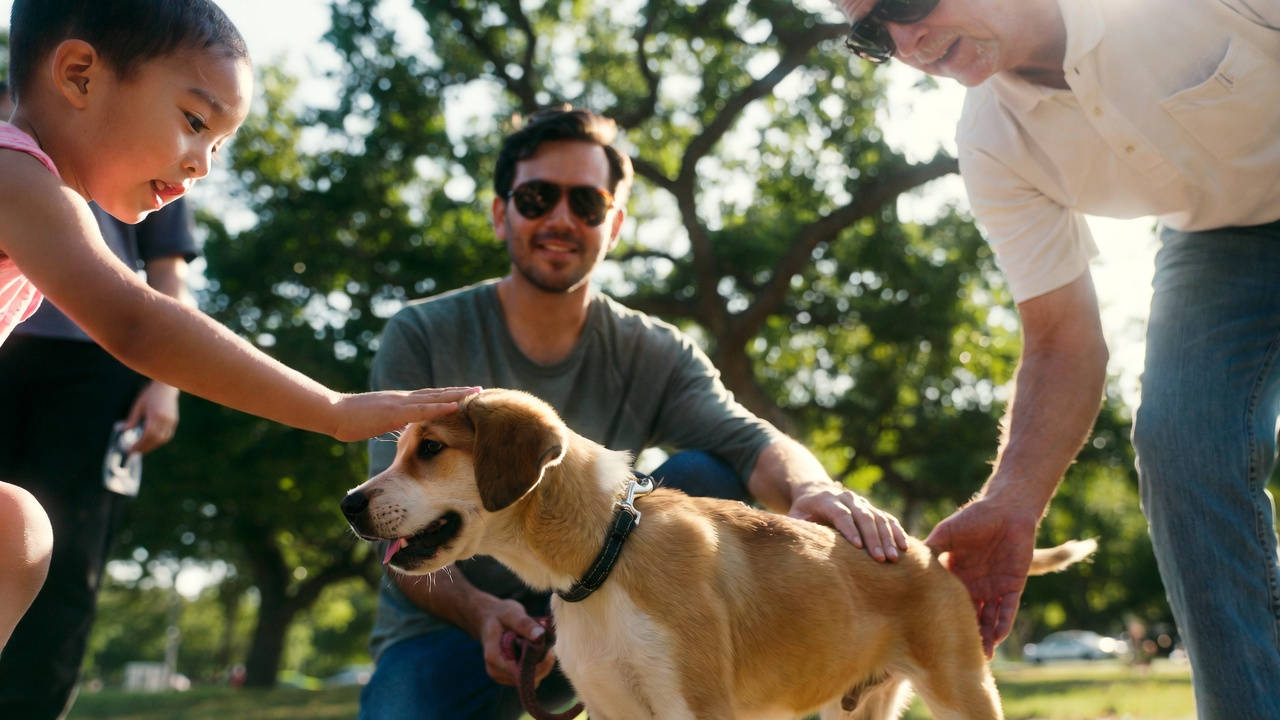
Good socialization is deliberate and controlled, not random and overwhelming. The goal is to expose your puppy to new things in a way that keeps them comfortable and confident, not stressed or frightened.
This means monitoring your puppy’s body language closely during new experiences. A puppy who is exploring curiously, tail up, body loose, and willing to investigate is having a positive experience. A puppy who is cowering, trembling, hiding, or refusing to move is being overwhelmed and needs space and support.
Some key categories of socialization experiences include:
- People: Men, women, children, people wearing hats or sunglasses, people using mobility aids, people of different appearances
- Other animals: Dogs of different sizes and energy levels, cats, livestock if relevant to your lifestyle
- Environments: Urban streets, parks, indoor spaces, elevators, stairs, vehicles, grooming facilities
- Sounds: Traffic, construction, thunderstorms, fireworks, crowds, appliances
- Surfaces: Grass, gravel, tile, hardwood, metal grates, sand
Austin’s environment offers excellent natural socialization opportunities. The city’s busy sidewalks, outdoor markets, dog-friendly patios, and parks expose puppies to an enormous variety of stimuli. The key is managing those experiences carefully so they build confidence rather than create fear.
Common Socialization Mistakes to Avoid
Even well-intentioned puppy owners make socialization mistakes that create problems down the road. One of the most common is forcing interactions. If a puppy is reluctant to approach something, pulling them toward it or placing them directly in front of it teaches them that their discomfort signals are ignored. This can deepen fear and create dogs who become defensive because they have learned that avoidance does not work.
Another common mistake is focusing exclusively on social interactions with other dogs while neglecting other types of exposure. Dogs who are comfortable with other dogs but reactive to bicycles, skateboards, or unfamiliar sounds are still poorly socialized in meaningful ways.
Over-relying on dog parks for socialization is also a common pitfall. The chaotic, high-energy environment of a dog park is actually poorly suited for teaching appropriate social skills. Controlled introductions with known, vaccinated dogs in low-pressure settings are far more effective for building healthy social behavior.
How Training Supports Socialization
Socialization and training work best when they happen together. A puppy who is learning basic cues alongside new experiences develops both social confidence and the ability to focus on their handler in distracting environments.
Teaching a puppy to look at you on cue, to sit calmly when approached by strangers, and to settle when asked gives you tools to manage new situations as they arise. These skills also help prevent the formation of reactive habits by giving your puppy an alternative behavior to offer when they encounter something unfamiliar.
Enrolling in a structured puppy program during the critical socialization window is one of the most efficient ways to cover both bases. A professional trainer can guide your puppy through new experiences in a controlled setting while also teaching the foundational obedience that makes day-to-day life easier.
Socialization in Austin’s Urban Environment
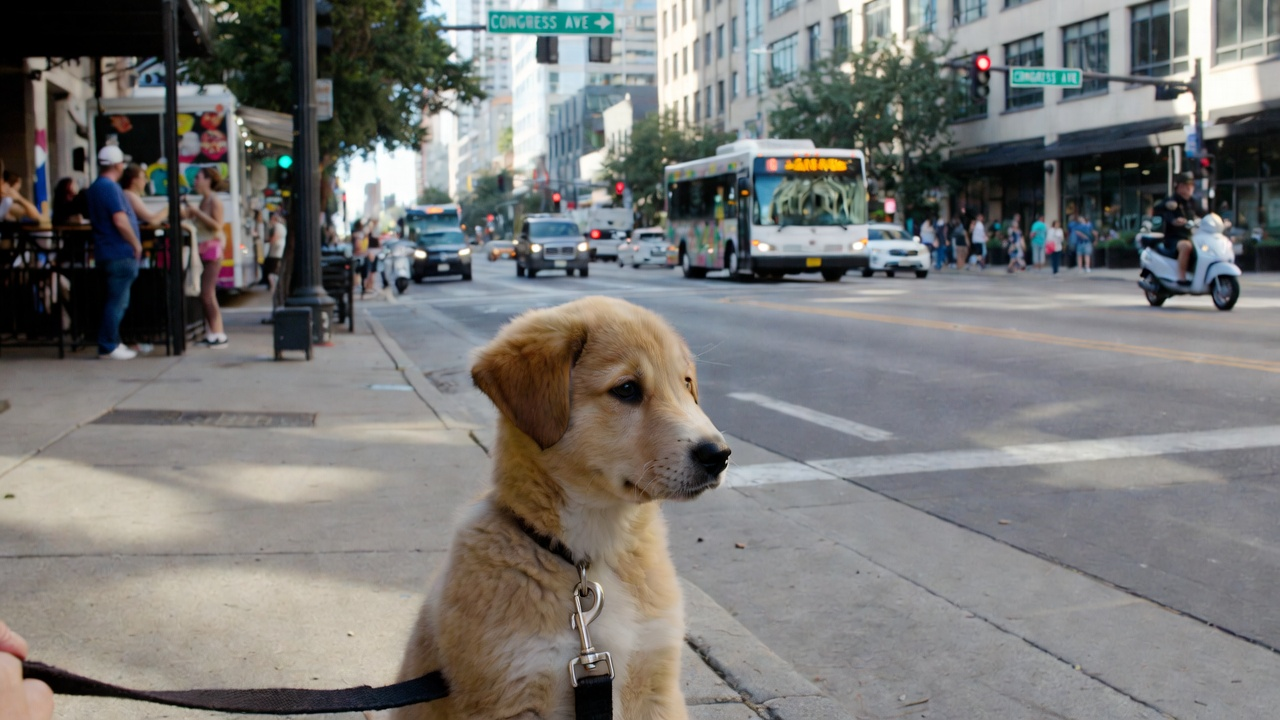
Austin’s urban core presents unique socialization challenges and opportunities. Puppies growing up near Congress Ave will regularly encounter city buses, scooters, food trucks, street musicians, crowded sidewalks, and large social gatherings. These are exactly the kinds of stimuli that can cause reactivity in poorly socialized adult dogs.
Starting early and being strategic about your puppy’s exposure to downtown Austin’s environment pays long-term dividends. A dog who grew up encountering these things calmly is far less likely to develop noise phobias, leash reactivity, or stranger anxiety later in life.
Help Your Puppy Build a Confident Foundation
The early weeks of your puppy’s life are an opportunity you cannot get back. Taking socialization seriously now means a more confident, adaptable, and enjoyable companion for years to come. Contact All Dogs Unleashed to learn about puppy training and socialization programs in Austin, TX. Call (512) 963-6017 to get started.
Frequently Asked Questions
At what age should I start socializing my puppy?
Socialization should begin as soon as your puppy comes home, typically around eight weeks of age. Even before the full vaccination series is complete, you can introduce your puppy to safe, controlled environments and carefully vetted animals.
Can I socialize my puppy at the dog park?
Dog parks are generally not recommended for young puppies. The environment is unpredictable and can involve rough or rude play from larger or poorly socialized dogs. Negative experiences at a dog park can create lasting fear or reactivity. Structured, supervised playgroups or introductions with known dogs are a better option.
What if my puppy seems scared during socialization?
Never force a puppy to interact with something that is frightening them. Give your puppy space, use treats and calm praise to build positive associations from a distance, and let them set the pace for approaching new things. If fear responses are frequent or intense, working with a professional trainer can help you address the underlying anxiety.
How do I know if my puppy’s socialization is on track?
A well-socialized puppy is generally curious, willing to explore new environments, comfortable with handling, and not persistently fearful around new people or animals. If your puppy is showing frequent fear responses, shutting down in new environments, or becoming defensive around strangers, it is worth consulting a trainer.
Does socialization mean my dog has to like everyone and every dog?
Not necessarily. The goal of socialization is not to produce a dog who enthusiastically greets every person and animal they encounter. The goal is a dog who remains calm and relaxed in the presence of unfamiliar people and animals, even if they do not actively seek interaction. Tolerance and neutrality are perfectly acceptable outcomes.
What is the difference between socialization and training?
Socialization is primarily about building positive associations with the world. Training is about teaching specific behaviors and responses. The two are complementary and most effective when done together, especially in the early months of a puppy’s life.
About All Dogs Unleashed
All Dogs Unleashed is a professional dog training company located at 111 Congress Ave. #201, Austin, TX 78701 serving the Austin, TX area. We offer a full range of services including dog boarding, daycare, grooming, in-home training, and structured board and train programs.
Business Name: All Dogs Unleashed
Address: 111 Congress Ave. #201, Austin, TX 78701
Phone: (512) 963-6017