
Why Your Active Dog Needs Mental Exercise
Does your active dog remain high-energy no matter how often you walk her, throw the ball, or let her run around the dog park? While dogs do require plenty of breed and age-appropriate physical exercise, it’s crucial that you provide mental exercise, too. Let’s take a look at the benefits of stimulating your dog’s mind and a few ways that you can do so.
Cutting Out Undesirable Behaviors
When an owner describes their dog as “over-active,” they typically mean that their dog’s energy levels lead to misbehavior. This can include things like jumping on people, tearing up household items, digging in the yard, or plotting their escape. If this sounds familiar, know that oftentimes, these actions reflect boredom. If your dog doesn’t have anything to focus her mind on, she’ll find her own ways to keep herself entertained—even when she’s physically tired. Mental exercise provides a better outlet for her attention than all those activities that you don’t like.
Increasing Desirable Behaviors
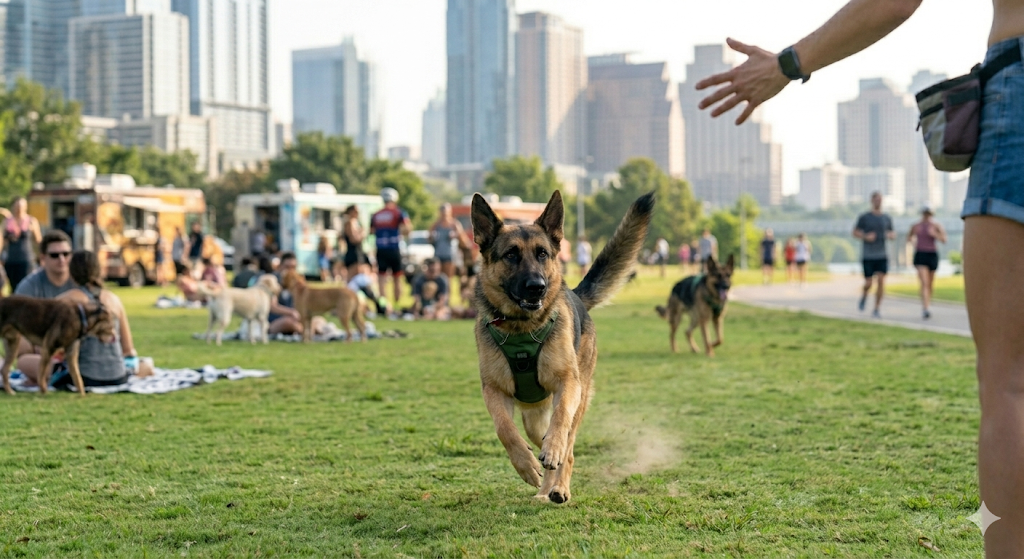
The right mental exercise doesn’t just cut out unwanted behaviors. It can also encourage desirable behaviors, particularly when it comes to training. Thorough training requires your dog to pay close attention to your commands and body language, which is no small task at first. An untrained dog has a short attention span and is easily distracted by external stimuli. Every time you practice recall or teach her a new trick, you strengthen her capacity for directed mental exercise and good behavior.
Keeping Her Mind Sharp
Mental exercise isn’t just important for young dogs with boundless energy. As your dog ages, it’s essential to maintain her usual schedule, including activities stimulating her mind. Like people, dogs can start to experience cognitive decline as they age. They may start to show symptoms like disorientation, personality shifts, anxiety, and changes in appetite. Preliminary research indicates that providing regular mental stimulation, exercise, and socialization may slow the rate of cognitive decline, improving your dog’s overall quality of life in her senior years.
How to Incorporate Mental Exercise into Your Dog’s Routine
Mental exercise directs your dog’s attention to specific things to think about and problems to solve. Toys like treat puzzles require your dog to manipulate and open an object to get to the food inside. Retrieval games that involve sniffing out a hidden toy allow your dog to engage with her senses and spatial awareness. Providing these forms of mental stimulation a few times a week can reduce boredom and burn off excess energy that physical exercise doesn’t curb.
There is no better form of mental exercise than training. At ADU, we rely on training methods and techniques to keep your dog’s mind sharp while encouraging positive behaviors. Learn more about our training programs today!