Most dog owners have moments where they wonder whether their dog’s behavior crosses the line from normal quirk into a real problem. Maybe your dog pulls so hard on the leash that walks have become something you dread. Maybe it growls at strangers or snaps when someone gets close to its food bowl. Maybe it barks non-stop when left alone, or destroys furniture every time you leave the house.
These are not personality traits you simply have to accept. They are signs that your dog needs structured guidance from a professional, and addressing them sooner rather than later leads to better outcomes. All Dogs Unleashed Fort Worth works with dogs across the full spectrum of behavioral challenges, from basic manners issues to serious aggression, and the most common thing trainers hear from new clients is that they wish they had come in sooner.
Growling, Snapping, or Showing Aggression

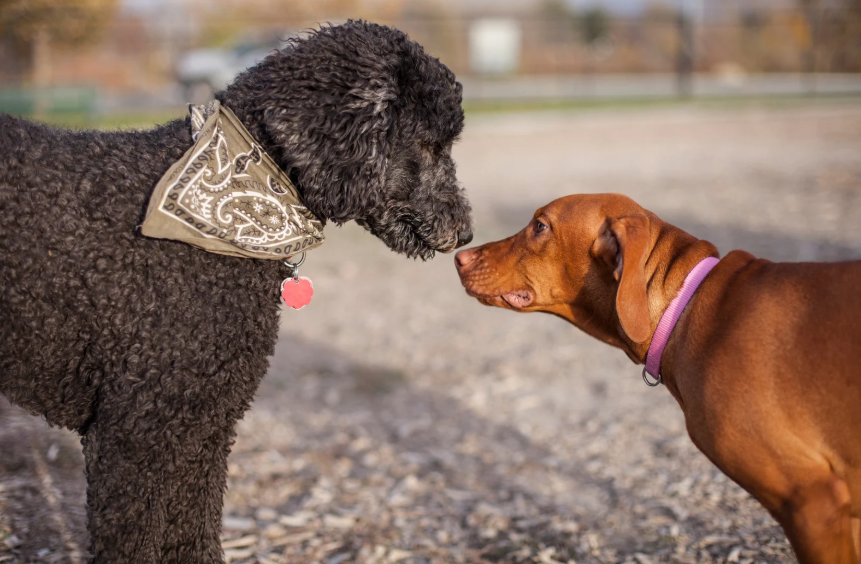
Aggression is the behavioral sign that most urgently warrants professional intervention. If your dog growls at family members, snaps at visitors, lunges at strangers on the street, or shows aggressive behavior toward other dogs, that is not something to wait out or manage with avoidance. Aggressive behavior tends to escalate over time when it is not addressed directly, and what starts as a low-level growl can progress to biting if the underlying issue goes unresolved.
Aggression in dogs has many potential root causes, including fear, resource guarding, territorial instincts, pain, or learned behavior from previous experiences. Identifying the specific trigger and addressing the underlying cause requires a skilled trainer with experience handling these cases. A general obedience class is not the right starting point for a dog showing aggression. You need a professional evaluation and an individualized behavior modification plan.
Fort Worth is a city where dogs encounter many stimuli daily, from the busy West 7th corridor to neighborhood walks where encounters with strangers and other dogs are unavoidable. An aggressive dog in this environment is not just a problem to manage, it is a liability. Early professional intervention protects your dog, your household, and everyone your dog comes into contact with.
Severe Leash Pulling and On-Leash Reactivity
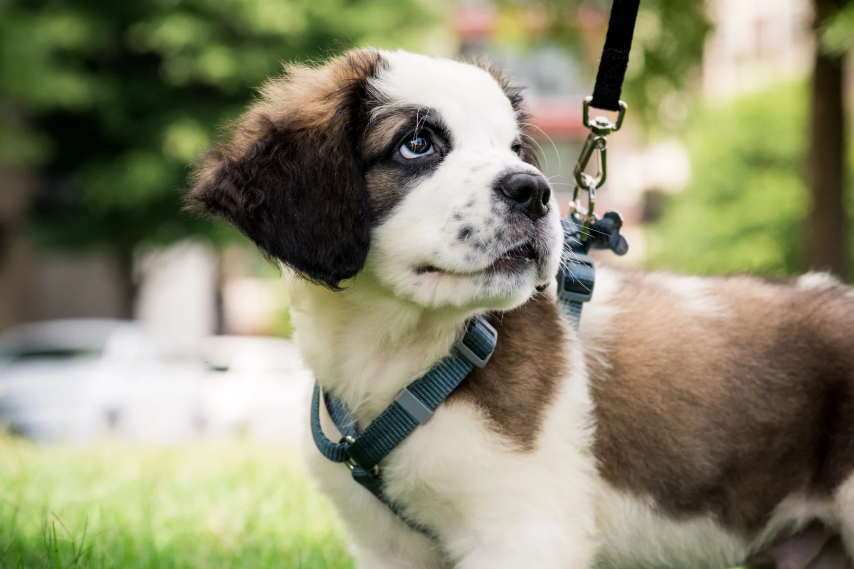
If walking your dog has become a physical battle, something has gone wrong in the foundational training of leash behavior. A dog that pulls relentlessly, wraps the leash around your legs, drags you toward other dogs, or erupts into barking and lunging at everything it sees is not enjoying the walk either. Reactive leash behavior is stressful for both the dog and the handler, and it often gets worse over time as the dog’s rehearsal of the behavior reinforces the pattern.
Leash reactivity is one of the most common issues All Dogs Unleashed trainers in Fort Worth address, and it responds well to structured training when approached correctly. The goal is not to suppress the reaction through punishment but to change the dog’s underlying emotional response to the triggers that set it off, building calm, focused behavior in environments where the dog currently falls apart.
If you currently avoid certain routes, times of day, or situations because of how your dog behaves on leash, that avoidance is a signal that the problem has already affected your quality of life. Professional training can change that picture significantly.
Destructive Behavior and Separation Anxiety
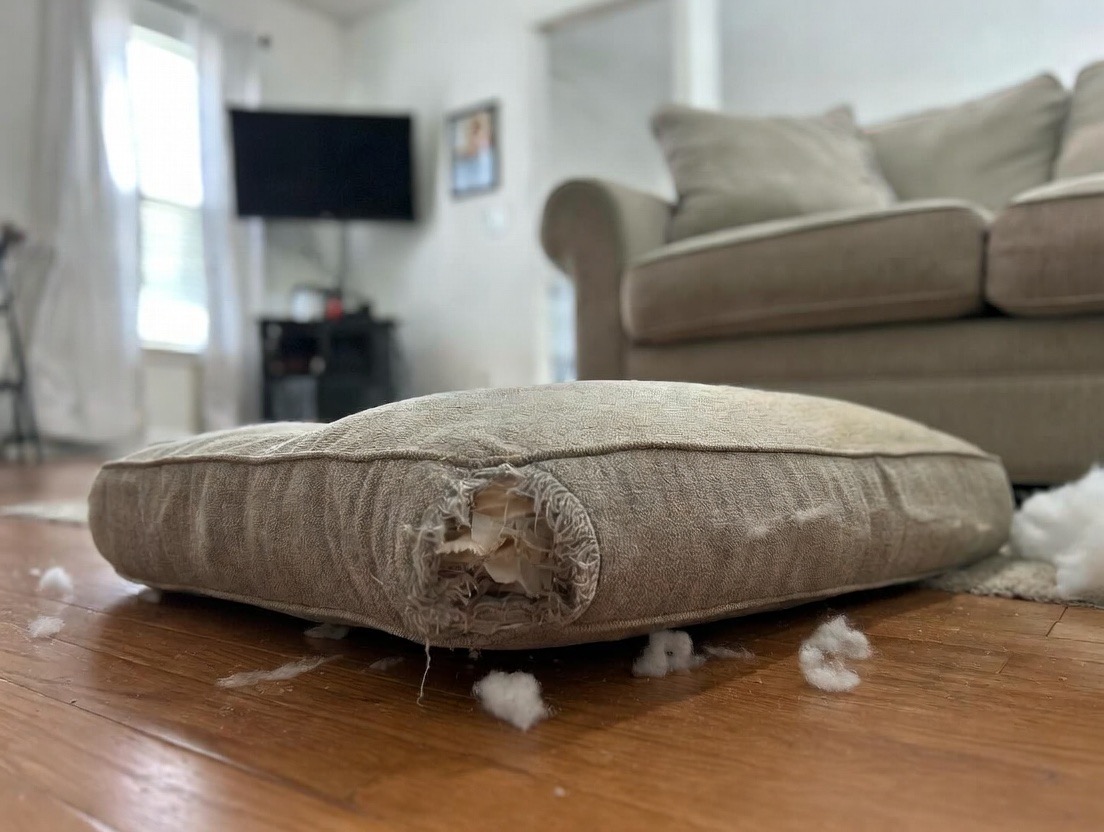
Some dogs become destructive when left alone, chewing furniture, scratching doors, tearing up belongings, or eliminating inside despite being house-trained. While puppies go through phases of destructive chewing as part of normal development, adult dogs that destroy the home when alone are typically signaling one of two things: inadequate mental and physical stimulation, or genuine separation anxiety.
Separation anxiety is a specific behavioral condition characterized by distress responses that occur specifically in the absence of the owner. It is not simply boredom or bad behavior. Signs include excessive vocalization, destructiveness, pacing, and elimination that occur within minutes of the owner leaving and typically resolve quickly upon return. True separation anxiety requires a deliberate behavior modification protocol, not just more exercise or better management.
Both issues, under-stimulation and separation anxiety, can be significantly improved through professional training combined with structured daily routines. For dogs that struggle to be alone, programs that combine training with daycare provide consistent behavioral work while giving the dog a healthy, engaging environment during the hours when being home alone is most difficult.
Not Coming When Called
A reliable recall is one of the most important safety behaviors a dog can have, and it is also one of the most frequently neglected. If your dog ignores you when you call its name, continues what it is doing without acknowledgment, or only returns when it decides the interaction is worth it, you do not have a reliable recall. That matters most when it matters most: when your dog has gotten loose, is heading toward traffic, or is in a situation where immediate response could prevent injury.
Recall failures are often the result of inconsistent early training, competing reinforcements in the environment, or a history of the recall being associated with things the dog finds unpleasant, like being crated or ending a fun activity. Rebuilding a reliable recall requires patient, consistent work that reconditions the dog’s association with hearing its name and the come command.
A professional trainer can assess what is driving your dog’s recall issues and put together a training plan that addresses the root cause rather than just repeating the same unsuccessful approach. For dogs that need immersive work on foundational behaviors like recall, a board and train program often produces faster and more durable results than weekly sessions.
Resource Guarding Around Food, Toys, or Spaces
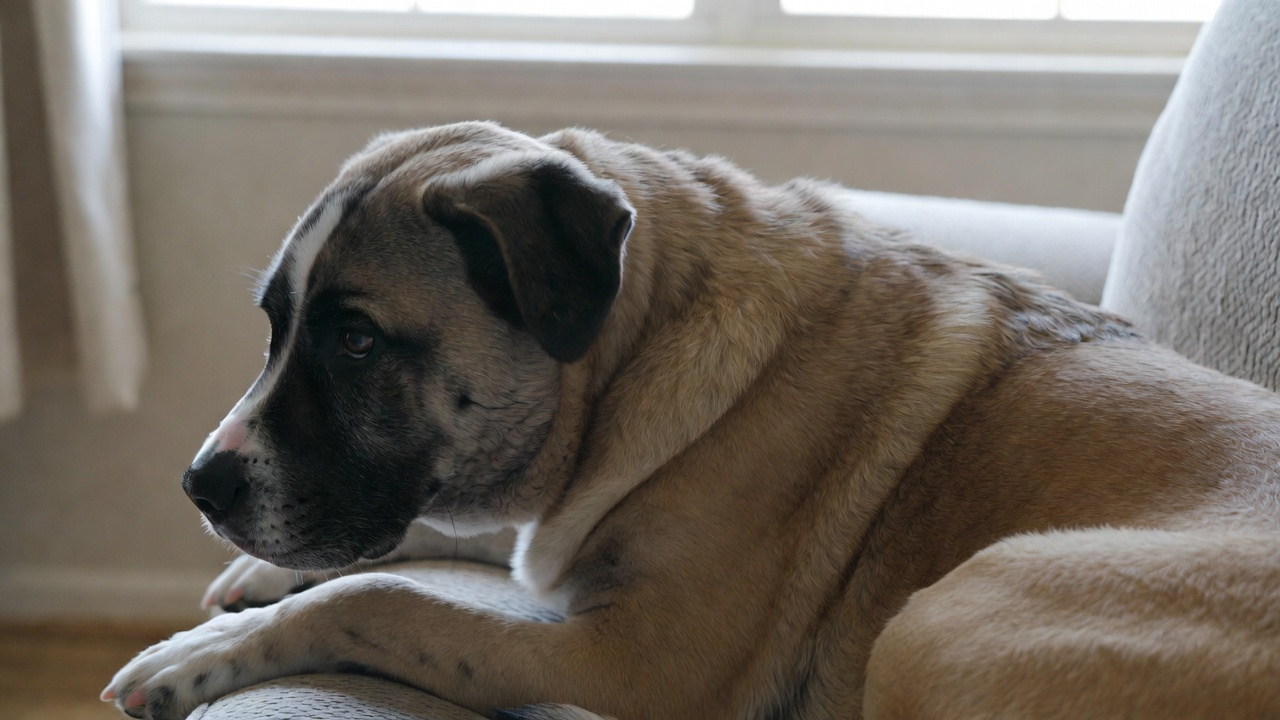
Resource guarding, in which a dog growls, snaps, or stiffens when people or other animals approach its food, toys, resting spots, or other valued items, is a behavior that requires professional attention. While mild resource guarding is common in dogs, behavior that escalates to growling, snapping, or biting around resources is dangerous, particularly in households with children.
Resource guarding often worsens when handled incorrectly by well-meaning owners who try to physically assert dominance or take items away forcefully. This typically increases the dog’s anxiety around resource removal and can make the behavior more intense. A professional trainer can design a desensitization protocol that systematically reduces the dog’s perceived threat around approach and handling of resources.
Fort Worth households with multiple dogs are particularly vulnerable to resource guarding escalating into inter-dog conflict. If you have noticed tension between dogs during feeding times, over toys, or around certain furniture locations, a professional evaluation before conflict escalates to injury is a wise investment.
Persistent Jumping, Nipping, or Out-of-Control Hyperactivity
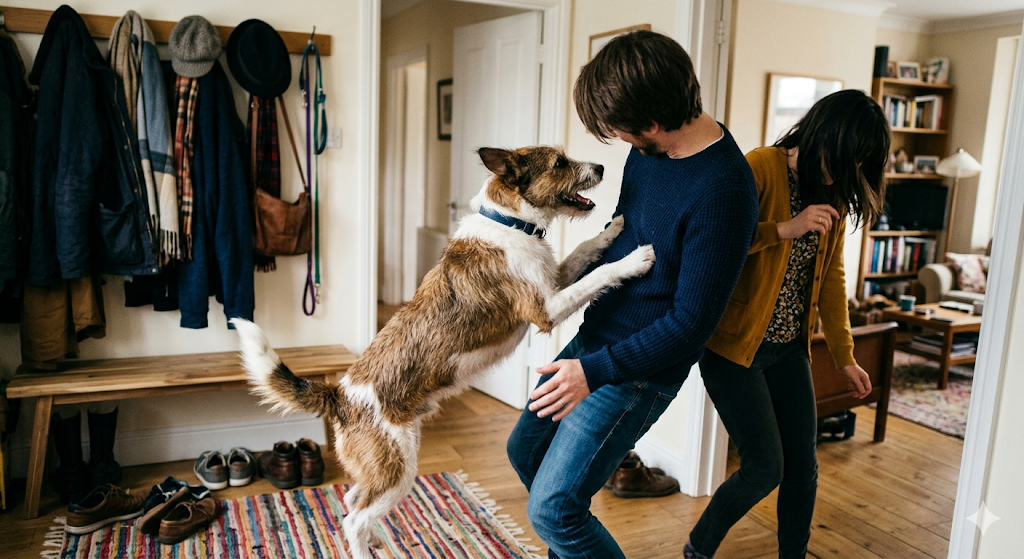
Jumping on guests, nipping at hands and clothing, and a general inability to settle down are among the most common complaints Fort Worth dog owners bring to professional trainers. While these behaviors can be endearing in puppies, they become genuinely problematic in adult dogs, particularly in larger breeds where the physical impact of jumping is significant.
These behaviors are almost always the product of inadvertent reinforcement, meaning the dog has learned that these behaviors result in attention, engagement, or access to things it wants. The solution is not simply more exercise or stricter corrections, but a clear, consistent training program that teaches the dog what behaviors earn reinforcement and what behaviors result in the removal of attention and access.
Dogs with these issues can be transformed with the right training approach. In-home training is often particularly effective for these behavioral patterns because the trainer can address the behavior directly in the home environment where it typically occurs and coach the entire household on consistent responses.
Extreme Fear or Anxiety in Public Settings
Some dogs shut down completely in public settings, refusing to walk, hiding behind their owner, trembling, or showing fear responses to everyday stimuli like traffic, strangers, other dogs, or even sounds. Extreme fearfulness significantly limits a dog’s quality of life and is often progressive if the dog is continually exposed to overwhelming situations without support.
Fear and anxiety in dogs respond well to systematic desensitization and counter-conditioning when approached by a skilled trainer. The process involves gradual, controlled exposure to fear triggers at intensities the dog can handle, paired with positive associations that change the emotional response over time. This is slow work but produces lasting change when done correctly.
A dog that cannot comfortably navigate Fort Worth’s parks, neighborhoods, and public spaces is missing out on experiences that should be part of a full and happy life. If your dog’s fear is limiting where you can go and what you can do together, professional training is the path forward.
Frequently Asked Questions
At what point should I hire a professional dog trainer?
The short answer is: earlier than most people think. Many owners wait until a behavioral problem has become serious or dangerous before seeking help, and early intervention almost always produces faster, easier results. If your dog is showing any of the signs described in this article, or if daily life with your dog is consistently frustrating, that is a signal to reach out to a professional. You do not need to be in a crisis to benefit from training.
Can aggression in dogs be fixed with training?
Many cases of canine aggression can be significantly improved with the right behavior modification program. The outcome depends on the severity of the aggression, the dog’s history, the specific triggers involved, and the commitment of the owner to following through with the program. A professional evaluation is the starting point, since treating aggression requires understanding its specific cause and context. Do not attempt to manage serious aggression without professional guidance.
Will a board and train program fix my dog’s behavior problems?
Board and train programs can produce remarkable results, particularly for dogs with serious behavior issues or owners who need fast, consistent progress. However, the results depend heavily on the quality of the program and on the owner’s commitment to maintaining the training after the dog comes home. The best board and train programs include detailed handoff sessions that teach owners how to reinforce and build on what the dog learned during the residential phase.
My dog is well-behaved at home but a problem outside. Does that need professional training?
Yes, this is a very common presentation and it is absolutely worth addressing professionally. A dog that falls apart outside the home has typically not been adequately trained to generalize behaviors across different environments and distraction levels. This is a specific skill gap that can be addressed through structured training that systematically builds reliable behavior in increasingly challenging settings.
How do I know if my dog has separation anxiety or is just bored?
True separation anxiety involves distress that begins almost immediately upon the owner’s departure and is specifically triggered by being alone or separated from a particular person. Signs include vocalization, destructiveness, elimination, or excessive drooling and panting that occur within minutes of the owner leaving and resolve when the owner returns. Boredom-related behavior tends to be more generalized, occurring at various times and not exclusively linked to the owner’s departure. A trainer can help distinguish between the two through a behavioral assessment and observation.
Get Professional Help for Your Dog in Fort Worth
If you recognize your dog in any of the signs described above, the most important thing you can do is reach out to a professional trainer rather than waiting to see if the behavior improves on its own. Behavioral problems rarely resolve without intervention, and most become more ingrained the longer they go unaddressed. All Dogs Unleashed Fort Worth has experienced trainers who work with dogs showing exactly these kinds of issues every day.
Contact All Dogs Unleashed Fort Worth today to schedule a consultation and get a clear picture of what your dog needs. Call (817) 393-6224 to learn more about available programs.
About All Dogs Unleashed
All Dogs Unleashed is a professional dog training company serving Fort Worth and the Dallas-Fort Worth Metroplex. The Fort Worth location specializes in board and train programs, in-home dog training, dog boarding, dog daycare, dog grooming, and structured training programs for dogs of all ages, breeds, and behavioral backgrounds.
The All Dogs Unleashed team has worked with hundreds of Fort Worth area dogs, from puppies learning basic manners to adult dogs with serious behavioral challenges. Every training program is built around a thorough understanding of the individual dog and the specific goals of the family, with a focus on results that translate into real-world improvements in daily life.
Contact All Dogs Unleashed Fort Worth at (817) 393-6224 to schedule your consultation.