
Dog aggression is one of the most concerning and misunderstood behavioral issues a dog owner can face. Whether it is growling at strangers, reacting to other dogs on leash, or snapping near food, aggressive behavior can feel overwhelming, especially when it seems to come out of nowhere.
For dog owners in Carrollton, TX, understanding the basics of aggression, what it looks like, what drives it, and when it requires professional intervention, is essential to managing it safely and effectively.
At All Dogs Unleashed in Carrollton, our training team has experience assessing and working with dogs that display aggressive behaviors, and we help owners navigate these situations with confidence.
What Aggression Actually Is
Aggression in dogs is a communication strategy before it is anything else. Dogs do not aggress without reason. Aggressive behavior, including growling, snapping, lunging, and biting, is typically a dog’s way of communicating that they are uncomfortable, afraid, in pain, or feel their resources or safety are at risk.
This is an important distinction because it means aggression is usually a symptom, not the core problem. Treating the symptom without understanding the underlying cause rarely produces lasting results.
Common Signs of Dog Aggression to Watch For
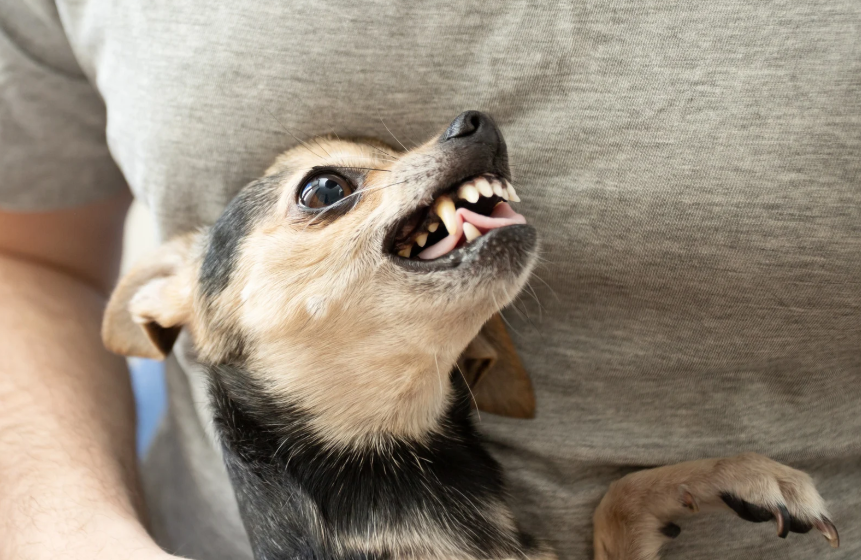
Aggression exists on a spectrum, from subtle early warning signals to full-contact biting. The signs to watch for include:
- Stiffening: Body or tail held high and rigid
- Hard eye contact: A fixed stare or whale eye showing the whites of the eyes
- Growling: A low rumbling when approached or during specific triggers
- Snapping or air-biting: A warning bite that makes contact with air rather than skin
- Lunging or charging: Moving quickly toward people, animals, or objects
- Biting: Contact that breaks the skin
Growling is often the first sign owners notice, and the worst response is to punish the growl. A growl is a warning. Removing the warning without addressing the underlying discomfort does not solve the problem, it removes your advance notice that a bite is coming.
Common Causes of Dog Aggression in Carrollton
Fear-Based Aggression
Fear is the single most common driver of dog aggression. Dogs that have not been adequately socialized, have had frightening experiences, or are genetically predisposed to anxiety often respond to perceived threats with aggression. This type of aggression is typically directed at unfamiliar people, other dogs, or specific triggers like loud noises or fast movement.
Resource Guarding
Resource guarding occurs when a dog becomes aggressive around high-value items, food, toys, resting spots, or even people. Dogs guard resources because competition for them is a survival instinct. Some guarding is normal and manageable. Severe guarding that escalates to biting requires professional intervention.
Pain-Related Aggression
A dog that is in pain may snap or growl when handled, even by people they normally trust. Any sudden onset of aggression in a dog with no prior history should prompt a veterinary examination to rule out underlying health issues before behavioral work begins.
Redirected Aggression
Redirected aggression happens when a dog is already aroused or frustrated by one trigger and bites or snaps at whoever is nearest. This often occurs when an owner tries to break up a dog fight or interrupt a dog focused on something outside a fence.
Territorial and Protective Aggression
Some dogs become aggressive in defense of their home, yard, vehicle, or family members. While some protective instinct is normal, excessive territorial aggression toward guests or neighbors signals a training and management issue that warrants professional attention.
When to Seek Professional Help in Carrollton
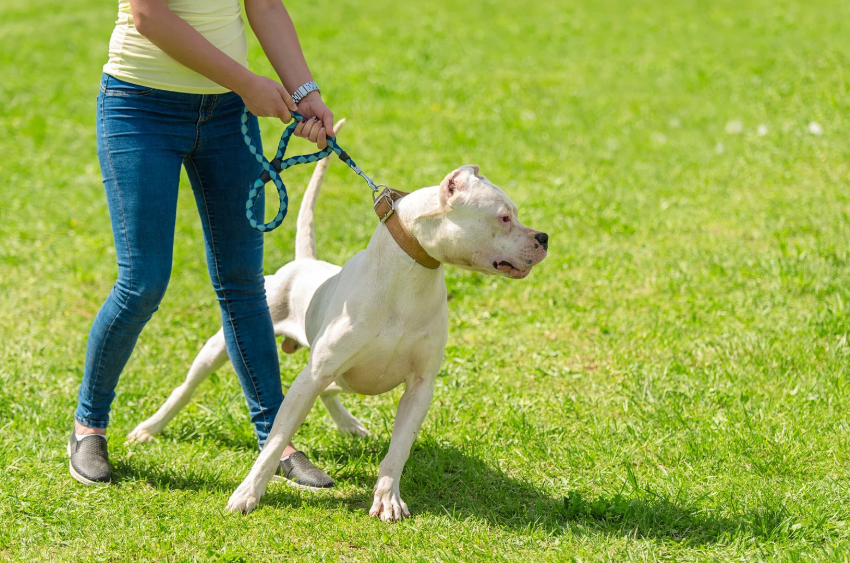
If your dog is showing any of the following, professional intervention is warranted sooner rather than later:
- Aggression toward family members: Including growling, snapping, or biting toward adults or children in the household
- Escalating behavior: Aggression that appears to be increasing in frequency or intensity
- Reactivity on leash: Lunging and barrier frustration toward other dogs or people during walks
- Resource guarding that creates safety risks: Behaviors around food, toys, or resting spots that make handling unsafe
- Biting that breaks skin: Any bite that makes contact with a person requires immediate professional assessment
Attempting to manage serious aggression without professional guidance is risky and often counterproductive. Well-intentioned corrections applied at the wrong moment can worsen the underlying fear or frustration driving the behavior.
Frequently Asked Questions
Can dog aggression be fixed with training in Carrollton?
Many forms of aggression respond well to structured training that addresses the underlying cause. Fear-based aggression, resource guarding, and leash reactivity are all commonly treated through professional training programs. Severe aggression or aggression with a strong genetic component may require ongoing management strategies in addition to training.
Is it safe to train an aggressive dog at home in Carrollton?
Mild forms of aggression like leash reactivity can sometimes be managed with home training under professional guidance. For dogs that have bitten or that show unpredictable aggression, working directly with a professional trainer is strongly recommended for the safety of everyone involved.
What should I do if my dog growls at a family member?
Do not punish the growl. Remove the dog from the situation calmly and contact a professional trainer to assess what triggered the behavior. Suppressing the growl without addressing the cause increases the risk of biting without warning.
How does All Dogs Unleashed assess aggressive dogs in Carrollton?
Our Carrollton training team conducts individual assessments that evaluate the type of aggression, the specific triggers, and the dog’s history. From there, we build a training and management plan designed to address the root cause safely and effectively.
How quickly can aggressive behavior improve with professional training?
Progress depends on the type and severity of the aggression, the dog’s history, and owner consistency. Many owners see meaningful improvements within the first two to four weeks of a structured program. More deeply ingrained behavioral patterns take longer but can still improve significantly with the right approach.
Get Expert Help for Your Carrollton Dog
Aggressive behavior does not have to be the end of the story, the right training plan makes a real difference. Our Carrollton dog trainers are experienced in assessing and addressing aggression safely and effectively. Dogs with serious aggression often benefit from our board and train program or private lessons. To schedule an evaluation, call us at (972) 484-3647.