
Ask most dog owners about socialization and they will tell you it is something you do with puppies. Get them around other dogs, expose them to different people, let them experience new environments during those early weeks. That is all true and critically important. But the conversation about socialization usually stops there, and that is where a significant gap in dog welfare begins.
Socialization is not a developmental phase you complete and move past. It is an ongoing practice that matters throughout a dog’s entire life. Adult dogs need socialization maintenance. Senior dogs benefit from gentle, enriching social contact. And the consequences of socialization deprivation are real and visible at every age.
At All Dogs Unleashed, we work with Austin dogs across every life stage, from puppies building their first social foundations to seniors maintaining the behavioral flexibility they have spent years developing. Here is what every Austin dog owner should understand about socialization and why it never stops mattering.
What Socialization Actually Means
The term “socialization” is commonly used to mean exposure to other dogs. But its full meaning is considerably broader. Socialization refers to the process by which a dog develops comfort, confidence, and appropriate behavioral responses to the full range of stimuli it will encounter in life.
This includes:
- Other dogs: All sizes, breeds, energy levels, and play styles.
- People: All ages, genders, appearances, clothing types, and movement patterns. Children, elderly people, people in uniforms, people with strollers or bicycles, all present different sensory profiles that a well-socialized dog navigates without distress.
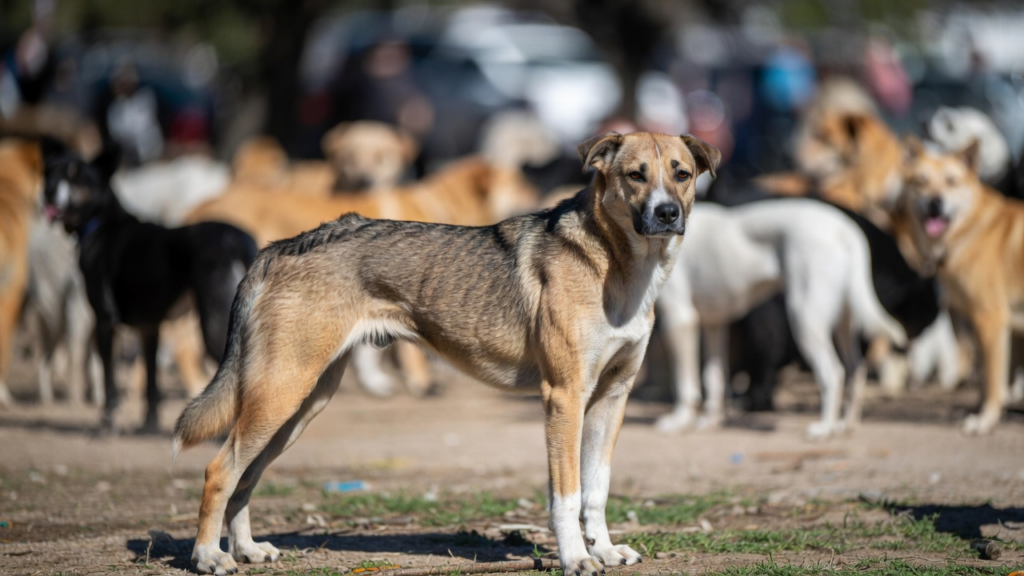
- Environments: New locations, surfaces, sounds, and sensory conditions. Urban environments, rural environments, vehicles, construction sounds, crowds.
- Handling: Grooming tools, veterinary examinations, being touched on paws, ears, and mouth.
- Novel objects and situations: Anything the dog encounters that it has not experienced before.
The goal of socialization is not exposure for its own sake. It is the development of emotional resilience and behavioral flexibility. A well-socialized dog encounters something new and responds with curiosity or calmness rather than fear, aggression, or shutdown.
The Puppy Socialization Window: Why It Matters So Much
Dogs have a critical socialization period that runs roughly from three weeks of age to about fourteen weeks. During this window, the brain is uniquely open to forming positive associations with new experiences. Exposures during this period have a disproportionately large and lasting impact on the dog’s future behavioral responses.
A puppy that has positive, low-stress experiences with different people, surfaces, sounds, environments, and animals during this window builds a template of the world as a safe, manageable place. Gaps in this window, experiences that should have happened but did not, create vulnerabilities that show up as fear, reactivity, or anxiety later in life.
The critical period closes, but behavioral flexibility does not disappear. The next window matters too.
The Adolescent Period: Socialization Maintenance Under Fire
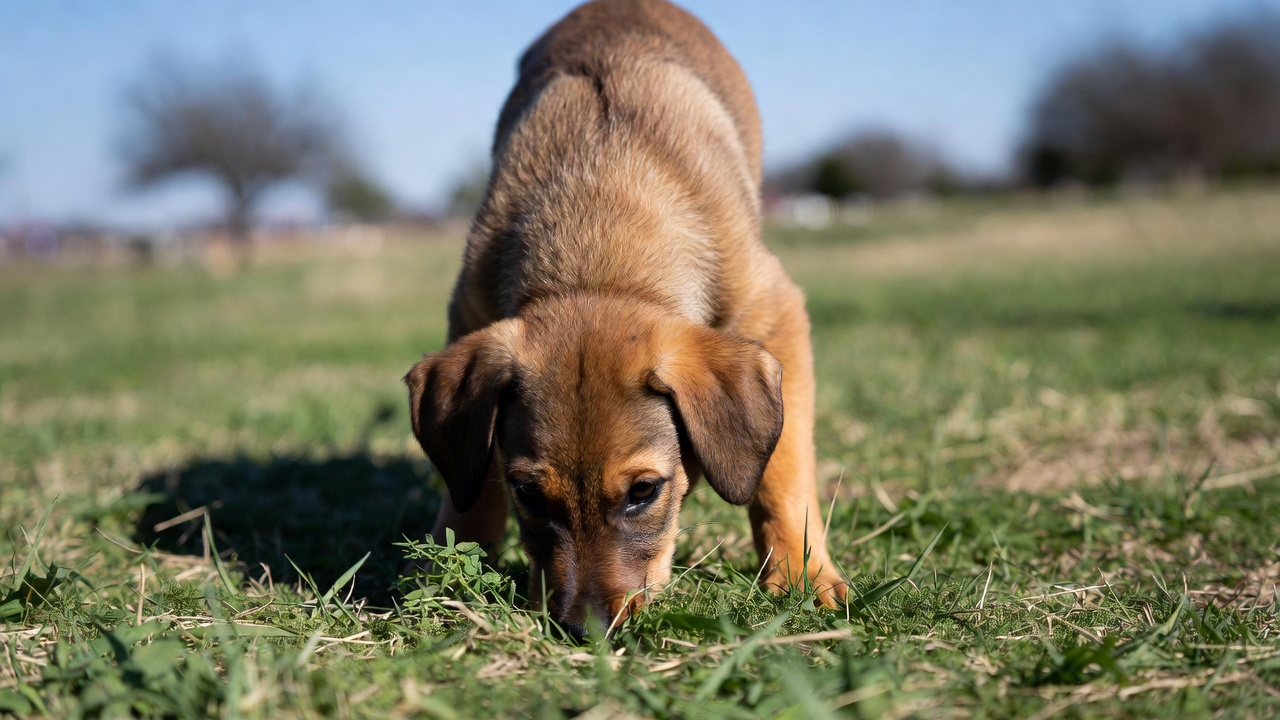
Dogs go through an adolescent phase that typically spans from about six months to eighteen to twenty-four months, depending on the breed. During this period, dogs often appear to regress on behaviors they had reliably learned. They become more easily distracted, more arousal-prone, and in some cases more reactive to stimuli they had previously been comfortable with.
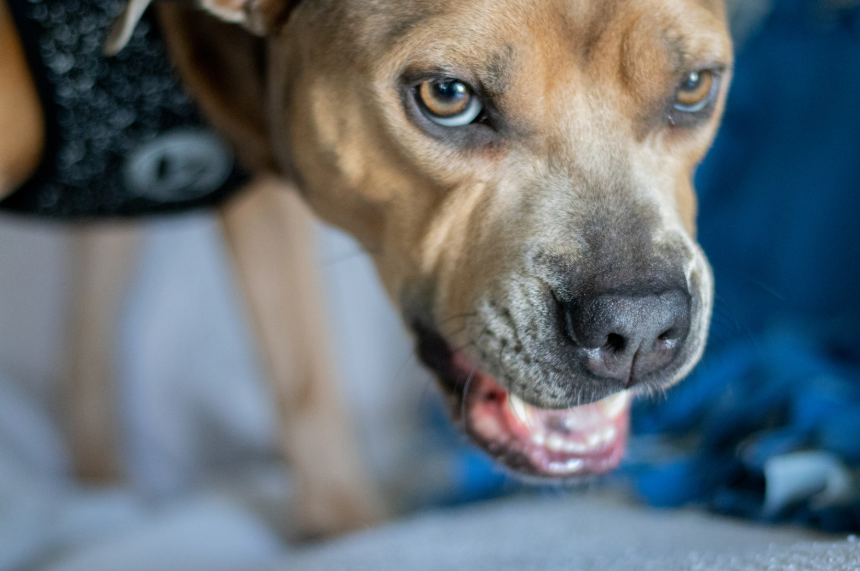
This is a neurological phenomenon tied to brain development and hormonal shifts, not willful defiance. But it has real socialization implications. Some adolescent dogs that were well-socialized as puppies begin showing fearful or reactive responses to things they had been comfortable with previously. This is sometimes called a “fear imprint period” and it can reset behavioral patterns established during puppyhood.
Consistent socialization maintenance during adolescence is critical for preventing these developmental windows from creating lasting behavioral gaps. That means continued, regular exposure to diverse environments, dogs, and people throughout this period, not a reduction in socialization because “we already did that.”
Dogs in this life stage also often benefit enormously from structured training that channels their energy and maintains the compliance and focus built during puppy training. Our training programs in Austin are designed to support dogs through the adolescent transition.
Adult Dogs: Socialization Is Not a Completed Task
An adult dog that had excellent puppy socialization still needs ongoing social engagement. Socialization is not a bank account you fill during puppyhood and then draw from for life. Without maintenance, even well-socialized dogs can develop narrower comfort zones over time.
Adult dogs that stop encountering diverse environments, people, and other dogs tend to become less behaviorally flexible. This does not always manifest as overt reactivity. It can show up as subtle discomfort in new environments, increased arousal around unfamiliar people, or heightened stress at veterinary visits.
Maintaining socialization in adult dogs looks different than building it in puppies:
- Regular outings to varied environments: New parks, neighborhoods, stores that allow dogs, and outdoor dining environments all expose adult dogs to novel sensory input that keeps their adaptability sharp.
- Structured dog-to-dog interactions: Playgroups, regular visits to trusted dog friends, and appropriate dog park interactions maintain the dog’s ability to communicate and interact well with other dogs.
- Ongoing training and engagement: Training sessions are themselves a form of socialization because they require the dog to focus in new environments and process novel challenges. Dogs enrolled in ongoing training stay more behaviorally flexible than dogs whose training has completely lapsed.
Dog daycare in Austin is one of the most effective ways to maintain adult dog socialization. Regular daycare attendance keeps dogs engaged with other dogs, habituated to varied social dynamics, and mentally stimulated in ways that translate to calmer, more flexible behavior at home.
Senior Dogs: The Value of Continued Social Contact
Senior dogs are often the most overlooked group in conversations about socialization. Many owners scale back social activity for older dogs, reasoning that the dog is calmer and less interested in high-energy interaction. While high-energy dog park sessions may genuinely be too demanding for a senior dog, the value of appropriate social contact does not diminish with age.
Social isolation in senior dogs contributes to cognitive decline, increased anxiety, and accelerated behavioral change. Regular, gentle interaction with familiar people and dogs provides cognitive stimulation and emotional comfort that supports quality of life in aging dogs.
What appropriate socialization looks like for senior dogs:
- Calm leash walks in varied environments: Sniff-heavy walks where the dog can take in the world at its own pace provide rich sensory input without physical demand.
- Gentle play or interaction with known, compatible dogs: One-on-one time with a familiar dog friend is far less demanding than a busy dog park.
- Continued handling and grooming exposure: Regular handling and grooming maintains the dog’s comfort with being touched and examined, which matters enormously for veterinary care as health issues become more frequent.
- Enrichment activities at home: Puzzle feeders, lick mats, and gentle nose work provide cognitive engagement that keeps aging brains active.
Professional training remains valuable for senior dogs as well. Mental engagement through short, gentle training sessions supports cognitive health and maintains the communication framework between dog and owner that training builds. Our team at All Dogs Unleashed works with senior dogs with full sensitivity to their physical and cognitive needs.
How Austin’s Environment Supports and Challenges Socialization
Austin is one of the best cities in the country for dog socialization because of its outdoor culture, dog-friendly businesses, extensive park network, and high density of dog-owning residents. The Congress Avenue corridor, in particular, is a rich socialization environment: diverse foot traffic, cyclists, food carts, public events, and a dense urban sensory environment that provides constant novel stimulation for dogs that accompany their owners through the area.
At the same time, Austin’s density creates challenges. The same busy sidewalks and crowded park spaces that offer socialization opportunities can also be overwhelming for dogs that are undersocialized or struggling with reactivity. The key is building the foundation first in controlled settings and then exposing dogs to the more complex environment progressively.
A professional trainer can help Austin dog owners assess their dog’s current socialization level, identify specific gaps, and build a plan for closing those gaps in a way that builds confidence rather than creating new stress associations.
Signs Your Dog’s Socialization Needs Attention
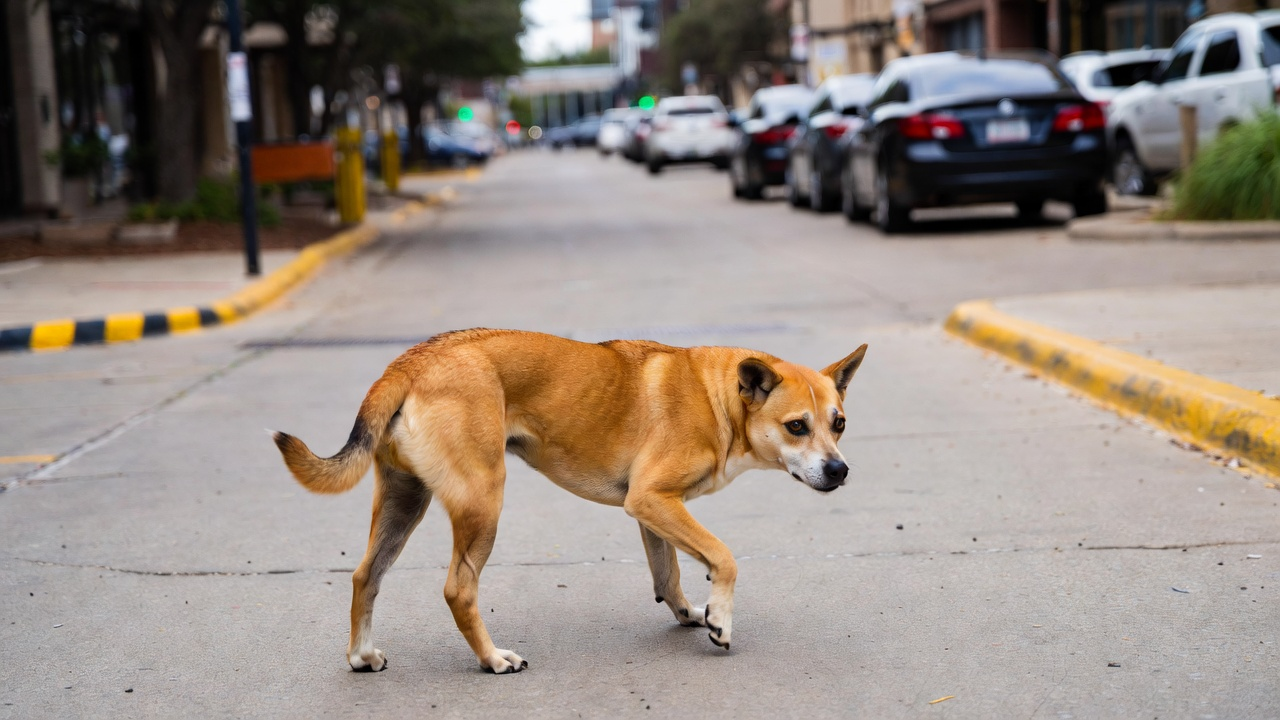
Not all socialization gaps are obvious. Watch for these signals that your dog may benefit from renewed socialization work:
- Increased stress or anxiety in new environments compared to past behavior.
- Growing wariness of unfamiliar people, especially in specific categories (children, men with hats, people on bikes).
- Heightened reactivity toward other dogs on leash despite past comfort.
- Withdrawal from social interaction or avoidance of interaction that was previously welcomed.
- Increased stress signals during routine handling, grooming, or veterinary visits.
- General flattening of energy or enthusiasm for outings that were previously exciting.
Any of these patterns warrants attention. At All Dogs Unleashed, we offer behavioral consultations to help Austin dog owners understand what they are seeing and build a concrete path forward.
Support Your Austin Dog’s Social Health at Every Age
Whether your dog is four months old or fourteen years old, socialization is an active, ongoing investment in their wellbeing. The effort you put in at every life stage pays dividends in a dog that is calm, adaptable, and enjoyable to live and go places with.
All Dogs Unleashed is here to support Austin dog owners through every stage of their dog’s social and behavioral development. Call us at (512) 963-6017 to learn more about our training programs and care services.
Frequently Asked Questions
At what age is it too late to socialize a dog?
It is never too late to begin or expand socialization work, though adult and senior dogs require a more gradual, careful approach than puppies. Older dogs with established behavioral patterns take longer to shift, but meaningful improvement is possible at any age with the right training approach.
How do I socialize a dog that had a bad experience with another dog?
Gradual, controlled re-exposure in a low-stakes, positive environment is the starting point. This usually means beginning at a distance where the dog can observe other dogs without reacting, pairing those observations with high-value treats, and very slowly decreasing the distance over multiple sessions. Rushing this process sets it back. Professional guidance is strongly recommended for dogs with significant negative history.
Is dog daycare good for socialization?
For most dogs, yes. Regular daycare attendance maintains dog-to-dog communication skills, provides daily social novelty, and builds resilience through predictable, supervised group interaction. It is most beneficial for dogs that are already comfortable with other dogs and have some basic obedience foundation. Dogs that are reactive or highly anxious around other dogs may need targeted training before daycare is appropriate.
How does training support socialization?
Training and socialization reinforce each other. A dog with a strong obedience foundation has more tools for navigating social situations, and a well-socialized dog is more focused and cooperative during training. Building both simultaneously produces the most behaviorally flexible, confident adult dog.
About All Dogs Unleashed
All Dogs Unleashed is a professional dog training company located at 111 Congress Ave. #201, Austin, TX 78701 serving the Austin, TX area. We offer a full range of services including dog boarding, daycare, grooming, in-home training, and structured board and train programs.
Business Name: All Dogs Unleashed
Address: 111 Congress Ave. #201, Austin, TX 78701
Phone: (512) 963-6017