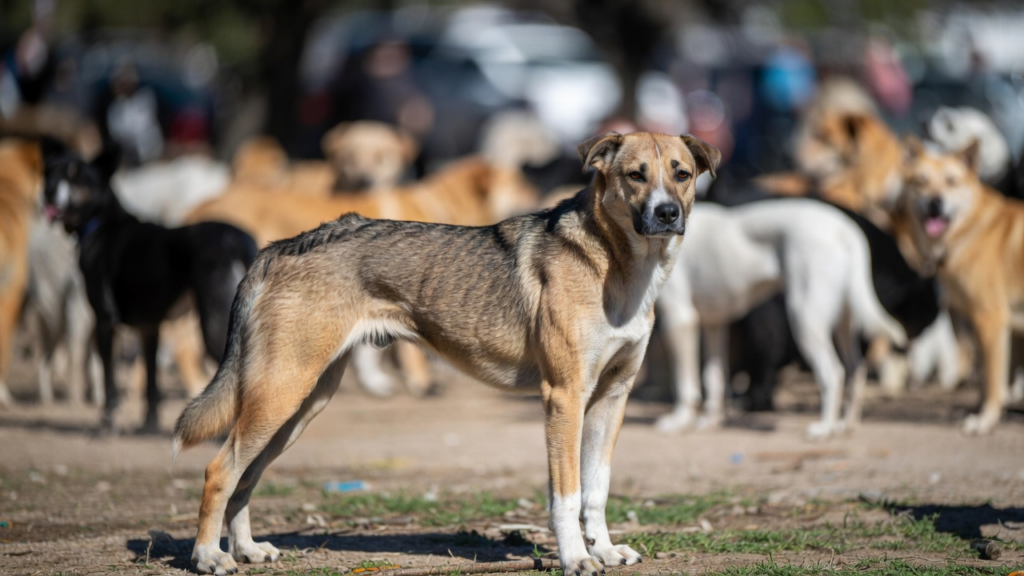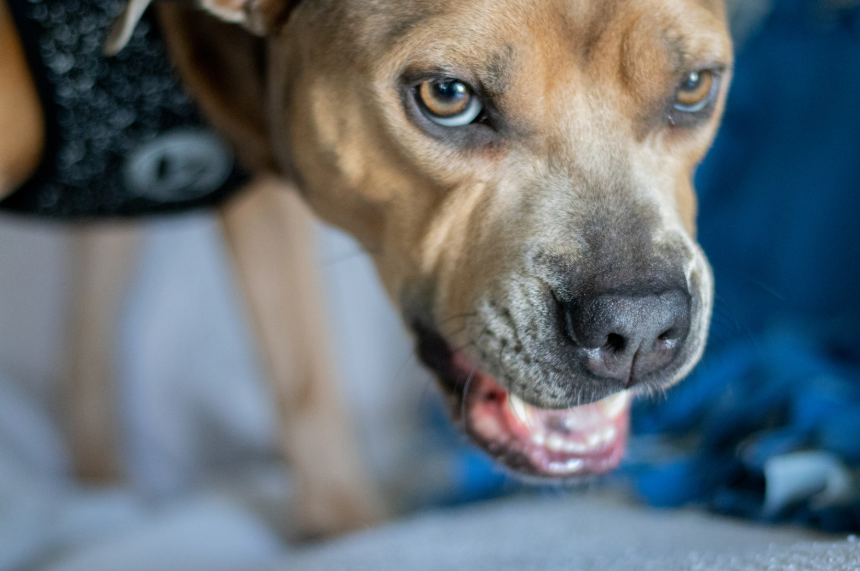

Resource guarding is one of the most misunderstood behaviors in dogs, and one of the most important to address correctly. When a dog growls over its food bowl, stiffens when someone approaches its bed, or snaps at another dog that gets too close to its toy, it is displaying resource guarding. Many owners respond to this behavior with punishment, without realizing that punishment often makes the problem worse and increases the risk of a bite.
Understanding why dogs resource guard, what the warning signs look like before escalation, and how professional training addresses the behavior safely is essential knowledge for every Austin dog owner. At All Dogs Unleashed, we work with resource guarding dogs and their families regularly and have seen firsthand how early, correctly applied intervention prevents escalation.
What Is Resource Guarding?
Resource guarding is the behavior a dog displays to communicate that it does not want a person, another dog, or any perceived competitor to come near or take something it values. The guarded resource can be almost anything: food, a bowl, a toy, a bone, a resting spot, a space in the house, or even a person.
From the dog’s perspective, this is not aggression for the sake of aggression. It is a completely logical attempt to protect something valuable. In a feral or wild context, resource guarding is adaptive. An animal that does not protect its food risks losing it. The problem arises when these instincts are expressed in a domestic household setting, where a dog growling at a child over a food bowl or snapping at a family member who picks up a toy creates real safety risks.
Resource guarding exists on a spectrum from mild to severe:
- Mild: Eating faster when someone approaches the food bowl, moving away from people while chewing a bone, turning the body away when someone reaches for a toy.
- Moderate: Stiffening, growling, or hard staring when someone approaches a guarded item. Snapping without contact when the approach continues.
- Severe: Lunging, biting, or sustained aggression directed at anyone who comes near a guarded resource. Hard bites with repeated intensity.
Mild guarding behaviors are extremely common and do not always indicate that a dog will escalate to biting. But they are meaningful communications that should be taken seriously rather than ignored or punished.
Why Do Dogs Resource Guard?
Resource guarding is both instinctual and learned. Understanding both components is important for building an effective training response.
The Instinctual Component
All dogs have some baseline genetic predisposition toward resource guarding. Some breeds have stronger instincts than others, particularly herding breeds, terriers, and some working breeds that were historically selected for persistence and tenacity. But any dog of any breed can develop resource guarding.
The instinct is driven by survival logic: if this is mine and I need it, I should protect it. Food, in particular, activates deep hardwired responses because food is life-sustaining. A dog that guards food aggressively is, in evolutionary terms, doing exactly what its instincts tell it to do.
The Learned Component
Learned experience intensifies or reduces guarding behavior significantly. Dogs that have had resources taken away unexpectedly, competed with other animals for food, or had negative experiences around food or toys often develop more intense guarding responses. Conversely, dogs that have been taught from puppyhood that a person approaching their bowl means good things happen typically do not develop problematic guarding.
This is one of the strongest arguments for early intervention: the earlier the training, the easier it is to shape the dog’s associations before guarding becomes habitual.
What Makes It Worse
Two common owner responses to resource guarding make the problem significantly worse over time:
- Punishment: Punishing a dog for growling does not address the underlying anxiety or motivation. It removes the warning signal. A dog that has been punished for growling learns to stop growling, not to stop guarding. This creates dogs that bite without warning, which is far more dangerous than dogs that growl.
- Forced resource removal: Repeatedly taking things away from a dog by force increases the dog’s vigilance and anxiety around resources, intensifying the guarding rather than reducing it.
Warning Signs of Resource Guarding Austin Owners Should Recognize
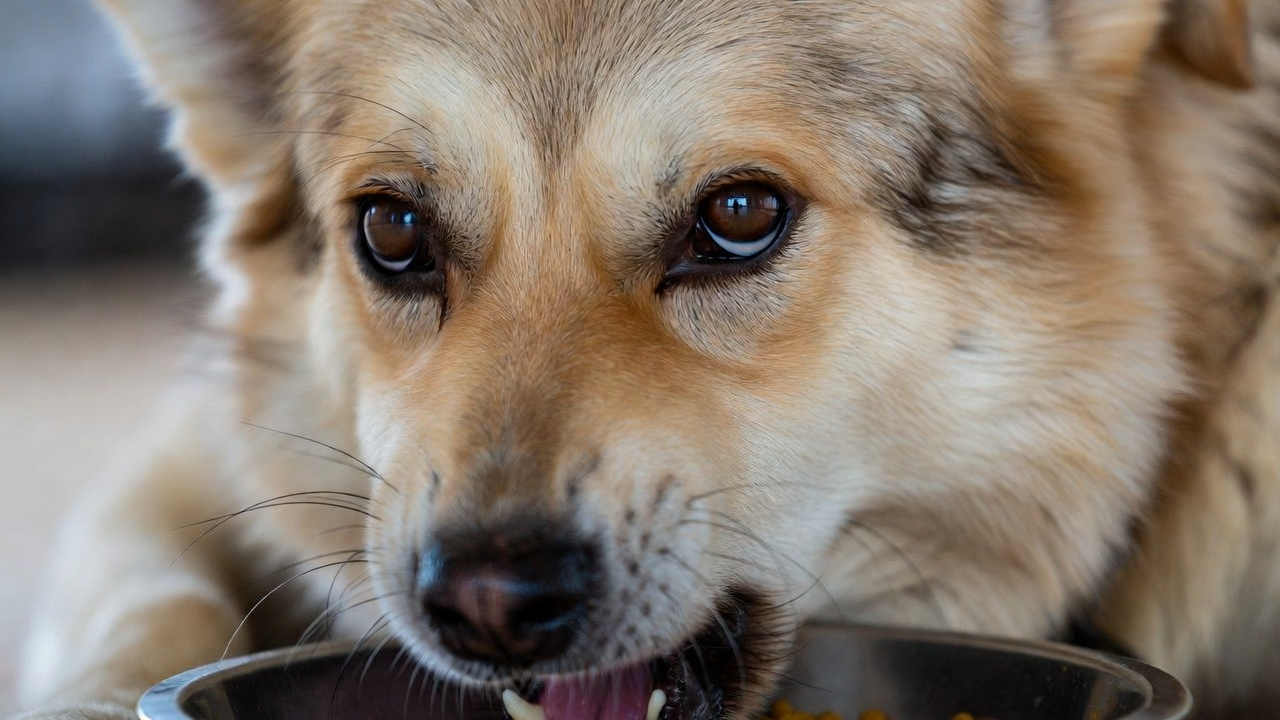
Many owners miss the early signals of resource guarding and only notice the behavior when it has escalated to growling or snapping. Learning the full continuum of warning signals allows for earlier, safer intervention.
Early warning signs:
- Eating faster or “hoovering” food: A dog that suddenly accelerates its eating pace when someone enters the room is telling you it feels competitive or insecure about the resource.
- Subtle body stiffening: A tightly held body, still tail, and rigid posture when approached during eating or chewing.
- Side-eyeing or hard staring: The dog watches an approacher with a fixed, tense gaze without moving to engage.
- Turning away or moving with the resource: The dog picks up a toy or bone and moves to another location when someone enters the space.
- Whale eye: The whites of the eyes showing as the dog tracks someone’s movement without moving its head.
More obvious warning signs:
- Low growling: Sustained or intermittent growling when someone approaches or reaches for the resource.
- Lip curling: Showing teeth without full vocalization. A precursor to snapping.
- Air snapping: A snap that does not make contact but is a clear statement that the dog is close to its threshold.
Any of these signals warrants attention. The appropriate response is to give the dog space and seek professional training support, not to challenge the dog or take the resource by force.
How Professional Training Addresses Resource Guarding
Resource guarding training requires a systematic, desensitization-based approach. The goal is to change the dog’s emotional association with someone approaching its resource from “this is a threat to my possession” to “this predicts something good will happen.”
Trade and Reward Games
A foundational technique involves offering the dog something of equal or higher value in exchange for the guarded item. Over many repetitions, the dog learns that giving something up produces an even better outcome. This builds a positive association with the act of releasing resources.
The key is to make the trade genuinely worthwhile from the dog’s perspective. Asking a dog to give up a high-value bone in exchange for a piece of kibble is not a compelling trade. Using premium treats, real meat, or a highly desired toy as the exchange value keeps the dog invested in the game.
Approach and Retreat Conditioning
For dogs that guard food bowls specifically, a structured approach and retreat protocol changes the emotional valence of someone coming near the bowl. Starting at a distance where the dog does not react, the trainer approaches, drops a high-value treat into the bowl, and retreats. The dog learns that an approaching hand means something wonderful is about to arrive, rather than a threat to its food.
This process is conducted at a pace the dog can handle, never pushing past the point where stress signals begin. Over sessions, the trainer moves closer and closer to the bowl without triggering guarding, eventually reaching a point where the dog looks forward to approaches.
Impulse Control and Obedience Foundation
Dogs with strong impulse control and reliable obedience commands manage resource-related situations more predictably. Commands like “leave it,” “drop it,” and “place” give owners tools for redirecting and managing guarding situations before they escalate.
Building this foundation requires a calm, consistent approach and cannot be effectively rushed. For dogs with moderate to severe guarding, our board and train programs in Austin provide an intensive environment where these skills can be built systematically under professional supervision.
Safety Management During Training
Resource guarding training is one area where safety management is non-negotiable throughout the process. During the training period, guarded resources should be managed carefully:
- Feed dogs separately if there are multiple dogs in the household.
- Pick up high-value items when guests or children are present.
- Do not reach for guarded items without a trade protocol in place.
- Use baby gates or crates to create space when resource-related interactions are risky.
Management does not fix the problem, but it prevents incidents while training is underway.
When to Seek Professional Help
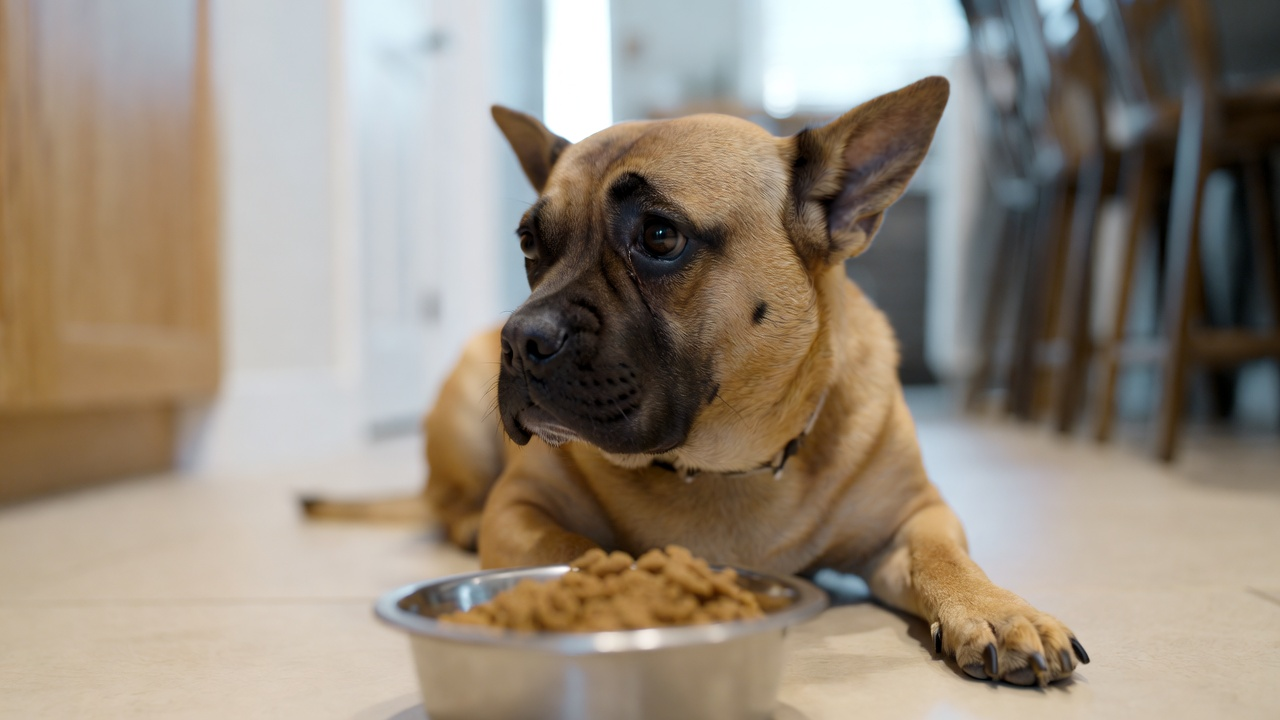
Any resource guarding behavior that has escalated to growling, snapping, or biting requires professional intervention. Attempting to “push through” or correct severe guarding without professional guidance significantly increases the risk of a bite and can worsen the behavior.
Signs that professional help is needed immediately:
- Your dog has snapped at or bitten a family member over food, toys, or space.
- Guarding is escalating in intensity over time.
- Children or vulnerable family members are in the household.
- Multiple dogs in the household are in conflict over resources.
- You feel unsafe around your dog during certain situations.
All Dogs Unleashed has experience working with resource guarding dogs across the full spectrum. Our in-home dog training option is particularly effective for this behavior since it allows a trainer to work in the exact environment where the guarding occurs and to coach the whole family on safe management and interaction protocols.
Address Resource Guarding Safely With All Dogs Unleashed
Resource guarding is a behavior that responds well to the right training approach, but it needs to be handled carefully and correctly. Attempts to push through or confront guarding behavior without professional knowledge often result in escalation rather than resolution.
All Dogs Unleashed is equipped to help Austin dog owners navigate resource guarding safely and effectively. Call us at (512) 963-6017 to discuss your dog’s behavior and find the right training solution.
Frequently Asked Questions
Is resource guarding curable?
Resource guarding can be significantly reduced and managed to a safe, livable level in most dogs with the right training approach. Complete “cure” in the sense of the instinct disappearing entirely is not realistic, but most resource guarding dogs can be trained to the point where the behavior is manageable and the household is safe.
My puppy already shows signs of resource guarding. Should I be worried?
Mild resource guarding in puppies is common and does not necessarily predict serious adult guarding. However, it is important to address it early and correctly. Puppy training that includes positive trade games, handling exercises, and bowl approach conditioning establishes the right associations before guarding habits solidify. Do not wait for it to intensify before addressing it.
Can resource guarding be triggered by adding a second dog to the household?
Yes. Adding a second dog to a household frequently activates or intensifies resource guarding in the resident dog, even if guarding was not previously evident. Managing resources carefully, feeding separately, and providing structured introduction sessions reduces competitive tension. Professional guidance is valuable during multi-dog household transitions.
What should I do if my dog growls at me during feeding?
Stop what you are doing, give the dog space, and do not challenge or punish the growl. The growl is communication. Punishing it removes the warning without removing the guarding motivation. Reach out to a professional trainer to establish a safe desensitization plan.
About All Dogs Unleashed
All Dogs Unleashed is a professional dog training company located at 111 Congress Ave. #201, Austin, TX 78701 serving the Austin, TX area. We offer a full range of services including dog boarding, daycare, grooming, in-home training, and structured board and train programs.
Business Name: All Dogs Unleashed
Address: 111 Congress Ave. #201, Austin, TX 78701
Phone: (512) 963-6017