
Growling, biting, and defensiveness: these are all warning signs of aggression. Unfortunately, dogs exhibiting aggressive behavior are often labeled “bad dogs” when in reality, they just need hands-on intervention. Read on to learn the most common types of dog aggression and what to do about them.
Fear Aggression
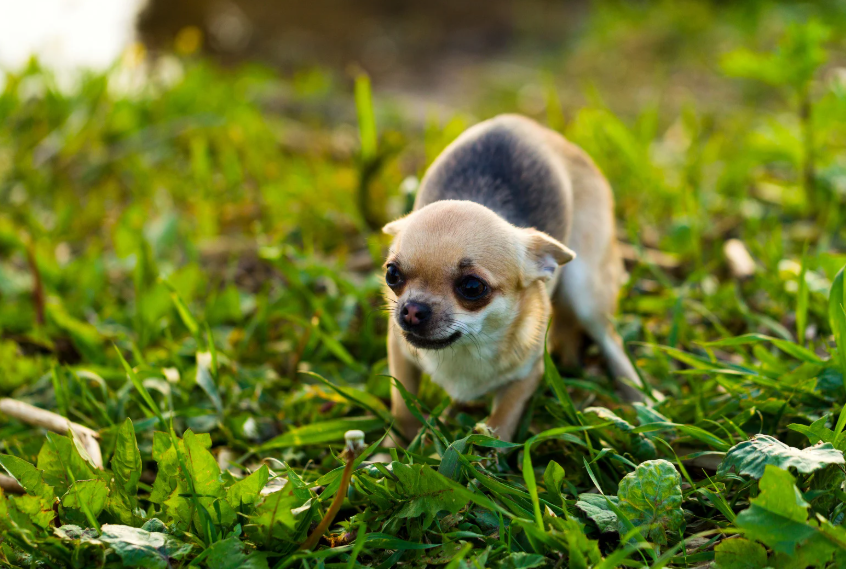
Fear aggression stems from chronic or trigger-specific anxiety. The purpose of aggressive behavior in a fearful dog is typically to create space between the dog and the offending trigger, whether that’s another dog, a person, or an inanimate object. When fearful dogs can’t create that desired space, they may resort to biting or lunging in an attempt to scare the offending trigger away.
Resource Guarding
Resource guarding occurs when a dog feels as though an object belongs exclusively to them. This tends to include objects like toys or food bowls. In the early stages, you may only notice aggression when someone tries to take the trigger object away from your dog. Resource guarding can escalate to the point where your dog watches her trigger object from afar and ambushes anyone who comes near.
Territorial Aggression
Territorial aggression is similar to resource guarding except that territorial dogs guard their yards, homes, or owners, rather than an object. They may bark excessively, growl, or otherwise threaten any stranger that comes onto the property or near their owner. All dogs are prone to feeling protective, but this protectiveness shouldn’t result in aggression.
Leash Reactivity
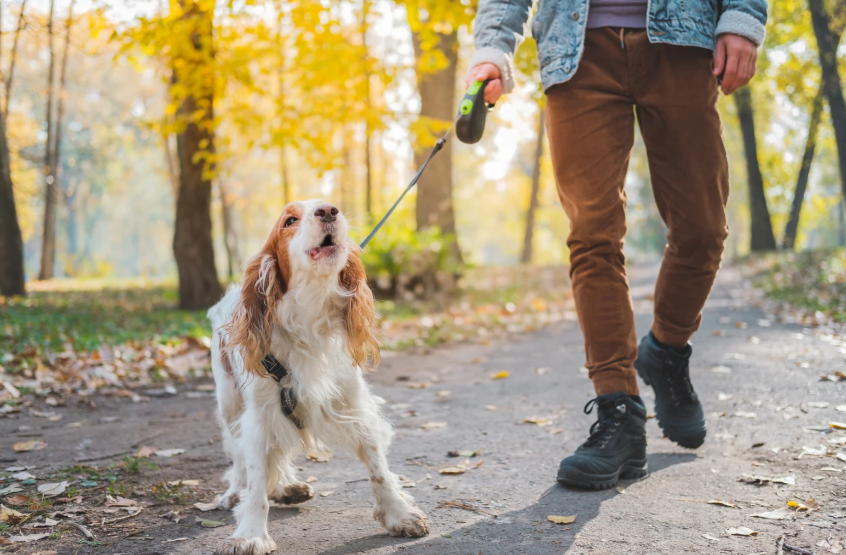
Few dogs take to leash walking naturally, but not all dogs behave aggressively on a leash. Leash reactive dogs tend to feel threatened by other dogs, people, or animals when they’re on a leash because they want to make a quick getaway and can’t. When fight or flight is activated and your dog doesn’t have the option of flight, they’ll involuntarily resort to the fight response.
Intra-Household Aggression
Intra-household aggression (aka social-conflict aggression) occurs when a dog reacts harshly to another pet or person in the house. It tends to crop up when a new dog is introduced into your dog’s space, but the arrival of a new roommate or baby can also trigger this unwanted behavior. Intra-household aggression can seem like a normal reaction that will fade on its own, but this isn’t always the case.
Idiopathic Aggression
Idiopathic aggression is an umbrella term for aggressive behavior that doesn’t have a predictable source. For example, your dog may seem to resource guard a toy one week and not care about it the next. Instead, they’re suddenly exhibiting signs of leash reactivity out of nowhere. Idiopathic aggression is often considered the most dangerous form of aggression because it’s unpredictable. Work closely with your vet to rule out possible neurological or physiological problems.
Can Training Solve Aggressive Behavior?
Training is one of the most important interventions for unwanted behavior. At ADU, we offer private sessions that are perfect for high-needs dogs. Find your nearest All Dogs Unleashed location to get started today.