Leash reactivity is one of the most frustrating behavioral challenges dog owners in Shreveport face. If your dog barks, lunges, or loses all focus the moment it spots another dog, a passing car, or a stranger on the sidewalk, you are not alone – and it is not something you have to live with forever.
Reactive behavior can stem from fear, frustration, overstimulation, or a lack of impulse control. Left unaddressed, it tends to intensify over time. The good news is that reactive dog training is one of the most well-documented areas of canine behavior modification, and with the right approach, most reactive dogs make remarkable progress.
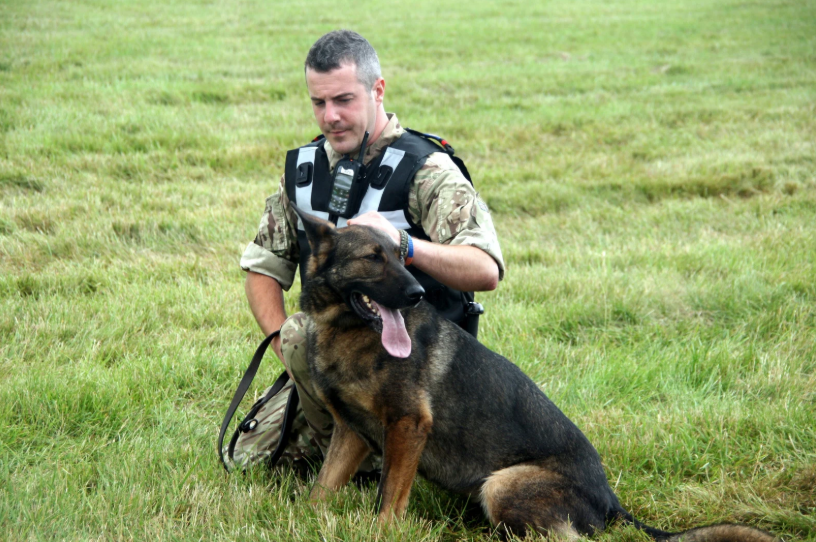
At All Dogs Unleashed in Shreveport, Louisiana, our trainers specialize in reactive dog behavior and use proven, structured methods to help dogs learn to stay calm and focused in the situations that used to trigger them. This guide covers what reactivity is, why it happens, and how our training programs can help your Shreveport dog.
What Is Leash Reactivity in Dogs?
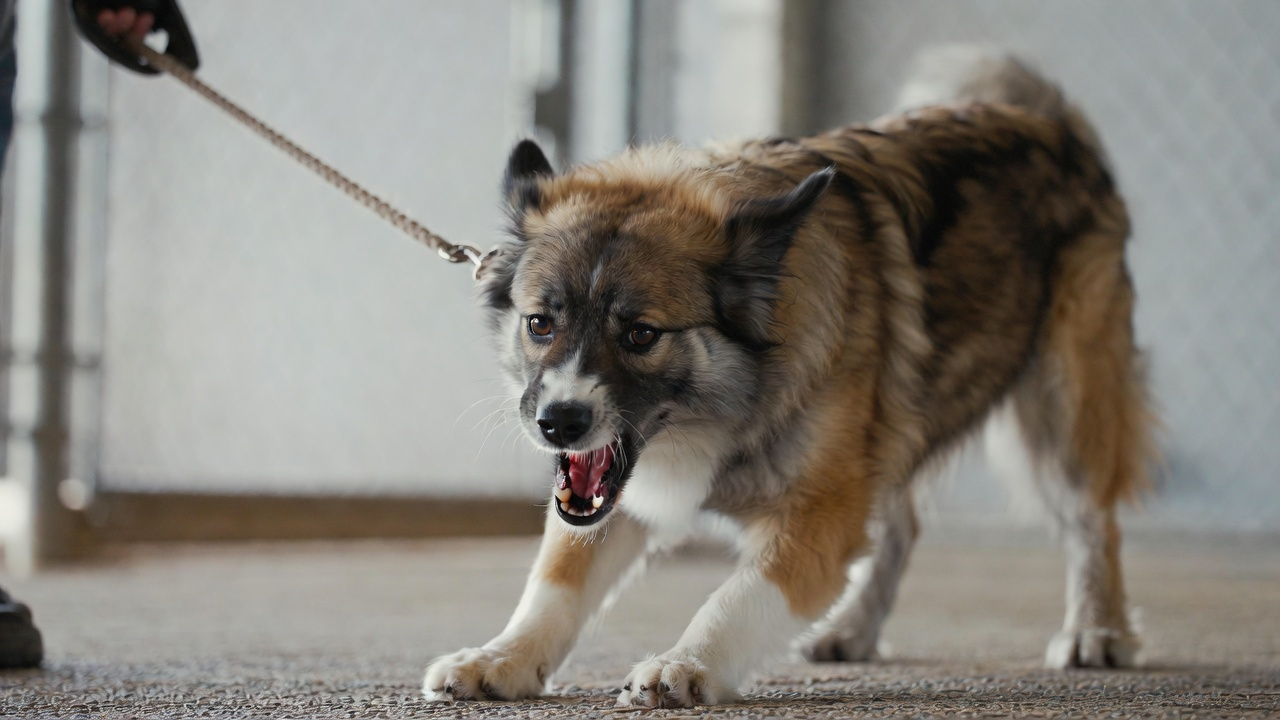
Leash reactivity refers to an exaggerated response – usually barking, lunging, growling, or snapping – that a dog exhibits when it encounters a specific trigger while on leash. Common triggers include other dogs, unfamiliar people, bicycles, skateboards, and small animals. The behavior is called leash reactivity because it often occurs only, or most intensely, on leash – when the dog’s natural options to approach or flee are removed.
Reactivity is not the same as aggression, although it can look similar from the outside. Many reactive dogs are actually fearful or frustrated rather than aggressive. The leash creates a sense of being trapped, and the reactive outburst is the dog’s way of trying to increase distance from the trigger or release frustration. Understanding this distinction is critical to selecting the right training approach.
Shreveport neighborhoods like Broadmoor, Queensborough, and South Highlands are full of dog walkers, cyclists, and other pets – exactly the kind of environment that challenges reactive dogs. Working with a professional trainer who understands reactivity gives you and your dog the tools to navigate those everyday situations confidently.
Why Does My Dog React on Leash?
Leash reactivity has multiple potential causes, and identifying the root cause helps guide the training strategy. The most common reasons dogs develop reactivity include insufficient early socialization, a past negative experience with the trigger, or a genetic predisposition toward high arousal or vigilance.
Dogs that were not adequately socialized as puppies – particularly during the critical window between 3 and 16 weeks – often find unfamiliar stimuli threatening as adults. Dogs that experienced a frightening encounter with another dog or a stranger may generalize that fear to all dogs or all strangers. High-drive working breeds like Belgian Malinois, German Shepherds, and herding mixes may become reactive simply from frustration at being unable to interact with everything they see.
In Shreveport’s warm climate, dogs often spend significant time outside, which means more exposure to triggers and more opportunities for reactive rehearsal. Every time a reactive dog successfully drives away a trigger – in its mind – through barking and lunging, the behavior is reinforced. That’s why reactive dog training in Shreveport needs to start as soon as the problem is identified.
How All Dogs Unleashed Approaches Reactive Dog Training
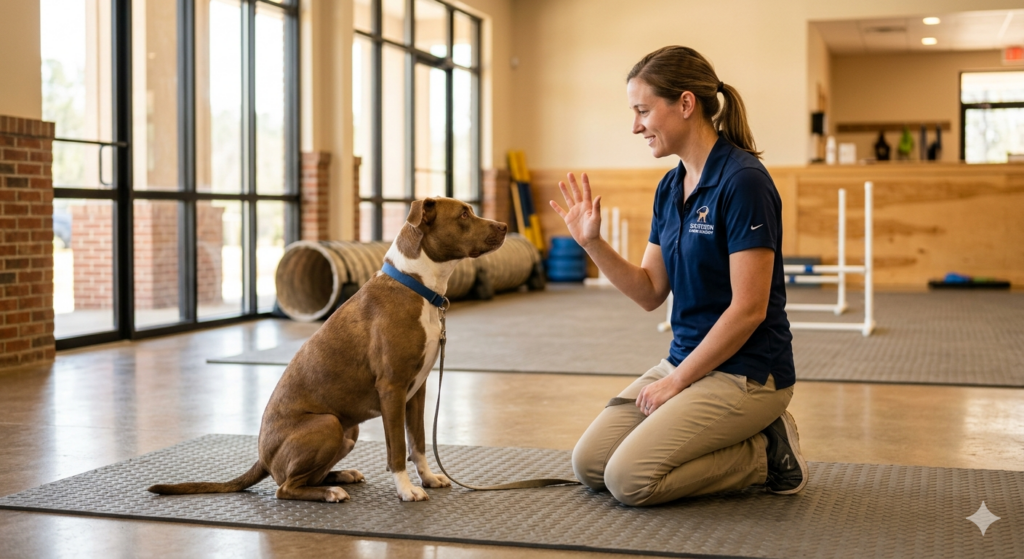
All Dogs Unleashed in Shreveport uses a balanced, structured training methodology that addresses reactivity at its root rather than masking the symptoms. Our trainers begin by assessing the dog’s specific triggers, intensity level, and history to build a customized training plan.
We teach reactive dogs an incompatible behavior – typically a focused heel or a calm place – that cannot be performed simultaneously with reacting. We use threshold training to expose dogs to triggers at a distance they can handle, then systematically decrease that distance as the dog demonstrates reliable calm responses. Over time, the dog learns that the trigger predicts nothing alarming and that focusing on the handler is more rewarding than reacting.
Our board and train program is particularly effective for reactive dogs because the structured, immersive environment allows our Shreveport trainers to work with the dog daily and manage its environment to prevent reactive rehearsal during the training period. Dogs completing our board and train program typically return home with measurably reduced reactivity and new tools for their owners to maintain the progress.
Tips for Managing Leash Reactivity at Home in Shreveport
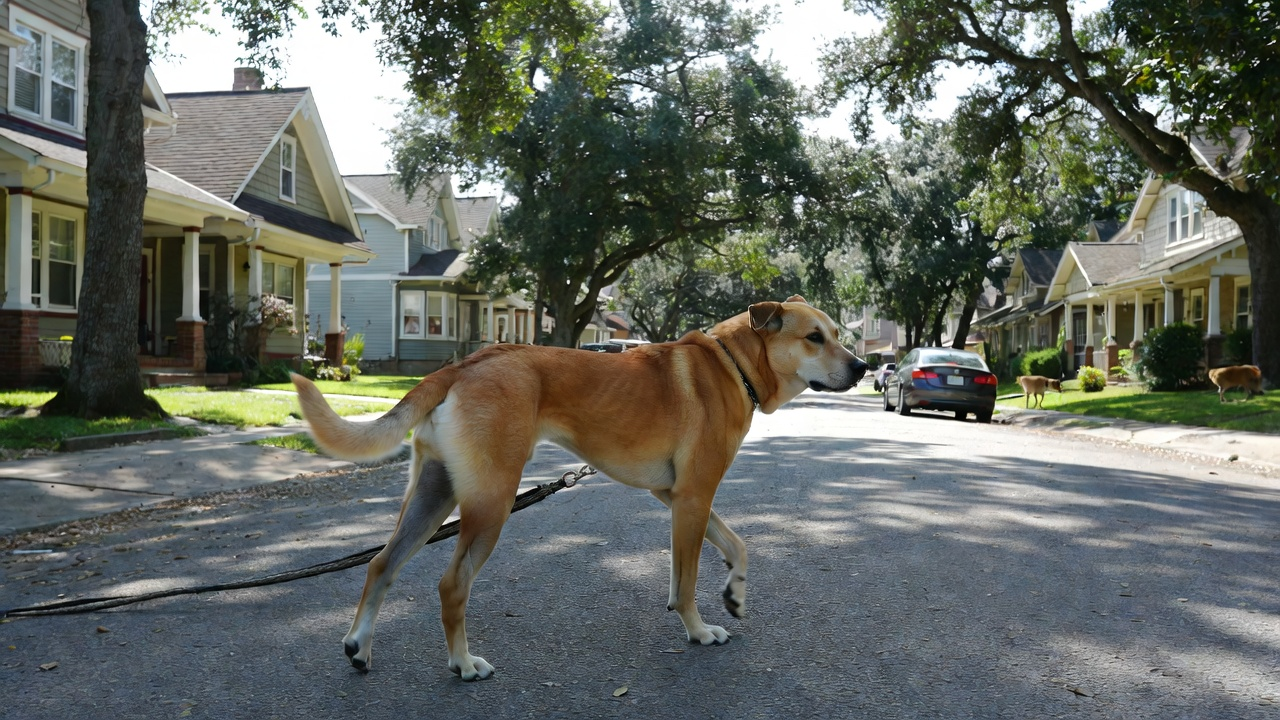
Professional training makes the biggest difference, but there are strategies you can use between sessions to manage your reactive dog’s behavior during walks in Shreveport. Here are key practices to implement immediately.
- Increase distance from triggers: If your dog begins to fixate on a trigger, cross the street or turn around before the reaction escalates. Keeping your dog under threshold gives them a chance to choose calm behavior.
- Use high-value rewards: Carry treats your dog finds irresistible. When a trigger appears at a manageable distance and your dog notices it without reacting, mark and reward immediately.
- Practice the ‘watch me’ cue: Teaching your dog to make eye contact on command gives you a tool to redirect attention before a reaction begins. Practice in low-distraction environments first.
- Avoid reactive rehearsal: Every successful reactive episode makes the behavior harder to extinguish. Manage your routes and timing of walks to reduce the frequency of full reactions while training is in progress.
- Stay calm on leash: Dogs are acutely sensitive to tension transmitted through the leash and changes in your body language. Practicing a relaxed grip and calm posture helps your dog read the situation as less threatening.
Reactive Dog Training Programs at All Dogs Unleashed Shreveport
All Dogs Unleashed offers multiple program options to address leash reactivity in Shreveport dogs. Our trainers will help you identify the right fit for your dog’s needs and your schedule.
- Board and Train: A 2-week intensive program where your reactive dog stays at our Shreveport facility and receives structured behavior modification training 7 days a week.
- In-Home Training: Our trainers come to your Shreveport neighborhood to work on reactivity in the exact environments where it occurs – on your street, at your local park, or in your backyard.
- Private Lessons: One-on-one sessions at our facility or in your home, customized to your reactive dog’s specific triggers and history.
- Follow-Up Support: All Dogs Unleashed provides ongoing support after program completion so you can maintain your reactive dog’s progress for the long term.
Frequently Asked Questions
Can reactive dogs be cured?
Reactivity can be significantly reduced and managed in virtually all dogs, and many dogs reach a point where their reactions are so mild they are no longer a practical problem. A complete ‘cure’ depends on the dog’s history, the severity of the reactivity, and the consistency of training. Most reactive dogs in our Shreveport program show meaningful improvement within the first two weeks.
Is my reactive dog dangerous?
Not necessarily. Many reactive dogs are fearful or frustrated rather than aggressive, and the behavior on leash does not predict how the dog behaves in other contexts. However, all reactive behavior should be taken seriously and addressed with professional guidance. Our Shreveport trainers assess each dog individually to understand the nature of the reactivity before designing a training plan.
How long does reactive dog training take?
It depends on the severity of the reactivity, the dog’s history, and the consistency of training. Our board and train program in Shreveport delivers a strong behavioral foundation in two weeks. Additional follow-up training and daily reinforcement at home continue to build on that progress over the following weeks and months.
Will my reactive dog ever be able to greet other dogs?
Some reactive dogs learn to greet other dogs calmly with appropriate training and socialization. Others are managed around dogs rather than integrated with them. Our Shreveport trainers will give you an honest assessment of your dog’s likely ceiling based on their temperament and history.
What’s the difference between reactivity and aggression?
Reactivity is an overreaction to a stimulus – it is intensity out of proportion to the situation. Aggression involves intent to harm. Many reactive dogs have never bitten and never would in normal circumstances. That said, highly reactive dogs can escalate to aggression if their signals are ignored repeatedly. Professional evaluation is always the right first step.
Does All Dogs Unleashed offer in-home reactive dog training in Shreveport?
Yes. Our in-home training program brings a trainer directly to your Shreveport home and neighborhood to work on reactivity in the real environments where it happens. This is often the most effective setting for dogs whose reactivity is tied to specific neighborhood triggers.
Start Your Reactive Dog’s Training Journey Today
Leash reactivity doesn’t have to define your daily walks. At All Dogs Unleashed in Shreveport, Louisiana, our trainers have helped hundreds of reactive dogs and their owners find relief, confidence, and enjoyment on the leash. Call us at (318) 562-6536 to schedule your consultation and take the first step toward a calmer, happier dog.