Dog separation anxiety is one of the most common behavior problems we see in Bossier City right now. With so many local pet owners returning to the office after years of working from home, dogs that were never alone are suddenly struggling. At All Dogs Unleashed Bossier City, we work with ANY dog, ANY problem, including severe separation-related behavior. Our well-balanced, customizable programs are built around the individual needs of your pet and get real results fast.
Is your dog destroying furniture, barking nonstop, or panicking every time you leave? Let’s fix that. Call us at (318) 562-6536.
Key Takeaways
- Dog separation anxiety is rising in Bossier City as more owners return to work after remote-work periods.
- Common signs include destructive behavior, excessive barking, and house soiling that only happens when your dog is left alone.
- Separation anxiety will not resolve on its own, but structured training can produce real, lasting improvement.
- Professional training programs, including Board and Train and In-Home options, are available locally in Bossier City to address separation-related behavior.
Your Dog Is Not Being Bad. Your Dog Is Panicking.
You leave for work, and within minutes your dog is scratching the door, chewing the baseboard, and barking until your neighbor texts you. Sound familiar? A lot of Shreveport and Bossier City pet owners are seeing this right now. Your dog went from having you home all day to being alone for eight hours. That is a big shock to their system.
This is not a bad dog. This is a panicking dog. There is a real difference, and fixing it starts with understanding what is actually happening. This article will help you spot true dog separation anxiety, understand what causes it, and learn what actually works. If you need hands-on help now, check out our dog training programs.
What Is Dog Separation Anxiety and Why Does It Happen?
Canine separation anxiety is not a behavior problem. It is a panic response. Your dog’s nervous system goes into genuine distress the moment you leave. This is not your dog acting out for attention or trying to punish you for leaving. The dog is scared, and that fear is real.
This matters because it changes everything about how you address it. You cannot correct your way out of a panic attack. You have to change how your dog feels about being alone, and that takes a structured plan.
True Separation Anxiety vs. Boredom or Frustration
A lot of owners confuse boredom with anxiety. They look similar on the surface but they are very different problems with very different solutions. A bored dog chews your shoe and takes a nap. An anxious dog starts spinning when you pick up your keys. That difference in timing tells you everything.
Common Triggers in Bossier City and Surrounding Area Dogs
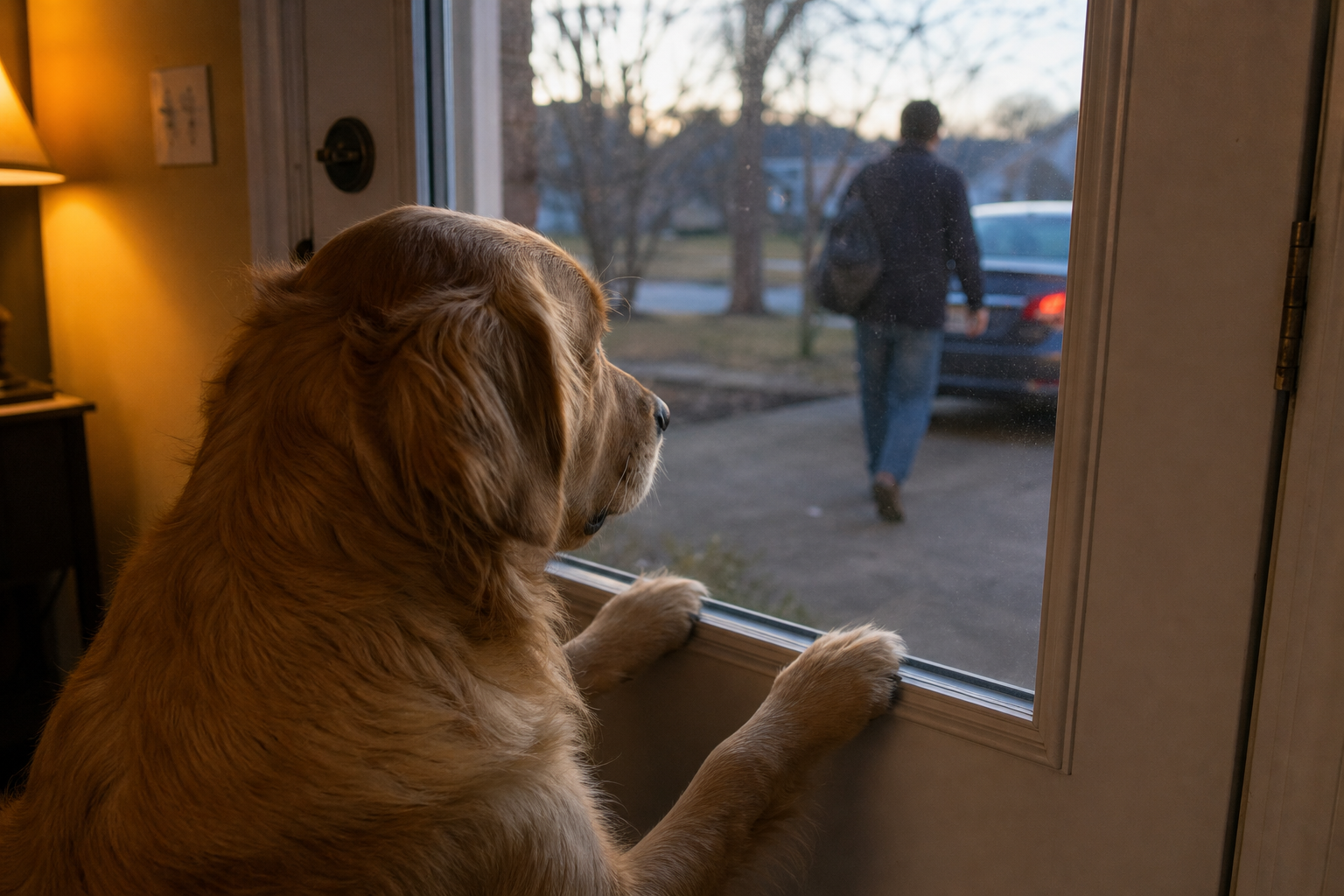
- Attachment triggers: Your dog bonded tightly to one person. When that person leaves, the dog cannot cope.
- Schedule disruptions: A major routine change hits and the dog cannot adjust. Many pet owners across Shreveport and the Bossier City area adopted dogs during remote-work periods and are now returning to offices full time. That abrupt shift is one of the most common triggers we see.
- History-based triggers: Rescue dogs and dogs that have been rehomed more than once are more likely to develop separation-related behavior problems.
If your dog was fine for months and suddenly started struggling, look at what changed in your schedule first. That is almost always the answer.
Our In-Home Dog Training program works directly in your environment, which is exactly where separation anxiety needs to be addressed. We can also cover it through our Board and Train program for dogs that need more intensive work.
How to Tell If Your Dog Has Separation Anxiety: The Real Warning Signs
A lot of owners assume their dog is just bored or being stubborn. The real question is simple: does the behavior happen only when you leave? If your dog is fine all day but falls apart the moment you grab your keys, that is a pattern worth taking seriously.
One of the best things you can do right now is set up your phone camera before you leave. Watch what happens in the first 20 to 30 minutes. That window is when anxiety peaks in dogs left alone.
Signs That Happen Only When You Leave
- Chewing door frames or window sills
- Barking or howling nonstop
- House soiling despite being trained
- Pacing, circling, or spinning
- Escape attempts that cause injury
- Refusing food left behind
If you live near a busy corridor like Youree Drive or in one of the many townhome and apartment communities around South Highlands and Broadmoor, your neighbors or landlord may actually be the first ones to tell you there is a problem.
Physical Signs You Might Miss
- Excessive drooling near the door
- Vomiting after you leave
- Weight loss from not eating alone
- Paws chewed raw from self-licking
When you see physical symptoms, management tricks are not enough. Your dog needs real training. Our In-Home Dog Training lets a trainer observe your dog’s actual behavior in the environment where the anxiety happens.
What Does NOT Work (And Why Owners Try It Anyway)
Most owners try two or three fixes before calling us. That is completely normal. But some of the most common go-to solutions actually make dog separation anxiety worse.
- Getting a second dog. Your dog is not anxious about being alone in general. Your dog is anxious because YOU left. A second dog does not replace that bond.
- Punishing the damage after the fact. Your dog has no idea why you are upset. Dogs cannot connect punishment to something that happened 20 or 30 minutes ago. All you add is fear on top of distress.
- Crating a dog that is not crate-trained. A panicking dog in a crate is a dangerous dog. We have seen dogs break teeth, tear nails, and injure themselves badly trying to escape.
- Flooding, or leaving the dog alone for long stretches to “get used to it.” This does not desensitize your dog. It just repeats the trauma over and over with no structure.
- Big emotional goodbyes and greetings. Ramping up your dog’s emotional state right before you walk out the door spikes their anxiety at exactly the wrong moment.
Tried everything and still seeing the same problems? Call us at (318) 562-6536. We work with dogs at every level of severity and we are ready to build a plan that actually works.
How to Help a Dog With Separation Anxiety: A Step-by-Step Approach
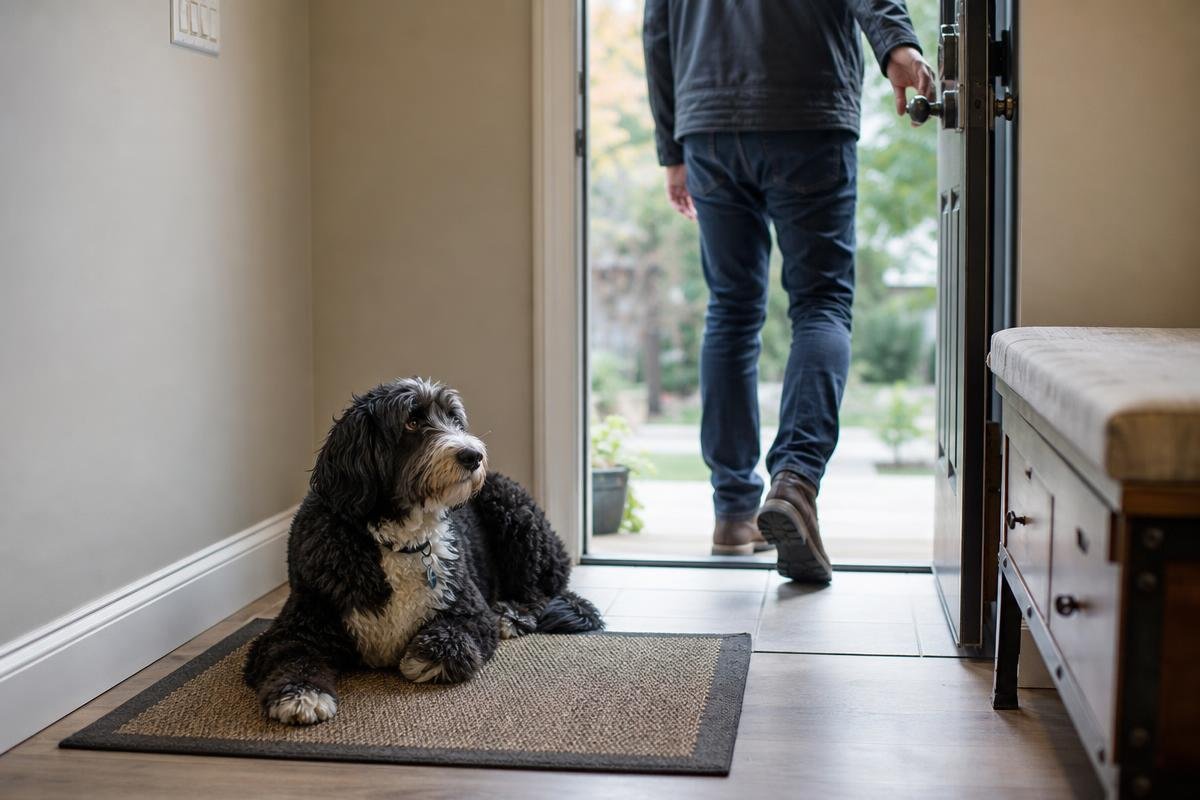
Here is where most owners want to start: what do I actually do? Knowing how to help a dog with separation anxiety means working in small, deliberate steps. You are not fixing this in a weekend. But with consistent effort, real progress happens.
Start With Short Departures
This is called graduated desensitization, and it is the foundation of everything. Start with absences of 10 to 30 seconds. Walk out, come back before your dog reacts. No drama. Just return, ignore the dog briefly, then go about your day.
Repeat this across several days. Then stretch it to one minute. Then five. Then fifteen. The goal is to keep your dog under the anxiety threshold every single time. The moment you push too far too fast, you reset the progress.
Keep your departures and arrivals calm and matter-of-fact. Big goodbyes and excited hellos tell your dog that you leaving is a major event. It is not.
Break the Pre-Departure Routine
Your dog already knows you are leaving before you touch the door. Keys jingling, shoes going on, grabbing a bag. These cues trigger the anxiety before you even step outside.
Start scrambling those signals. Pick up your keys and then sit down and watch TV. Put on your shoes and make coffee. Do this daily until those cues stop predicting your departure.
Create a Safe Space
Your dog needs somewhere to land when you are gone. A properly crate-trained dog often treats the crate like a den. It is not a punishment. It is a calm, predictable space.
If a crate is not the right fit, use a dog-proofed room. Add a worn piece of your clothing, a white noise machine, and a frozen food toy to give your dog something to focus on at departure.
When to Call a Professional
- Your dog is injuring itself trying to escape
- Neighbors are complaining about barking or howling
- You have put in two to three weeks of consistent effort with no improvement
- The anxiety was severe from day one
We work with dog training for separation anxiety in Bossier City at every problem level. Our In-Home Dog Training brings the training directly to your environment. For dogs that need faster, more intensive work, our Board and Train programs put your dog with our trainers full-time until the behavior is resolved.
You can also visit us in person at 1220 Shreveport Barksdale Hwy, Shreveport, LA 71105.
How Bossier City’s Climate and Lifestyle Can Affect Your Dog’s Anxiety
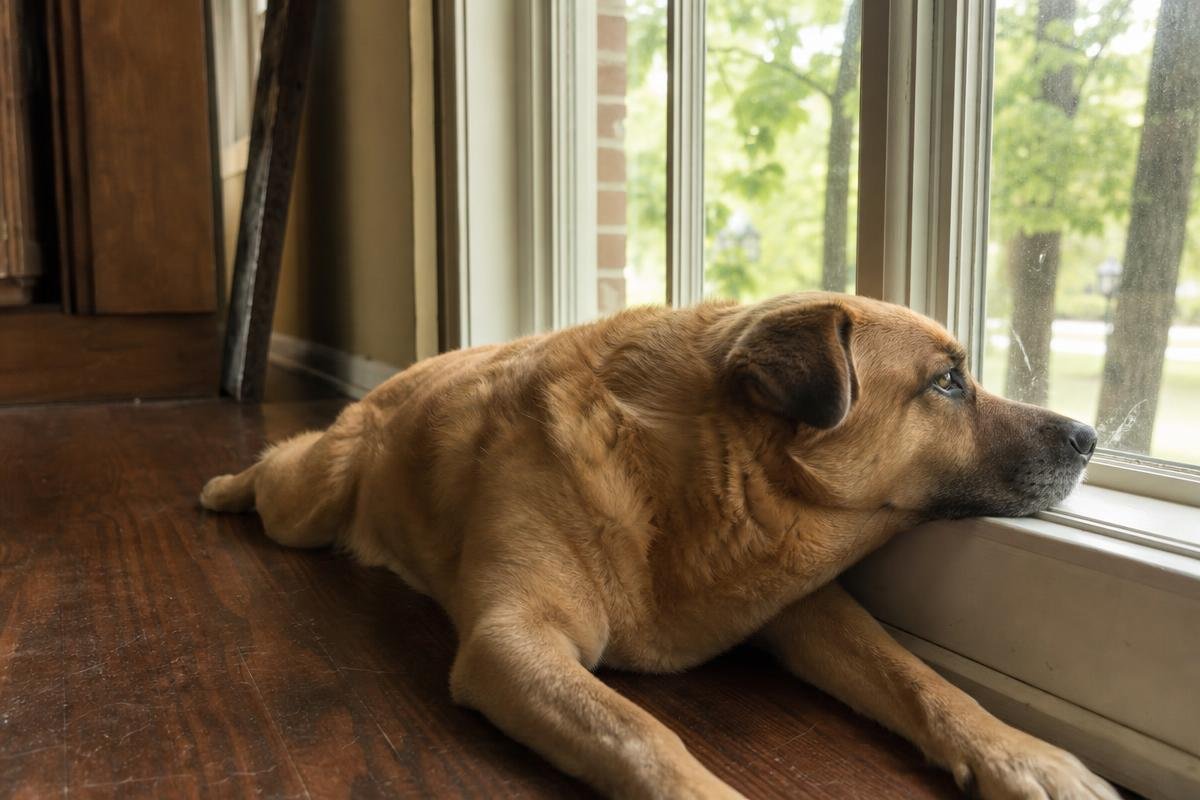
Local factors play a bigger role in dog separation anxiety than most owners realize. The heat, your work schedule, and even your neighborhood can all make things worse.
The Heat Keeps Dogs Cooped Up
Summers here are brutal. Average highs stay above 90°F from June through August, and the humidity makes it feel hotter. That means fewer midday walks, less outdoor time, and a dog with pent-up energy sitting alone all day. A tired dog handles alone time better than a restless one. Check out our blog for local exercise tips to build a pre-departure routine that actually works.
The Return-to-Office Problem
A lot of pet owners in the Metroview and South Highlands areas adopted dogs during remote-work periods. Those dogs spent months with someone home all day. Then offices reopened. Suddenly your dog went from constant company to eight hours alone. That shift is a direct trigger for canine separation anxiety.
Noise Makes It Worse
Dogs in homes near the I-20 corridor or Youree Drive deal with constant background noise. Delivery trucks, lawn crews, and traffic spikes add stress on top of existing separation-related behavior problems. That layered stress raises your dog’s baseline anxiety before you even walk out the door.
If your dog is struggling, our in-home dog training program addresses these local factors directly, inside your dog’s actual environment.
Frequently Asked Questions
How long will it actually take to fix?
Mild cases of canine separation anxiety can improve in 4 to 8 weeks with consistent daily effort. Moderate to severe cases often take 3 to 6 months. The biggest factor is not the dog. It is how consistently you follow the plan.
Can any dog develop this, or just certain breeds?
Any dog can develop separation-related behavior problems regardless of breed, age, or size. Rescue dogs and dogs that bonded closely to one person from puppyhood are statistically more likely to struggle.
What is the difference between separation anxiety and general anxiety?
Separation anxiety is triggered specifically by your absence. General anxiety can happen even when you are in the room. A dog can have both at the same time, and the treatment approaches are different.
Should I ask my vet about medication?
For severe cases, yes. When a dog is injuring itself or cannot calm down enough to learn, medication can lower the baseline stress level enough for training to take effect. Medication is a tool, not a cure. Always talk to your vet first.
Is Board and Train only for obedience, or can it help with anxiety?
It absolutely helps with anxiety. Our Board and Train services place your dog in a structured, consistent environment where they work with a trainer every day. Dogs learn to self-regulate and build confidence away from their owner.
How do I know if it is real anxiety or just normal whining?
A dog that whines for a minute or two and then settles is showing normal adjustment. A dog that escalates to barking, pacing, drooling, or destruction for 20 or more minutes is showing signs of true separation anxiety in dogs. Set up a phone camera before you leave. That footage tells you everything.
If your dog is struggling every time you walk out the door, our team can help. Call us at (318) 562-6536 or visit us at 1220 Shreveport Barksdale Hwy to talk through the right program for your dog. We work with dogs at every level, from mild nervousness to severe anxiety, and we will build a plan that actually fits your life. ANY dog. ANY problem. That is what All Dogs Unleashed Bossier City is here for.
Ready to Get Started with All Dogs Unleashed Bossier City?
Call (318) 562-6536 to speak with our team directly. We’re ready to answer your questions, walk you through your options, and help you find the right solution for your needs. Whether you’re just starting to plan or ready to move forward, we’ll make the process simple and stress-free.
Reach out today and let’s talk about how we can help your dog feel safe when you leave.