Puppy socialization is one of the most important things you can do for your dog, and the window to do it right is short. Get it right and you raise a dog that walks calmly past strangers, settles at the vet, and shrugs off a summer thunderstorm. Get it wrong, and you may spend years correcting fear and reactivity that could have been prevented. At All Dogs Unleashed Bossier City, we help local families make the most of that window with well-balanced, customizable programs built to meet the individual needs of your pet.
Ready to set your puppy up for life? Let’s get started. Call us at (318) 562-6536.
Key Takeaways
- The puppy socialization window closes around 12 to 16 weeks, making early exposure critical for long-term behavior.
- Bossier City’s mild fall and winter months are ideal for starting outdoor socialization without heat risk to your puppy.
- Positive, controlled exposure to people, sounds, and environments builds a confident, well-adjusted dog.
- Older dogs can still benefit from socialization work, though progress takes more time and consistency.
- A structured training program in Bossier City gives your puppy a stronger foundation than socialization alone. Our team has earned more than 748 five-star reviews from local families.
Why the Socialization Window Is So Short, and What It Costs to Miss It
Most fearful, reactive, and aggressive dogs we see did not fail obedience training. They missed a critical window early in life. Between roughly 3 and 14 weeks old, your puppy’s brain is wide open to new experiences. What happens during that period shapes behavior for years, and once those neural pathways harden, they become far harder to change.
At All Dogs Unleashed Bossier City, we work with ANY dog, ANY problem, and we see the same story daily in South Highlands, Broadmoor, and across the area. A dog that never got proper early development becomes a dog that lunges, hides, or snaps. This guide gives you 10 concrete steps to prevent that, starting today. Explore our dog training programs to see how we can help.
What Is the Puppy Socialization Window and Why Does It Close?
The puppy socialization window is a brief, biologically fixed period when your dog’s brain is actively learning what is normal and what is dangerous. It runs from roughly 3 to 14 weeks of age. After that window closes, those neural pathways harden and become much harder to change.
The 3 to 14 Week Development Period Explained
During this development period, your puppy’s brain is more flexible than it will ever be again. Every new sight, sound, smell, and texture gets filed away as either safe or threatening. A puppy that meets friendly strangers, hears traffic, and walks on different surfaces during these weeks grows up expecting the world to be manageable. If you want to understand what a well-structured early program looks like, view our puppy program options.
What Happens When Puppies Miss This Window
Missing the socialization window has real consequences. Dogs that missed early exposure often develop fear-based reactivity, aggression toward strangers, leash pulling, and separation anxiety. These are not rare edge cases. They are the most common problems owners bring to us.
A missed window does not mean your dog is hopeless. It means the work is harder and takes more time. We cover exactly what you can do for an older dog later in this article, so keep reading.
Why Puppy Socialization Matters More Than Obedience Training Alone
Socialization vs. Obedience: Two Different Skills
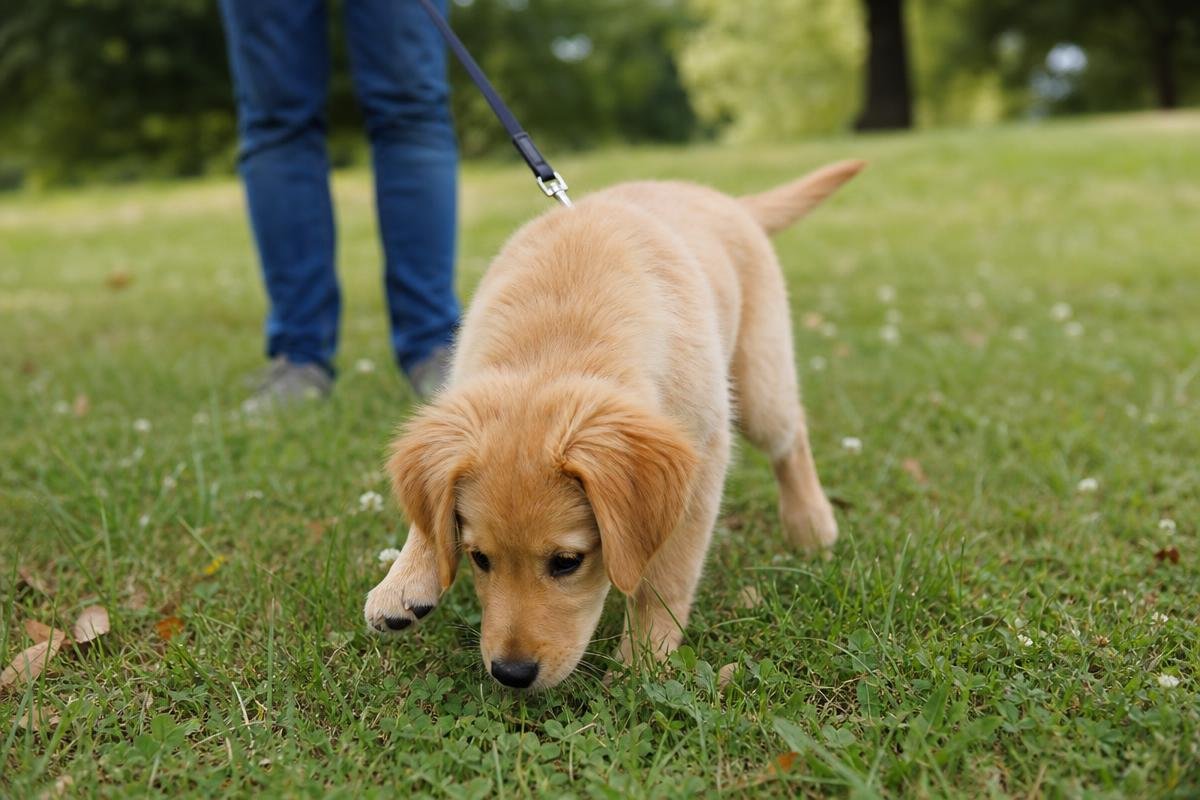
Obedience training teaches your dog commands. Puppy socialization teaches your dog that the world is safe. These are two completely different skill sets, and your dog needs both.
A dog that knows “sit” and “stay” but panics at a stranger, a bicycle, or a thunderstorm is not a well-rounded pet. Commands only work when your dog is calm enough to listen.
The Long-Term Payoff for Bossier City Dog Owners
- Walking calmly past other dogs and strangers on Line Avenue without pulling or barking
- Staying relaxed at the vet instead of shutting down or snapping
- Tolerating handling and grooming appointments without stress, making services like professional grooming in Bossier City far easier for everyone
- Exploring the Red River waterfront, with its cyclists, foot traffic, and varied terrain, without fear
- Enjoying dog-friendly parks in Bossier City without reactivity toward other dogs or people
- Staying calm during Bossier City’s loud summer storms instead of hiding or destroying furniture
None of those outcomes come from teaching “down” or “heel” alone. They come from intentional, early exposure during the socialization window.
The 10-Step Puppy Socialization Plan for Bossier City Owners
Here is exactly what to do, week by week, to raise a confident dog. Every step is actionable. No guesswork.
Steps 1 to 4: Building the Foundation (Weeks 3 to 8)
This is when you begin socializing your puppy inside the home.
- 1. Daily handling. Touch your puppy’s paws, ears, mouth, and tail every single day. This makes vet visits and grooming appointments far less stressful.
- 2. Household sound exposure. Start low. Play recordings of thunder, traffic, and crowds at low volume while your puppy eats. Pair every sound with something good.
- 3. Invite varied visitors. Men, women, children, people wearing hats or uniforms. Invite them in during this period. Your puppy needs to read many different types of people as normal and safe.
- 4. Short car rides. Take your puppy on brief car trips before the first vet visit. A car ride should not mean something scary is coming.
Steps 5 to 8: Expanding the World (Weeks 8 to 12)
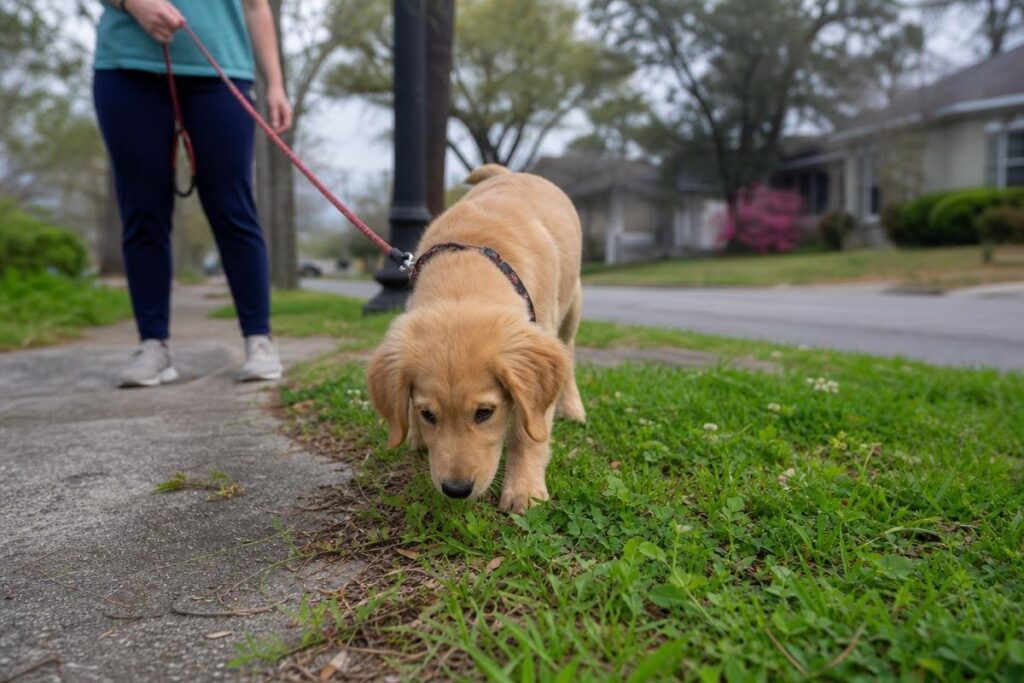
Now you move outside. Stick to quiet areas first. South Highlands and Broadmoor are good starting points. Fall and winter months are ideal for outdoor puppy walks here since the heat stays manageable. In summer, go before 9 a.m. or after 6 p.m.
- 5. Controlled dog introductions. Only introduce your puppy to fully vaccinated, calm adult dogs. One dog at a time. Keep sessions short.
- 6. Varied environments. Move from quiet residential streets to busier commercial corridors as confidence builds. The Red River waterfront is excellent for exposing your puppy to foot traffic, cyclists, water sounds, and uneven terrain.
- 7. Bikes, skateboards, and strollers. Find a spot where these pass regularly. Every time one rolls by, pair it with a treat.
- 8. Short separations. Leave your puppy alone for brief periods in a positive manner. Start with five minutes. Build up slowly. This prevents separation anxiety before it starts.
Steps 9 to 10: Locking It In Before the Window Closes
The puppy socialization window does not stay open. These final two steps are where you lock in everything you have built.
- 9. Enroll in a structured program. Get your puppy into a class or a board and train program before 14 weeks. Structured puppy training in Bossier City accelerates learning faster than solo walks alone.
- 10. Track the AKC benchmark. Use the AKC goal of 100 different people, places, sounds, and surfaces before 12 weeks as your checklist. Write it down. Knowing your number keeps you honest about how to socialize a puppy the right way.
Common Puppy Socialization Mistakes Bossier City Owners Make
We see the same mistakes repeat themselves every week. Good intentions, wrong execution.
Moving Too Fast or Flooding Your Puppy
Flooding means throwing your puppy into an overwhelming situation and hoping they adjust. Think a packed dog park, a loud outdoor festival, or a busy Saturday market. It does not work. Your puppy does not “get used to it.” They learn that the world is scary and unpredictable.
- Freezing in place
- Panting without exertion
- Tucking tail and trying to hide
- Refusing treats they normally love
The fix is simple. Keep early exposures to 2 to 5 minutes. Pair every new experience with high-value treats. Back off the moment you see stress signals.
Skipping Socialization Until After All Vaccines
This is the most common mistake we see. Owners wait until 16 weeks for full vaccination clearance. By then, the primary socialization window is already closing. You have safe options before your puppy is fully vaccinated:
- Puppy classes that require proof of first vaccines
- Playdates with dogs you know are vaccinated
- Carrying your puppy in public so they see and hear the world safely
Talk to your vet. Then start. Do not wait.
Treating Fear as Just a Phase
It is not a phase. A puppy that growls at strangers or shuts down around other dogs is showing you early warning signs. Left alone, those signs grow into resource guarding, food aggression, or serious reactivity. Act early. If you see fear signs in your puppy, call us at (318) 562-6536. Early intervention makes a real difference in how your dog develops.
Seeing early fear or aggression in your puppy? Do not wait it out. Call our team at (318) 562-6536 and we will help you get ahead of it. More than 748 local families have already trusted us with their dogs.
Can You Socialize an Older Dog Who Missed the Window?
Yes. The puppy socialization window closes, but that does not mean your adult dog is beyond help. We work with adult dogs every week. Progress takes more repetition and patience, but meaningful improvement is absolutely possible.
What Changes After 14 Weeks
After 14 weeks, the brain is less flexible. Fear responses that formed early get wired in deeper. A dog that missed early social learning may never be perfectly comfortable in every situation. But “not perfect” is very different from “no progress.” Most adult dogs can learn to tolerate, and even enjoy, things that once terrified them.
Desensitization and Counter-Conditioning: The Adult Dog Path
These two techniques work together. Desensitization means exposing your dog to a trigger at low intensity, far enough away that fear does not kick in. Counter-conditioning means pairing that trigger with something your dog loves, usually food.
For fear-based behavior, in-home dog training is often the best starting point. Working in your dog’s own environment removes added stress. Our trainer comes to you. We handle ANY dog, ANY problem, including adult dogs who missed early socialization entirely.
Puppy Socialization in Bossier City: Local Spots, Conditions, and Tips
Using Bossier City’s Environment to Your Advantage
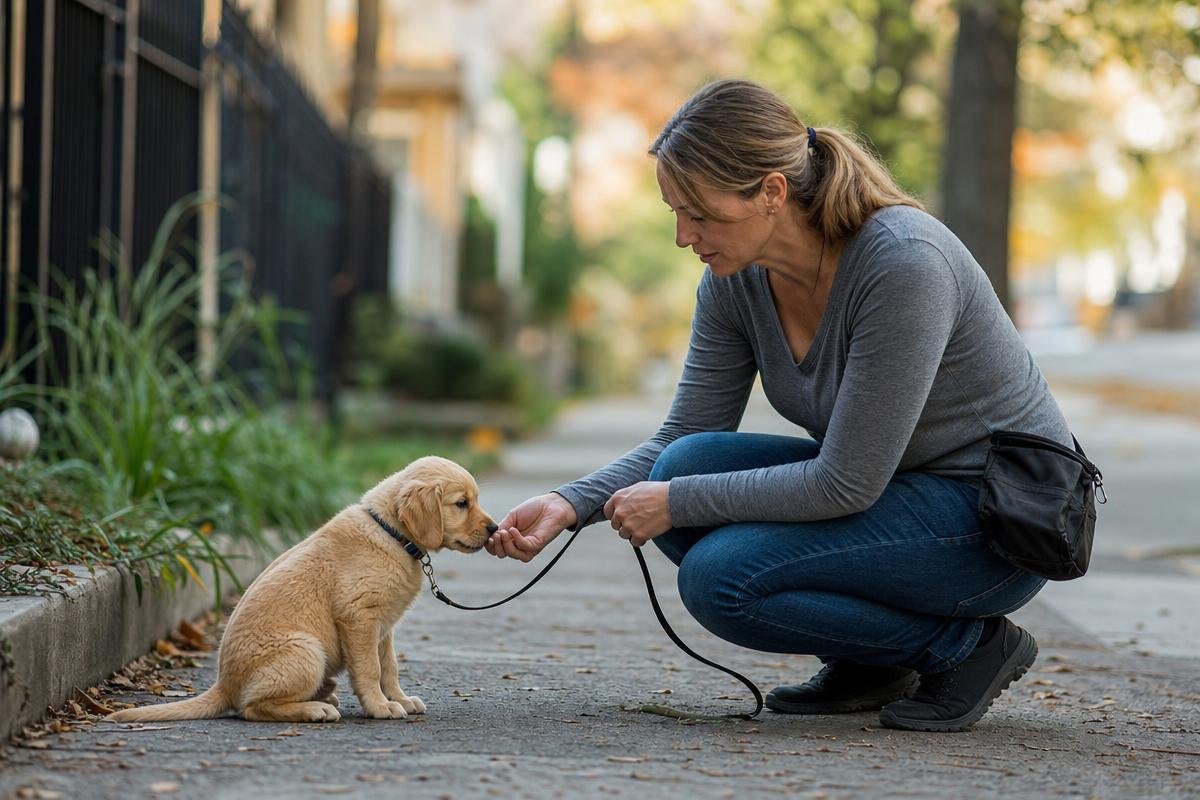
Start your early outings in quiet residential areas like the Broadmoor neighborhood or the streets around Benton Road. Low foot traffic, predictable sounds, and calm surroundings make these spots ideal for a puppy’s first few exposures.
- Cypress Black Bayou Recreation Area: wildlife sounds, birds, natural terrain underfoot
- Red River waterfront: water sounds, foot traffic, cyclists, open space
- Farmers Market: crowds, food smells, vendors, unpredictable movement
- Busy commercial corridors like Airline Drive: urban noise and vehicle traffic
Once your puppy is fully vaccinated, check out our dog training blog for off-leash park options around the area.
Bossier City Weather and Socialization Timing
Heat is a real factor here. From June through September, pavement temperatures can exceed 150 degrees Fahrenheit. Test the asphalt with your palm before you walk your puppy on it. Schedule outdoor sessions before 9 a.m. or after 6 p.m. during summer months.
Bossier City’s mild winters make November through February the best time of year to begin puppy training outdoors. Cool temps, low humidity, and comfortable pavement mean longer outings and less stress on your puppy.
Frequently Asked Questions
When should I start socializing my puppy?
Start the day you bring your puppy home, usually around 8 weeks old. The socialization window runs from roughly 3 to 14 weeks. Every day inside that window counts more than any training you do after it closes.
How many exposures does my puppy need?
The AKC recommends at least 100 different people, places, sounds, and surfaces before 12 weeks. Keep a simple checklist and track it like a goal.
Is it safe to socialize before vaccines are complete?
Yes, with smart precautions. Skip dog parks and unknown dogs. Safe options include puppy classes that require proof of first vaccines, playdates with vaccinated dogs, and carrying your puppy in public to expose them to sights and sounds without ground contact.
What do I do if my puppy seems scared?
Back off immediately. Give your puppy space and lower the intensity of the exposure. Pushing through a fear response does not build confidence. It builds a stronger fear association. Try again later at a distance your puppy can handle.
Can you help a puppy already showing fear or aggression?
Yes. We train ANY dog, ANY problem. Whether your puppy is showing early fear signals or full reactivity, our team has the tools to help. Take a look at our dog training programs or our in-home dog training options to find the right fit.
How is socialization different from obedience training?
Obedience teaches commands. Socialization teaches your puppy that the world is safe. The big difference is timing. Socialization has a hard deadline. Obedience training does not. Work on both at the same time during the first few months.
Your puppy’s socialization window will not stay open. If your puppy is between 8 and 14 weeks old right now, this week matters more than any week that comes after it. If your dog is older and already showing fear or reactivity, our team has the tools to help. Call All Dogs Unleashed Bossier City at (318) 562-6536 or stop by 1220 Shreveport Barksdale Hwy. We train ANY dog, ANY problem, and we have 748 five-star reviews from local families who started exactly where you are.
Ready to Get Started with All Dogs Unleashed Bossier City?
Call (318) 562-6536 to speak with our team directly. We’re ready to answer your questions, walk you through your options, and help you find the right solution for your needs. Whether you’re just starting to plan or ready to move forward, we’ll make the process simple and stress-free.
Reach out today and let’s talk about how we can help your puppy grow into a confident dog.