If your dog has started growling at visitors, snapping at other animals, or reacting unpredictably on walks, you are not alone. Aggression is one of the most common reasons Shreveport dog owners seek professional help, and it is also one of the most misunderstood. The good news is that with the right approach, most dogs showing any of these aggression patterns can be rehabilitated safely and effectively.
Key Takeaways
- Aggression almost always has a root cause: fear, pain, resource guarding, or unclear household structure. Identifying the cause shapes the entire training approach.
- Early warning signs like stiffness, growling, and prolonged staring should be taken seriously. Waiting until a dog bites means the behavior is already deeply practiced.
- Punishment-based corrections make aggression worse. A dog reacting from fear needs desensitization and confidence-building, not confrontation.
- Board and Train programs are highly effective for moderate to severe aggression. In-home training is ideal when the behavior is tied to specific household triggers.
- Training without consistent owner follow-through produces short-lived results. Daily reinforcement at home is what makes behavioral change permanent.
- Professional support is available throughout your dog’s life. All Dogs Unleashed Shreveport offers unlimited follow-up after training is complete.
What Dog Aggression Actually Looks Like
Many owners do not recognize aggression until it has already escalated. By then, a dog has usually been giving warning signals for weeks or months. Understanding those early signs is the first step toward addressing the problem safely.
Body language is your clearest indicator. A stiff, rigid posture, raised hackles along the back, a low and slow tail wag, or prolonged direct eye contact are all signs that a dog is entering an aroused state. Growling and showing teeth are the next step up, and they should never be punished away since they are a dog communicating discomfort, not misbehaving.
Full aggression includes lunging, snapping, and biting. These behaviors do not appear out of nowhere. They follow a progression that began with subtle cues most owners missed or dismissed. Recognizing where your dog sits on that scale helps a trainer build the right intervention.
Why Dogs Become Aggressive: Root Causes
Aggression in dogs is almost always rooted in an underlying emotional state, not a desire to dominate or cause harm. Identifying the cause is essential because the training approach differs depending on the trigger.
- Fear and anxiety. Fear-based aggression is the most common type. A dog that feels cornered, threatened, or overwhelmed will default to aggression as a defense mechanism. This is especially common in dogs with limited early socialization or traumatic histories.
- Resource guarding. Some dogs become aggressive around food, toys, sleeping spots, or even their owners. This behavior stems from insecurity and can escalate quickly if not addressed.
- Territorial behavior. Dogs are naturally inclined to protect their space. When that instinct becomes disproportionate, reacting to every person who walks past the yard or enters the home, it needs structured correction.
- Pain or medical issues. A dog that is suddenly aggressive after being calm for years may be in pain. A veterinary exam should always be part of the evaluation process before behavioral training begins.
- Lack of clear leadership. When a dog does not understand its place in the household structure, it may take on a controlling role that leads to reactive and aggressive behavior. Consistent, calm leadership from every family member makes a significant difference.
What NOT to Do When Your Dog Shows Aggression
The instinct to physically correct an aggressive dog is understandable, but it almost always makes the problem worse. Before exploring solutions, it helps to understand the mistakes that can deepen the issue.
- Punishment-based corrections. Yelling, hitting, or using physical force on an aggressive dog increases anxiety and erodes trust. A dog that is already reacting from a place of fear will escalate when met with more confrontation. This is why fear-based training backfires and makes behavior harder to correct over time.
- Ignoring early warning signs. Growling is communication. If a dog growls and nothing happens, it may seem like the behavior is “not that bad.” But when that same dog bites a guest months later, owners are caught off guard. Address the warning signs early.
- Flooding. Forcing an anxious dog into the situation that triggers its aggression, hoping it will “get used to it,” rarely works and often causes significant psychological harm. Desensitization must happen in controlled, graduated steps.
- Inconsistent responses from family members. If one person enforces rules and another lets things slide, a dog receives mixed signals and becomes more uncertain, which fuels reactive behavior. Everyone in the household needs to respond the same way.
How Professional Aggressive Dog Training Works
Professional trainers do not simply teach a dog to sit on command and call it done. When aggression is involved, the process is more structured and begins well before any obedience work.
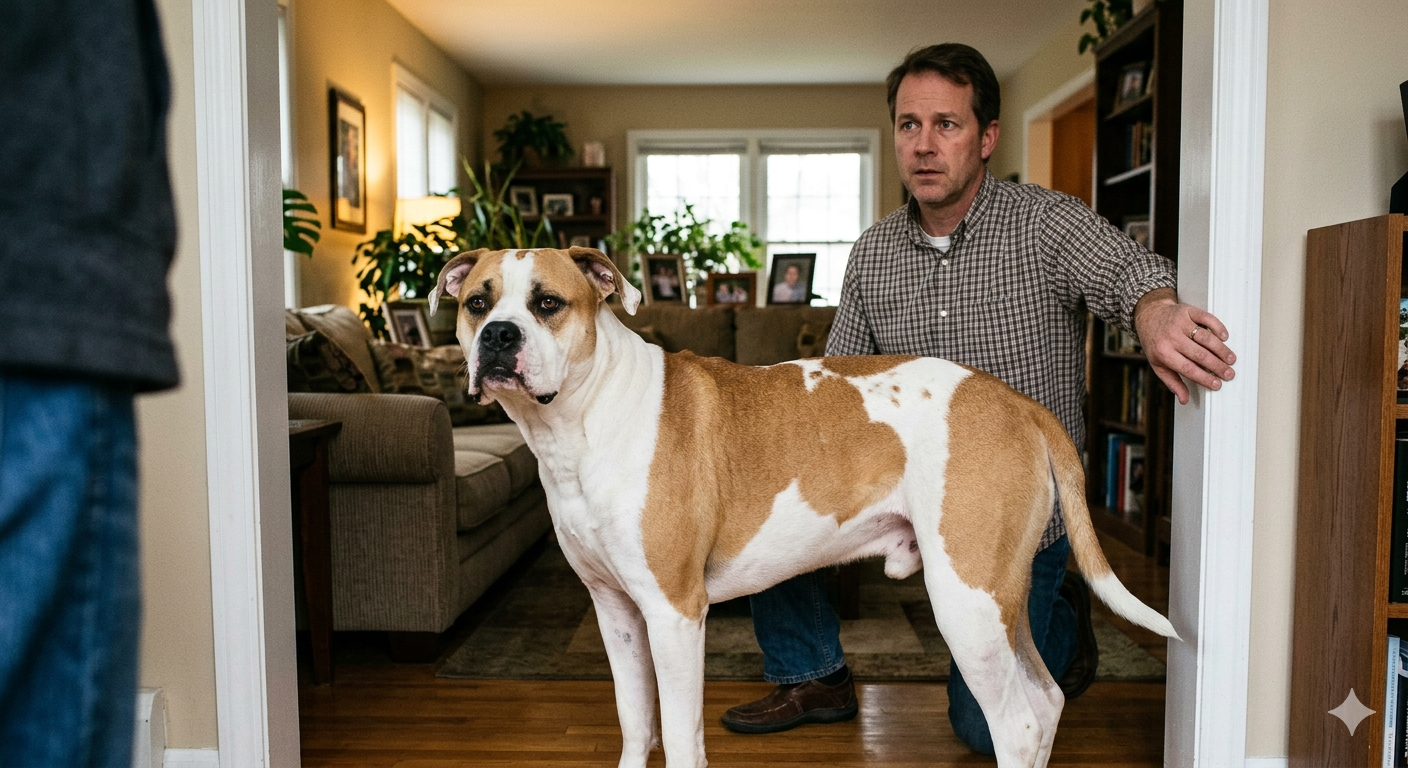
Assessment first. A qualified trainer evaluates the dog in its home environment or at the facility to identify specific triggers, the severity of the behavior, and what emotional state drives the aggression. This shapes everything that follows.
Building a foundation of obedience. A dog that reliably responds to commands like sit, stay, place, and come has a mental anchor during stressful situations. Obedience training creates that anchor. It also establishes clear communication between owner and dog.
Desensitization and counter-conditioning. The trainer exposes the dog to its triggers at a safe distance and intensity, pairing the presence of the trigger with calm, positive experiences. Over time, the dog learns that the trigger does not mean danger. The threshold is gradually reduced as the dog succeeds.
Owner education. Training a dog without training the owner produces short-term results at best. Professional programs teach owners how to read their dog, respond consistently, and reinforce the right behaviors at home. The trainer is not a magic fix; the owner is the daily constant.
Our dog training programs in Shreveport are built around real-life situations, not artificial environments. Dogs are trained in the conditions they will actually encounter, which produces results that hold outside the training setting.
Board and Train vs. In-Home Training for Aggressive Dogs
Two of the most effective formats for addressing aggression are board and train programs and in-home private sessions. Understanding the difference helps you choose which training program is right for your dog and your household.
Board and Train
In a Board and Train program, your dog stays at the training facility for two weeks. Professional trainers work with your dog daily in a structured, distraction-rich environment. This format is especially effective for dogs with moderate to severe aggression because it removes the dog from patterns and triggers that have been reinforced at home.
At the end of the program, owners receive a thorough follow-up session to learn how to maintain everything the dog has been taught. This handoff is critical. The training does not end when your dog comes home; it shifts into your hands.
In-Home Dog Training
With in-home dog training, the trainer comes to your home and works with both the dog and the owner in the actual environment where problems occur. This is particularly useful for dogs whose aggression is tied to specific household triggers, such as guarding a particular room, reacting to visitors at the door, or resource guarding around the family.
In-home sessions also give every family member the chance to participate, which leads to more consistent responses from the whole household. Because dogs are creatures of habit, fixing the environment that drives the behavior produces lasting change.
What to Expect After Training: Maintaining Progress at Home
Professional training creates the foundation. What happens in the weeks and months after training determines how permanent the results are. Owners who stay consistent see lasting change; those who slip back into old patterns often see behavior regress.
Set realistic expectations on timeline. Serious aggression built over years does not fully resolve in two weeks. The training creates a significant shift, but the dog still needs continued structure, daily practice, and gradual exposure to triggers in the real world.
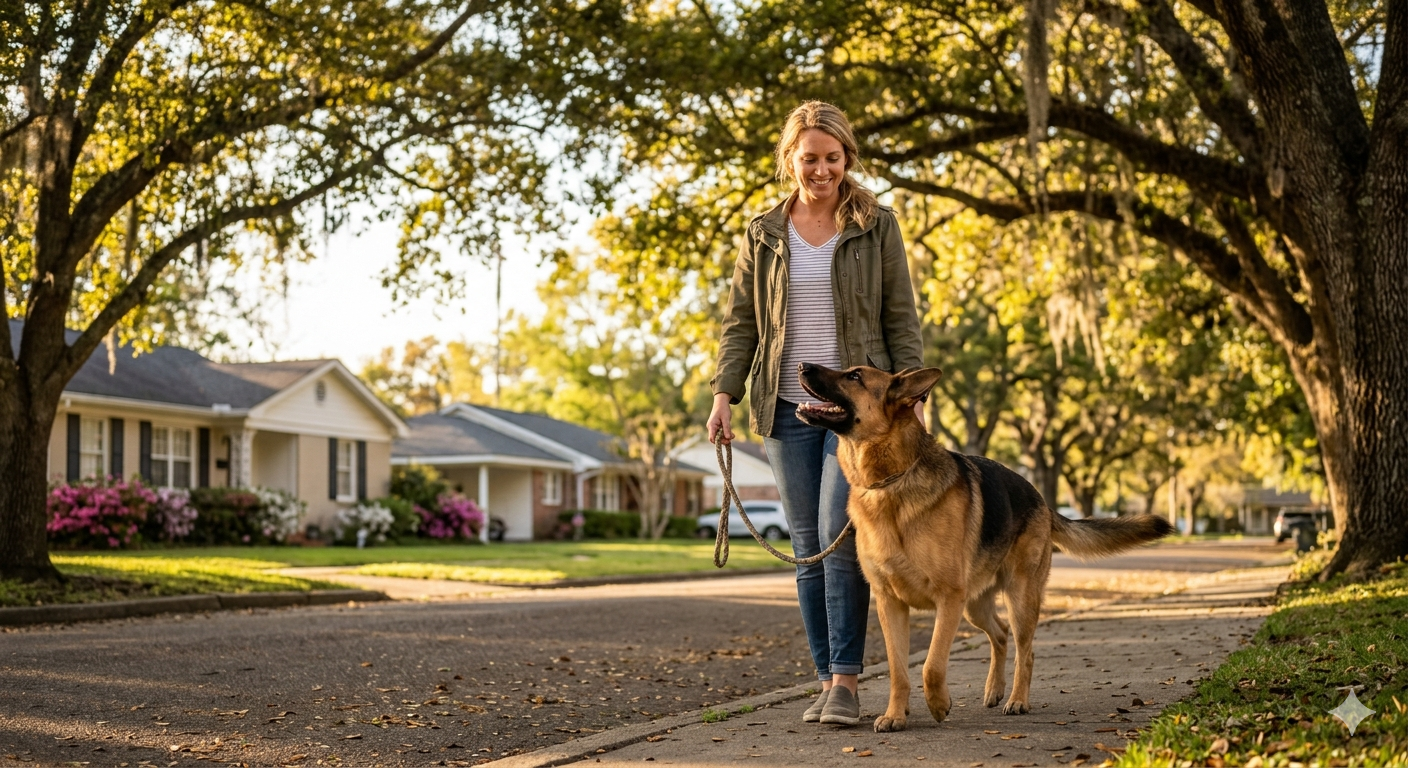
Maintain the commands your dog learned. Even five to ten minutes of daily reinforcement keeps responses sharp. Use the sit, stay, and place commands in everyday situations, not just during formal practice sessions.
Manage the environment thoughtfully. This does not mean avoiding all triggers forever; it means controlling exposure carefully while the dog continues to build confidence and response consistency. A baby gate, a leash, or a controlled introduction can make a significant difference in whether a situation goes well or poorly.
Lean on the support your trainer provides. Our team offers unlimited follow-up for the life of your dog. Read what other Shreveport owners have experienced by visiting our client testimonials.
Ready to Get Started?
Aggression is not something to manage on your own indefinitely. The longer it goes unaddressed, the more practiced the behavior becomes. Our team at All Dogs Unleashed Shreveport is ready to assess your dog, identify what is driving the behavior, and build a plan that works for your household.
Contact us today to schedule your consultation. Call us at (318) 562-6536 or reach out online to get started.
Frequently Asked Questions
Is it safe to train an aggressive dog at home without professional help?
For mild, isolated behaviors like occasional growling over food, experienced owners with a clear understanding of dog body language may be able to manage the situation with guidance. However, any dog that has snapped, lunged at people, or bitten should be evaluated by a professional trainer before any intervention is attempted at home. Attempting to correct serious aggression without expertise puts both the dog and the owner at risk.
Does breed affect whether a dog can be trained out of aggression?
Breed influences predispositions, but it does not determine outcome. Dogs of any breed can develop aggression, and dogs of any breed can improve with the right training. What matters more than breed is the individual dog’s history, triggers, temperament, and the consistency of the training and follow-through at home.
How long does aggressive dog training take?
The timeline depends on the severity of the aggression, the dog’s history, and how consistently the owner practices at home. A Board and Train program runs two weeks and produces significant behavioral change for most dogs. In-home training timelines vary by program. After formal training ends, ongoing reinforcement at home is what makes the results permanent.
Can older dogs be trained out of aggressive behavior?
Yes. The idea that older dogs cannot change is a myth. Senior dogs may take longer to build new habits, but they are fully capable of learning and responding to behavior modification. The key is patience, consistency, and working with a trainer who understands how to adjust the approach for an older dog’s physical and emotional needs.
What does “balanced training” mean for aggressive dogs?
Balanced training uses a combination of positive reinforcement and clear, consistent correction to communicate with the dog. It does not rely solely on treats to manage behavior, nor does it rely on harsh punishment. For aggressive dogs specifically, balanced training builds confidence while teaching the dog what is expected, which produces more reliable and stable results than either extreme alone.
Will my dog ever be able to interact safely with other dogs or people after training?
For most dogs, yes. The goal of aggressive dog training is not to isolate the dog forever but to build enough structure and confidence that the dog can handle social situations calmly. Some dogs with severe histories may always need careful management in certain contexts, but significant improvement is achievable in virtually every case when training is done correctly and consistently reinforced.
About All Dogs Unleashed Shreveport
All Dogs Unleashed is Shreveport’s trusted dog training and care center, offering customized programs for dogs of all ages, breeds, and behavior challenges. From board and train to in-home sessions, our balanced approach builds obedience and confidence that holds up in the real world.