Coming home to a destroyed couch, a flooded bathroom, or a noise complaint from the neighbors is not how any Fort Worth dog owner wants to end their workday. For dogs with separation anxiety, being left alone is not just inconvenient or boring, it is genuinely distressing. The behaviors these dogs produce when left alone, destructiveness, excessive vocalization, house soiling, and self-injury, are symptoms of that distress, not defiance or stubbornness.
Separation anxiety is one of the more challenging behavioral conditions to address because it requires changes in both the dog’s emotional response to being alone and the owner’s routines and habits. The good news is that it responds well to the right approach. All Dogs Unleashed Fort Worth has worked with many dogs dealing with separation-related anxiety and can help you put together a plan that actually works.
What Separation Anxiety Actually Is
Separation anxiety is a specific behavioral condition in which a dog experiences significant distress when separated from a particular person or people. It is not simply a dog that dislikes being alone or that acts out when bored. True separation anxiety involves a genuine fear response triggered by the absence of an attachment figure, and the behaviors it produces reflect that emotional state rather than a deliberate choice to misbehave.
The condition exists on a spectrum. Mild separation anxiety might look like a dog that whines for a few minutes after the owner leaves and then settles. Severe separation anxiety can involve a dog that panics immediately upon any departure signal, destroys the home within minutes, injures itself trying to escape, and shows intense physiological stress responses including excessive salivation, panting, and elimination.
Distinguishing true separation anxiety from boredom-related behavior or simple lack of structure is important because the interventions are different. A dog that is destructive because it has too much energy and not enough structure needs different management than a dog that is genuinely afraid to be alone. A professional evaluation can help clarify which situation you are dealing with.
Signs Your Dog May Have Separation Anxiety
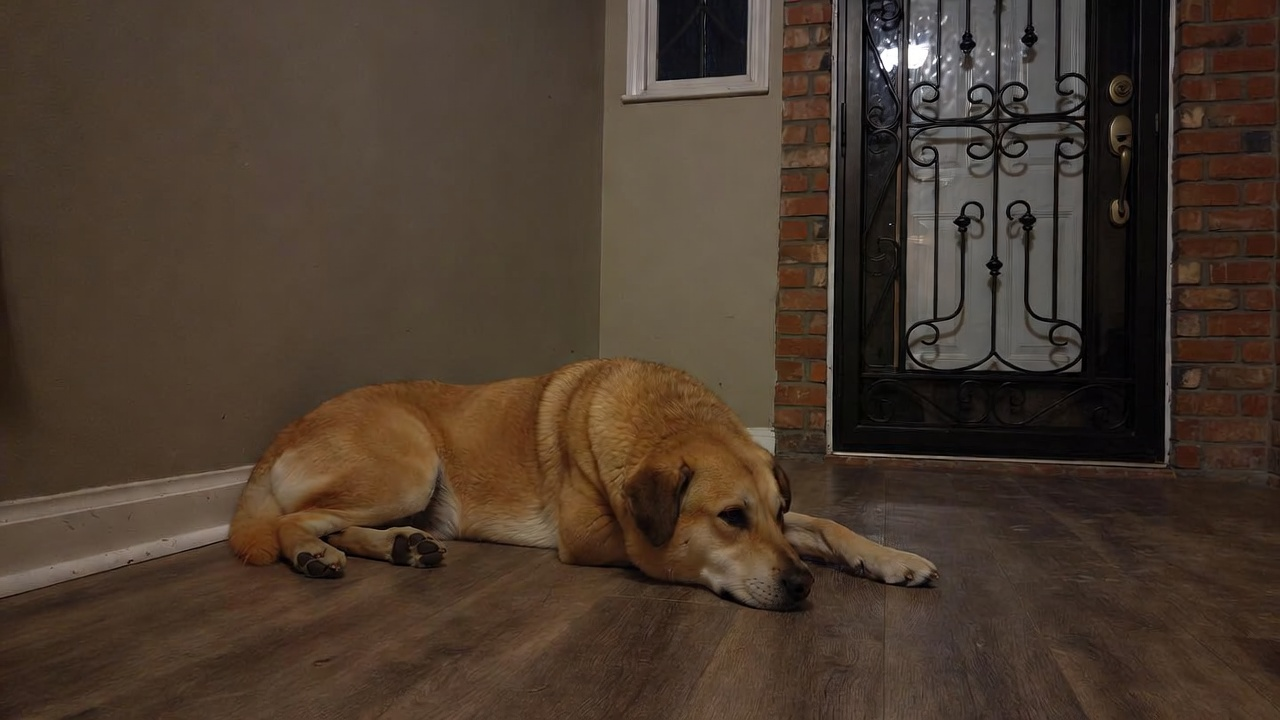
The most telling characteristic of separation anxiety is that the problematic behaviors occur specifically when the dog is alone or separated from its primary person. If your dog is calm and well-behaved when you are home but falls apart when you leave, that pattern is a strong indicator of separation-related distress.
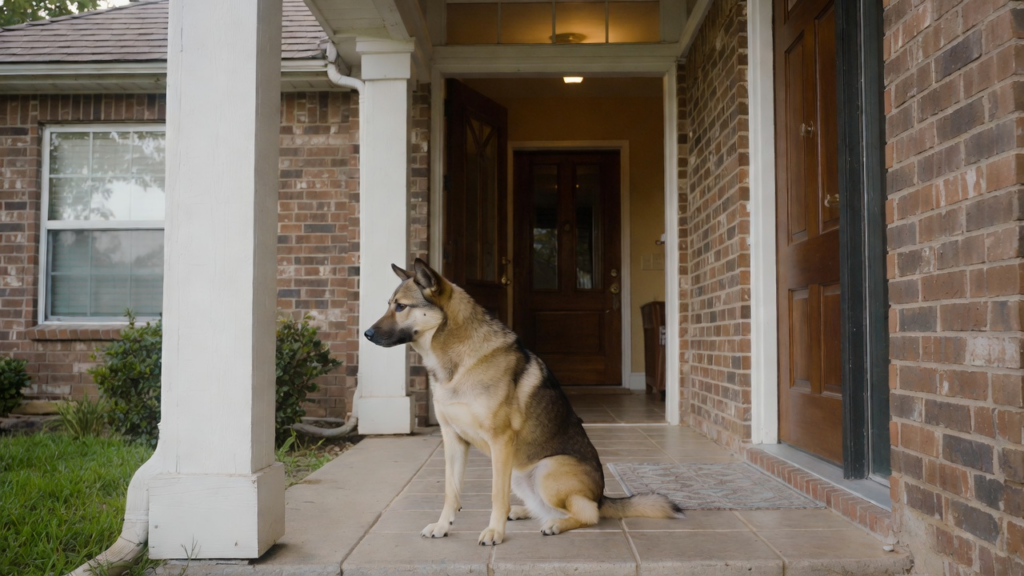
Common signs include persistent vocalization, such as barking, howling, or whining, that begins shortly after you leave and continues throughout your absence. Destructive behavior concentrated near exit points, like scratching at doors, chewing window frames, or digging at the floor near entrances, is also characteristic. House soiling in a dog that is reliably house-trained when you are home is another frequent symptom.
Physical signs of distress matter too. Dogs with separation anxiety often pace repetitively, drool excessively, and show other stress behaviors in the period leading up to a departure. Some dogs begin showing anxiety responses during departure rituals, like when you pick up your keys or put on your shoes, before you have even left the house. This anticipatory anxiety is a significant indicator that the dog has learned these cues predict an aversive event.
Setting up a camera to record your dog’s behavior during the first 30 to 60 minutes after you leave is one of the most useful diagnostic steps you can take. Many owners are surprised to see how quickly their dog’s distress begins, or conversely, to discover that the concerning behavior only happens during a specific window and the dog settles on its own afterward.
What Does Not Work for Separation Anxiety
Punishment is ineffective and counterproductive for separation anxiety. The dog is not acting out of defiance or spite, it is acting out of fear. Punishing a fearful dog for fear-based behavior does not address the underlying emotional state and typically increases the dog’s overall anxiety level, making the problem worse over time.
Getting another pet to keep the dog company sometimes helps, but it often does not. True separation anxiety is about the absence of a specific human attachment figure, not about being alone in a general sense. A dog with genuine separation anxiety will frequently continue to show distress even with another pet present if its primary person is gone.
Obedience training alone will not resolve separation anxiety. Teaching your dog better sit-stay or improving its leash manners does not address the fear component of the condition. Separation anxiety requires a specific behavior modification protocol focused on changing the dog’s emotional response to being alone, not simply adding obedience behaviors.
Effective Approaches to Treating Separation Anxiety
The most effective treatment for separation anxiety is systematic desensitization to departures and alone time. This involves breaking the departure process into tiny steps and teaching the dog to remain calm through each one, beginning with components so small that they produce no anxiety response at all. Over many repetitions and gradual increases in duration and complexity, the dog learns that departures predict nothing to fear.
The process requires patience and consistency. You cannot practice desensitization for 20 minutes on a Saturday and then leave for 8 hours on Monday. During the treatment process, you need to manage real absences, through dog daycare, a friend staying with the dog, or other arrangements, to prevent the dog from experiencing full panic episodes that would reset the progress you are making.
For dogs with moderate to severe separation anxiety, working with a professional trainer or veterinary behaviorist is strongly recommended. A professional can design a protocol appropriate to your dog’s specific severity level, help you identify the departure cues that trigger the earliest anxiety responses, and support you through the process. In cases of severe anxiety, your veterinarian may also recommend medication to reduce the baseline anxiety level enough to allow behavior modification to be effective.
How Dog Daycare Helps Dogs With Separation Anxiety
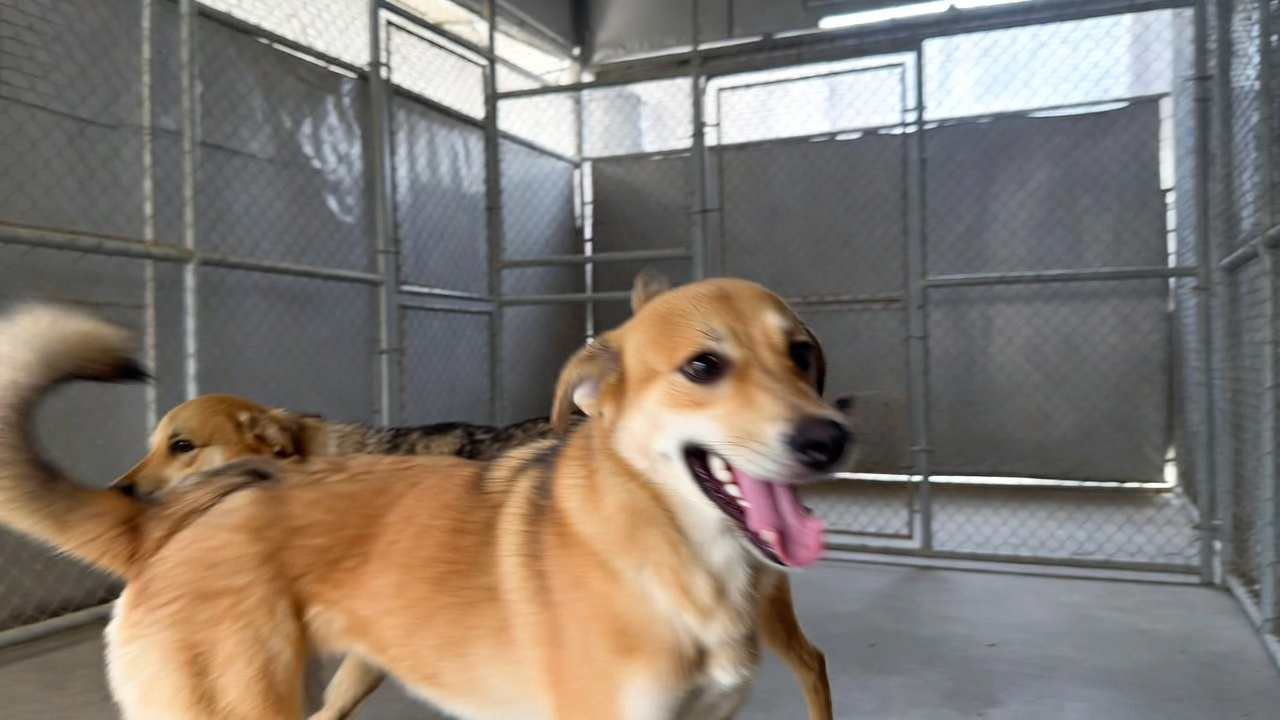
Dog daycare is one of the most practical tools available for managing separation anxiety in Fort Worth, both as a management strategy during treatment and as part of a longer-term enrichment plan for dogs that do better with company during the day.
During a desensitization program, real alone time needs to be minimized to avoid setbacks. On days when you cannot be home to practice your protocol and cannot leave your dog without risking a full panic episode, daycare provides a safe, supervised environment where your dog can be with people and other dogs rather than alone. This prevents the anxiety cycle from being reinforced while you work on the underlying issue.
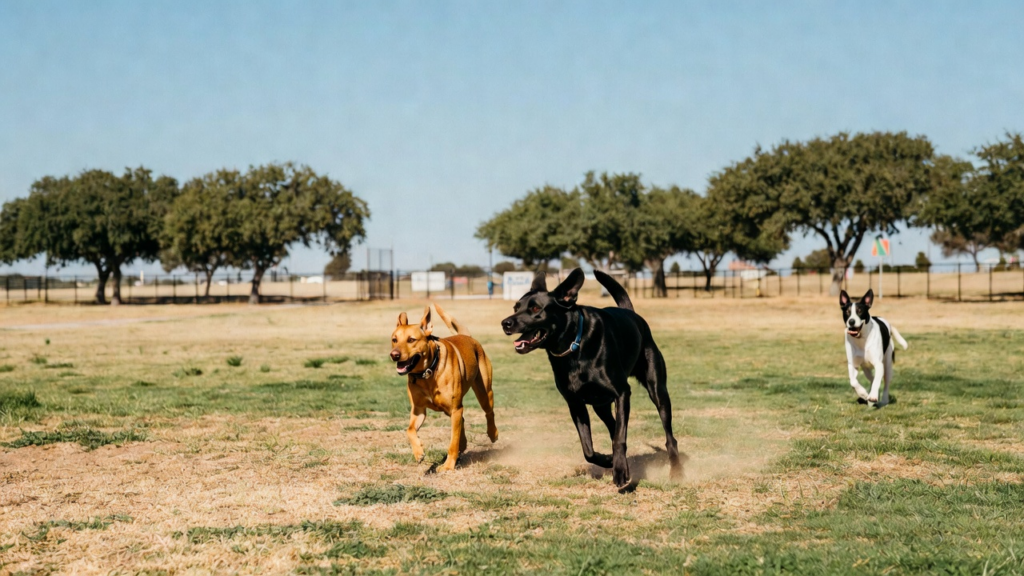
For some dogs with mild separation anxiety, particularly those whose distress is rooted in boredom and under-stimulation as much as genuine fear, regular daycare enrollment addresses the root issue directly. A dog that spends its day engaged with people and other dogs in a structured environment often has neither the energy nor the inclination to be anxious about being alone on the days it stays home. All Dogs Unleashed Fort Worth offers dog daycare as part of a broader approach to helping dogs thrive in their daily lives.
Practical Steps for Fort Worth Dog Owners
Start by recording your dog’s behavior during your next absence so you have an accurate picture of what is actually happening and when. This gives you and any professional you work with a baseline to measure progress against and helps distinguish separation anxiety from other behavioral issues.
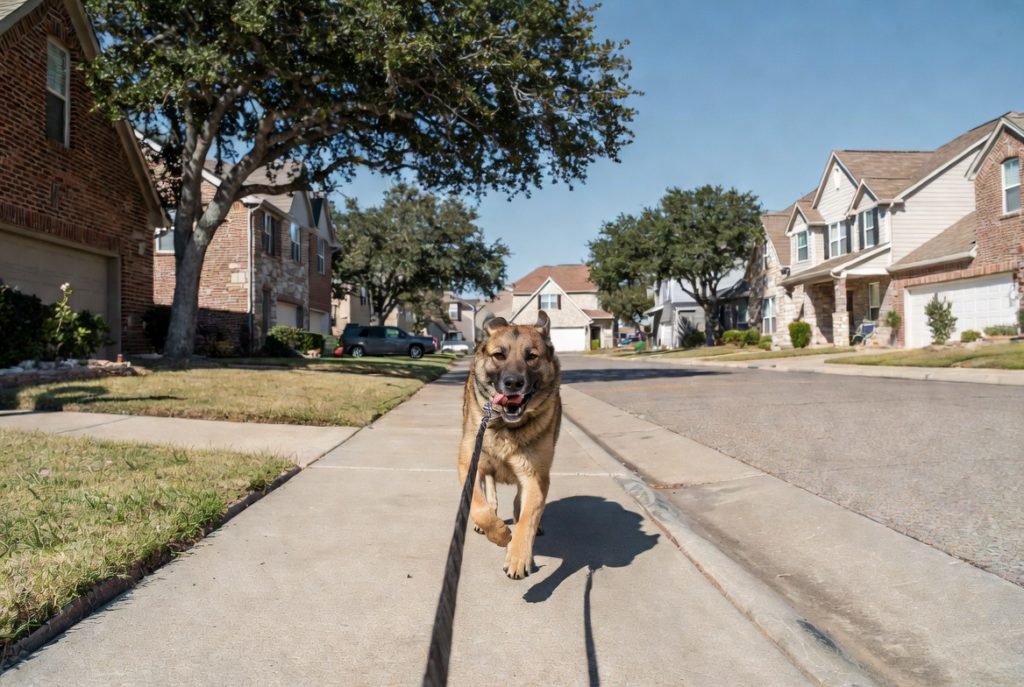
Exercise your dog before planned absences. A dog that has had a meaningful physical and mental outlet is generally less reactive to stressors, including departure events. A morning walk on the Trinity Trails or a structured play session before you leave does not cure separation anxiety, but it reduces the baseline arousal level that the anxiety is working on top of.
Work with your veterinarian if the anxiety is moderate to severe. Behavioral medication is not a failure or a shortcut, it is a tool that makes behavior modification possible in cases where anxiety is too high for the dog to learn. Many dogs with severe separation anxiety cannot make progress through behavior modification alone until their baseline anxiety is managed medically.
Reach out to a professional trainer sooner rather than later. Separation anxiety tends to be progressive when unaddressed, and the early stages are significantly easier to work with than entrenched patterns. If you are noticing early signs of distress when you leave, this is the right time to get support.
Frequently Asked Questions
Can separation anxiety in dogs be cured?
Many dogs with separation anxiety can be significantly improved or fully resolved with the right behavior modification approach. The outcome depends on the severity of the anxiety, the dog’s history, and the consistency of the treatment protocol. Mild to moderate cases often respond very well to systematic desensitization. Severe cases may require a combination of behavior modification and veterinary support, including medication, and may require ongoing management even after significant improvement.
How long does it take to treat separation anxiety in dogs?
Treatment timelines vary significantly based on the severity of the anxiety and the consistency of the protocol. Mild cases can show meaningful improvement in a few weeks of consistent work. Moderate to severe separation anxiety typically requires several months of patient, systematic desensitization. Progress is often non-linear, with some setbacks along the way. Consistency and avoiding full panic episodes during the treatment period are the most important factors in determining speed of progress.
Is it okay to crate a dog with separation anxiety?
For many dogs with separation anxiety, crating makes the anxiety significantly worse because it removes the ability to engage in displacement behaviors and increases feelings of confinement and helplessness. Some dogs, however, do better in a crate if it has been properly conditioned as a safe, comfortable den. Whether a crate helps or hinders depends on the individual dog. If your dog shows signs of trying to escape the crate or shows panic in the crate, the crate is not the right management tool for that dog.
What should I do when I come home to a dog with separation anxiety?
Greet your dog calmly rather than with an intense, excited greeting. Highly emotional arrivals can inadvertently reinforce the significance of your coming and going, which can intensify separation anxiety. A calm, matter-of-fact greeting acknowledges your dog without amplifying the emotional charge around your departures and returns. This does not mean ignoring your dog, just keeping the energy level moderate and consistent.
Does getting a second dog help with separation anxiety?
Sometimes, but often not. True separation anxiety is tied to the absence of a specific person, not to being alone in general. A dog whose anxiety is specifically about your absence will frequently continue to be anxious even with another animal present. In some cases, a second dog can make things worse if both dogs feed off each other’s anxiety. Address the underlying condition directly rather than relying on a second pet to resolve it.
Get Help for Your Dog’s Separation Anxiety in Fort Worth
Separation anxiety is a treatable condition, and you do not have to navigate it alone. All Dogs Unleashed Fort Worth works with dog owners dealing with separation-related behavior issues, from mild departure distress to more complex cases requiring structured intervention. Whether your dog needs a tailored behavior modification plan, access to daycare to support its treatment, or professional evaluation to understand what you are dealing with, the Fort Worth team can help.
Contact All Dogs Unleashed Fort Worth today to discuss your dog’s situation and find the right path forward. Reach the Fort Worth location at (817) 393-6224.
About All Dogs Unleashed
All Dogs Unleashed is a professional dog training company serving Fort Worth and the Dallas-Fort Worth Metroplex. The Fort Worth location offers board and train programs, in-home dog training, dog boarding, dog daycare, dog grooming, and structured training programs for dogs of all ages, breeds, and behavioral backgrounds.
The All Dogs Unleashed team brings deep experience with the full range of canine behavioral challenges, including anxiety, reactivity, aggression, and foundational obedience. Every program is designed around the individual dog and the specific goals of the owner, with a focus on results that last.
Contact All Dogs Unleashed Fort Worth at (817) 393-6224 to get started.