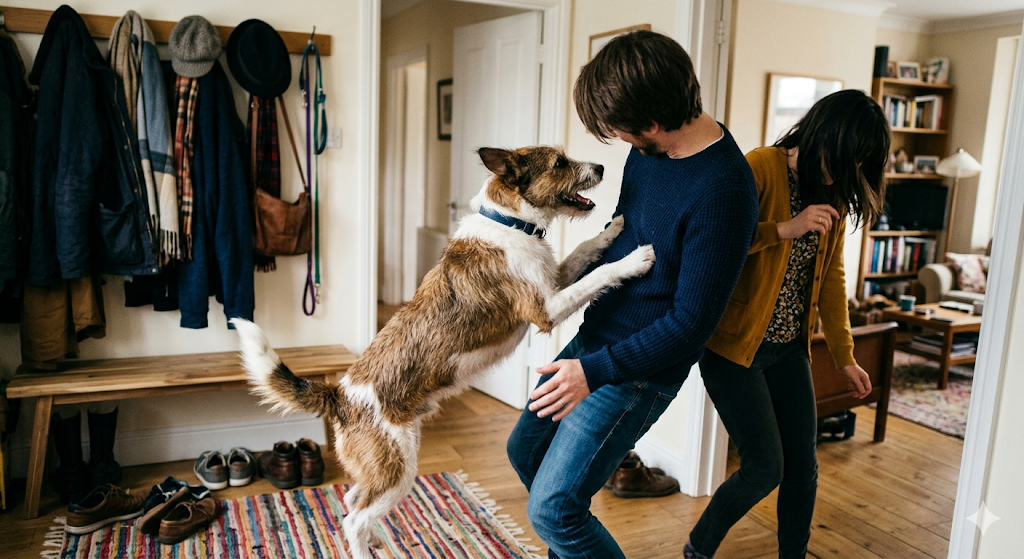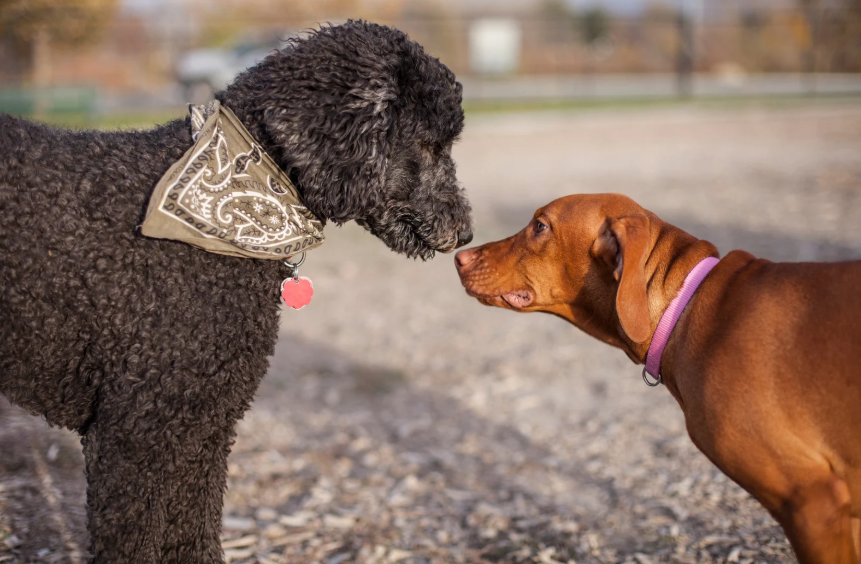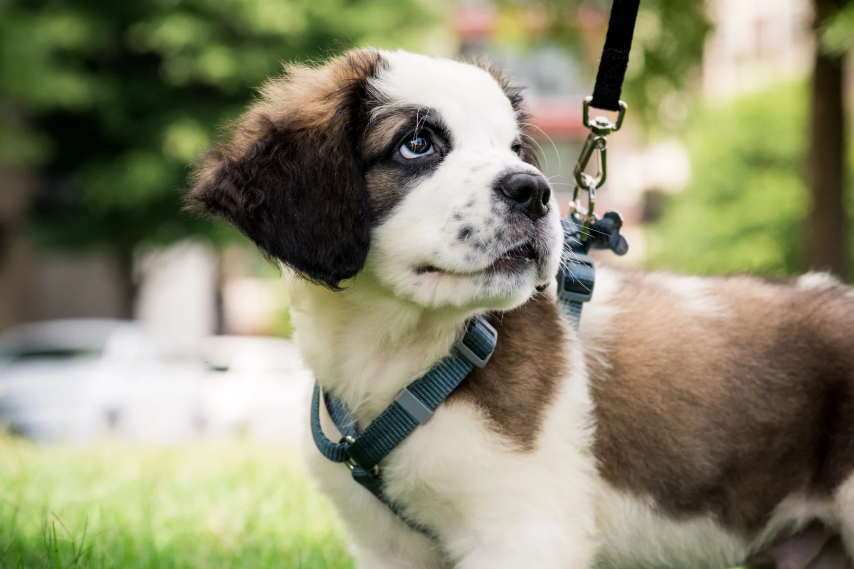
The first few months of a puppy’s life are arguably the most important for shaping its long-term behavior and temperament. During this window, a puppy’s brain is primed to learn about the world, and the experiences it has, or does not have, during this period will influence how it responds to people, animals, sounds, and environments for the rest of its life. Get it right, and you raise a confident, adaptable dog. Miss this window, and you may spend years managing fear and reactivity that could have been prevented.
Puppy socialization is not complicated, but it does require intentionality and consistency during a narrow timeframe. This guide covers what socialization actually means, when to do it, how to approach it in a city like Fort Worth, and what to watch for to make sure it is helping rather than overwhelming your puppy. All Dogs Unleashed Fort Worth works with puppy owners throughout this process and can help you get your puppy’s foundation right from the start.
What Puppy Socialization Actually Means
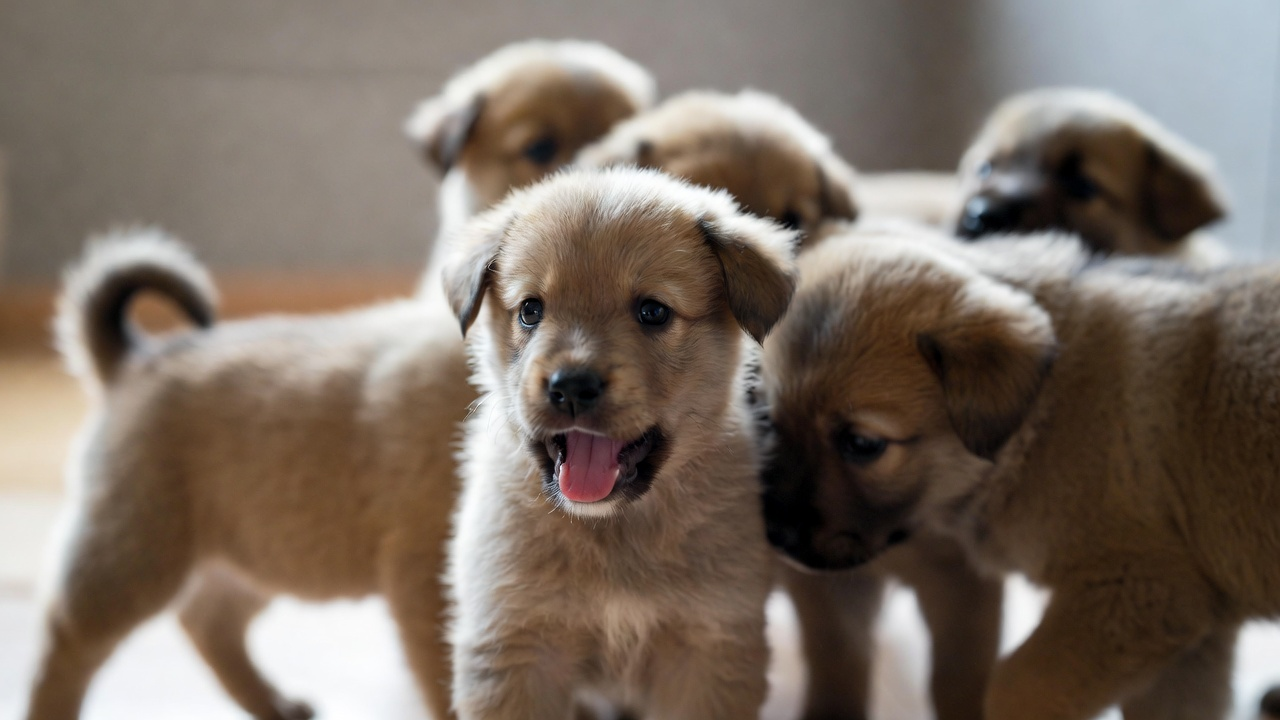
Socialization is frequently misunderstood as simply exposing your puppy to other dogs or taking it to a dog park. That is a small part of it. Proper socialization means systematically introducing your puppy to a wide range of people, animals, environments, sounds, surfaces, objects, and handling experiences so that novelty does not register as a threat.
A well-socialized puppy is not necessarily the boldest or most outgoing animal in every situation. What you are aiming for is a puppy that can encounter new things, including unfamiliar people, loud noises, different flooring, other animals, vehicles, and unpredictable movements, without shutting down or becoming reactive. That calm adaptability is the product of hundreds of positive or neutral encounters during the socialization window.
The goal of each socialization experience is not to flood your puppy with stimulation but to help it form positive or neutral associations with the world around it. Every experience should end with your puppy relaxed or curious rather than stressed and overwhelmed. If your puppy is shutting down, trembling, or refusing to engage, that is a sign the exposure is too intense and needs to be adjusted.
The Critical Socialization Window
Puppies have a developmental period called the socialization window that runs roughly from 3 to 14 weeks of age. During this window, the brain is especially receptive to learning what is normal and safe in the world. Experiences during this period have a disproportionate and lasting impact on how the dog will respond to similar stimuli throughout its life.
The window does not slam shut at 14 weeks. Socialization remains important well into adolescence, typically up to 12 to 18 months depending on the breed and individual dog. However, the learning that happens during the early window is qualitatively different from later learning, and experiences you miss during that period are harder, though not impossible, to compensate for later.
Many puppies do not come home to their new owners until 8 weeks of age, which means you are working with roughly 6 weeks of peak socialization window once you bring the puppy home. That makes deliberate socialization during those first weeks at home especially important. Do not wait until vaccinations are complete to start socializing your puppy, but do be smart about the environments and risks you expose it to in the meantime.
Socializing Your Puppy Safely Before Full Vaccination
Veterinarians and trainers often approach the vaccination question differently, but the consensus among behavioral professionals is that the risk of behavior problems from inadequate socialization often outweighs the disease risks of controlled, appropriate socialization before the full vaccination series is complete.
Practical approaches for socializing safely before full vaccination include carrying your puppy in high-traffic areas so it gets visual and auditory exposure without paw contact with potentially contaminated surfaces, visiting the homes of vaccinated dogs you know personally, attending puppy classes held in facilities that sanitize between classes, and focusing heavily on people, sounds, and handling rather than unknown dog-to-dog contact.
Puppy classes at reputable facilities offer one of the safest early socialization environments available. The dogs in these classes are screened, the facilities are cleaned, and the interactions are supervised by trainers who can ensure experiences stay positive. All Dogs Unleashed Fort Worth offers structured puppy programs that balance socialization with foundational skills in a controlled, safe setting.
What to Socialize Your Puppy To in Fort Worth
Fort Worth is a large, active city with a diverse range of environments your dog will eventually need to navigate. Effective puppy socialization should reflect the world your dog is actually going to live in. That means intentional exposure to the types of stimuli common in the Fort Worth environment.
People of all appearances, ages, and movement styles should be on your socialization checklist. Many dogs develop fear-based reactions toward specific types of people, such as men with beards, people wearing hats, children, elderly individuals, or people using mobility devices, simply because they were not exposed to that variety during the socialization window. Seek out diverse human encounters proactively rather than hoping they happen naturally.
Urban sounds and movement are essential in Fort Worth. Busy intersections, traffic, construction, public transit, motorcycles, skateboards, and city noise are part of daily life here. Exposing your puppy to these sounds, first from a distance and then progressively closer, builds tolerance that will make every future walk in the city easier.
Surfaces and environments also matter. Grassy parks, concrete sidewalks, wood floors, tile, metal grating, stairs, escalators, and outdoor patios all feel different underfoot to a puppy. The Trinity Trails, downtown areas, outdoor restaurant patios, and neighborhood streets in Fort Worth offer excellent variety for structured socialization outings.
How to Make Socialization Experiences Positive
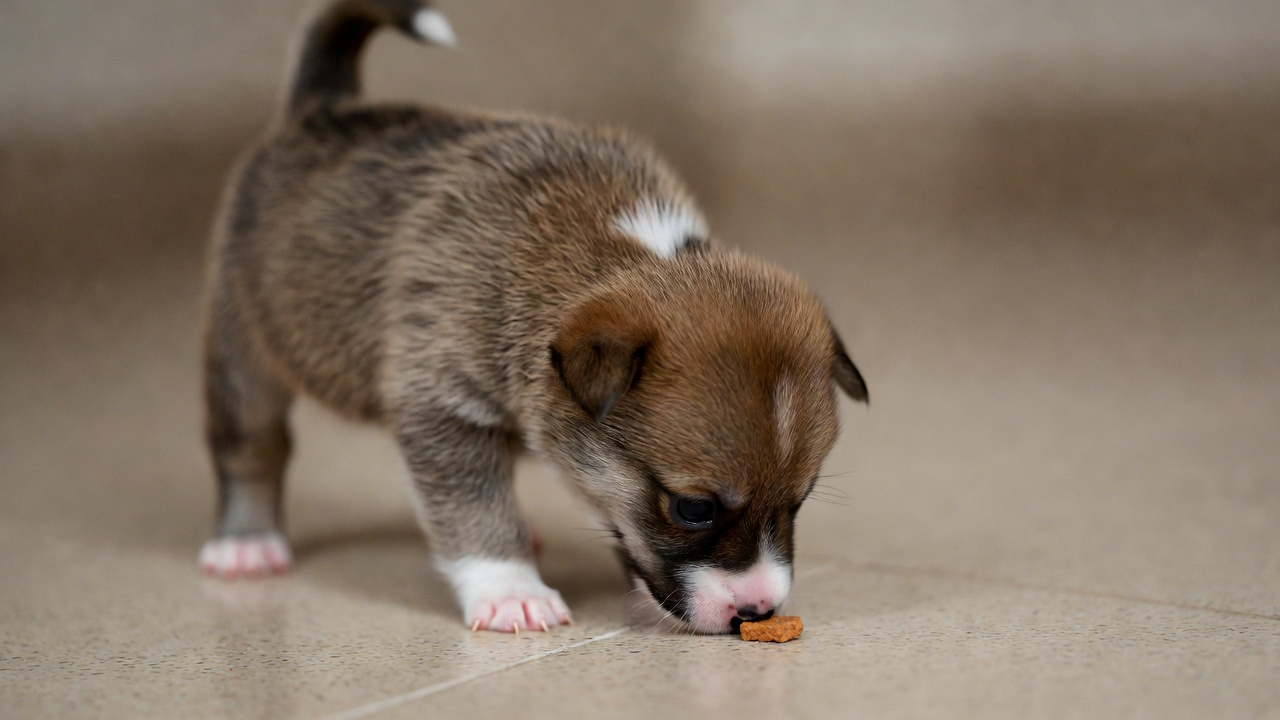
Use high-value treats throughout every socialization session. You are not just exposing your puppy to new things, you are creating positive associations. Every time something potentially scary appears and your puppy remains calm or shows curiosity, mark that moment with a treat. Over repetitions, your puppy begins to associate new stimuli with good things happening.
Watch your puppy’s body language closely and respond to signs of stress before they escalate. A puppy that stiffens, freezes, tucks its tail, cowers, or tries to hide is communicating that it is not comfortable. In those moments, increase distance from the trigger, use treats to shift the emotional state, and avoid forcing forward. Flooding a puppy by forcing it to remain in an overwhelming situation backfires and can create the exact fearfulness you are trying to prevent.
Keep sessions short and end on a positive note. Fifteen to twenty minutes of deliberate, positive socialization is more effective than an hour-long outing that leaves your puppy exhausted and overstimulated. Regular brief exposures across many different situations build a more resilient dog than infrequent marathon sessions.
Involve the whole household. Everyone your puppy lives with should participate in socialization so that the dog generalizes its comfort across people, handling styles, and voices. Inconsistency in approach across family members is one of the most common socialization mistakes, particularly when it comes to how greetings and handling are managed.
Signs Your Puppy’s Socialization Needs Professional Support
Some puppies arrive with more fear-based temperament than others due to genetics or early experiences before they came home with you. If your puppy is consistently shutting down, growling, or hiding from everyday stimuli despite gentle, systematic exposure, those are signs that professional guidance will be more effective than continuing to work alone.
Puppies that were not socialized adequately before 8 weeks, those from environments with limited human contact, or those showing early signs of fear-based behavior benefit significantly from structured professional support. A trainer who understands developmental stages can design a socialization protocol appropriate to your puppy’s specific temperament and current responses rather than applying a generic checklist.
Early professional intervention for fear and socialization gaps produces much better outcomes than waiting. The older a dog gets with established fear patterns, the more intensive the work required to change them. If you have concerns about your puppy’s responses during socialization, reaching out to All Dogs Unleashed Fort Worth for an evaluation is a good first step.
Frequently Asked Questions
At what age should I start socializing my puppy?
Socialization should begin as soon as your puppy comes home, typically around 8 weeks of age. The peak socialization window runs from roughly 3 to 14 weeks, making those first weeks at home especially important. Even before vaccinations are complete, you can begin safe socialization through puppy classes, visits with known vaccinated dogs, and carrying your puppy in public environments to build visual and auditory exposure.
Is it too late to socialize an older puppy or adult dog?
It is never too late to work on socialization, though it typically requires more patience and structured effort with older dogs. Adult dogs can absolutely learn to become more comfortable with new people, environments, and stimuli through systematic desensitization and counter-conditioning. The results with older dogs can be very good, but the process takes longer than early socialization during the developmental window.
Should I wait until my puppy is fully vaccinated to start socializing?
Most behavioral professionals recommend beginning socialization before the full vaccination series is complete, using risk-managed approaches rather than waiting. The risk of developing fear and behavior problems from missing the socialization window often outweighs the disease risk of controlled, appropriate early socialization. Puppy classes at reputable facilities, visits with vaccinated dogs, and carrying your puppy in public areas are practical options before full vaccination is complete.
How many socialization experiences does my puppy need?
There is no single number, but the goal is variety and repetition. Aim to expose your puppy to as many different people, animals, environments, sounds, and surfaces as possible during the socialization window, with each experience being positive or neutral. Regular, brief sessions across many different contexts are more effective than infrequent large socialization events. The more varied and positive the experiences, the better the foundation.
What if my puppy is scared during a socialization experience?
Do not force your puppy to approach or remain close to something it is afraid of. Instead, increase the distance from the trigger until your puppy is calm and curious rather than stressed, then use treats to create positive associations at that distance. Gradually and patiently reduce the distance over multiple sessions. Forcing a frightened puppy into close contact with something it fears can make the fear worse. If your puppy’s fear is consistent or intense, consult a professional trainer.
Give Your Fort Worth Puppy the Best Start
The socialization work you do in your puppy’s first months will shape its personality, confidence, and behavior for its entire life. All Dogs Unleashed Fort Worth offers puppy programs designed to build that foundation through structured socialization, early obedience skills, and guidance for owners on how to continue the work at home.
Contact All Dogs Unleashed Fort Worth today to learn about puppy programs and get started on the right foot. Reach the Fort Worth location at (817) 393-6224.
About All Dogs Unleashed
All Dogs Unleashed is a professional dog training company serving Fort Worth and the Dallas-Fort Worth Metroplex. The Fort Worth location offers a full range of training services including board and train programs, in-home dog training, dog boarding, dog daycare, dog grooming, and structured training programs for puppies and dogs at every stage of life.
The All Dogs Unleashed team is committed to helping Fort Worth dog owners build confident, well-behaved dogs through proven training methods and individualized programs. From first-week puppy work to advanced behavior modification, every program is designed around the specific dog and the goals of its owner.
Contact All Dogs Unleashed Fort Worth at (817) 393-6224 to learn more about puppy programs and get started.