
You’ve been working on training your dog on your own since you adopted her. She’s making good progress in some areas, but you’re still struggling with some unwanted behaviors. Could a professional dog trainer be key to your success and hers? Read on to learn what to expect from dog obedience training to decide if it’s right for you.
Your Choice of Private and Group Classes
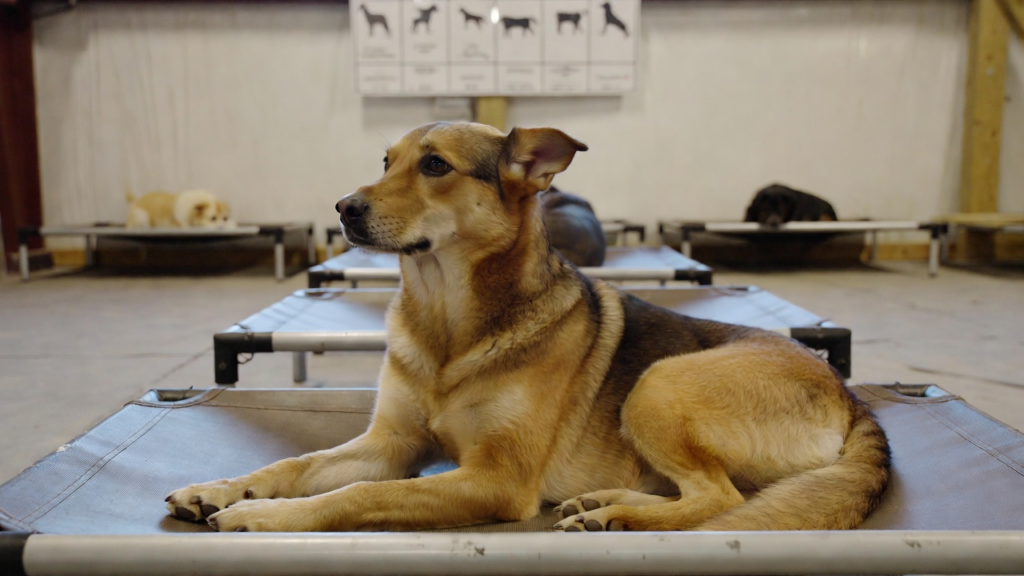
As a starting place, you’ll probably need to choose between in-home dog training classes or group classes. Group classes often fall under the umbrella of board and train programs, in which you drop your dog off for a set period of time so trainers can work extensively with them before you bring them home again.
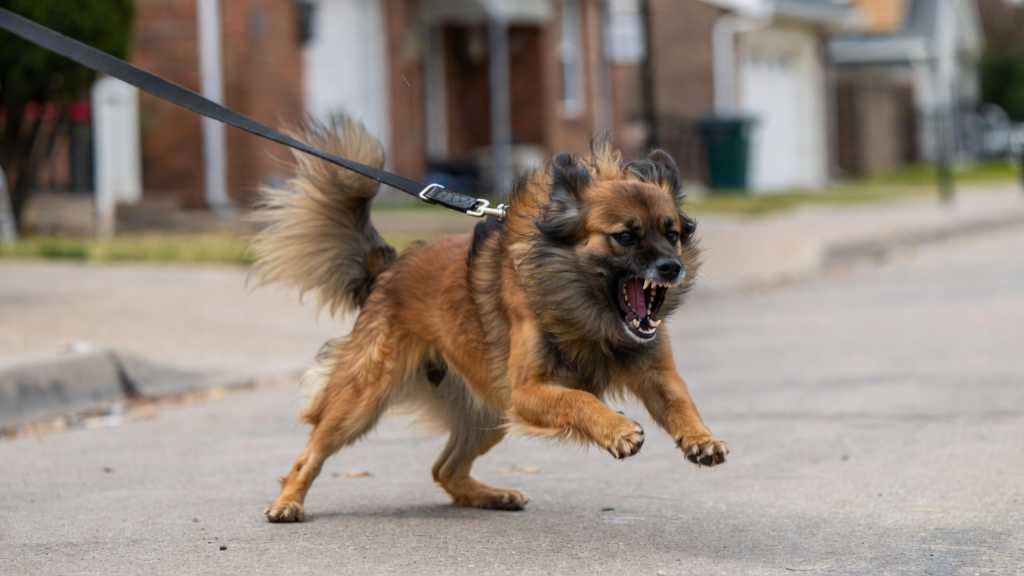
When choosing a dog training class, consider your schedule, the level of training your dog needs, and your dog’s disposition. For example, a reactive dog that doesn’t respond well to other animals would require private lessons. If you can’t commit to multiple in-home sessions but your dog needs more than fundamental training, a board and train program is probably the better choice.
Mastery of Basic Commands
Regardless of the type of obedience training you choose, mastery of basic commands will likely be a core goal. Basic commands are the ones you’d use frequently to encourage good behavior, such as sit, stay, come, and drop it. Professional trainers are less likely to focus on commands that pack more entertainment value, like shake or roll over, than actual behavioral change.
Your obedience training should also incorporate recall. Recall entails that your dog comes when called regardless of external factors and stimuli. By instilling recall, professional trainers help to increase your dog’s safety and the safety of everyone around her.
Development of a Training System
Most professional trainers will use a training system or follow a specific set of principles to teach your dog better behavior. For example, some may use tools like clickers to help their canine pupils learn commands. Others may emphasize positive reinforcement rather than classical conditioning. We recommend avoiding punishment-oriented or fear-based training, but otherwise, each system has its merits.
Ideally, your trainer will show you how to use this training system at home or provide resources so you can learn. Continuity and consistency are key, especially when your dog is transitioning from working with a trainer to working with you.
Personalized and Adaptive Training
One of the biggest benefits of working with a high-quality dog trainer is the personalization they can provide. As they get to know your dog and learn about some of her quirks and challenges, they can adapt their approach for better results. In serious cases, they may also recommend that you involve a dog behavioralist or a veterinarian, but many problematic behaviors can be corrected in dog obedience school.
At All Dogs Unleashed, we work with dogs of all ages, sizes, and dispositions. Learn more about our training programs and find an ADU location near you to get started today!