
Teenagers: rebellious, moody, energetic, and anxious—just like humans, puppies go through significant changes during adolescence. For most breeds, this creates a whole new (and oftentimes frustrating) set of behaviors between six and twelve months. Read on to learn what to expect from your adolescent puppy and what you can do about it.
Behavioral Backsliding
You can make a lot of progress by the time your puppy reaches six months of age. With consistent training practices, you’re bound to notice improvements in recall, leash walking, and response to commands. Then, suddenly, it seems like all your hard work was for nothing.
Evidence supports the phenomenon of diminished obedience in adolescent puppies. While it may seem like your dog woke up one day and decided to drive you nuts on purpose, this phase is fueled by changes in the brain and hormone levels.
A Surge in Energy
Part of what fuels “bad” behavior in teenaged puppies is a sudden spurt in energy levels. They tend to show a ton of excitement and curiosity at this age, overlooking cues to calm down or knock it off.
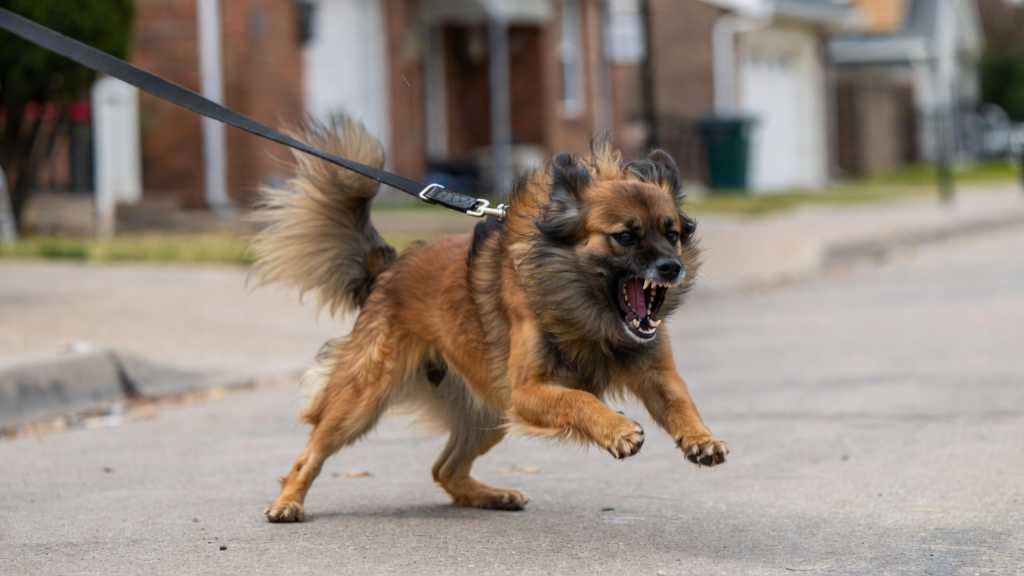
Your puppy may start straining at her leash. She may start chewing up every shoe in sight. She may even get herself into spats with other dogs who don’t want to play. It’s easy to mistake this behavior for an attempted display of dominance when typically, it’s just a sign of excess energy.
A Short Temper
It’s easy to get frustrated when your puppy is acting out every day. What makes matters worse is that during adolescence, puppies also tend to display what we can only describe as a short temper.
You’re most likely to notice this when you deprive your puppy of what she wants, like table scraps or the sweater sleeve she’s using to play tug-of-war. Her frustration can lead to unwanted (and uncharacteristic) behavior like barking, growling, jumping, and even resource guarding.
New Anxiety
Rather than becoming more excitable and social, some adolescent puppies become more easily frightened. Anxious teen puppies may develop a whole new set of triggers, suddenly startling at the sight of fire hydrants or scrambling away from bikes and cars.
This potentially amplified flight response is why adolescent puppies require careful supervision. This typically isn’t the best age for off-leash training.
How to Help Your Adolescent Puppy
Working with an adolescent puppy requires reframing the goal from “controlling” your puppy to helping her meet her changing needs. One of the best ways to do so is to channel that excess energy in acceptable directions. Longer walks, games of fetch, monitored playtime with other high-energy dogs, and mental exercise are all great options to add to your daily rotation.
We also recommend sticking as closely to a routine as possible. As defiant as your puppy may seem at this stage, consistency can still create feelings of safety and trust.
At ADU, we’re prepared to help in all stages of life. Enroll your dog in a training program to add a little more structure to these chaotic months.