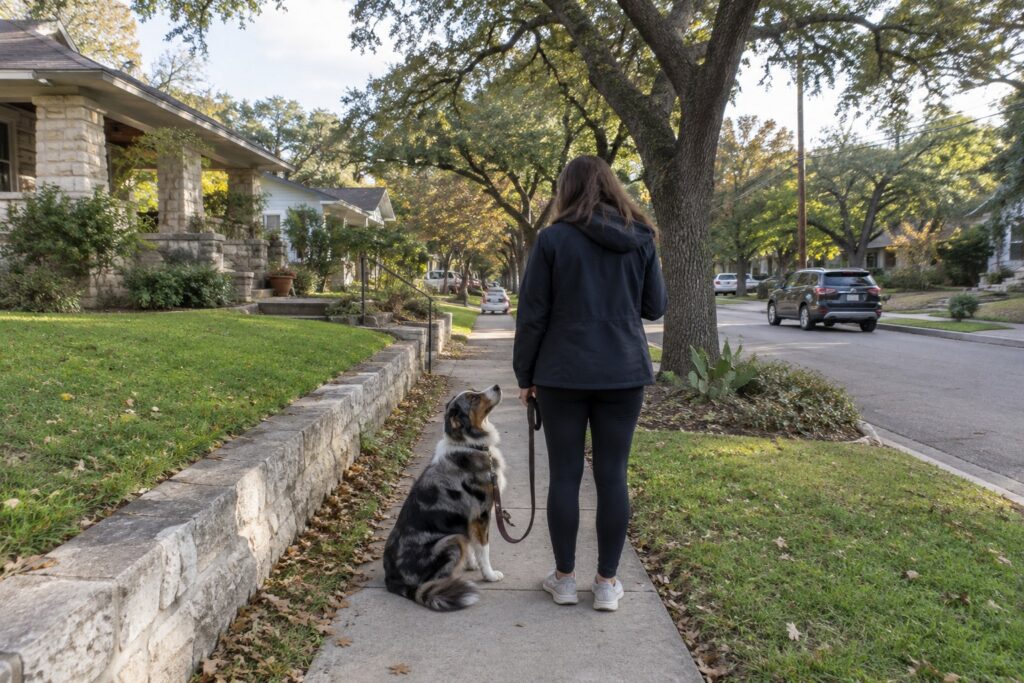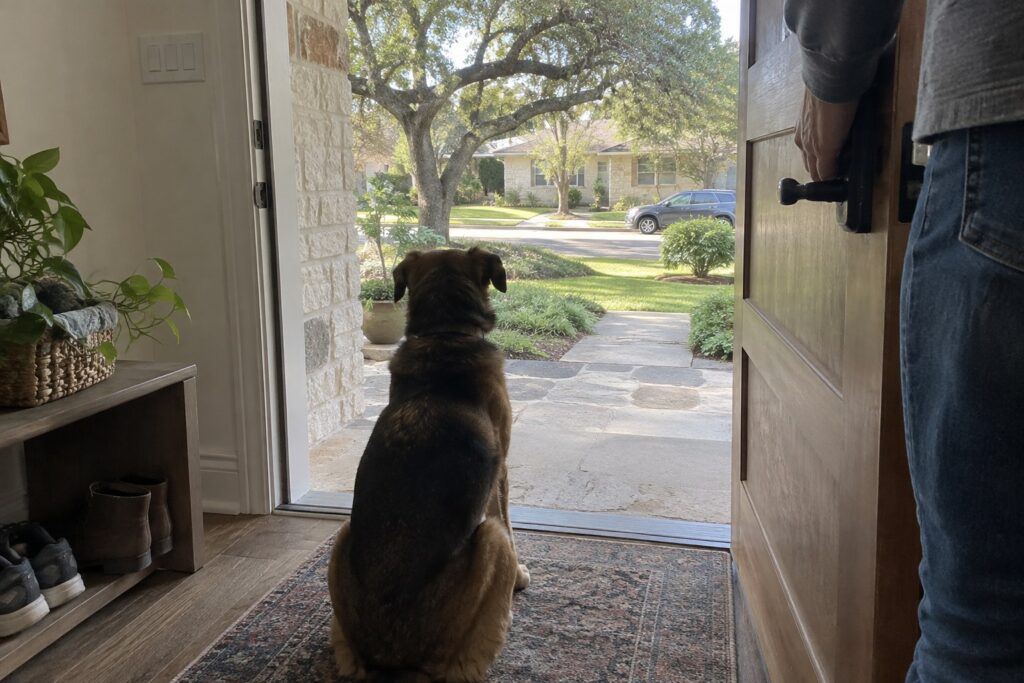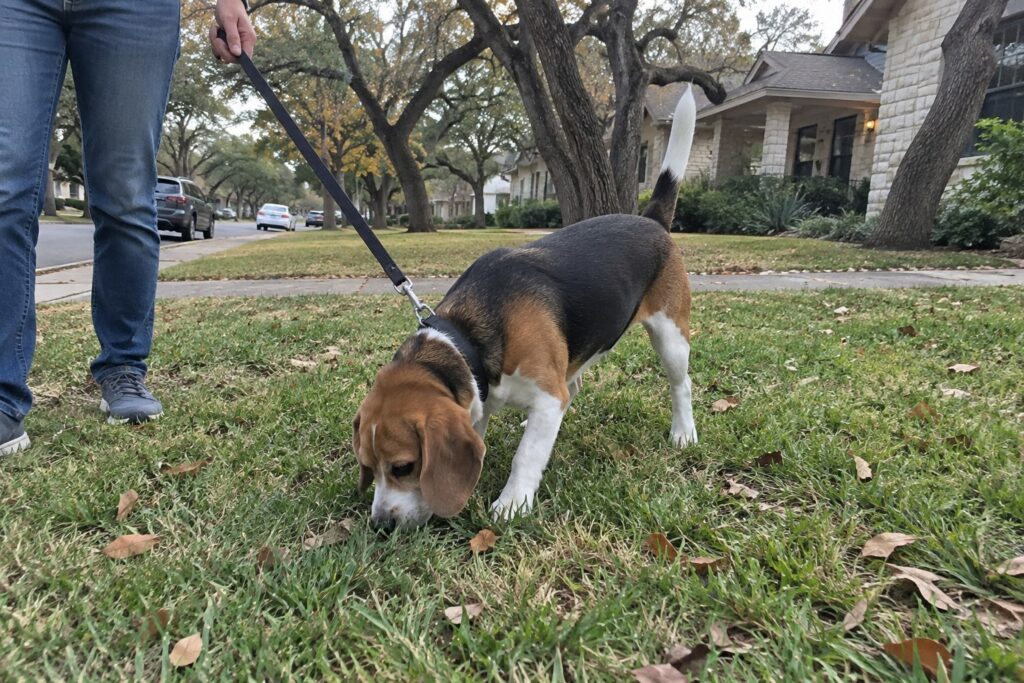

Spring offers a natural motivation boost for both dogs and their owners. The warmer weather makes outdoor training sessions more enjoyable, and the increase in environmental stimulation, birds, squirrels, new smells, and other dogs out on walks, provides real-world opportunities to practice the skills your dog already knows.
At the same time, that same stimulation can make spring a challenging time for dogs that lack solid impulse control. A dog that did fine inside all winter may suddenly be pulling toward every distraction on the trail. That is why spring is an ideal time to recommit to obedience work and reinforce commands in active environments.
Gradually Increase Physical Activity
Just as people ease back into exercise routines after winter, your dog benefits from a gradual build-up. Here are some guidelines for ramping up safely:
- Start with shorter walks: Even if your dog seems eager, begin with 20 to 30 minute walks and build from there over two to three weeks.
- Watch for signs of fatigue: Heavy panting, lagging behind, or reluctance to continue are signals to slow down or cut the walk short.
- Mix activity types: Combine leash walks with off-leash play in a secure area. Varying the type of exercise keeps things interesting and works different muscle groups.
- Check paws regularly: Spring surfaces include everything from wet grass to rough pavement. Check your dog’s paws for cuts, debris, or signs of irritation after outdoor sessions.
- Hydrate on the go: Bring water on longer outings, especially as temperatures climb toward the warmer spring days in North Texas.
Reinforce Basic Commands in New Environments
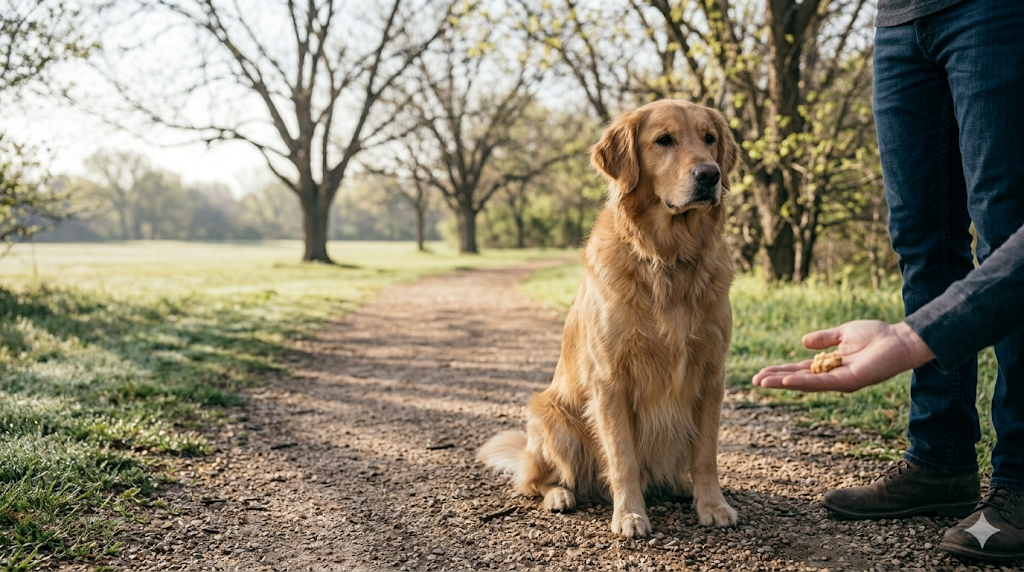
Spring brings your dog into new sensory territory. Practicing commands like sit, stay, come, leave it, and heel in real outdoor settings is very different from doing so in your living room. Each new location requires your dog to generalize what they have learned.
- Practice at low-stimulation times first: Early morning walks when fewer dogs and people are out give your dog a chance to succeed before adding more distractions.
- Use high-value rewards: In exciting environments, everyday treats may not hold your dog’s attention. Bring something especially motivating, like small pieces of chicken or cheese.
- Keep sessions short and positive: Outdoor training sessions of 10 to 15 minutes are more effective than long sessions where your dog loses focus.
Our training programs include outdoor reinforcement work that helps dogs apply what they learn across different settings, including parks and trails.
Tackle Leash Reactivity Before It Becomes a Problem
Spring increases the number of dogs, cyclists, and joggers your dog will encounter. If your dog reacts to other dogs or people on the leash, now is a good time to address it before it becomes a consistent issue. Leash reactivity typically shows up as barking, lunging, or pulling when your dog sees a trigger at close range.
Working on focus and attention with your dog, practicing controlled exposure to other dogs at a distance, and reinforcing calm behavior before your dog reaches a reactive threshold are all effective strategies. Our board and training program is particularly effective for dogs with reactivity challenges, as it provides immersive, intensive training in a structured environment.
Spring Socialization Opportunities
For puppies and younger dogs especially, spring is an excellent time to expand socialization experiences. New environments, people, and animals help build confidence and reduce fear-based behavior. Carrollton’s parks and community areas provide low-pressure settings to expose your dog to new sights and sounds in a positive way.
Even for adult dogs, new experiences can help maintain social flexibility. A dog that regularly encounters new environments tends to be more adaptable overall.
Don’t Forget Flea, Tick, and Allergy Considerations
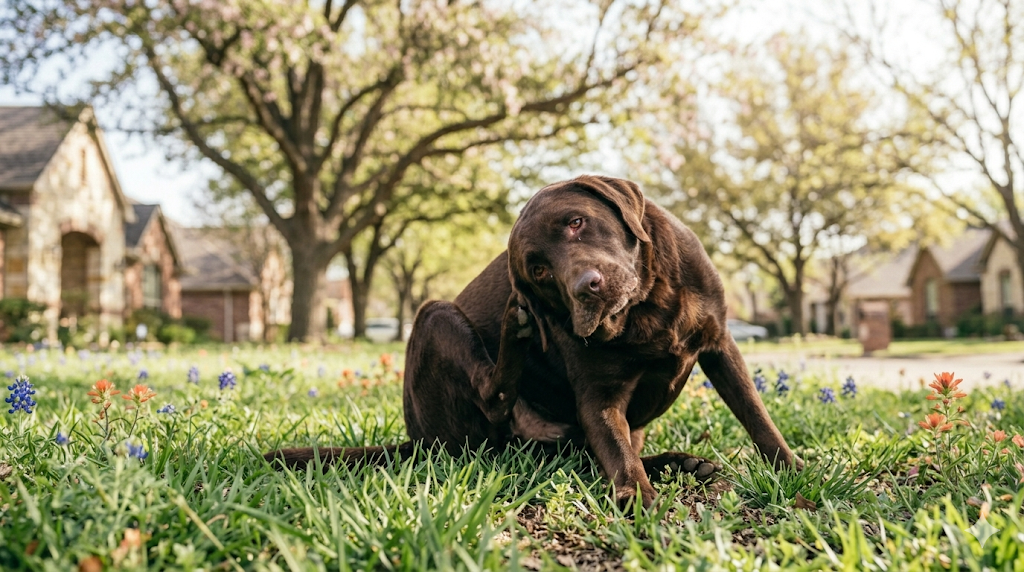
Spring training and outdoor adventures come with seasonal health considerations. North Texas flea and tick season begins early in spring. Make sure your dog is currently on preventative treatment before ramping up outdoor time. Additionally, some dogs develop seasonal allergies in spring, with symptoms including itchy skin, watery eyes, or increased scratching. If your dog seems uncomfortable after outdoor sessions, a vet visit is a good idea.
Frequently Asked Questions
How much exercise does my dog need in spring?
It depends on breed, age, and health. Most healthy adult dogs benefit from at least 30 to 60 minutes of active exercise daily. High-energy breeds may need significantly more.
Is it too late to start obedience training if my dog is already an adult?
Not at all. Adult dogs can absolutely learn new commands and improve their behavior. In many cases, adult dogs train more efficiently than puppies because they have longer attention spans.
Can I take my dog to Carrollton parks off-leash?
Most parks in Carrollton require dogs to be on a leash unless there is a designated off-leash area. Check current city regulations and individual park rules before letting your dog run free.
What should I do if my dog overexerts on a spring walk?
Move to a shady area, offer water, and allow your dog to rest. If your dog seems dizzy, collapses, or is excessively panting and not recovering within a few minutes, contact your veterinarian.
Get Your Dog Ready for Spring in Carrollton
Spring is one of the most rewarding times to be a dog owner in Carrollton, TX. With some planning, a gradual build-up in activity, and a refreshed commitment to training, both you and your dog can enjoy everything the season has to offer. At All Dogs Unleashed, our team is ready to help your dog get back on track. Reach out at (972) 484-3647 or visit us at 2401 Luna Rd, Carrollton, TX 75006.
Related Reading
Looking for hands-on help? See how Board and Train in Dallas and Carrollton works.