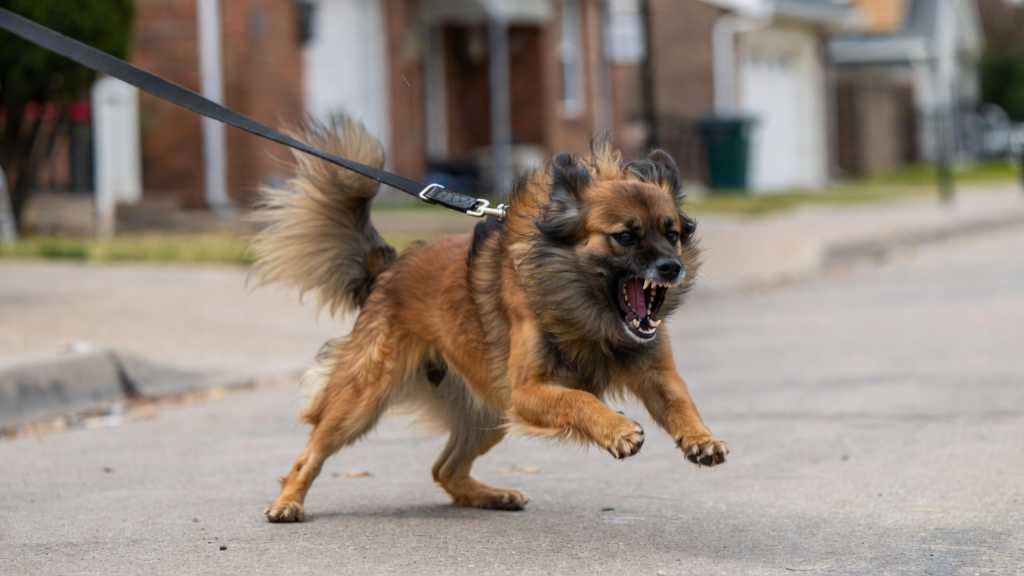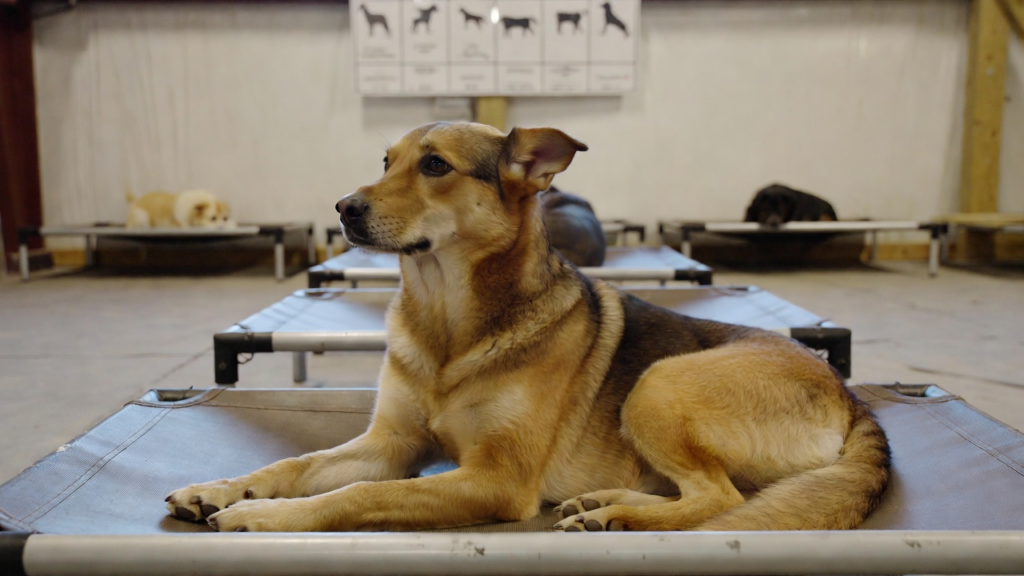

For generations, some dog breeds were bred specifically as guard dogs. These dogs were trained to protect households, livestock, and other property. Today, these dogs can be great police, work, and family home guard dogs. Having a heightened instinct for protection is an excellent quality in many breeds, but all breeds can become overprotective in a negative way. An overprotective dog can be very territorial of their owners, leading to alarming behavior like aggression, guarding, and poor social skills. Fortunately, All Dogs Unleashed can help! Most overprotective dogs can be socialized and trained to make great companions. Here are some important things to understand about socializing an overprotective dog.
1. Structure and Routine
Structure and routine are essential aspects of the training process for overprotective dogs. Dogs tend to feel more at ease in their environment if they understand the boundaries of their home and what to expect throughout their day. Keeping your dog on a regular and predictable routine of feeding, walking, playing, and resting can help them relax and keep calm. Similarly, establishing rules and boundaries with your dog can also help them understand expectations for behavior. For example, working with them to walk next to you on a leash or sitting before receiving their food. You can help your dog succeed by ensuring they understand the rules.
2. Dog Body Language
Dogs communicate their level of comfort through body language. Since they cannot talk, you can learn a great deal about what your dog is trying to tell you by looking at their body’s subtle signs. A dog that is stiff, has its tail tucked, has its ears back, or is panting a lot may be trying to alert its anxiety. This body language is often an early warning sign that your canine is uncomfortable with a person or an environment and will need to step back. Until your dog is adequately trained, it is important to look out for these early warning signs and remove them from the situation until they are calm. This will prevent their behavior from developing into more aggressive behavior.
3. Owner Presence
Your dog is highly attuned to your emotional state. They can sense your anxiety or stress and begin reflecting that feeling back to you. When dogs are nervous, anxious, or agitated, they are more likely to become aggressive. So, while it may be challenging to stay calm when your dog is exhibiting overprotective or aggressive behavior, keeping your cool is crucial. If you feel yourself becoming stressed by a specific situation, do not be afraid to remove yourself and your dog to give yourself some space to calm down.
4. Socialization
Socialization is the key to overcoming your dog’s overprotective behavior. The more often your dog is around others, the more likely they will feel at ease around people in different situations. To begin, it is best to socialize your dog around people who understand your dog’s overprotective behavior and will not be anxious or worried about interacting with your dog. Keep your first socialization training sessions short so you do not put undue anxiety on your dog. Gradually, you and your dog can begin venturing into new settings and branching out to interact with different people. Over time, these socialization exercises will help your dog establish good behavior habits.
5. Training
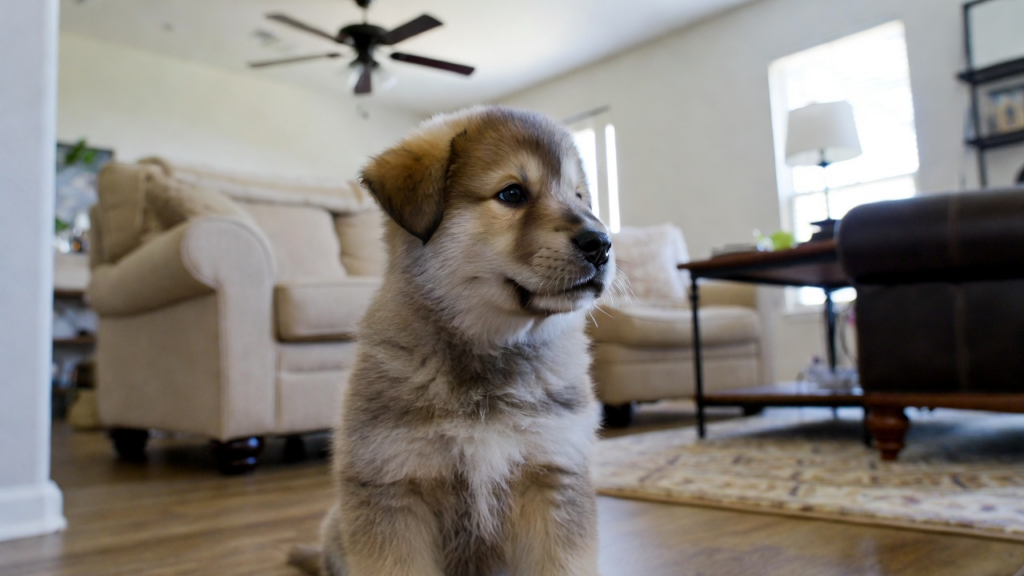
When in doubt, the experts at All Dogs Unleashed can help. It is never too early—or too late!—to start training or re-training your overprotective dog. Whether you have a puppy from a breed that you know tends towards overprotective behavior or have started noticing overprotective behavior in an older dog, most dogs can be trained to leave overprotective behaviors behind. Puppies can do well with puppy classes that will get them interacting with many different people and other dogs. This can help establish that others are not a threat while you work on basic commands.
For older dogs, beginning training with an experienced professional one-on-one is probably best. Socializing with a professional that understands the reflexes behind overprotective behavior will help you and your dog feel more at ease during socialization exposure training. Working one-on-one with a trainer can also help your older dog feel calmer and more confident when they are ready to enter more complex social situations with other dogs and people.
It can be alarming and disheartening when your dog displays overprotective behavior, but most dogs respond well to socialization training. All Dogs Unleashed can help you socialize and train your overprotective dog today!