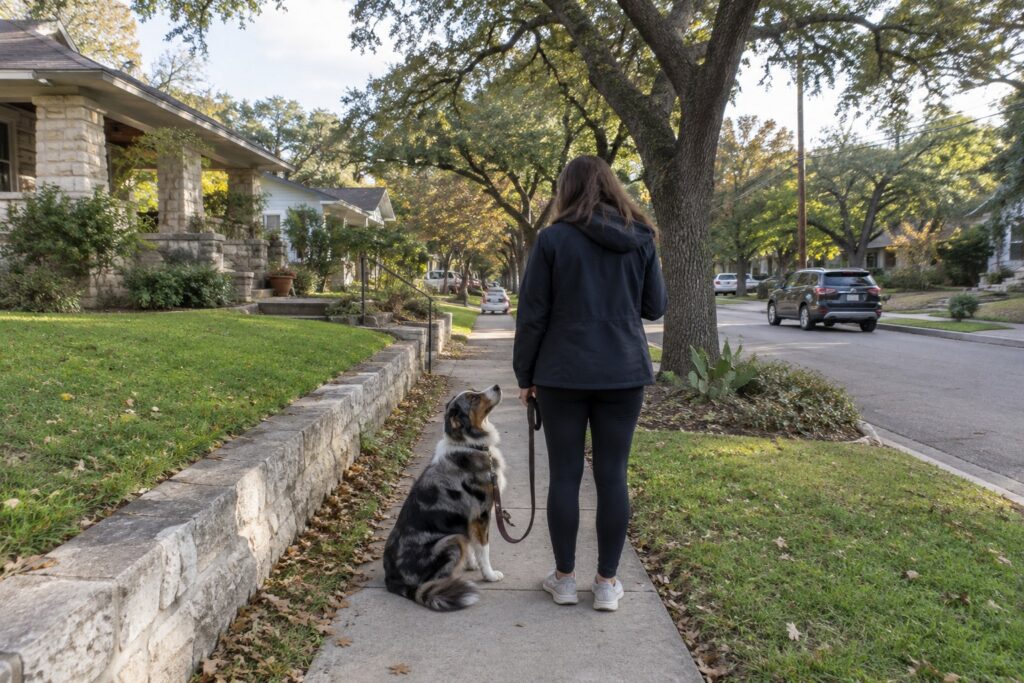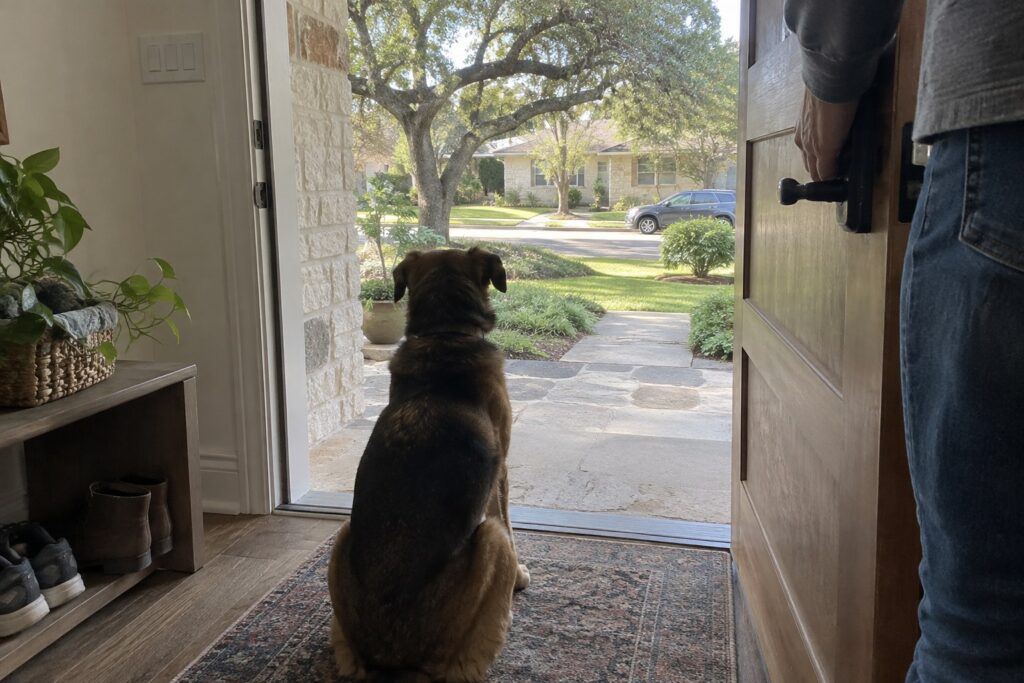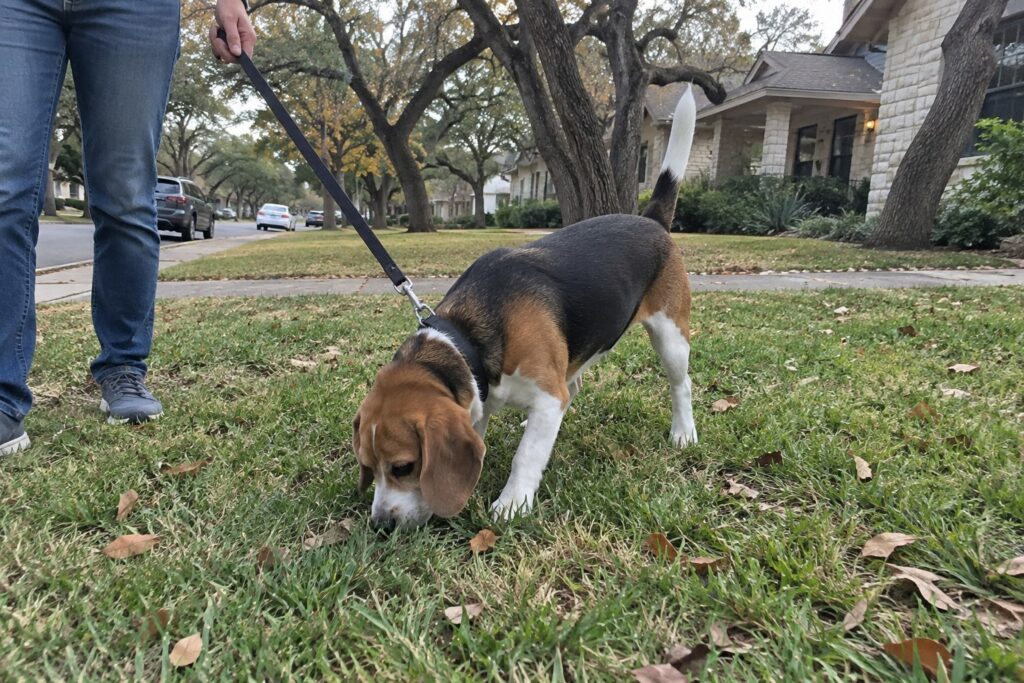

The new year is a natural time to reflect on what is working, what is not, and where you want to go. For dog owners in Carrollton, TX, it is also a great opportunity to set fresh intentions for your dog’s behavior and training. Whether your dog has been struggling with basic manners or you want to tackle a more challenging issue like leash reactivity or separation anxiety, setting clear and realistic goals is the foundation for meaningful progress.
Carrollton is a vibrant community full of parks, trails, and public spaces where well-behaved dogs are welcome. Cesar Chavez Park, the Carrollton Country Club greenways, and various pet-friendly retail areas offer plenty of opportunities to practice real-world skills with your dog. But to make the most of those spaces and experiences, your dog needs consistent training that carries over from home to the outside world.
All Dogs Unleashed works with dog owners across the Carrollton area to build lasting behavioral improvements through structured training and consistent support. Here is how to approach your dog’s training goals this new year with a plan that actually sticks.
Start With an Honest Assessment
Before you can set meaningful goals, you need to take an honest look at where your dog currently stands. Ask yourself:
- Which behaviors cause the most frustration or stress in daily life?
- Are there situations where your dog struggles that limit your activities together?
- What commands does your dog already know reliably, and which ones fall apart under distraction?
- Has your dog ever received formal training, and how long ago?
Being honest about these questions helps you identify the gap between where your dog is today and where you want them to be. It also helps you prioritize, because trying to fix everything at once is a recipe for overwhelm for both you and your dog.
Set Specific, Achievable Goals
Vague goals like “I want my dog to behave better” rarely produce results. Specific goals give you something to measure and work toward. Here are examples of how to reframe common frustrations into actionable training goals:
- Instead of: “Stop pulling on the leash” try: “My dog will walk on a loose leash for a full 15-minute walk in our neighborhood by March 1st.”
- Instead of: “Be less reactive to other dogs” try: “My dog will remain calm when another dog passes within 20 feet by April 1st.”
- Instead of: “Stop jumping on people” try: “My dog will sit automatically when a guest enters the house within six weeks.”
Breaking your goals into smaller, time-bound milestones makes the process feel manageable and gives you a way to track real progress.
Build Consistency Into Your Routine
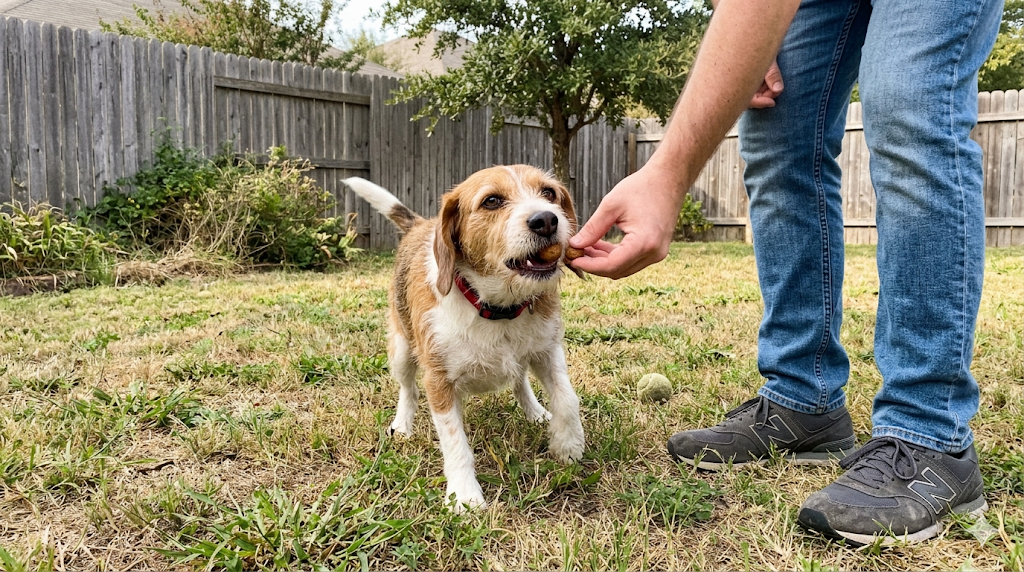
Consistency is the single most important factor in dog training. Dogs learn through repetition, and behaviors that are reinforced consistently become habits. Behaviors that are reinforced inconsistently become unpredictable. Here is how to build consistency into your new year routine:
- Set a daily training window: Even five to ten minutes of focused practice each day produces significant results over weeks and months. Tie training sessions to an existing habit, such as after morning coffee or before evening walks.
- Use the same commands: Make sure everyone in your household uses the same words and hand signals for each command. Mixed signals confuse dogs and slow progress.
- Reinforce good behavior immediately: Dogs connect reinforcement with whatever behavior they were doing in the moment of the reward. Delaying the reward even a few seconds reduces its effectiveness.
- Stay patient through plateaus: Training plateaus are normal. If your dog seems stuck on a skill, take a step back to an easier version of the task and rebuild from there.
Know When to Bring in Professional Support
Some training goals are best tackled with professional guidance. If your dog has developed a deeply ingrained habit, shows signs of fear-based behavior, or has not responded to your efforts at home, working with a professional trainer can accelerate progress dramatically. In-home dog training is particularly useful for behaviors that happen most in the home environment, such as door dashing, jumping on guests, or resource guarding.
For owners who want faster, more intensive results, a board and training program allows your dog to live with a trainer for a set period, working on goals in a structured setting every single day.
Celebrate Progress, Not Perfection
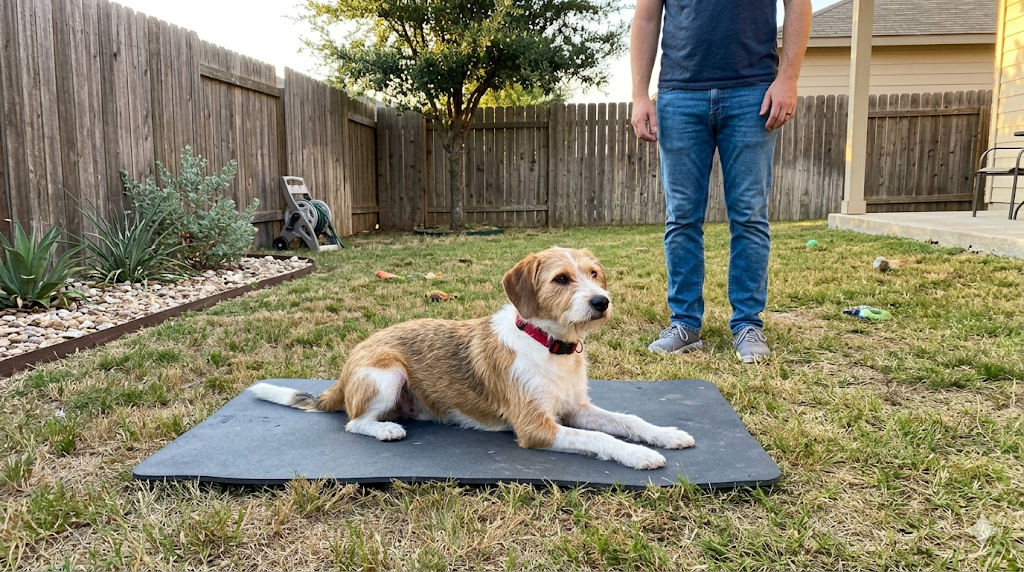
One of the most common mistakes dog owners make is focusing only on what their dog is doing wrong instead of acknowledging how far they have come. Recognizing progress, even small steps, keeps you motivated and helps you stay positive during the harder moments of training.
Set milestone check-ins every two to four weeks. Review what your dog has improved and what still needs work. Adjust your approach if something is not working, and do not be afraid to ask for help when you hit a wall.
Frequently Asked Questions
How long does it take to see real training results?
Most dogs show noticeable improvement within two to four weeks of consistent daily practice. More complex behaviors or deeply ingrained habits may take longer, but steady effort always produces progress.
What if my dog was trained before but has regressed?
Regression is common, especially after a change in routine, a move, or an extended period without reinforcement. The good news is that dogs who have been trained before often relearn skills faster the second time around.
Should I start training goals with a puppy or an adult dog?
Both. Puppies benefit from early socialization and foundation skills, while adult dogs can learn new behaviors at any age. The approach differs slightly based on age and experience, but the commitment to consistency remains the same.
Are group classes better than private training?
It depends on your goals. Group classes are great for socialization and basic obedience, while private or in-home training is better for addressing specific behavior problems or working in your dog’s actual environment.
Start the New Year Strong With All Dogs Unleashed
At All Dogs Unleashed, we help Carrollton dog owners set realistic goals and build the skills to achieve them. Call us at (972) 484-3647 or stop by at 2401 Luna Rd, Carrollton, TX 75006 to discuss the best training path for you and your dog this new year.