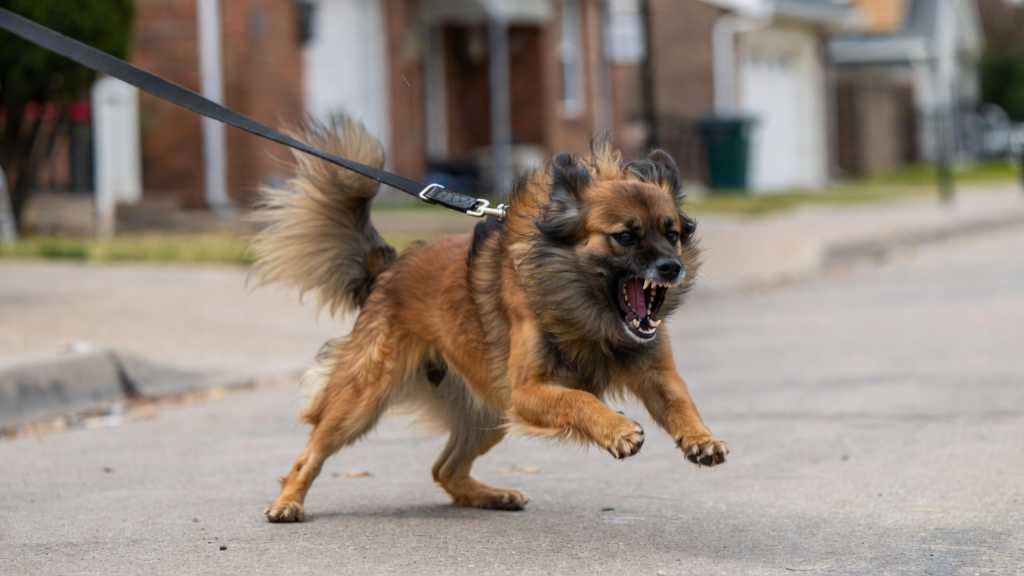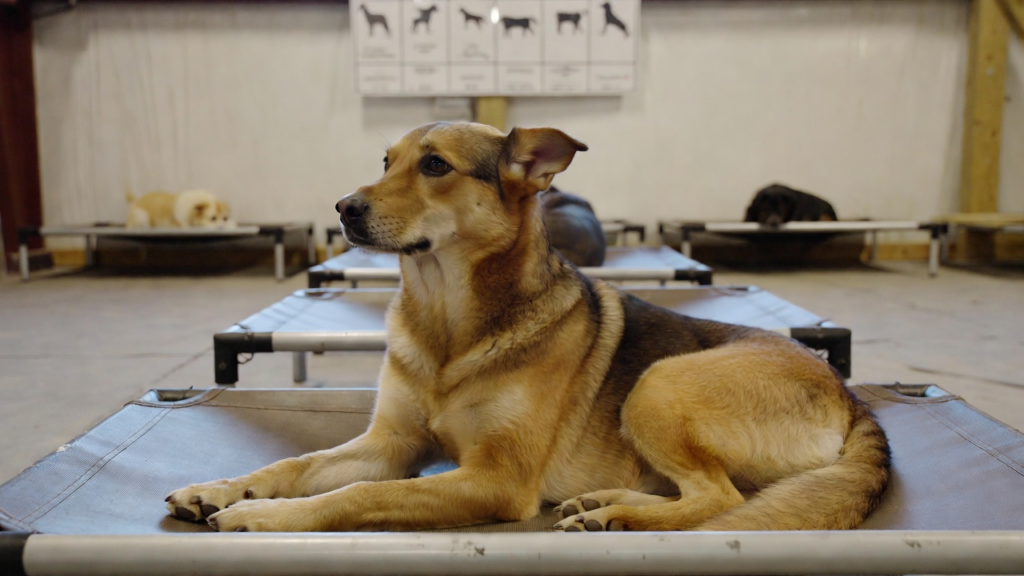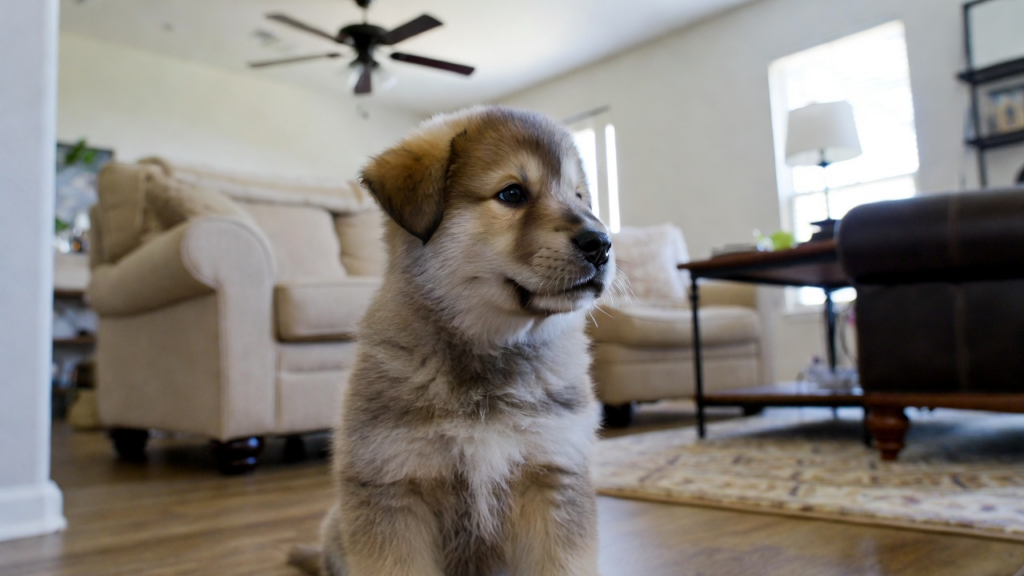

Thanksgiving isn’t complete without the Purina National Dog Show, and we couldn’t be happier for Soleil, the Belgian Sheepdog, who took Best in Show last month! If you tuned in, you may also have learned that the Belgian Sheepdog is known for their intelligence, loyalty, and dedication to their work. How consistent are these attributes that we give to different breeds? Does selecting a dog based on breed traits mean that you’ll get the exact behavior you were hoping for? Here are some of the key things to know about how much breed really impacts a dog’s disposition and how easy or challenging it may be when you begin your pup’s dog training in TX.
Understanding the Intention of Breeding
There’s no easy way to summarize the history of dog breeding, given that it was a project that spanned different cultures and likely started over 9,000 years ago. That said, breeding is a relatively straightforward concept by which dogs with desirable traits are bred to produce offspring that possess even more desirable traits.
Most of the time, what’s desired is functional: a body and mind that are most conducive to, say, herding sheep or locating small game. In rare cases throughout human history, what was desired was aesthetic. A popular example is the pug, which was bred for its unique facial structure.
What Science Says About Breed and Behavior
If most dogs were bred for functionality, has the experiment been a successful one? Can you expect your Border Collie to be smarter than any other breed? Is your Jack Russell innately energetic and courageous?
The short answer is yes. According to the American Kennel Club, several studies have confirmed that purebred dogs do tend to exhibit the traits that they were bred to possess, for better or worse. On the upside, this means that golden retrievers, who are bred to pay close attention to their owner’s cues, really can be easier to train. On the downside, the terriers who were bred to track prey really might ignore you when they catch a whiff of something interesting.
The Benefit of Working with Your Dog’s Breed Traits
It’s useful to think about dog breed traits as potential behavior, rather than innate behavior. It’s still up to you to give your dog the tools they need to lean into their breed disposition.
This means finding ways to meet your dog’s energy level and incorporating the socialization, training, and stimuli needed to help them shine. For example, hounds and terriers may benefit from scent training, which will allow them to hone their instincts (rather than unleashing their unspent energy on your favorite shoes).
Why Mutts Make Great Companions Too
The National Dog Show is a great celebration of the different dog breeds that have filled homes across the globe. However, it’s important that we don’t attribute all good behavior to a dog’s breed alone. Any dog can become a great companion with excellent behavior as long as they’re given the right tools and a safe environment, even the scruffiest, goofiest looking mutts at your local shelter.
No matter your dog’s lineage, training is a must. Visit All Dogs Unleashed and decide which of our puppy and dog training programs is right for you.