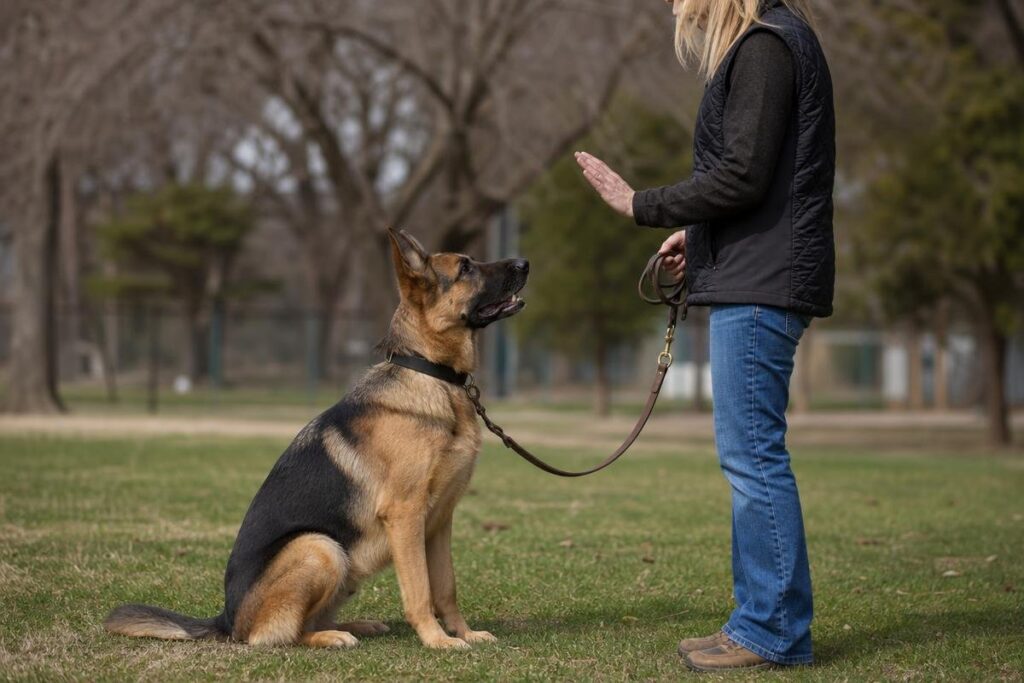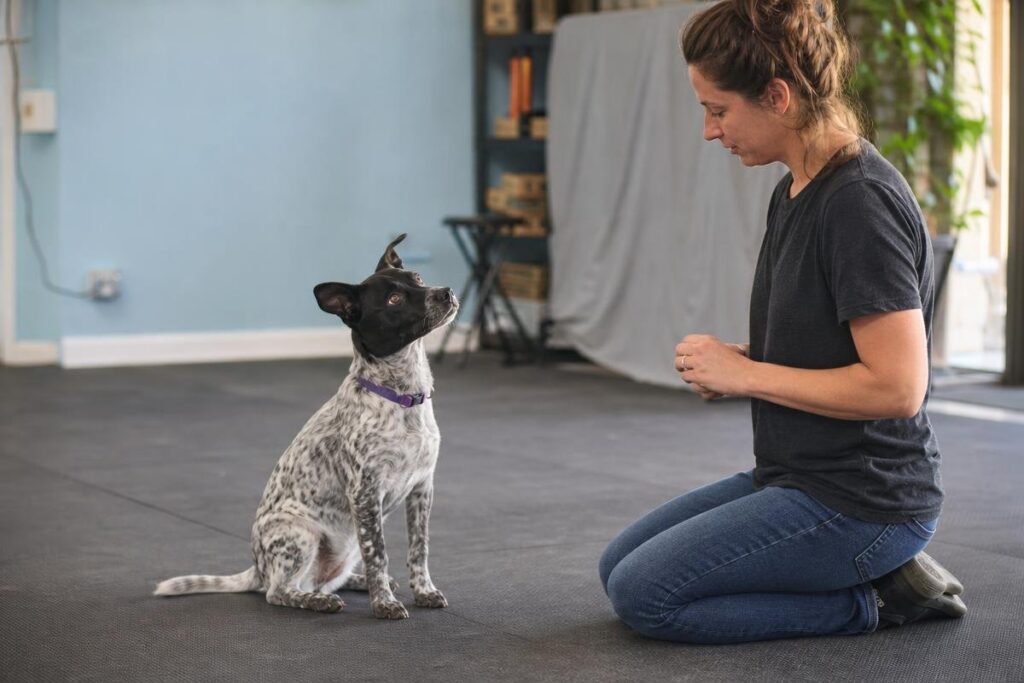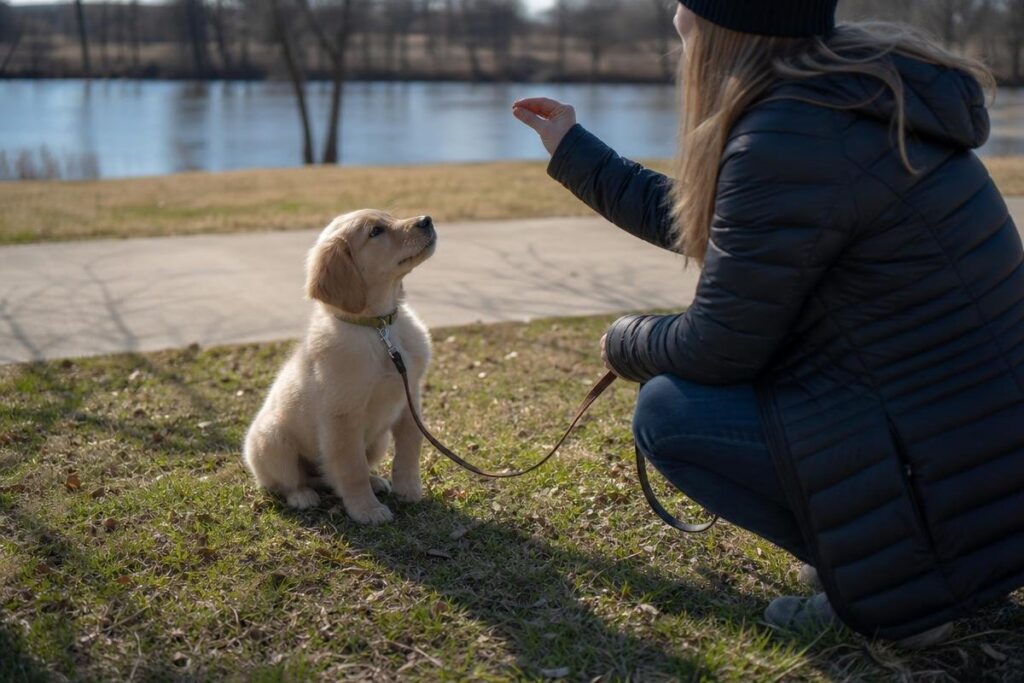
Rescue dog training addresses a distinct set of behavioral challenges that standard obedience programs are not always designed to handle. Dogs adopted from shelters often arrive with unknown histories, unresolved fear responses, and adjustment periods that require structured, individualized techniques rather than a one-size-fits-all approach.
All Dogs Unleashed provides dedicated rescue dog training in Oklahoma City, backed by a money-back guarantee and lifetime support, so your newly adopted companion builds reliable, lasting behavior from day one. Ready to give your rescue dog a structured foundation? Our team is here to help.
Call (405) 299-3386 to speak with our team directly. We're ready to answer your questions, walk you through your options, and help you find the right solution for your needs. Whether you're just starting to plan or ready to move forward, we'll make the process simple and stress-free. Reach out today and let's talk about how we can help.
Key Takeaways
- Rescue dog training requires individualized techniques that account for fear, reactivity, and unknown behavioral history.
- Structured daily routines are one of the most effective tools for helping adopted dogs adjust to a new home.
- Oklahoma City's spring storm season creates specific noise-trigger challenges that fear-reactive rescue dogs need direct training to overcome.
- Our programs include lifetime support, so your dog's progress does not stop after the initial training period ends.
The First Week Home: Why Your Rescue Dog Isn't Acting Like You Expected
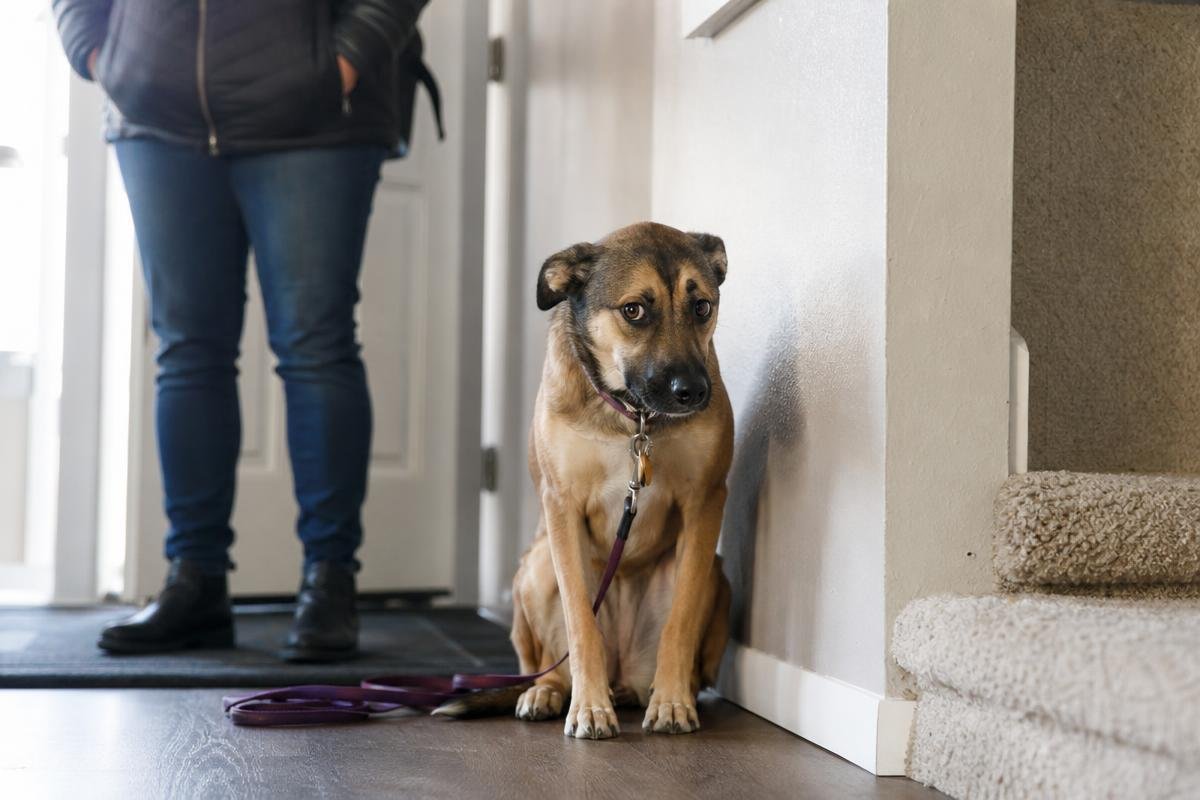
You brought home a dog from the shelter, and within 48 hours, the picture looked nothing like you expected. The dog hid under the bed. Growled at the food bowl. Shut down completely on the leash. This is one of the most common experiences for families who adopt through Oklahoma City's active shelter and rescue network, including organizations like OKC Animal Welfare and the Central Oklahoma Humane Society, and it catches most adopters off guard.
Rescue dogs arrive with invisible histories. Every reaction your dog has, including the flinching, the food guarding, the refusal to walk past certain objects, is rooted in experiences you were not present for. That behavior is not a sign that something is permanently wrong with your dog. It is a predictable response to an unpredictable past, and it responds well to structured, consistent training.
This guide covers what rescue dog training actually looks like in practice: the behavioral realities, realistic timelines, and professional options available through our dog training programs in Oklahoma City. If you are in the middle of that first difficult week, you are in the right place.
Why Rescue Dogs Need a Different Training Approach
A rescue dog is not a blank slate. By the time your companion arrives in your home, that dog has already learned a set of behaviors, many of them survival strategies developed in a shelter, a neglectful environment, or an unstable early life. Resource guarding, escape attempts, fear-based reactivity, and emotional shutdown are not signs of a bad dog.
They are signs of a dog that adapted to difficult circumstances. Standard obedience methods designed for a puppy raised in a stable home do not account for that history, and applying them without adjustment can make behavioral challenges in rescue dogs significantly worse.
Our team conducts a behavioral baseline assessment before designing any program. A generic curriculum applied to a trauma-affected dog skips the most important step: understanding what that dog has already learned and why. Our program options are built around individualized techniques, not a one-size-fits-all progression, because the starting point for a rescue dog is rarely where standard training assumes it to be.
How Does Unknown History and Trauma Affect a Rescue Dog?
Unknown history shapes nearly every reaction a rescue dog has, because behaviors learned during early trauma or missed socialization persist until they are systematically replaced. The socialization window for dogs closes around 16 weeks of age. A dog that missed consistent, positive exposure to people, sounds, and environments during that period cannot recover that window entirely. What is possible, however, is systematic desensitization and counterconditioning.
Desensitization means exposing your dog to a frightening stimulus at a low enough intensity that no stress response is triggered, then increasing that intensity gradually over time. Counterconditioning means pairing each exposure with something the dog values, so the emotional response begins to shift from fear to neutral or positive. These are not quick fixes, but they produce lasting results when applied correctly and consistently.
Oklahoma City's shelter population includes many dogs that spent extended time in high-density kennel environments. That experience compounds stress responses and compresses the range of situations a dog can handle without reacting. Dogs from those environments often arrive in homes across Edmond and Norman with sensitivities their new owners did not anticipate.
Why Do Rescue Dogs Show Fear and Reactivity So Quickly?
Rescue dogs hit their stress threshold faster than well-socialized dogs because their range of tolerable situations is compressed by past experience. Every dog has a threshold, the point at which manageable arousal tips into reactive or shutdown behavior. Oklahoma's spring thunderstorms and tornado sirens are a locally specific trigger that pushes already stress-sensitive dogs past that point quickly. Understanding the difference between fear-based reactivity and true aggression matters for how training is structured.
The distinction is not always obvious to owners, and misreading it leads to the wrong approach. Our trainers address this directly. Contact our team before your first session to discuss how we assess reactive vs. aggressive behavior in detail. Training must always begin below threshold and expand that window gradually. Flooding a rescue dog with stimuli it cannot yet handle erodes trust and sets back progress in ways that take considerable time to repair.
The Most Common Behavior Challenges in Rescue Dogs
Rescue dogs arrive with behavioral histories that are often incomplete or entirely unknown. As covered in the previous section, that history shapes how a dog responds to its new environment. What matters now is identifying the specific behaviors most likely to surface in the weeks following adoption, so you can address them before they become reasons to return a dog to the shelter.
What Do Fear-Based Behaviors Like Hiding and Snapping Mean?
Fear-based behaviors are all expressions of the same underlying discomfort at different intensities. A dog hiding under a bed and a dog that snaps when a hand reaches toward it are communicating the same state. Punishing either response suppresses the warning signal without resolving what is driving it, which consistently escalates the behavior toward biting over time.
For rescue adopters across the metro, there is an additional local factor worth noting. Oklahoma's spring tornado sirens and severe thunderstorm season produce sudden, high-intensity noise events that are significant triggers for fear-reactive dogs. A dog that appears stable indoors can decompensate quickly during a storm. Our OKC training programs address fear reactivity as a primary behavioral category, not an afterthought.
Separation Anxiety After Adoption
The first two to three weeks post-adoption are often called the honeymoon period. The dog is orienting to a new environment and may appear calm or even subdued. Once your companion learns your departure and return schedule, the anxiety surfaces. Pacing, whining, destructive behavior, and house-soiling that occur only when the dog is left alone are the clearest indicators. If you are seeing these signs, review the 9 signs your Oklahoma City dog has separation anxiety before your first training session so your trainer has a complete behavioral picture from the start.
Resource Guarding and Impulse Control
Resource guarding is one of the top two post-adoption surprises reported by rescue adopters, alongside separation anxiety. A dog that experienced food scarcity in a shelter or on the street guards food bowls, toys, resting spots, and sometimes its owner not out of dominance but out of a learned survival strategy. The behavior is rational from the dog's perspective.
Addressing it requires impulse control work: the place command, controlled feeding protocols, and threshold exercises at doorways teach your dog that patience produces consistent, reliable outcomes. We have worked with dogs showing resource guarding as early as 16 weeks of age, including a North American Mastiff puppy whose early intervention produced a strong foundational behavioral response.
The adopted dog training OKC owners pursue through our programs treats these challenges as structured, progressive skill-building, backed by a money-back guarantee and lifetime support. Every rescue dog starts at a different behavioral baseline. Schedule a behavioral assessment so we can map yours before training begins.
What Does a Realistic Rescue Dog Training Timeline Look Like?
Most rescue dogs need three to twelve months of consistent training to fully settle, but owners typically see meaningful behavioral improvement within the first two to four weeks of a structured program. That range is wide because every dog arrives with a different history. What does not vary is this: structure accelerates progress, and waiting too long to introduce it allows unwanted behaviors to become entrenched habits.
A common pattern we see from adopters across the metro is assuming the dog just needs time before training begins. Time alone does not teach a dog what to do. A structured daily routine does.
The 3-3-3 Rule: Decompress, Settle, Thrive
The 3-3-3 framework gives owners a reliable reference point for the post-adoption adjustment period. In the first three days, your dog is decompressing from the shelter environment. Eating, drinking, and normal engagement may all be suppressed. This is expected. Over the following three weeks, your companion begins to learn the household routine and starts to feel safe within it.
By three months, the dog's true personality emerges and the bond between dog and owner becomes dependable. Each stage builds on the one before it, and formal obedience work fits naturally into this progression rather than disrupting it.
When Should You Start Formal Training After Adoption?
Formal training should begin right after the initial three-day decompression window, not before and not weeks later. Clear rules and predictable routines reduce anxiety faster than an unstructured settling-in period. Dogs find comfort in structure. When that structure is absent, fear and reactivity fill the gap.
An immersive board and train program in Oklahoma City accelerates this transition by removing your dog from triggering home stimuli and placing it in a consistent, professionally managed environment.
One client reported picking up a noticeably different dog after only two weeks in such a program. That outcome is not unusual when the program starts at the right behavioral baseline. Oklahoma's spring thunderstorms and tornado sirens add an additional layer of noise sensitivity for fear-reactive dogs, which is one reason early, structured intervention matters more here than in calmer climates.
Board and Train vs. In-Home Training for Rescue Dogs: Which Works Better?
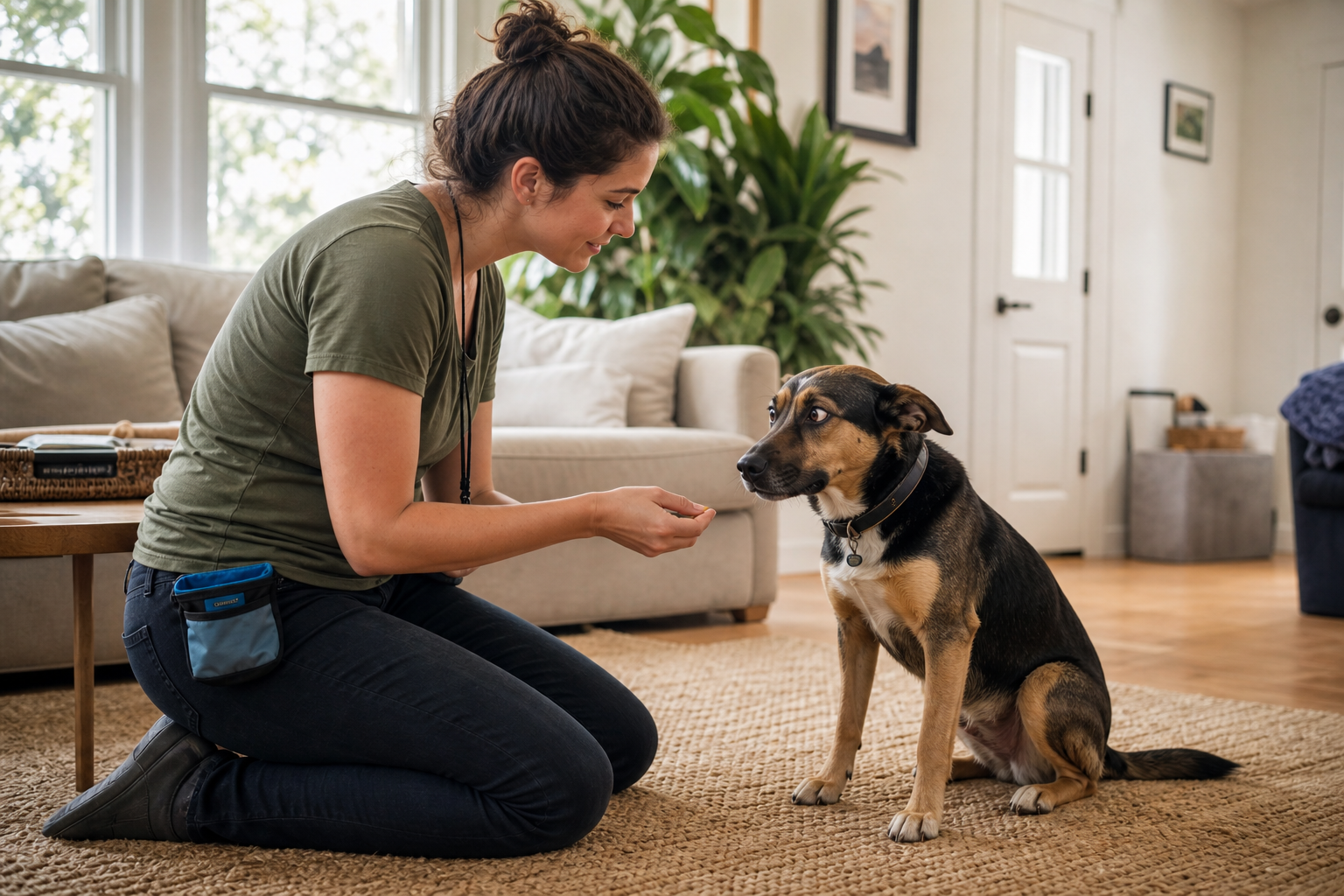
The answer depends on your dog's behavioral profile. A rescue dog carrying significant fear, reactivity, or behavioral baggage from an unknown history often progresses faster in a structured residential setting. A dog that is already relatively settled may do just as well with training conducted in your home. Our team helps you determine which format fits your dog during an initial consultation, so you are not guessing.
Why Board and Train Accelerates Rescue Dog Progress
Board and train removes your dog from the environment that may be reinforcing anxious or reactive patterns and places your companion in a consistent, structured setting with a professional trainer present throughout the day. Daily training sessions, structured feeding protocols, and controlled exposure work happen on a predictable schedule, which is exactly what a stress-sensitive rescue dog needs to build confidence.
For dogs in the Yukon and Mustang area, our climate-controlled facility also provides a practical advantage during Oklahoma summers, when temperatures regularly exceed 95 degrees and outdoor training becomes an additional stressor for already sensitive animals. You can read more about what happens during a board and train program on a day-to-day basis before making your decision.
The transition home is a coached process, not a handoff. One client described her labradoodle as "the happiest, most joyful dog you could ever meet" after completing a two-week program. Our board and train services in Oklahoma City include handler education so you can maintain those results after your dog returns home, backed by a money-back guarantee and lifetime support.
When In-Home Training Is the Right Fit
In-home training is the stronger choice when the household dynamic itself is part of the equation. If your rescue dog needs to learn boundaries around children, other dogs, or specific triggers inside your Moore or Choctaw home, training in that context produces more transferable results.
Owners who want to be present and actively involved in every session also tend to see stronger long-term outcomes through in-home work. For a direct board and train vs. in-home training comparison, our team can walk you through the key distinctions to help you make an informed choice during an initial consultation.
Not sure which program fits your rescue dog? Call our team at (405) 299-3386 to schedule a consultation and get a clear recommendation based on your dog's specific behavioral profile.
How Oklahoma City's Rescue Community Shapes the Dogs We Train
Common Breeds and Backgrounds Seen in OKC Shelters
The shelter and rescue network across the metro consistently produces a specific mix of dogs that our trainers see again and again. Working breeds such as cattle dogs, Australian shepherds, and shepherd mixes make up a significant portion of surrendered animals. Bully-type mixes, hound mixes, and large-breed dogs surrendered for size or energy level round out the majority of what local rescue adopters bring through our doors. Since All Dogs Unleashed opened, our programs have been built to address the full behavioral range these breeds present, including working dogs other programs sometimes decline to take on.
Each breed category carries distinct behavioral tendencies that compound the rescue adjustment challenge. Herding breeds have strong instincts to chase, nip, and control movement, which can make household management difficult from day one. High prey drive in hound mixes makes leash reactivity and recall the first priorities in any shelter dog training plan. Large-breed dogs surrendered for size frequently arrive with no foundational obedience history at all, requiring training to begin at the most basic level regardless of the dog's age.
Training Considerations for Oklahoma's Climate and Lifestyle
Summer temperatures across the metro regularly exceed 95 degrees from June through August. Stress-sensitive rescue dogs do not regulate body temperature efficiently, which means outdoor sessions during peak heat carry real risk of physical and behavioral setbacks. Our board and train facility provides a climate-controlled environment where structured training continues regardless of outdoor conditions. In-home sessions in Midwest City, Norman, and surrounding communities are scheduled for early morning hours during summer months to protect your dog's progress.
Spring storm season presents a locally specific challenge that trainers in other regions rarely encounter at the same frequency. Tornado sirens and severe thunderstorms are significant noise triggers for fear-reactive rescue dogs, and without deliberate desensitization built into the training program, storm season can produce serious behavioral setbacks. We address noise sensitivity as a standard component of behavior modification for rescue dogs in this area, not as an afterthought.
What to Tell Your Trainer Before Your Rescue Dog's First Session
Trainers who specialize in adopted dog training in OKC need accurate behavioral context before the first session. Many rescue adopters receive little to no history from the shelter at pickup. That is common, and it does not prevent effective training. What matters is bringing whatever information you do have and supplementing it with your own observations from home.
Information to Gather From the Shelter or Rescue
Contact the shelter or foster coordinator before your consultation and ask specifically for the following: any known history of abuse or neglect, commands the dog may already recognize, documented triggers such as men, children, other dogs, or loud noises, medical history including pain conditions that can alter behavior, and how your dog behaved in foster care compared to the kennel environment.
A dog that was calm in foster care but reactive in the shelter tells a very different behavioral story than one that showed reactivity in both settings. Even partial answers give our trainers a more accurate starting point than a blank intake form.
What to Observe at Home Before Your Consultation
Before your first session, spend several days observing and recording your dog's behavior at home. Note whether your companion guards food or toys, freezes or snaps when touched in specific areas, reacts to strangers at the door, shows anxiety when left alone, or shuts down completely outdoors. Spring thunderstorms and tornado sirens are a significant noise trigger for fear-reactive dogs in this region, so note any responses to sudden loud sounds as well. This behavioral snapshot allows our trainers to design a program that starts where your dog actually is, not where a generic curriculum assumes it should be.
Owners who want to understand our methods before committing can review dog training videos from All Dogs Unleashed (alldogsunleashed.com/oklahoma-city/dog-training-videos/) to see the approach in practice before the first session. Training a rescue dog at home becomes more consistent when you and your trainer are aligned from the start. See how our approach works before you commit. Explore our rescue dog program options and find the format that fits your dog.
Frequently Asked Questions
Is it harder to train a rescue dog than a puppy?
Rescue dogs are not harder to train, but the process differs. Puppies are shaped from the start; rescue dogs often carry survival patterns that must be replaced before new behaviors can be reliably installed. That distinction requires a trainer with documented experience in behavior modification, not just basic obedience.
How long does rescue dog training take to show results?
Most owners notice meaningful behavioral shifts within the first one to two weeks of a structured program. Full reliability across different environments, including outdoor spaces and high-distraction settings, typically develops over two to four months of consistent practice.
Can an older rescue dog learn new behaviors?
Adult and senior rescue dogs are often easier to train than puppies. They have longer attention spans and lower baseline arousal. The idea that an older dog cannot learn is not supported by how dogs actually respond to structured, individualized training.
What if my rescue dog is aggressive or has bitten before?
A bite history does not disqualify a dog from training. It requires a professional behavioral evaluation before any program begins. Our team assesses the type and severity of the behavior and designs a structured modification plan. Punishment-based responses to bite history consistently make the problem worse, not better.
Should I wait until my rescue dog is settled before starting training?
No. After the initial three-day decompression window, structure and clear communication from a trainer help a rescue dog settle faster than an unstructured waiting period. Delaying training does not reduce anxiety; it allows uncertain patterns to become established habits.
How do I find the right rescue dog trainer in Oklahoma City?
Look for a trainer with documented experience in behavior modification, a clear assessment process, and post-program follow-up support backed by a money-back guarantee. Our team provides All Dogs Unleashed dog training in Oklahoma City and serves rescue dog owners across Midwest City, Mustang, and surrounding communities.
Your rescue dog did not come with a manual. But there is a clear path forward. Call All Dogs Unleashed Dog Training OKC at (405) 299-3386 to schedule a consultation and identify which program fits your dog's behavioral profile. You can also visit us at 101 Park Ave, Suite 1300, Oklahoma City, OK 73102, or review our full dog training programs online. The sooner you start, the sooner your dog gets to feel safe.
Ready to Get Started with All Dogs Unleashed Dog Training OKC?
Call (405) 299-3386 to speak with our team directly. We're ready to answer your questions, walk you through your options, and help you find the right solution for your needs. Whether you're just starting to plan or ready to move forward, we'll make the process simple and stress-free. Reach out today and let's talk about how we can help.